

-4%
Vibramycin
Price range: $ 52,00 through $ 295,00
VigRX Plus
Price range: $ 56,00 through $ 269,00
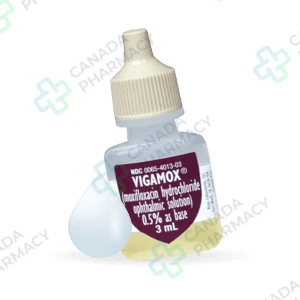
Vigamox Ophthalmic Solution
Price range: $ 24,00 through $ 69,00
Vigamox Ophthalmic Solution is a potent antibiotic eye drop specifically formulated to treat bacterial conjunctivitis, commonly known as pink eye. This medication contains moxifloxacin, a fluoroquinolone that works by effectively inhibiting the growth of harmful bacteria within the eye. It is designed to target a wide range of bacterial strains that cause irritation, redness, and persistent discharge. The solution helps to clear the infection efficiently while alleviating the physical discomfort associated with ocular surface inflammation. Its specialized formula ensures that the active ingredient is delivered directly to the site of infection for reliable relief.
Active substance: Moxifloxacin
Delivery: 5–21 days (depending on the shipping method)
Extra 10% discount with coupon: IT4K6SVM
Each dosage option has its own packaging choices.
Description
Vigamox belongs to a group of medicines called fluoroquinolone antibiotics. It is prescribed for the treatment of bacterial conjunctivitis caused by susceptible strains of microorganisms. This ophthalmic preparation acts locally within ocular tissues to eradicate bacterial pathogens and resolve active surface infections.
As a prescription medication regulated by the US Food and Drug Administration (FDA), Vigamox must be used under the supervision of a licensed healthcare provider. The safety and efficacy of this topical solution have been established in pediatric patients 1 year of age and older as well as in adult populations.
Clinical Profile and Pharmacological Properties
How the drug works
The active ingredient in Vigamox is moxifloxacin hydrochloride at a concentration of 0.5% (equivalent to 5 mg moxifloxacin base per milliliter). Moxifloxacin exhibits bactericidal action by inhibiting two essential bacterial enzymes: DNA gyrase (topoisomerase II) and topoisomerase IV. DNA gyrase is responsible for the replication, transcription, and repair of bacterial DNA, while topoisomerase IV plays a crucial role in partitioning chromosomal DNA during bacterial cell division.
By targeting both enzymes, moxifloxacin reduces the probability of drug resistance development during treatment. The broad-spectrum antimicrobial activity includes Gram-positive bacteria such as Staphylococcus aureus and Streptococcus pneumoniae, as well as Gram-negative bacteria such as Haemophilus influenzae. Human cells do not contain DNA gyrase, which accounts for the selective toxicity of the drug toward bacterial targets.
What happens in the body
Following topical administration to the ocular surface, systemic exposure to moxifloxacin remains low. Pharmacokinetic evaluations show that following a standard dosing regimen of 1 drop in both eyes 3 times daily, the mean maximum plasma concentration (Cmax) reaches approximately 2.7 ng/mL. The area under the plasma concentration-time curve (AUC) is estimated at 41.9 ng·h/mL under steady-state conditions.
The systemic elimination half-life of moxifloxacin following ocular application is approximately 13 hours. Topical administration allows the active compound to achieve therapeutic concentrations within the tear film, cornea, and conjunctival tissues, far exceeding the minimum inhibitory concentrations (MIC90) required for target ocular pathogens while minimizing systemic drug exposure.
What it’s used for
Vigamox ophthalmic solution is indicated for the treatment of bacterial conjunctivitis caused by susceptible isolates of bacteria. FDA-approved indications include infections driven by Gram-positive organisms (including Corynebacterium species, Micrococcus luteus, Staphylococcus aureus, Staphylococcus epidermidis, Staphylococcus hominis, Streptococcus pneumoniae, and the Streptococcus viridans group) and Gram-negative organisms (such as Enterobacter cloacae, Haemophilus influenzae, and Klebsiella pneumoniae).
This medication is not effective against viral, fungal, or allergic conjunctivitis. Any use of Vigamox for conditions outside the official FDA-approved labeling–such as off-label prophylactic administration following corneal abrasion or anterior segment surgery–must be evaluated and managed exclusively by an ophthalmic specialist.
Dosing schedule
The standard dosage for patients aged 1 year and older is 1 drop in the affected eye (or eyes) 3 times a day for a duration of 7 days. Precise adherence to the prescribed frequency and duration is necessary to prevent infection recurrence and reduce the risk of antimicrobial resistance.
Patients should wash their hands thoroughly before applying the solution. Care must be taken to ensure the bottle dropper tip does not contact the eye, eyelids, surrounding facial skin, or any external surface to preserve the sterility of the remaining fluid.
Safety, Precautions, and Practical Usage
Adverse reactions
Clinical trials conducted prior to approval revealed that the most frequently reported ocular adverse reactions occurred in approximately 1% to 6% of patients. These localized events include conjunctivitis, decreased visual acuity, dry eye, keratitis, ocular discomfort, ocular hyperemia, ocular pain, ocular pruritus, subconjunctival hemorrhage, and increased lacrimation (tearing).
Non-ocular adverse events reported in less than 1% of patients include dysgeusia (taste alteration), headache, and fever. Most adverse reactions are mild to moderate in severity and resolve without requiring permanent cessation of therapy, though persistent symptoms should be discussed with the prescribing clinician.
Important precautions
Vigamox is contraindicated in individuals with a history of hypersensitivity to moxifloxacin, other quinolone antibiotics, or any ingredient in the formulation. As with other anti-infectives, prolonged use of Vigamox may result in the overgrowth of non-susceptible organisms, including fungi. If superinfection occurs, appropriate alternative therapy should be initiated.
Patients exhibiting signs or symptoms of bacterial conjunctivitis should refrain from wearing contact lenses throughout the treatment course. Regarding reproductive safety, adequate and well-controlled studies in pregnant women have not been conducted; Vigamox should be used during pregnancy only if the potential benefit justifies the potential risk to the fetus. Caution is advised when administering to nursing mothers, although systemic secretion into human milk is minimal after topical ophthalmic dosing.
Compatibility with other medicines
Formal drug interaction studies have not been performed specifically with Vigamox ophthalmic solution. Due to the low systemic plasma concentrations observed after topical ocular administration, clinically significant systemic interactions with oral or intravenous medications are improbable.
When multiple topical ophthalmic agents are prescribed concurrently, drops should be administered at least 5 minutes apart. This administration window prevents the dilution or mechanical washout of the initial medication by subsequent drops.
Red flags
Patients must seek immediate medical evaluation if severe hypersensitivity reactions occur. Warning signs include facial, lip, or tongue swelling, sudden skin rash or urticaria, and difficulty breathing. Furthermore, rapid deterioration of visual acuity, intense ocular pain, or marked worsening of purulent eye discharge during treatment warrants immediate professional re-evaluation.
If you skip a dose
If a dose of Vigamox is missed, it should be administered as soon as remembered. However, if the time is close to the next scheduled instillation, the missed drop should be skipped, and the standard schedule resumed. Patients should never double the number of drops to compensate for a missed application.
Day-to-day use
To administer drops properly, tilt the head back slightly and pull down the lower eyelid to create a small pocket (conjunctival sac). Instill 1 drop into this pocket while looking upward. Release the eyelid, close the eye gently, and apply light pressure with a finger to the inside corner of the eye (nasolacrimal occlusion) for 1 to 2 minutes. This technique helps retain the drug on the ocular surface and minimizes systemic absorption through the nasolacrimal duct.
Storage and expiration
Vigamox should be stored at 2°C to 25°C (36°F to 77°F). The container must be kept tightly closed when not in use. Patients should protect the bottle from excessive heat and direct sunlight. Any leftover solution should be discarded once the prescribed course of therapy is completed or after reaching the expiration date printed on the bottle label.
| Parameter | Specification |
|---|---|
| Active ingredient (INN) | Moxifloxacin hydrochloride (0.5%) |
| Therapeutic class | Fluoroquinolone antibacterial, ophthalmic |
| Dosage form | Sterile ophthalmic solution |
| Route of administration | Ophthalmic (topical to the eye) |
| Prescription status | Prescription (Rx) only |
| Primary purpose | Treatment of bacterial conjunctivitis |
| Storage requirements | Store at 2°C to 25°C (36°F to 77°F) |
Common questions
Is Vigamox effective against viral pink eye?
No. Vigamox contains moxifloxacin, an antibacterial agent that targets bacterial cell structures. It has no pharmacologic activity against viruses, such as adenovirus, which commonly cause viral conjunctivitis. Using antibiotics for viral infections is ineffective and contributes to antimicrobial resistance.
How long does it take for symptoms to improve after starting Vigamox?
Clinical signs of bacterial infection, such as redness and discharge, often begin to clear within 48 to 72 hours of starting treatment. However, the complete 7-day course must be finished even if symptoms improve early to ensure complete eradication of the bacteria.
Is it normal to experience blurred vision after instilling the drops?
Transient blurring of vision may occur immediately after instilling eye drops due to the liquid fluid film over the cornea. Visual clarity typically returns within a few minutes. Patients should wait until their vision clears completely before operating vehicles or heavy machinery.
Can contact lenses be worn while using Vigamox ophthalmic solution?
No. Contact lenses should not be worn by patients experiencing signs or symptoms of bacterial conjunctivitis. Aside from physical irritation, lenses can trap bacteria against the corneal epithelium and increase the risk of keratitis or severe ocular complications.
What step should be taken if the bottle tip accidentally touches the eye?
If the dropper tip touches the eye surface, eyelids, or fingers, it may become contaminated with microorganisms. The tip should not be wiped or rinsed with tap water. Patients should contact their pharmacist or healthcare provider for guidance on replacing contaminated bottle units to avoid re-infecting the eye tissue.
This text is for informational purposes only and does not constitute individual medical advice. In accordance with FDA requirements.
Additional information
| Dosage |
0.5% 5 ml |
|---|---|
| Package |
2 flacons ,4 flacons ,6 flacons |
| Ενεργός Ουσία |
Related products
Careprost
Price range: $ 42,00 through $ 367,00
Active substance: Bimatoprost
More Details
This product has multiple variants. The options may be chosen on the product page
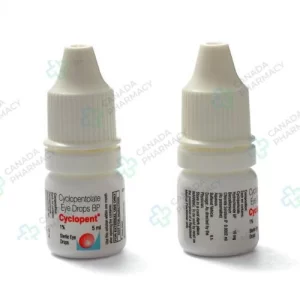
Cyclogyl
$ 32,00
Active substance: Cyclopentolate ophthalmic
More Details
This product has multiple variants. The options may be chosen on the product page
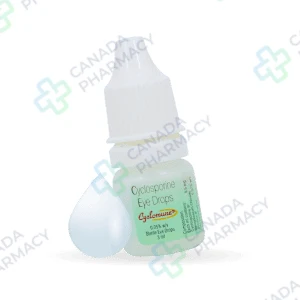
Cyclomune Eye Drops
Price range: $ 13,00 through $ 69,00
Active substance: Cyclosporine
More Details
This product has multiple variants. The options may be chosen on the product page
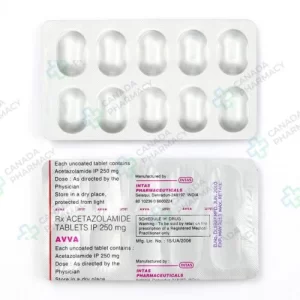
Diamox
Price range: $ 60,00 through $ 144,00
Active substance: Acetazolamide
More Details
This product has multiple variants. The options may be chosen on the product page
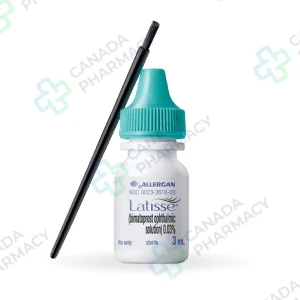
Latisse Ophthalmic Solution
Price range: $ 35,00 through $ 165,00
Active substance: Bimatoprost Ophthalmic Solution
More Details
This product has multiple variants. The options may be chosen on the product page
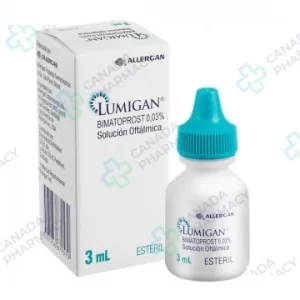
Lumigan
Price range: $ 53,00 through $ 490,00
Active substance: Bimatoprost
More Details
This product has multiple variants. The options may be chosen on the product page
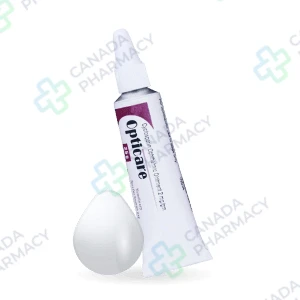
Opticare Ointment
Price range: $ 26,00 through $ 98,00
Active substance: Cyclosporine
More Details
This product has multiple variants. The options may be chosen on the product page
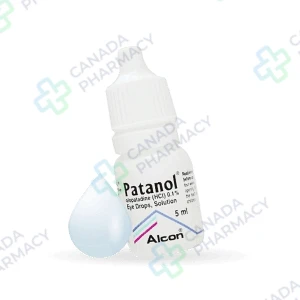
Patanol eye
Price range: $ 10,00 through $ 40,00
Active substance: Olopatadine
More Details
This product has multiple variants. The options may be chosen on the product page