

Crestor
Price range: $ 50,00 through $ 435,00
Cyclomune Eye Drops
Price range: $ 13,00 through $ 69,00
Cyclogyl
$ 32,00
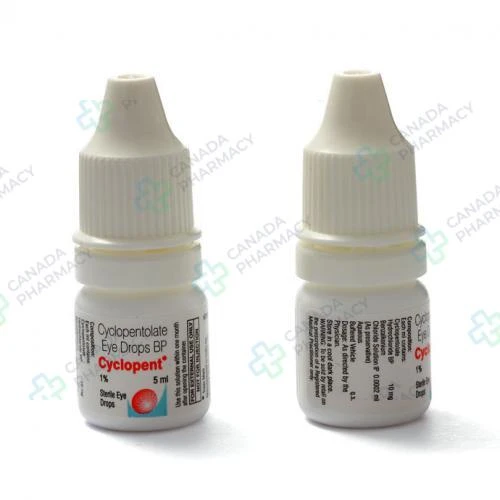
Cyclogyl is a specialized ophthalmic solution primarily used to induce mydriasis and cycloplegia for comprehensive eye examinations. The active ingredient, cyclopentolate hydrochloride, works by temporarily relaxing the muscles in the eye to allow the pupil to dilate fully. This effect is essential for healthcare providers to perform accurate refraction tests and detailed inspections of the retina and lens. Beyond diagnostics, it is also utilized to manage certain inflammatory conditions of the eye by preventing painful muscle spasms. Its rapid onset and predictable duration of action make it a reliable choice for pre-operative preparation and routine clinical procedures.
Active substance: Cyclopentolate ophthalmic
Delivery: 5–21 days (depending on the shipping method)
Extra 10% discount with coupon: IT4K6SVM
Each dosage option has its own packaging choices.
Description
Cyclogyl (cyclopentolate hydrochloride ophthalmic solution) belongs to the pharmacological class of anticholinergic mydriatic and cycloplegic agents. As a prescription-only drug regulated by the FDA, it is indicated for clinical use during diagnostic ophthalmic procedures.
The primary active ingredient in Cyclogyl is cyclopentolate hydrochloride, formulated in liquid eye drop concentrations including 0.5%, 1%, and 2%. By temporarily blocking cholinergic nerve impulses in ocular tissues, the medication relaxes internal eye muscles to enable detailed examination of the posterior eye segment and accurate optical refraction.
| Parameter | Details |
|---|---|
| Active ingredient | Cyclopentolate hydrochloride |
| Therapeutic class | Anticholinergic / Mydriatic and Cycloplegic |
| Dosage form | Ophthalmic solution (eye drops) |
| Route of administration | Ocular instillation |
| Primary purpose | Pupil dilation and cycloplegic refraction |
| Prescription status | Prescription (Rx) only |
Clinical Pharmacology and Indications
Main Uses and Mechanism of Action
Main Uses
Cyclogyl is indicated for diagnostic procedures requiring mydriasis (dilation of the pupil) and cycloplegia (paralysis of the ciliary muscle). In routine ophthalmic practice, practitioners administer Cyclogyl to perform funduscopic examinations, detailed retinal evaluations, and cycloplegic refraction. Cycloplegic refraction is particularly essential in pediatric patients, as active visual accommodation can obscure underlying refractive errors such as hyperopia or latent strabismus. Additionally, Cyclogyl is sometimes utilized off-label in the management of inflammatory eye conditions such as anterior uveitis or iridocyclitis. In off-label inflammatory management, the medication aids in preventing posterior synechiae formation and relieving painful ciliary muscle spasms, though dosing schedules for inflammation differ markedly from single-dose diagnostic regimens.
How the Drug Works
The mechanism of action of Cyclogyl involves competitive inhibition of acetylcholine at muscarinic acetylcholine receptors located within ocular tissues. Cyclopentolate hydrochloride prevents response to cholinergic stimulation in both the sphincter muscle of the iris and the ciliary body muscle. By blocking muscarinic receptors in the iris sphincter, the muscle fails to constrict, resulting in pupil dilation (mydriasis). Simultaneously, blockade of muscarinic receptors in the ciliary muscle prevents accommodation, locking the lens in a fixed focus for distance vision (cycloplegia). This dual pharmacological action allows clinicians to inspect the retina and perform objective refractive measurements without interference from involuntary accommodation.
Pharmacokinetics and Visual Effects
What Happens in the Body
Following ocular instillation into the conjunctival sac, Cyclogyl rapidly penetrates local eye structures. Maximum pupil dilation (mydriasis) is generally achieved within 30 to 60 minutes after instillation. Peak paralysis of accommodation (cycloplegia) typically occurs within 25 to 75 minutes post-instillation. The duration of cycloplegic action ranges from 6 to 24 hours, depending on individual physiological variability, concentration instilled, and iris pigmentation (darker irides may exhibit slower onset and prolonged recovery times). A portion of topically administered cyclopentolate undergoes systemic absorption via drainage through the nasolacrimal duct into the nasal mucosa. Systemic absorption bypasses hepatic first-pass metabolism, which can occasionally lead to systemic anticholinergic responses.
First Days of Treatment
When receiving Cyclogyl for diagnostic testing or initial therapeutic care, patients should expect immediate alterations in visual function. Transient stinging, burning, or mild ocular discomfort frequently occurs immediately upon drop instillation. Within 15 to 30 minutes, near vision becomes significantly blurred, and sensitivity to light (photophobia) increases as the pupil expands. Patients are advised to bring protective dark sunglasses to their appointment to wear post-examination. Activities requiring focused near vision or sharp visual acuity–such as operating heavy machinery, driving a vehicle, or reading fine print–should be suspended until mydriatic and cycloplegic effects fully resolve.
Administration, Precautions, and Safety
Dosing Schedule and Safety Considerations
Dosing Schedule and Administration
Cyclogyl ophthalmic solution is administered under professional supervision or according to specific healthcare provider instructions. For adult diagnostic refraction, the standard protocol typically involves instilling one or two drops of the 1% solution into the conjunctival sac of the eye, which may be repeated after 5 to 10 minutes if necessary. In pediatric patients, prescribers frequently select 0.5% or 1% solutions based on age and clinical indications, applying a single drop followed by manual nasolacrimal compression. Nasolacrimal compression–applying light digital pressure to the inner lacrimal sac for 1 to 2 minutes after instillation–significantly reduces systemic drug absorption through the tear duct. Contact lenses must be removed prior to instillation and should not be reinserted for at least 15 minutes or until full recovery occurs.
Adverse Reactions
Adverse reactions from Cyclogyl encompass both localized ocular responses and systemic anticholinergic effects. Commonly observed ocular side effects include transient burning, eye stinging, conjunctival hyperemia, ocular irritation, increased intraocular pressure, photophobia, and blurred vision. Systemic adverse reactions resulting from nasolacrimal absorption may include dry mouth, facial flushing, dry skin, tachycardia, urinary retention, fever, and reduced gastrointestinal motility. Central nervous system adverse effects have also been documented, including restlessness, confusion, speech difficulties, memory impairment, ataxia, hallucinations, and behavioral disturbances. Systemic and central nervous system effects are more frequently observed in pediatric patients and elderly individuals.
Important Precautions
Cyclogyl is contraindicated in individuals with known narrow-angle glaucoma or anatomically narrow anterior chamber angles, as mydriasis can precipitate acute angle-closure glaucoma–a medical emergency characterized by a rapid spike in intraocular pressure. Angle evaluation should precede the administration of mydriatics. Caution is advised when considering Cyclogyl in patients with pre-existing cardiovascular conditions, hypertension, hyperthyroidism, or urinary outflow obstruction. Pediatric populations, particularly low-birth-weight infants and young children, require extreme care due to heightened susceptibility to systemic cyclopentolate toxicity and behavioral changes; infants should be monitored closely for a minimum of 30 minutes following instillation.
Red Flags
Immediate medical care must be sought if a patient experiences severe ocular pain, rapid vision loss, severe headache, or visual halos around light sources following Cyclogyl instillation, as these are hallmark symptoms of acute angle-closure glaucoma. Emergency assistance is also required if signs of systemic toxicity or severe hypersensitivity occur. These red flag symptoms include swelling of the face, lips, tongue, or throat; difficulty breathing; rapid or irregular heartbeat; extreme agitation; acute confusion; visual or auditory hallucinations; high fever; or total urinary retention.
Interactions, Special Groups, and Storage
Compatibility with Other Medicines
Concomitant use of Cyclogyl with other medications possessing anticholinergic properties can lead to additive pharmacological effects. Co-administration with systemic anticholinergics, antihistamines, tricyclic antidepressants, phenothiazines, or anti-Parkinsonian agents may exacerbate systemic anticholinergic side effects such as dry mouth, urinary hesitation, and central nervous system toxicity. Additionally, Cyclogyl can antagonize the therapeutic effects of topical ophthalmic miotics or antiglaucoma medications, including pilocarpine, carbachol, and cholinesterase inhibitors. Prescribers should review all active medications before ordering cyclopentolate drops.
Special Populations
In pregnant women, Cyclogyl should be administered only when clearly necessary and under medical guidance, as comprehensive controlled studies evaluating reproductive risk in humans are limited. It is not fully established whether cyclopentolate is excreted in human milk; caution is recommended when administered to a nursing mother. Pediatric patients, especially infants, neonates, and children with Down syndrome, spastic paralysis, or brain damage, demonstrate increased sensitivity to systemic central nervous system toxicity and require minimal effective dosing concentrations combined with post-instillation monitoring. Elderly patients are also at heightened risk for systemic anticholinergic reactions and increased intraocular pressure.
Storage and Expiration
Cyclogyl ophthalmic solution should be stored at controlled room temperature between 20°C and 25°C (68°F to 77°F), shielded from excessive heat and direct sunlight. The bottle cap must remain tightly closed when the product is not in use to preserve sterility and prevent contamination. To avoid introducing bacteria, the dropper tip must never touch the eye, eyelids, fingers, or any other surface. Unused or expired solution, as well as bottles showing discoloration or turbidity, should be discarded in accordance with local drug disposal guidance. Keep all medications out of reach of children and pets.
Common Questions
How long does vision remain blurry after receiving Cyclogyl drops?
Visual blurriness and light sensitivity typically peak within 30 to 75 minutes post-instillation. Near-vision reading ability and pupil dilation generally recover within 6 to 24 hours. However, individual recovery times vary, and some patients may experience mild dilation or reduced accommodation for up to 36 to 48 hours depending on dosage concentration and light iris pigmentation.
Is it safe to drive home after receiving Cyclogyl during an eye exam?
Driving is not recommended immediately following the instillation of Cyclogyl drops. Because the medication temporarily paralyzes near visual accommodation and causes significant pupil enlargement, depth perception, visual clarity, and glare recovery are impaired. Patients should arrange alternative transportation or wait until visual acuity and light sensitivity return to safe functional levels.
Why is inner-corner pressure (nasolacrimal occlusion) recommended after instillation?
Applying gentle digital pressure to the inner corner of the eye (nasolacrimal duct) for 1 to 2 minutes after applying Cyclogyl drops blocks liquid drainage into the nasal cavity. This step reduces systemic drug absorption through the nasal mucosa, thereby minimizing the risk of systemic anticholinergic side effects such as dry mouth, rapid heart rate, or behavioral changes.
What specific signs of toxicity should parents monitor in children following an exam?
Parents should observe pediatric patients for signs of systemic anticholinergic toxicity for several hours post-instillation. Symptoms to watch for include unusual restlessness, behavioral changes, flushed skin, dry mouth, fever, unsteadiness when walking, confusion, or difficulty urinating. If severe behavioral disturbance or high fever occurs, contact a healthcare provider immediately.
Can Cyclogyl be used while wearing soft contact lenses?
Soft contact lenses must be removed prior to the administration of Cyclogyl ophthalmic solution. The solution contains preservatives such as benzalkonium chloride, which can be absorbed by soft lenses and cause ocular tissue irritation. Contact lenses should not be reinserted for at least 15 minutes after instillation or until mydriatic effects have fully dissipated.
This text is for informational purposes only and does not constitute individual medical advice.
In accordance with FDA requirements.
Additional information
| Dosage |
5 ml |
|---|---|
| Package |
6 bottles |
| Ενεργός Ουσία |
Related products
Besivance Ophthalmic Solution
Price range: $ 45,00 through $ 88,00
Active substance: Besifloxacin
More Details
This product has multiple variants. The options may be chosen on the product page
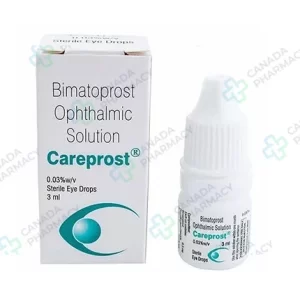
Careprost
Price range: $ 42,00 through $ 367,00
Active substance: Bimatoprost
More Details
This product has multiple variants. The options may be chosen on the product page
Ophthacare
$ 49,00
Active substance: Damask Rose, Honey
More Details
This product has multiple variants. The options may be chosen on the product page
Opticare Ointment
Price range: $ 26,00 through $ 98,00
Active substance: Cyclosporine
More Details
This product has multiple variants. The options may be chosen on the product page
Patanol eye
Price range: $ 10,00 through $ 40,00
Active substance: Olopatadine
More Details
This product has multiple variants. The options may be chosen on the product page
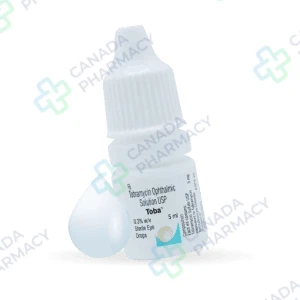
Toba Eye Drops
Price range: $ 11,00 through $ 31,00
Active substance: Tobramycin
More Details
This product has multiple variants. The options may be chosen on the product page
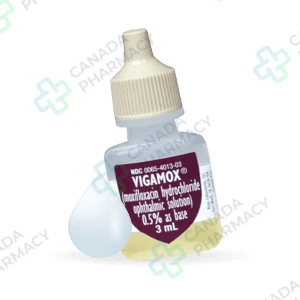
Vigamox Ophthalmic Solution
Price range: $ 24,00 through $ 69,00
Active substance: Moxifloxacin
More Details
This product has multiple variants. The options may be chosen on the product page
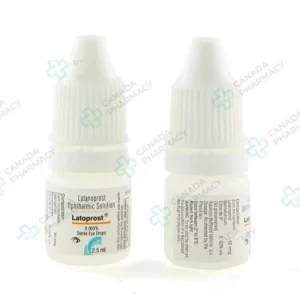
Xalatan
Price range: $ 74,00 through $ 405,00
Active substance: xalatan
More Details
This product has multiple variants. The options may be chosen on the product page