

-12%
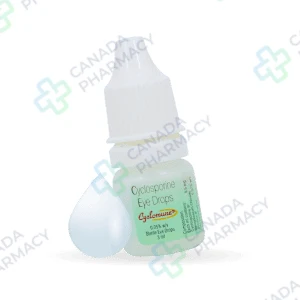
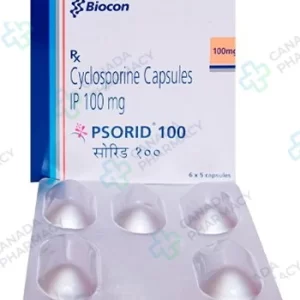
Cyclomune Eye Drops
Price range: $ 13,00 through $ 69,00
Cyclomune Eye Drops are a specialized ophthalmic solution designed to treat chronic dry eye disease caused by inflammation. The active ingredient, Cyclosporine, works by modulating the immune response to help restore the eyes’ natural ability to produce tears. This medication effectively reduces the persistent discomfort, grittiness, and redness associated with keratoconjunctivitis sicca. Regular use helps improve the overall health of the ocular surface and provides long-lasting relief from chronic dryness. These drops are a reliable option for individuals seeking to manage ocular inflammation and maintain consistent eye moisture throughout the day.
Active substance: Cyclosporine
Delivery: 5–21 days (depending on the shipping method)
Extra 10% discount with coupon: IT4K6SVM
Each dosage option has its own packaging choices.
Description
Cyclomune belongs to a class of topical ophthalmic medications known as calcineurin inhibitor immunomodulators. It is formulated as an eye drop designed to help manage chronic dry eye disease by addressing underlying ocular surface inflammation. In clinical practice, this prescription therapy is used when decreased tear production is presumed to be suppressed due to active ocular inflammation.
Topical ophthalmic cyclosporine is dispensed in accordance with applicable federal and state regulations. Because dry eye symptoms can stem from diverse etiologies, proper evaluation by an eye care professional is essential prior to initiating therapy.
| Active ingredient (INN) | Cyclosporine |
| Therapeutic class | Ophthalmic immunomodulator |
| Dosage form | Ophthalmic emulsion / eye drops |
| Route of administration | Topical ocular |
| Primary purpose | Increased tear production in inflammatory dry eye syndrome |
| Prescription status | Prescription only (Rx) |
Key Medical Overview
Main uses
Cyclomune eye drops are primarily indicated to increase tear production in patients whose natural tear secretion is suppressed owing to ocular inflammation associated with keratoconjunctivitis sicca (chronic dry eye syndrome). On one hand, the medication offers a targeted biological approach by addressing chronic inflammatory processes on the ocular surface. On the other hand, it is not indicated for individuals whose dry eye symptoms are caused by mechanical obstruction of the lacrimal passages or purely evaporative mechanisms secondary to meibomian gland dysfunction without an inflammatory component.
In specialized clinical settings, ophthalmic cyclosporine is sometimes evaluated for off-label indications. These include the management of vernal keratoconjunctivitis and ocular graft-versus-host disease (oGVHD). When used for these non-label indications, therapy must be strictly supervised by an ophthalmologist, as safety and dosing regimens may differ from standard chronic dry eye protocols.
How the drug works
The therapeutic effect of Cyclomune relies on its action as a localized immunomodulatory agent. Active cyclosporine acts as a calcineurin inhibitor, binding intracellularly to cyclophilin. This complex inhibits calcineurin, a phosphatase enzyme required for the activation of nuclear factor of activated T-cells (NF-AT). Consequently, the transcription and release of pro-inflammatory cytokines, specifically interleukin-2 (IL-2), are inhibited.
By dampening T-lymphocyte activation within the conjunctiva and lacrimal glands, the medication reduces localized ocular surface inflammation. Over time, reducing lymphocyte infiltration allows lacrimal acinar tissue to recover, leading to a restored capacity for natural tear secretion.
What you may notice early on
Starting treatment with Cyclomune requires realistic expectations regarding the timeline of therapeutic response. Patients accustomed to over-the-counter artificial tears often expect immediate relief; however, immunomodulatory drops operate through a cumulative biological mechanism. During the first two to four weeks of daily use, mild local discomfort such as transient burning or stinging is frequently reported. Noticeable improvements in ocular comfort and natural tear volume generally develop gradually over four to twelve weeks of consistent application.
Dosing schedule
The standard recommended dosage for adults with inflammatory dry eye disease is one drop in each affected eye twice daily, administered approximately 12 hours apart. Before applying the drops, single-dose vials or specialized multi-dose bottles should be gently inverted several times to ensure a uniform emulsion.
Proper technique requires washing hands thoroughly before application. Contact lenses should be removed prior to instilling the drops, as formulation components can be absorbed by soft lens materials. Lenses may be reinserted 15 minutes after administration. If other topical ophthalmic drugs are prescribed, they should be administered at least 15 minutes apart from Cyclomune to prevent dilution or rapid washout of the active ingredient.
Signs of improvement
Evaluating the efficacy of Cyclomune involves assessing both patient-reported symptoms and objective clinical parameters. Patients typically observe a progressive reduction in persistent gritty sensations, photophobia, and eye fatigue. Clinically, eye care providers evaluate effectiveness using diagnostic tools such as the Schirmer test (measuring tear volume) and fluorescein staining of the cornea to detect healing of the corneal epithelium.
Adverse reactions
While Cyclomune is generally well-tolerated due to its localized action, side effects can occur. The most common adverse reaction reported in clinical trials is a temporary burning or stinging sensation upon instillation, affecting up to 17% of users. Other less frequent local reactions include ocular hyperemia (eye redness), excessive lacrimation (tearing), eye pain, discharge, foreign body sensation, and temporary visual blurring immediately following application.
Systemic adverse events are exceptionally rare because systemic absorption following topical administration is minimal. Patients experiencing severe, persistent ocular pain, severe swelling of the eyelids, or marked vision changes should consult their eye care provider promptly.
Compatibility with other medicines
Because systemic concentrations of cyclosporine remain below quantifiable thresholds (< 0.1 ng/mL) during standard topical ocular use, the risk of systemic cytochrome P450-mediated drug interactions is negligible. However, physical and pharmacokinetic interactions can occur locally on the ocular surface. Co-administering Cyclomune simultaneously with other ophthalmic drops can wash out the active ingredient. Maintaining a minimum 15-minute window between different eye preparations preserves optimal tissue absorption.
What happens in the body
Following topical application to the eye, cyclosporine penetrates the cornea and conjunctival tissues locally. Systemic absorption into the bloodstream is minimal; blood concentration monitoring in clinical trials consistently shows levels below 0.1 ng/mL. The drug does not accumulate systemically during long-term topical administration. Any minute amounts absorbed systemically are metabolized by the liver via the CYP3A4 pathway and excreted primarily through bile.
Before you take it
Cyclomune is contraindicated in patients with active ocular infections, including active viral keratitis (such as herpes simplex keratitis), fungal infections, or purulent bacterial conjunctivitis. Inhibiting localized immune responses in the presence of an active infection can exacerbate tissue damage.
Regarding special populations: safety and effectiveness have not been established in pediatric patients under 16 years of age. For pregnant or nursing women, systemic exposure is low, but adequate and well-controlled clinical studies are limited. Prescribers evaluate whether the potential benefit justifies potential risks to the fetus or infant.
Storage and expiration
Cyclomune eye drops should be stored at controlled room temperature, between 59°F and 77°F (15°C to 25°C). The container must be protected from excessive heat, freezing, and direct light exposure. If using unpreserved single-use containers, any unused contents must be discarded immediately after a single application. Avoid touching the dropper tip to the eye, fingers, or any exterior surface to maintain sterility.
Frequently Asked Questions
How long does it take for Cyclomune to show noticeable results?
Therapeutic benefits accumulate slowly over time. While some patients observe slight improvements within four weeks, significant increases in tear production and reduction of surface inflammation typically take eight to twelve weeks of consistent, twice-daily administration.
Is it normal to feel a burning sensation after putting in the drops?
Yes, transient burning or stinging immediately after instillation is the most common side effect of topical cyclosporine. This reaction often decreases in intensity after the first few weeks of regular use as the ocular surface adapts to the formulation.
Can I wear contact lenses during treatment with Cyclomune?
You can continue wearing contact lenses, but they must be removed prior to instilling the drops. Wait at least 15 minutes after applying Cyclomune before reinserting soft or rigid gas-permeable contact lenses.
What should I do if I miss a scheduled dose?
If a dose is missed, apply the drop as soon as remembered, unless it is almost time for the next scheduled dose. Do not double the dose to make up for a missed application; resume the regular twice-daily routine.
Can artificial tears be used alongside Cyclomune?
Yes, lubricating artificial tears can be used to manage acute dry eye discomfort while waiting for Cyclomune to take full effect. Always allow a gap of at least 15 minutes between applying artificial tears and Cyclomune drops.
Information on this page is for reference and does not replace an assessment by a licensed healthcare professional. In accordance with FDA requirements.
Additional information
| Dosage |
0.05% 3 ml |
|---|---|
| Package |
1 bottles ,3 bottles ,6 bottles |
| Ενεργός Ουσία |
Related products
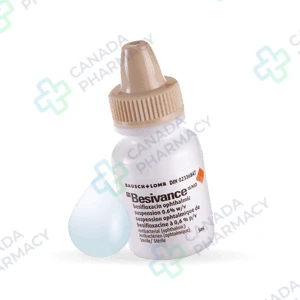
Besivance Ophthalmic Solution
Price range: $ 45,00 through $ 88,00
Active substance: Besifloxacin
More Details
This product has multiple variants. The options may be chosen on the product page
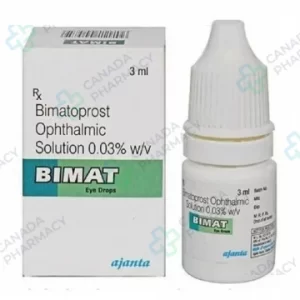
Bimat
Price range: $ 60,00 through $ 330,00
Active substance: Bimatoprost
More Details
This product has multiple variants. The options may be chosen on the product page
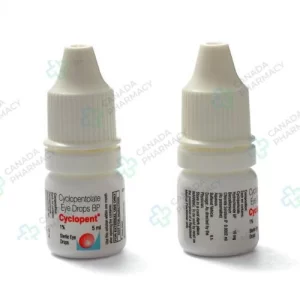
Cyclogyl
$ 32,00
Active substance: Cyclopentolate ophthalmic
More Details
This product has multiple variants. The options may be chosen on the product page
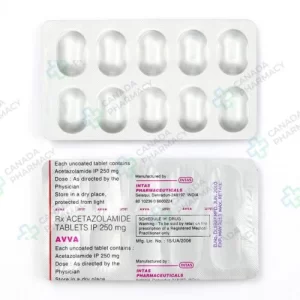
Diamox
Price range: $ 60,00 through $ 144,00
Active substance: Acetazolamide
More Details
This product has multiple variants. The options may be chosen on the product page
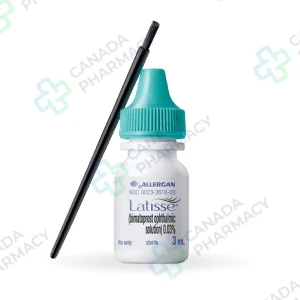
Latisse Ophthalmic Solution
Price range: $ 35,00 through $ 165,00
Active substance: Bimatoprost Ophthalmic Solution
More Details
This product has multiple variants. The options may be chosen on the product page
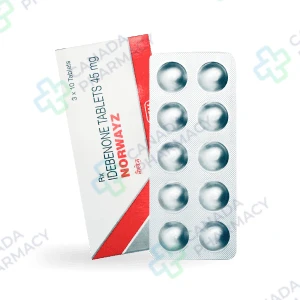
Norwayz
Price range: $ 49,00 through $ 69,00
Active substance: Idebenone
More Details
This product has multiple variants. The options may be chosen on the product page
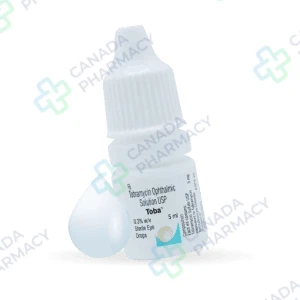
Toba Eye Drops
Price range: $ 11,00 through $ 31,00
Active substance: Tobramycin
More Details
This product has multiple variants. The options may be chosen on the product page
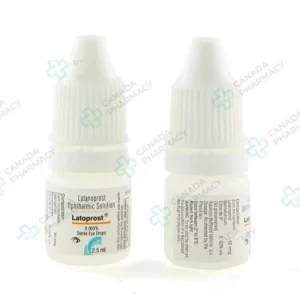
Xalatan
Price range: $ 74,00 through $ 405,00
Active substance: xalatan
More Details
This product has multiple variants. The options may be chosen on the product page