

-6%

Tiger King
Price range: $ 10,00 through $ 73,00
Triamcinolone
Price range: $ 45,00 through $ 289,00
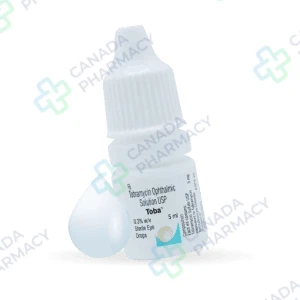
Toba Eye Drops
Price range: $ 11,00 through $ 31,00
Toba Eye Drops are a specialized ophthalmic solution formulated to effectively treat external bacterial infections of the eye. Containing Tobramycin as the active ingredient, this medication works by inhibiting the growth of harmful bacteria that cause irritation and redness. It is specifically indicated for managing conditions such as bacterial conjunctivitis and inflammation of the eyelids. The sterile solution is designed for easy application, providing targeted relief directly to the affected ocular tissues. Regular use helps to clear clinical symptoms and restore overall eye health by eliminating the underlying bacterial source.
Active substance: Tobramycin
Delivery: 5–21 days (depending on the shipping method)
Extra 10% discount with coupon: IT4K6SVM
Each dosage option has its own packaging choices.
Description
Toba Eye Drops belong to the class of aminoglycoside antibiotic ophthalmic preparations prescribed for superficial ocular infections. Prescribed in accordance with federal regulations, this formulation targets susceptible bacterial pathogens residing on the conjunctival and corneal surfaces. Its primary action involves the targeted disruption of bacterial protein synthesis to control localized external eye infections.
This medication is dispensed strictly as a prescription (Rx) product under the supervision of a licensed healthcare provider. Patients prescribed this ophthalmic solution must follow exact professional guidance regarding dosage frequency and treatment duration to ensure therapeutic efficacy and minimize resistance risks.
| Drug name | Toba Eye Drops |
| Active ingredient (INN) | Tobramycin (0.3%) |
| Therapeutic class | Ophthalmic Aminoglycoside Antibiotic |
| Dosage form | Ophthalmic Solution |
| Route of administration | Ocular (Topical) |
| Prescription status | Prescription Only (Rx) |
Clinical Profile and Pharmacology
How the drug works
Tobramycin, the active substance in Toba Eye Drops, is a water-soluble aminoglycoside antibiotic possessing broad-spectrum bactericidal activity. It acts primarily on susceptible bacterial cells by binding irreversibly to the 30S ribosomal subunit. This binding inhibits protein synthesis by interfering with the initiation complex and inducing misreading of messenger RNA code. Consequently, vital bacterial structural and functional proteins are improperly assembled, leading to cell membrane damage and rapid bacterial death. The activity spectrum includes common ocular pathogens such as Staphylococcus aureus, Staphylococcus epidermidis, Streptococcus pneumoniae, and Gram-negative organisms including Pseudomonas aeruginosa, Escherichia coli, and Klebsiella pneumoniae. It does not possess antiviral or antifungal properties.
What it’s used for
Toba Eye Drops are indicated for the topical treatment of external bacterial infections of the eye and its adnexa. Standard clinical applications include acute bacterial conjunctivitis, blepharitis, blepharoconjunctivitis, keratitis, and dacryocystitis caused by susceptible bacterial strains. Off-label use may occasionally include prophylactic administration following specific ophthalmic surgical procedures or minor ocular trauma when risk of bacterial contamination is elevated; however, such applications require explicit authorization from a healthcare professional. This formulation is ineffective against viral conjunctivitis (such as adenovirus infection), fungal keratitis, or allergic eye conditions.
Dosing schedule
In mild to moderate bacterial ocular infections, the standard recommended dosage is one to two drops instilled into the affected eye(s) every four hours. In severe or acute ocular infections, dosing may be increased to two drops every hour until clinical improvement is observed, after which the frequency is gradually reduced prior to discontinuation. Instillation technique requires washing hands thoroughly, tilting the head back, gently pulling down the lower eyelid, and instilling the prescribed number of drops into the conjunctival sac without touching the dropper tip to the eye, eyelid, or surrounding surfaces. The duration of therapy generally ranges from 7 to 10 days, depending on the severity of infection and clinical response.
How it’s absorbed and eliminated
Topical ocular administration of tobramycin results in high localized drug concentrations within the cornea and conjunctival tissue while minimizing systemic absorption. Systemic absorption following topical application is minimal, with serum concentrations frequently remaining below detectable limits (less than 1 mcg/mL). Any small amount of tobramycin absorbed systemically through the nasolacrimal duct is excreted primarily unchanged by the kidneys via glomerular filtration. The terminal elimination half-life of systemically absorbed tobramycin ranges from approximately 2 to 3 hours in individuals with normal renal function. Ocular clearance occurs via tears and nasolacrimal drainage over several hours following instillation.
Administration and Safety Guidelines
Adverse reactions
Local ocular reactions are the most common adverse events associated with tobramycin ophthalmic solution. Clinical data indicate that localized hypersensitivity symptoms occur in a small percentage of patients. Commonly reported side effects include mild transient ocular burning, stinging, itching, conjunctival erythema, localized eyelid edema, and punctate keratitis. Less frequently, patients may experience tearing, eye discomfort, or foreign body sensation. Prolonged use may occasionally lead to bacterial superinfection or fungal overgrowth. Systemic side effects are extremely rare due to minimal systemic bioavailability, but hypersensitivity reactions matching systemic aminoglycoside toxicity could theoretically occur in highly sensitive individuals.
Compatibility with other medicines
Concurrent topical administration of multiple ophthalmic medications requires an interval of at least 5 to 10 minutes between instillation of each product to prevent washing out the active ingredient. Co-administration of topical tobramycin with systemic aminoglycoside antibiotics (such as intravenous gentamicin or amikacin) requires monitoring of total serum drug levels, as additive toxicities could theoretically occur. Avoid concurrent use of other neurotoxic, ototoxic, or nephrotoxic agents when systemic exposure risk is present. Always inform your healthcare provider of all prescription drops, over-the-counter preparations, and vitamins currently in use.
Important precautions
Toba Eye Drops should never be used in patients with a history of severe hypersensitivity to tobramycin or any other aminoglycoside antibiotic, as cross-sensitivity may occur. Contact lenses should be removed prior to instillation of the drops, as preservatives such as benzalkonium chloride may be absorbed by soft contact lenses and cause corneal irritation. Lenses may typically be reinserted 15 minutes post-administration if allowed by the prescribing practitioner, though wearing contact lenses during active ocular bacterial infections is generally discouraged. Extended use of topical antibiotics may result in overgrowth of non-susceptible organisms, including fungi. If superinfection occurs or clinical symptoms fail to improve within several days, immediate medical evaluation is mandatory.
Practical tips
To apply the drops correctly, tilt your head backward, pull down your lower eyelid to form a small pocket, look upward, and squeeze one drop into the sac. Close your eye gently for 1 to 2 minutes while pressing lightly on the inner corner of the eye (nasolacrimal occlusion). This simple maneuver minimizes systemic absorption through the tear duct and maximizes local therapeutic effect. Keep the container tightly closed when not in use and avoid touching the tip to any surface.
Special populations
Safety and efficacy of tobramycin eye drops in pediatric patients under 2 months of age have not been definitively established. For pregnant patients, tobramycin falls under FDA Pregnancy Category B (or standard safety warnings regarding systemic exposure); topical use is generally considered low-risk due to minimal absorption, but it should be used during pregnancy only if clearly needed. Breastfeeding mothers should exercise caution, although systemic levels in breast milk following ophthalmic use are negligible. Elderly patients generally require no dosage adjustment unless concurrent severe ocular conditions exist.
If you skip a dose
If a scheduled dose is missed, apply the drops as soon as you remember. If it is nearly time for your next scheduled instillation, skip the missed dose entirely and return to your prescribed dosing schedule. Never instil extra drops or double the dose to compensate for a skipped application, as this does not accelerate healing and may increase the risk of localized irritation.
Storage and expiration
Store Toba Eye Drops at controlled room temperature between 68°F and 77°F (20°C to 25°C), away from direct light, excessive heat, and moisture. Keep the bottle tightly closed when not in use. Discard any remaining solution within 28 days after first opening the container or upon reaching the printed expiration date on the packaging, whichever occurs first. Keep this and all medications out of the reach of children.
Frequently Asked Questions
How long does it usually take for Toba Eye Drops to show clinical improvement?
Initial symptomatic relief, such as reduced discharge or decreased redness, typically begins within 24 to 48 hours of starting treatment. However, it is essential to complete the full course prescribed by your practitioner, even if symptoms subside early. Stopping treatment prematurely may allow surviving bacteria to multiply, leading to infection recurrence or antibiotic resistance.
Can I wear soft contact lenses while using Toba Eye Drops?
Wearing contact lenses during an active bacterial eye infection is strongly discouraged because lenses can trap bacteria and aggravate corneal inflammation. Additionally, the preservative benzalkonium chloride present in many eye drop formulations can be absorbed by soft lenses, causing irritation. Lenses should be removed prior to instillation and reinserted only when cleared by your eye care specialist.
What happens if I accidentally instil more drops than prescribed?
An accidental overdose of topical tobramycin eye drops is unlikely to cause severe systemic harm because the eye can only hold approximately one drop at a time, and excess liquid naturally drains out. You may experience temporary tearing, mild stinging, or redness. Flush the eye gently with sterile saline or clean water if irritation persists, and contact a healthcare professional if discomfort continues.
Is temporary blurred vision normal immediately after instilling the drops?
Yes, transient blurring of vision is a common occurrence immediately following the application of ophthalmic solutions due to the liquid film spreading across the cornea. This effect typically resolves within a few minutes. Avoid driving, operating machinery, or performing activities requiring clear visual acuity until your vision becomes fully crisp again.
Can Toba Eye Drops be used to treat viral conjunctivitis or eye allergies?
No, tobramycin is a targeted antibacterial agent that works exclusively against susceptible bacterial organisms. It is completely ineffective against viral eye infections (such as epidemic keratoconjunctivitis) or non-infectious inflammatory conditions like seasonal allergic conjunctivitis. Using an antibiotic for non-bacterial conditions provides no clinical benefit and increases resistance risks.
Information derived in accordance with FDA regulatory guidelines for ophthalmic anti-infective preparations.
This text is for informational purposes only and does not constitute individual medical advice.
Additional information
| Dosage |
0.3% 5 ml |
|---|---|
| Package |
3 flacons ,6 flacons ,9 flacons |
| Ενεργός Ουσία |
Related products
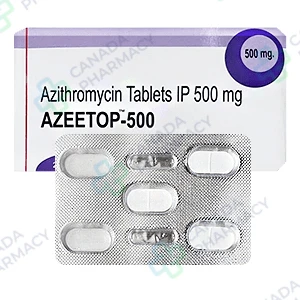
Azeetop
Price range: $ 40,00 through $ 250,00
Active substance: Azithromycin
More Details
This product has multiple variants. The options may be chosen on the product page
Azithromycin DT
Price range: $ 60,00 through $ 972,00
Active substance: Azithromycin
More Details
This product has multiple variants. The options may be chosen on the product page
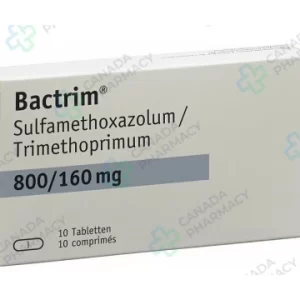
Bactrim
Price range: $ 41,00 through $ 196,00
Active substance: sulfamethoxazole, trimethoprim
More Details
This product has multiple variants. The options may be chosen on the product page
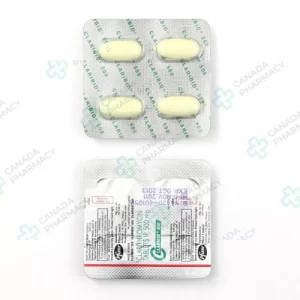
Biaxin
Price range: $ 107,00 through $ 427,00
Active substance: Clarithromycin
More Details
This product has multiple variants. The options may be chosen on the product page
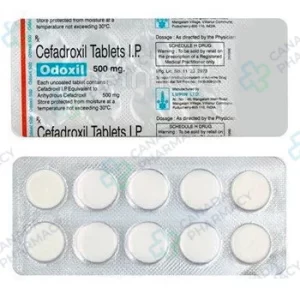
Cefadroxil
Price range: $ 41,00 through $ 349,00
Active substance: cefadroxil
More Details
This product has multiple variants. The options may be chosen on the product page
Cefixime
Price range: $ 101,00 through $ 509,00
Active substance: cefixime
More Details
This product has multiple variants. The options may be chosen on the product page
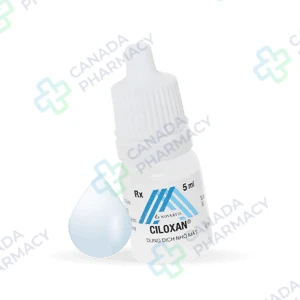
Ciloxan Ophthalmic Solution
Price range: $ 50,00 through $ 63,00
Active substance: Ciprofloxacin hydrochloride
More Details
This product has multiple variants. The options may be chosen on the product page
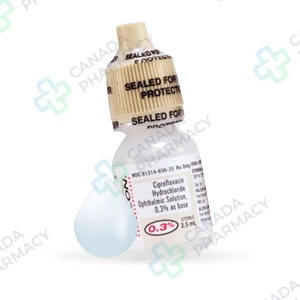
Ciprodex Ophthalmic Solution
Price range: $ 63,00 through $ 95,00
Active substance: Ciprofloxacin, Dexamethasone
More Details
This product has multiple variants. The options may be chosen on the product page