

-46%
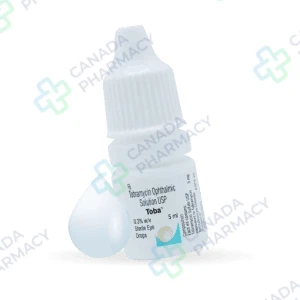
Toba Eye Drops
Price range: $ 11,00 through $ 31,00
Triphala
Price range: $ 7,00 through $ 18,00
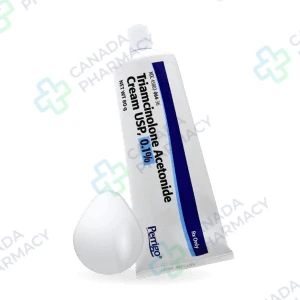
Triamcinolone
Price range: $ 45,00 through $ 289,00
Triamcinolone is a versatile corticosteroid used to alleviate inflammation and suppress overactive immune responses in the body. It is highly effective in treating a variety of skin conditions, such as severe eczema, psoriasis, and dermatitis, by reducing redness and itching. This medication is also commonly utilized to manage joint pain and swelling associated with rheumatoid arthritis and other inflammatory disorders. Available in several forms, including topical creams and injections, it provides targeted relief for localized discomfort. By minimizing the production of inflammatory chemicals, Triamcinolone helps restore comfort and skin health for those suffering from chronic allergic or autoimmune symptoms.
Active substance: Triamcinolone
Delivery: 5–21 days (depending on the shipping method)
Extra 10% discount with coupon: IT4K6SVM
Each dosage option has its own packaging choices.
Description
Triamcinolone belongs to a group of synthetic corticosteroids designed to reduce inflammation, swelling, itching, and allergic reactions in the body. It is formulated in various dosage forms, including topical creams, ointments, lotions, dental pastes, nasal sprays, and injectable suspensions, depending on the targeted condition and clinical severity.
Specific formulations of triamcinolone are dispensed in accordance with applicable federal and state regulations. High-potency topical preparations, oral pastes, and injectable suspensions require a prescription from a licensed healthcare provider, whereas select low-strength formulations and nasal sprays are available over the counter under FDA regulations. Patients should utilize this medication strictly under medical supervision or according to official package instructions.
| Attribute | Details |
|---|---|
| Active Ingredient | Triamcinolone / Triamcinolone acetonide |
| Therapeutic Class | Corticosteroid (Glucocorticoid) |
| Dosage Forms | Topical cream, ointment, lotion, dental paste, injectable suspension, nasal spray |
| Route of Administration | Topical, oral mucosal, intra-articular, intramuscular, nasal |
| Prescription Status | Dispensed in accordance with applicable federal and state regulations (Rx or OTC depending on strength and form) |
| Primary Purpose | Relief of inflammatory and pruritic manifestations of corticosteroid-responsive dermatoses, oral ulcerative lesions, and allergic conditions |
Main Uses
Triamcinolone is indicated for the management of various acute and chronic inflammatory conditions. Topical formulations (creams, ointments, and lotions) are FDA-approved for the relief of the inflammatory and pruritic (itching) manifestations of corticosteroid-responsive dermatoses, such as atopic dermatitis, eczema, psoriasis, contact dermatitis, and seborrheic dermatitis. Dental paste preparations are indicated for the temporary relief of symptoms associated with oral inflammatory lesions and ulcerative lesions resulting from trauma.
Injectable suspensions of triamcinolone acetonide are administered for systemic anti-inflammatory or immunosuppressive therapy in rheumatologic disorders (such as rheumatoid arthritis or osteoarthritis), dermatologic diseases, and localized intra-articular joint inflammation. Any use of triamcinolone outside of FDA-labeled indications–such as off-label applications for specialized non-infectious inflammatory conditions–must be evaluated and managed strictly by a qualified healthcare professional.
How the Drug Works
Triamcinolone is a synthetic fluorinated corticosteroid that possesses anti-inflammatory, antipruritic, and vasoconstrictive properties. At the cellular level, corticosteroids diffuse across cell membranes and bind with specific cytoplasmic glucocorticoid receptors. This complex translocates to the cell nucleus, where it alters gene expression and protein synthesis.
Specifically, triamcinolone induces lipocortins, which inhibit phospholipase A2. This action blocks the release of arachidonic acid, thereby inhibiting the cascade synthesis of potent inflammatory mediators, including prostaglandins and leukotrienes. Additionally, triamcinolone decreases capillary permeability, reduces leukocyte migration to the site of inflammation, and suppresses localized immune responses, leading to a reduction in edema, erythema, and pruritus.
Dosing Schedule
The administration and dosing schedule for triamcinolone vary significantly depending on the specific formulation, the severity of the condition being treated, and patient response. Dosing must always be determined individually by a licensed prescriber or followed as directed on OTC product labeling.
- Topical Creams and Ointments: Typically applied as a thin film to the affected area two to four times daily, depending on the severity of the dermatosis and the potency of the preparation.
- Oral Paste: Applied in a small amount (thin film) to the oral lesion at bedtime or after meals until a smooth surface forms. The paste should not be rubbed in.
- Injectable Suspensions: Administered exclusively by a trained healthcare professional via intra-articular, intradermal, or intramuscular injection. Dosage is individualized based on joint size or disease state.
How It’s Absorbed and Eliminated
The systemic absorption of topical triamcinolone depends on multiple factors, including the integrity of the epidermal barrier, the concentration of the product, the vehicle used, and whether occlusive dressings are applied. Intact skin provides a substantial barrier, but skin inflammation, skin breakdown, or occlusive dressing use significantly increases percutaneous absorption.
Once absorbed through the skin or administered systemically, triamcinolone binds to plasma proteins (primarily albumin and corticosteroid-binding globulin). It undergoes hepatic metabolism, primary biotransformation into inactive metabolites, and subsequent clearance. The metabolites are excreted predominantly by the kidneys via urine, with a smaller fraction eliminated in the feces. The elimination half-life varies between individuals and depends on the route of administration and degree of systemic exposure.
Compatibility with Other Medicines
Topical triamcinolone applied to small surfaces generally carries a low risk of systemic drug interactions. However, when applied to extensive body surface areas, under occlusion, or when administered systemically, significant interactions can occur with concurrent medications.
- CYP3A4 Inhibitors: Co-administration with strong CYP3A4 inhibitors (such as ketoconazole or ritonavir) may decrease the clearance of systemically absorbed triamcinolone, leading to increased plasma concentrations and heightened risk of corticosteroid side effects.
- Nonsteroidal Anti-inflammatory Drugs (NSAIDs): Concomitant systemic use with NSAIDs or aspirin increases the risk of gastrointestinal ulceration and bleeding.
- Antidiabetic Agents: Systemically absorbed corticosteroids can elevate blood glucose levels, potentially requiring dosage adjustments of insulin or oral antidiabetic medications.
- Live Vaccines: Systemic corticosteroid exposure may impair immune response to live attenuated vaccines.
Adverse Reactions
Adverse reactions to triamcinolone depend heavily on the vehicle, dose, application site, duration of use, and systemic exposure. Local adverse reactions associated with topical administration are listed below.
- Burning, itching, dryness, or stinging at the application site
- Folliculitis, acneiform eruptions, or hypertrichosis (excessive hair growth)
- Hypopigmentation or skin depigmentation
- Skin atrophy (thinning of the skin), striae (stretch marks), and telangiectasia
- Allergic contact dermatitis
If sufficient systemic absorption occurs–particularly with high-potency formulations used long-term over large areas–systemic adverse effects may develop. These include reversible hypothalamic-pituitary-adrenal (HPA) axis suppression, Cushing’s syndrome, hyperglycemia, glucosuria, and altered blood pressure control.
Important Precautions
Warning: Triamcinolone preparations should not be used in the presence of untreated bacterial, fungal, or viral skin infections unless specific anti-infective therapy is co-administered. Corticosteroids can mask signs of infection or exacerbate existing cutaneous infections.
Avoid contact with eyes. Topical corticosteroids applied near the eyes should be used with caution, as systemic or topical exposure to corticosteroids has been associated with glaucoma, cataracts, and elevated intraocular pressure. If irritation or localized sensitization develops, use should be discontinued immediately and appropriate therapy instituted.
Special Populations
- Pediatric Use: Pediatric patients may demonstrate greater susceptibility to topical corticosteroid-induced HPA axis suppression and Cushing’s syndrome than adult patients because of a larger skin surface area to body mass ratio. Use in children should be limited to the lowest effective amount for the shortest duration necessary.
- Pregnancy: Corticosteroids are generally teratogenic in laboratory animals at systemic doses. Triamcinolone should be used during pregnancy only if the potential benefit justifies the potential risk to the fetus.
- Nursing Mothers: Systemically administered corticosteroids appear in human milk. It is not known whether topical administration of triamcinolone results in sufficient systemic absorption to produce detectable quantities in breast milk. Caution should be exercised when administered to a nursing woman.
If You Skip a Dose
If a topical dose of triamcinolone is missed, apply the medication as soon as remembered. However, if it is almost time for the next scheduled application, skip the missed dose and resume the regular dosing schedule. Do not apply extra cream, ointment, or lotion to make up for a missed application, as doubling up increases the risk of local skin irritation and systemic absorption.
What to Avoid While Taking It
When using topical triamcinolone, avoid applying tight-fitting clothing, bandages, or occlusive dressings over the treated area unless specifically instructed by a healthcare provider. Occlusion dramatically increases systemic drug absorption and the likelihood of adverse effects.
Avoid using harsh soaps, alcohol-containing skin products, or abrasive cleansers on the treated area, as these can increase localized skin irritation. If using systemic triamcinolone or extensive topical doses, limit alcohol intake to decrease the likelihood of gastrointestinal irritation.
Storage and Expiration
Store triamcinolone preparations at controlled room temperature between 20°C and 25°C (68°F to 77°F), with excursions permitted between 15°C and 30°C (59°F to 86°F). Protect the product from freezing, direct sunlight, and excessive moisture. Keep tubes, bottles, or jars tightly closed when not in use. Do not store topical preparations in humid environments such as bathrooms. Keep out of reach of children and pets. Properly discard any medication that has passed its expiration date.
Red Flags
While triamcinolone is generally well tolerated when used as directed, certain severe adverse reactions require immediate medical evaluation. Stop using the product and contact a medical professional if any red flags occur.
| Severe Manifestation | Immediate Action Required |
|---|---|
| Signs of severe allergic reaction (hives, facial/lip swelling, severe rash) | Seek emergency medical care immediately |
| Difficulty breathing, chest tightness, or severe wheezing | Seek emergency medical care immediately |
| Signs of severe cutaneous infection (pus, spreading redness, fever) | Discontinue use and contact your prescriber promptness |
| Signs of systemic steroid excess (rapid weight gain, extreme fatigue, severe mood changes) | Contact your healthcare provider for evaluation |
| Severe vision changes or eye pain following facial application | Consult an ophthalmologist or emergency clinician |
Common Questions
Can triamcinolone topical cream be applied to the face?
Facial skin is thinner and more susceptible to corticosteroid-induced side effects, such as skin atrophy, telangiectasia, and perioral dermatitis. Topical triamcinolone should only be used on the face if specifically directed by a physician, typically for a very short duration and using lower potency formulations.
What should I do if a skin infection develops at the application site?
Corticosteroids can suppress immune responses and allow bacterial, fungal, or viral skin infections to progress. If you notice increased redness, swelling, warmth, pus, or worsening skin lesions, discontinue application and consult your healthcare provider to initiate appropriate antimicrobial treatment.
Is it safe to cover triamcinolone cream with a bandage?
Do not cover the treated area with an occlusive dressing, plastic wrap, or tight bandage unless explicitly instructed by your prescribing doctor. Occlusion increases percutaneous absorption of the drug, which elevates the risk of systemic side effects and HPA axis suppression.
How long can triamcinolone topically be used continuously?
Topical triamcinolone preparations are generally recommended for short-term use (e.g., one to two weeks). Prolonged continuous use increases the risk of skin thinning, striae, tolerance (tachyphylaxis), and systemic absorption. Treatment duration should be dictated by your prescriber based on response and severity.
Can triamcinolone dental paste be swallowed?
Triamcinolone dental paste is intended for local mucosal application. A small amount applied to oral lesions may be swallowed incidentally during normal saliva flow without significant harm, but the product should not be intentionally swallowed in large quantities.
In accordance with FDA requirements.
Information on this page is for reference and does not replace an assessment by a licensed healthcare professional.
Additional information
| Dosage |
4 mg |
|---|---|
| Package |
30 pills ,60 pills ,90 pills ,120 pills ,180 pills ,360 pills |
| Ενεργός Ουσία |
Related products
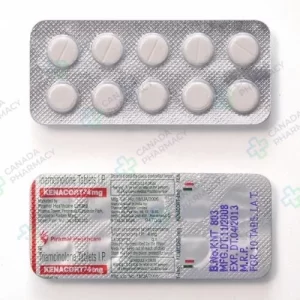
Aristocort
Price range: $ 67,00 through $ 602,00
Active substance: Triamcinolone
More Details
This product has multiple variants. The options may be chosen on the product page
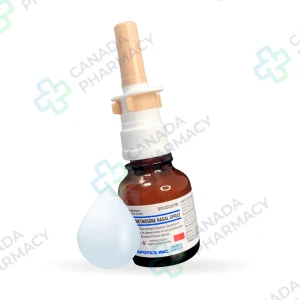
Beclamethasone
Price range: $ 60,00 through $ 205,00
Active substance: Beclomethasone Dipropionate
More Details
This product has multiple variants. The options may be chosen on the product page
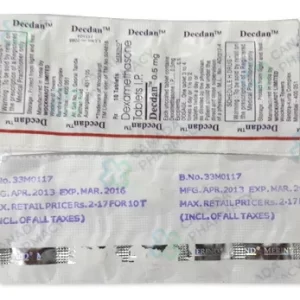
Decadron
Price range: $ 12,00 through $ 182,00
Active substance: Dexamethasone
More Details
This product has multiple variants. The options may be chosen on the product page
Doxylamine
Price range: $ 10,00 through $ 33,00
Active substance: Doxylamine succinate
More Details
This product has multiple variants. The options may be chosen on the product page
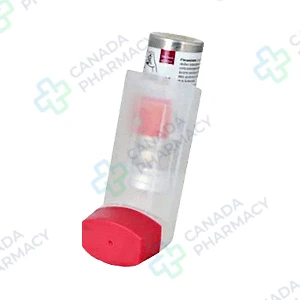
Entocort
Price range: $ 61,00 through $ 628,00
Active substance: Budesonide
More Details
This product has multiple variants. The options may be chosen on the product page
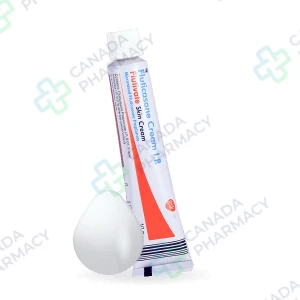
Flutivate Skin Cream
Price range: $ 24,00 through $ 91,00
Active substance: fluticasone
More Details
This product has multiple variants. The options may be chosen on the product page
Montair
Price range: $ 19,00 through $ 45,00
Active substance: Montelukast
More Details
This product has multiple variants. The options may be chosen on the product page
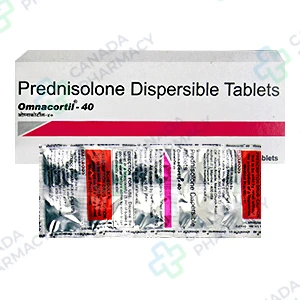
Omnacortil
Price range: $ 51,00 through $ 210,00
Active substance: prednisolone
More Details
This product has multiple variants. The options may be chosen on the product page