

-14%


Triamcinolone
Price range: $ 45,00 through $ 289,00
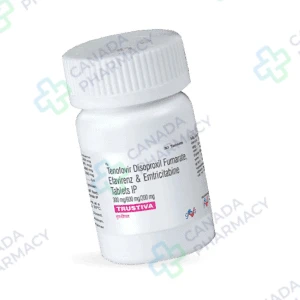
Trustiva
Price range: $ 296,00 through $ 703,00
Triphala
Price range: $ 7,00 through $ 18,00
Triphala is a traditional Ayurvedic herbal formula consisting of three potent superfruits: Amla, Bibhitaki, and Haritaki. This natural supplement is widely recognized for supporting healthy digestion and promoting regular bowel movements. Its rich antioxidant properties help cleanse the digestive tract while protecting cells from oxidative stress. Many people use Triphala to boost their immune system and maintain overall internal balance. Incorporating this herbal blend into a daily routine helps achieve gentle detoxification and sustained vitality.
Active substance: Herbal
Delivery: 5–21 days (depending on the shipping method)
Extra 10% discount with coupon: IT4K6SVM
Each dosage option has its own packaging choices.
Description
Triphala – Information for Patients and Caregivers
Triphala has been used for centuries in traditional Ayurvedic practices as a herbal formulation designed to support gastrointestinal function and general wellness. In the United States, it is distributed over the counter as a dietary supplement in compliance with federal standards under the Dietary Supplement Health and Education Act (DSHEA). Understanding its botanical constituents, typical usage, and potential interactions ensures safe incorporation into your daily wellness routine.
As a traditional botanical mixture composed of three distinct fruits, Triphala offers a combination of active polyphenols, tannins, and vitamin C. While many individuals utilize this supplement to maintain regular bowel habits, a balanced evaluation of its physiological mechanism, clinical limitations, and safety considerations is essential prior to beginning daily supplementation.
General Information and Clinical Profile
| Parameter | Details |
|---|---|
| Product Name | Triphala |
| Active Ingredients | Emblica officinalis (Amalaki), Terminalia bellerica (Bibhitaki), Terminalia chebula (Haritaki) |
| Therapeutic Class | Herbal Dietary Supplement / Botanical Digestant |
| Dosage Forms | Oral capsules, tablets, loose powder (churna) |
| Primary Purpose | Support of gastrointestinal motility and antioxidant activity |
| Regulatory Status | Over-the-counter (OTC dietary supplement) |
Main uses
Triphala is primarily used to support gastrointestinal function and maintain regular bowel movements in individuals experiencing occasional sluggish digestion. On one hand, observational data and traditional use indicate that the formulation acts as a mild bowel tonic, assisting in comfortable waste elimination without the aggressive cramping often associated with stimulant laxatives. On the other hand, robust randomized clinical trials evaluated by the US Food and Drug Administration (FDA) remain limited, meaning the product is categorized strictly as a dietary supplement rather than a prescription treatment for chronic constipation or bowel disorders. In addition to digestive applications, its high concentration of phenolic compounds provides systemic antioxidant support, neutralizing free radicals in tissue environments.
How the drug works
The pharmacological activity of Triphala stems from the synergistic action of its three constituent fruits. Emblica officinalis contributes high levels of ascorbic acid (vitamin C) and gallic acid, which support mucosal tissue integrity and exert anti-inflammatory effects. Terminalia bellerica contains bellericanin, gallic acid, and ellagic acid, which possess mild antimicrobial and astringent properties that help modulate gut microbial flora. Terminalia chebula provides chebulinic acid and anthraquinones, which exert a gentle osmotic and peristaltic stimulation on the smooth muscles of the large intestine. Together, these compounds promote gastrointestinal secretions, soften stools, and facilitate intestinal transit.
Dosing schedule
Dosing for Triphala varies depending on the specific formulation and individual gastrointestinal sensitivity. Standard oral supplementation typically ranges from 500 mg to 1,000 mg taken once or twice daily. When using traditional powder formulations, a common dose is 1/2 to 1 teaspoon (approximately 2 to 3 grams) mixed into warm water or tea. For optimal digestive support, many regimens recommend administration in the evening prior to sleep or early in the morning on an empty stomach. The dose is determined individually based on patient response; users should begin with the lowest effective amount to evaluate intestinal tolerance before increasing the intake.
What happens in the body
Following oral administration, the bioaccessibility of Triphala components depends heavily on metabolic transformation within the gastrointestinal tract. Complex hydrolyzable tannins, such as gallotannins and ellagitannins, are not readily absorbed intact in the upper stomach. Instead, colonic microbiota metabolize these macromolecular structures into smaller bioavailable compounds, including urolithins and gallic acid derivatives. Peak plasma concentrations of absorbed phenolic metabolites generally occur within 2 to 4 hours post-ingestion. Unabsorbed tannins and plant fibers remain within the intestinal lumen, binding water and providing mild bulk to stool before fecal elimination.
Administration, Interactions, and Safety Precautions
What not to combine
Although available without a prescription, Triphala possesses active chemical constituents that may interact with conventional pharmaceutical agents. High tannin concentrations can bind to oral iron supplements and dietary minerals, reducing their systemic bioavailability; therefore, administration should be separated by at least 2 hours. Furthermore, Terminalia chebula extracts have demonstrated mild inhibitory activity against cytochrome P450 enzyme pathways (specifically CYP3A4 and CYP2D6) and blood glucose-lowering potential. Patients taking anti-diabetic medications (such as metformin or insulin) or blood thinners (such as warfarin or antiplatelet therapy) should consult a healthcare provider, as additive hypoglycemic or anti-hemostatic effects may theoretically occur.
Adverse reactions
Triphala is generally well-tolerated when consumed at standard recommended dosages, but adverse gastrointestinal reactions can occur, particularly during initial administration. Frequently reported mild side effects include abdominal gas, bloating, stomach cramps, and loose stools or diarrhea. These reactions are typically self-limiting and correlate directly with higher doses. Rare allergic hypersensitivity reactions–manifesting as localized skin rash, itching, or hives–require immediate cessation of the product. If persistent liquid diarrhea occurs, supplementation must be discontinued to prevent fluid loss and electrolyte imbalances.
What to avoid while taking it
Concurrent consumption of excessive alcohol should be avoided during Triphala supplementation. Alcohol acts as an irritant to the gastric lining and can exacerbate the loose stools or abdominal discomfort caused by botanical anthraquinones. Additionally, individuals taking Triphala should avoid co-administering it with over-the-counter stimulant laxatives (such as senna or bisacodyl) to minimize the risk of severe dehydration, intestinal cramping, and potassium depletion.
Practical tips
When integrating Triphala into daily routines, consistent hydration is critical to support bowel regularity and accommodate dietary fiber intake. Taking oral capsules with a full 8-ounce glass of water minimizes gastrointestinal irritation. If using powder, mixing the formulation with warm water or a small amount of honey can neutralize its naturally astringent and bitter taste. Individuals preparing for planned surgical procedures at a medical facility in Chicago or elsewhere should inform their surgical team and suspend botanical supplementation two weeks prior to surgery to minimize unanticipated bleeding or blood glucose fluctuations.
If you skip a dose
If a scheduled dose of Triphala is missed, simply take the next planned dose at the standard time. Do not take extra capsules or increase powder volume to make up for a missed administration, as doubling the dose increases the likelihood of abdominal cramping and diarrhea.
Important precautions
Special populations require careful evaluation before initiating Triphala. Pregnant individuals should avoid Triphala completely; traditional Ayurvedic literature and contemporary pharmacological reviews caution that certain constituents may stimulate uterine contractions, presenting a risk to pregnancy maintenance. Breastfeeding women should also refrain from use, as active astringent tannins and anthraquinone derivatives can pass into breast milk, potentially causing abdominal discomfort and loose stools in nursing infants. Pediatric safety has not been clinically established, and use in children should only occur under direct pediatric supervision. Patients with chronic inflammatory bowel disease (IBD), such as Crohn’s disease or ulcerative colitis, should exercise extreme caution due to potential intestinal mucosal irritation.
Storage and expiration
Store Triphala products in a cool, dry place away from direct sunlight, excessive heat, and moisture. Keep the container tightly sealed to protect oral tablets or powder from ambient humidity, which can degrade botanical compounds. Keep out of reach of children. Do not use the supplement past the printed expiration date located on the product packaging.
Pros and Cons Overview
| Evaluation Aspect | Observations |
|---|---|
| Main Advantages | Natural botanical blend; supports mild digestion without hash chemical irritants; provides antioxidant compounds. |
| Limitations | Lacks FDA approval for medical conditions; variable standardization across brands; bitter taste in powder form. |
| Safety Profile | Low toxicity at standard doses; potential gastrointestinal side effects at elevated doses. |
| Convenience of Use | Over-the-counter availability in diverse oral formats (capsules, tablets, raw powder). |
| Available Alternatives | Dietary soluble fiber (psyllium husk), osmotic laxatives (polyethylene glycol), dietary modifications. |
Common Questions
Is it normal to experience mild loose stools when starting Triphala?
Yes, experiencing slightly loose stools or increased bowel frequency during the first few days of supplementation is relatively common. Triphala contains natural tannins and anthraquinones that stimulate intestinal fluid secretion and motility. If loose stools progress to watery diarrhea or severe abdominal cramping, reduce the daily dosage immediately or stop taking the product until gastrointestinal balance returns.
How long does it take for Triphala to show noticeable digestive effects?
Initial gastrointestinal effects, such as increased bowel movement frequency, typically become noticeable within 6 to 12 hours after taking an evening dose. However, subtle cumulative benefits related to overall digestive comfort and antioxidant status may take 1 to 2 weeks of consistent daily administration. Individual response times vary depending on baseline diet, hydration levels, and gastrointestinal motility.
Can Triphala be combined with prescription blood pressure or diabetes medications?
Caution is advised when combining Triphala with prescription drugs for diabetes or hypertension. Botanical extracts in the formulation may exert mild blood glucose-lowering effects and influence liver enzyme pathways responsible for metabolizing certain pharmaceuticals. Patients taking prescribed chronic medications should discuss prospective supplementation with their primary physician or pharmacist to avoid unexpected drug interactions.
Does long-term use of Triphala lead to laxative dependence?
Unlike synthetic laxatives or concentrated stimulant herbs like senna, standard doses of Triphala are considered non-habit-forming because they support mucosal integrity rather than intensely forcing bowel contractions. Nevertheless, relying on any supplement indefinitely for daily bowel movements is not recommended. Persistent bowel irregularity should be medically evaluated by a qualified healthcare provider.
How does Triphala powder differ from oral capsules?
Triphala powder represents the raw, ground fruit mixture and allows for traditional preparation in warm water, which begins digestion via taste receptor activation in the mouth. Capsules contain compressed powder or concentrated extracts, offering a convenient, tasteless alternative for individuals who find the natural bitter and astringent flavor of the powder unpalatable. Both forms provide identical active botanical constituents when dosed equivalently.
Regulatory Notice and Summary
In accordance with FDA requirements for dietary supplements, statements regarding Triphala have not been evaluated by the Food and Drug Administration. This product is not intended to diagnose, treat, cure, or prevent any disease. It is dispensed over the counter in accordance with applicable federal and state regulations governing botanical supplements.
This text is for informational purposes only and does not constitute individual medical advice.
Additional information
| Dosage |
60 tabs |
|---|---|
| Package |
1 bottles ,2 bottles ,3 bottles |
| Ενεργός Ουσία |
Related products

Actigall
Price range: $ 60,00 through $ 521,00
Active substance: Ursodiol
More Details
This product has multiple variants. The options may be chosen on the product page

Bentyl
Price range: $ 63,00 through $ 900,00
Active substance: Dicyclomine
More Details
This product has multiple variants. The options may be chosen on the product page
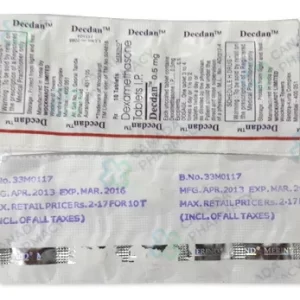
Decadron
Price range: $ 12,00 through $ 182,00
Active substance: Dexamethasone
More Details
This product has multiple variants. The options may be chosen on the product page
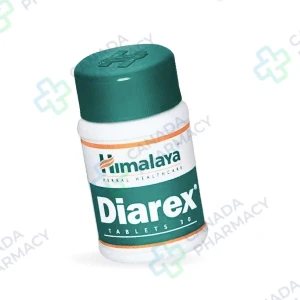
Diarex
Price range: $ 54,00 through $ 236,00
Active substance: Diarex
More Details
This product has multiple variants. The options may be chosen on the product page

Ditropan
Price range: $ 23,00 through $ 262,00
Active substance: Oxybutynin
More Details
This product has multiple variants. The options may be chosen on the product page

Dulcolax
Price range: $ 44,00 through $ 148,00
Active substance: Bisacodyl
More Details
This product has multiple variants. The options may be chosen on the product page
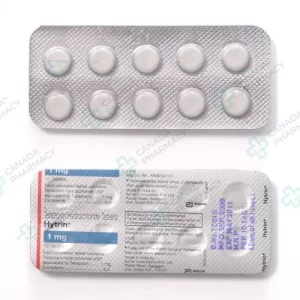
Hytrin
Price range: $ 57,00 through $ 451,00
Active substance: Terazosin
More Details
This product has multiple variants. The options may be chosen on the product page
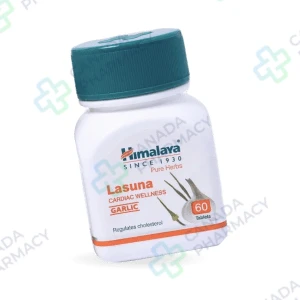
Lasuna
Price range: $ 58,00 through $ 244,00
Active substance: extracts of garlic
More Details
This product has multiple variants. The options may be chosen on the product page