

-44%
Hypernil
Price range: $ 63,00 through $ 248,00
Hyzaar
Price range: $ 25,00 through $ 470,00
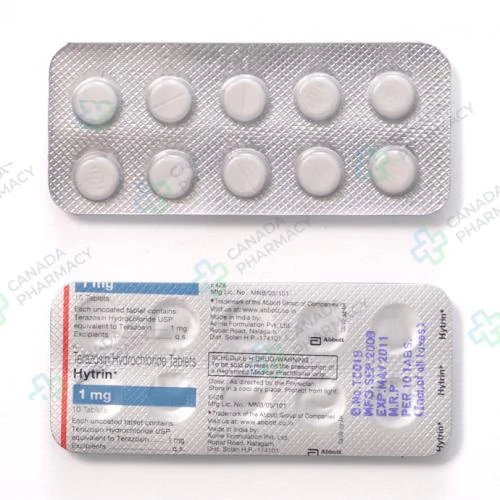
Hytrin
Price range: $ 57,00 through $ 451,00
Hytrin is a highly effective medication primarily used to treat high blood pressure and symptoms of benign prostatic hyperplasia (BPH). By acting as an alpha-blocker, it works by relaxing the smooth muscles in the blood vessels and the prostate gland. For individuals with BPH, this relaxation helps significantly improve urine flow and decreases the frequency of urinary symptoms. When utilized for hypertension, the medication assists in dilating the blood vessels to allow for easier blood circulation throughout the body. This versatile treatment provides a reliable solution for managing both cardiovascular health and urinary comfort.
Active substance: Terazosin
Delivery: 5–21 days (depending on the shipping method)
Extra 10% discount with coupon: IT4K6SVM
Each dosage option has its own packaging choices.
Description
Hytrin belongs to the alpha-1 adrenergic receptor antagonist class of cardiovascular and urological agents. It is an FDA-approved prescription medication indicated for the symptomatic treatment of benign prostatic hyperplasia and the management of arterial hypertension. Therapy requires individualized dosage adjustment and continuous medical monitoring to optimize clinical outcomes and lower the risk of adverse cardiovascular events.
This reference document provides objective technical details regarding the active drug substance, pharmacological profile, pharmacokinetic properties, potential interactions, and clinical safety considerations for healthcare providers and patients in the United States.
| Attribute | Detail |
|---|---|
| Drug name | Hytrin |
| Active ingredient | Terazosin hydrochloride |
| Therapeutic class | Alpha-1 adrenergic blocker |
| Dosage form | Oral capsule / tablet |
| Route of administration | Oral |
| Primary purpose | Treatment of BPH and hypertension |
| Prescription status | Prescription only (Rx) |
Therapeutic Profile and Pharmacology
How the drug works
Hytrin exerts its pharmacological activity through selective competitive inhibition of postsynaptic alpha-1 adrenergic receptors. In vascular smooth muscle, blocking these receptors suppresses the vasoconstrictor action of endogenous norepinephrine, leading to peripheral vasodilation, decreased systemic vascular resistance, and a subsequent reduction in arterial blood pressure. In the lower urinary tract, alpha-1 receptors are predominantly located in the smooth muscle tissue of the prostate capsule, bladder neck, and prostatic urethra. By relaxing these smooth muscles, the active substance reduces dynamic resistance to urine outflow, mitigating urinary hesitation, weak stream, nocturia, and incomplete bladder emptying associated with benign prostatic hyperplasia (BPH).
Main uses
Hytrin is approved by the U.S. Food and Drug Administration (FDA) for two principal therapeutic indications. First, it is prescribed for the management of symptomatic benign prostatic hyperplasia (BPH) to improve urinary flow rates and alleviate obstructive and irritative urinary symptoms. Second, it is indicated for the treatment of essential hypertension, either as monotherapy or in combination with other antihypertensive agents such as thiazide diuretics or beta-blockers. Any medical application outside of these FDA-approved indications, such as the facilitation of distal ureteral stone expulsion, represents off-label clinical use and must be evaluated on an individual risk-benefit basis.
Dosing schedule
Administering Hytrin requires strict adherence to a gradual dose-titration schedule to minimize the risk of severe blood pressure drops or syncope. The initial starting dose for all patients is 1 mg orally, taken strictly at bedtime. The initial dose must not be exceeded during the first days of treatment. Depending on individual clinical response and tolerability, the daily dosage may be incrementally increased to 2 mg, 5 mg, or up to 10 mg once daily. For benign prostatic hyperplasia, the typical therapeutic target dose is 10 mg daily, given as a single dose at bedtime, though some individuals may require up to 20 mg per day. If administration is interrupted for several consecutive days, re-titration starting at the initial 1 mg dose is mandatory.
What happens in the body
Following oral administration, terazosin hydrochloride is rapidly and almost completely absorbed from the gastrointestinal tract, demonstrating high systemic bioavailability of approximately 90%. Peak plasma concentrations are generally achieved within one hour after ingestion. Food co-ingestion does not significantly alter the overall extent of systemic absorption. Terazosin is heavily bound to plasma proteins, with protein binding ranging between 90% and 94%. Metabolism occurs primarily in the liver via hepatic metabolic pathways, yielding one active and several inactive metabolites. The elimination half-life of the drug is approximately 12 hours in healthy adult individuals. Excretion occurs predominantly via the biliary tract and feces (approximately 60%), with the remaining portion (around 40%) eliminated in urine as unchanged drug and metabolic products.
First days of treatment
During the initial days of treatment, patients may experience transient postural dizziness, lightheadedness, or tiredness, particularly when changing position from lying or sitting to standing. These sensations are attributable to early vascular accommodation to alpha-blockade. To minimize these symptoms, the initial dose should always be taken immediately before going to sleep. Patients should be instructed to rise slowly from a sitting or lying position during the early titration phase to allow cardiovascular baroreceptor reflexes to adapt to vascular tone changes.
Clinical Safety and Practical Management
Compatibility with other medicines
Co-administration of Hytrin with other pharmacologically active substances can significantly alter efficacy or safety profiles. Concomitant use with phosphodiesterase-5 (PDE5) inhibitors, such as sildenafil, tadalafil, or vardenafil, carries a heightened risk of additive vasodilation resulting in severe symptomatic hypotension; caution and conservative dose adjustments are required. Simultaneous administration with other antihypertensive medications, including calcium channel blockers, ACE inhibitors, or diuretics, may produce exaggerated blood-pressure-lowering effects. Physicians should carefully monitor systemic hemodynamics when introducing additional cardiovascular medications.
Adverse reactions
Clinical trials and post-marketing surveillance data demonstrate that adverse events associated with Hytrin relate primarily to its vasodilatory and alpha-adrenergic blocking mechanism. The most common adverse effects include dizziness, somnolence, peripheral edema, asthenia, postural hypotension, and nasal congestion. Postural hypotension and syncope are most frequent during initial dose titration or rapid dosage increments. Less common reactions include headache, palpitations, dyspnea, nausea, and blurred vision. Intraoperative Floppy Iris Syndrome (IFIS) has been reported during cataract surgery in patients currently or previously treated with alpha-1 blockers. Rarely, patients may experience priapism, which demands emergency medical evaluation.
Important precautions
Patients initiating Hytrin therapy must be monitored for the “first-dose effect,” characterized by sudden postural hypotension, syncope, or severe dizziness occurring within a few hours of the first dose or a dose escalation. Patients should avoid situationally hazardous activities, such as driving or operating heavy machinery, during initial titration. In patients with impaired hepatic function, clearance of the active drug may be decreased, necessitating conservative dosing and clinical vigilance. Hytrin is not indicated for pediatric populations. For pregnant or nursing women, use should occur only if the potential benefit clearly justifies the potential risk to the fetus or infant.
What to avoid while taking it
Hytrin may be taken with or without food, as food intake does not significantly decrease the total absorption of the drug substance. However, ethanol consumption must be strictly minimized or avoided during treatment. Alcohol acts as a systemic vasodilator and can accentuate the blood-pressure-lowering effects of terazosin, substantially increasing the incidence and severity of orthostatic hypotension, lightheadedness, and fainting episodes. Patients are advised to consult their primary care provider regarding dietary habits and alcohol consumption while undergoing active pharmacotherapy.
If you skip a dose
If a daily dose of Hytrin is missed, it should be taken as soon as remembered, unless it is close to the time for the next scheduled dose. Patients must never double the dose to compensate for a missed administration, as doubling the dosage increases the risk of severe postural hypotension. If therapy is interrupted or omitted for several consecutive days, patients must not resume at their previous maintenance dose. Instead, they must contact their physician to restart therapy using the mandatory initial 1 mg titration dose.
Practical tips
Consistency is vital for achieving optimal therapeutic control with Hytrin. The medication should be taken at approximately the same time each day, preferably at bedtime, to reduce daytime dizziness. Keeping a daily record of blood pressure readings and urinary symptom scores can assist the clinical provider during follow-up evaluations. Capsules or tablets should be stored at controlled room temperature, protected from excessive moisture and light, and kept out of reach of children and domestic pets.
Common questions
How long does it take for Hytrin to show clinical efficacy in BPH?
Initial improvements in urinary flow symptoms may be noticed within 1 to 2 weeks of continuous therapy. However, full therapeutic efficacy for benign prostatic hyperplasia usually requires titration to an effective maintenance dose over 4 to 6 weeks. Regular clinical monitoring is necessary to determine dose adequacy.
Can Hytrin be stopped abruptly if side effects occur?
Abrupt cessation of Hytrin does not typically trigger withdrawal symptoms, but blood pressure levels or BPH urinary symptoms will return to baseline. If treatment is stopped for more than a few days, restarting requires re-titrating from the low starting dose of 1 mg to prevent severe orthostatic hypotension.
Is Hytrin suitable for patients scheduled for cataract surgery?
Patients undergoing cataract surgery must inform their ophthalmic surgeon about past or current Hytrin use. Alpha-1 blockers are associated with Intraoperative Floppy Iris Syndrome (IFIS), a surgical complication that requires specific modifications in surgical technique to ensure patient safety.
Does Hytrin interact with erectile dysfunction treatments?
Yes, combining Hytrin with PDE5 inhibitors used for erectile dysfunction can cause a significant drop in systemic blood pressure. If co-administration is necessary, treatment should be initiated under close medical supervision at the lowest effective dosages of both medications.
Information on this page is for reference and does not replace an assessment by a licensed healthcare professional. In accordance with FDA requirements.
Additional information
| Dosage |
1mg ,2mg ,5mg |
|---|---|
| Package |
30 pills ,60 pills ,90 pills ,120 pills ,180 pills ,270 pills ,360 pills |
| Ενεργός Ουσία |
Related products
Aceon
Price range: $ 51,00 through $ 491,00
Active substance: erbumine, perindopril
More Details
This product has multiple variants. The options may be chosen on the product page
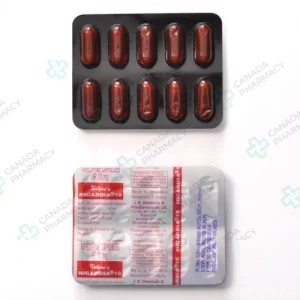
Adalat
Price range: $ 41,00 through $ 267,00
Active substance: Nifedipine
More Details
This product has multiple variants. The options may be chosen on the product page
Aquazide
Price range: $ 18,00 through $ 30,00
Active substance: hydrochlorothiazide
More Details
This product has multiple variants. The options may be chosen on the product page
Arjuna
Price range: $ 63,00 through $ 72,00
Active substance: Arjuna (Terminalia arjuna) bark extract
More Details
This product has multiple variants. The options may be chosen on the product page
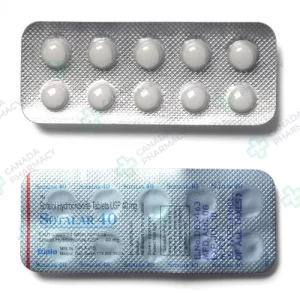
Betapace
Price range: $ 9,00 through $ 260,00
Active substance: Sotalol
More Details
This product has multiple variants. The options may be chosen on the product page
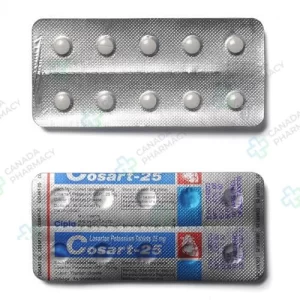
Cozaar
Price range: $ 41,00 through $ 281,00
Active substance: Losartan
More Details
This product has multiple variants. The options may be chosen on the product page

Diltiazem
Price range: $ 49,00 through $ 590,00
Active substance: Diltiazem
More Details
This product has multiple variants. The options may be chosen on the product page
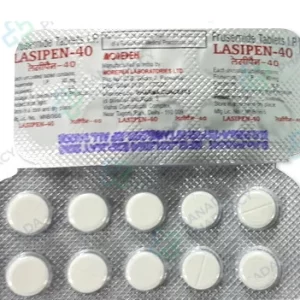
Furosemide
Price range: $ 46,00 through $ 193,00
Active substance: furosemide
More Details
This product has multiple variants. The options may be chosen on the product page