

-35%

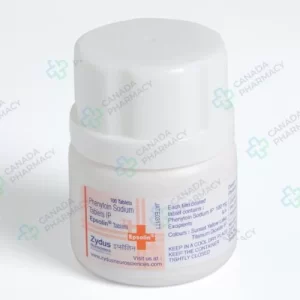
Dilantin
Price range: $ 43,00 through $ 171,00
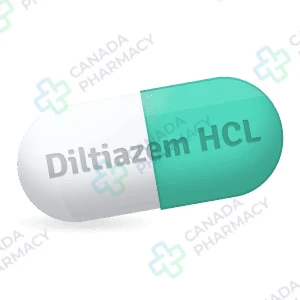
Diltiazem HCL
Price range: $ 52,00 through $ 393,00
Diltiazem
Price range: $ 49,00 through $ 590,00
Diltiazem is a highly effective calcium channel blocker used primarily to manage various cardiovascular conditions. It works by relaxing the blood vessels, which helps to lower high blood pressure and reduce the overall workload on the heart. This medication is also widely utilized to prevent chronic chest pain, known as angina, by improving blood flow and oxygen delivery to the cardiac muscles. In addition to managing pressure, Diltiazem helps control certain types of irregular heartbeats to maintain a steady cardiac rhythm. Regular use of this treatment contributes to better long-term heart health and significantly lowers the risk of serious complications like strokes or heart attacks.
Active substance: Diltiazem
Delivery: 5–21 days (depending on the shipping method)
Extra 10% discount with coupon: IT4K6SVM
Each dosage option has its own packaging choices.
Description
Diltiazem belongs to a group of medicines called calcium channel blockers, specifically the non-dihydropyridine class. It is prescribed in the United States under healthcare provider supervision for managing chronic cardiovascular conditions, including high blood pressure and angina pectoris.
As a prescription-only medication, diltiazem requires individual dosage adjustment and routine clinical oversight. Understanding how the drug works, its expected therapeutic benefits, and its potential risks allows patients to participate actively in their cardiovascular treatment plan.
| Attribute | Details |
|---|---|
| Drug name | Diltiazem |
| Active ingredient (INN) | Diltiazem hydrochloride |
| Therapeutic class | Calcium channel blocker (Non-dihydropyridine) |
| Dosage form | Oral tablets, extended-release capsules, intravenous solution |
| Route of administration | Oral, Intravenous |
| Prescription status | Prescription only (Rx) |
Core Pharmacological Profile
What it’s used for and How the drug works
What it’s used for
Diltiazem is FDA-approved for several cardiovascular indications. On one hand, it serves as a primary or adjunctive treatment for essential hypertension (high blood pressure) to help reduce the risk of long-term cardiovascular complications. On the other hand, it is widely utilized to manage chronic stable angina pectoris and angina caused by coronary artery spasm (Prinzmetal’s angina). In acute hospital settings, intravenous formulations are indicated for rapid rate control in atrial fibrillation or atrial flutter, as well as the conversion of paroxysmal supraventricular tachycardia (PSVT) to sinus rhythm. Clinical prescribers may also evaluate diltiazem for off-label indications, such as Raynaud’s phenomenon or migraine prophylaxis, though these uses fall outside FDA-approved labeling and require specific medical justification.
How the drug works
The therapeutic action of diltiazem stems from its selective inhibition of calcium ion influx during membrane depolarization in vascular smooth muscle and cardiac muscle tissue. By slowing the entry of calcium into these cells, diltiazem dilates coronary blood vessels, improving oxygen delivery to the heart muscle. Simultaneously, it produces peripheral arterial vasodilation, which lowers systemic vascular resistance and reduces cardiac workload. Unlike dihydropyridine calcium channel blockers, diltiazem also exerts a direct suppressive effect on the sinoatrial (SA) and atrioventricular (AV) nodes, effectively slowing heart rate and impulse conduction through the heart.
Dosing schedule and How it’s absorbed and eliminated
Dosing schedule
Diltiazem is available in multiple oral formulations, including immediate-release tablets and various extended-release (ER/CD/XR/LA) capsule systems designed for once-daily or twice-daily administration. Dosing ranges vary significantly depending on the specific formulation and condition being treated. Immediate-release regimens often begin at 30 mg four times daily, whereas extended-release formulations typically start between 120 mg and 180 mg once daily, titrated upward based on blood pressure response and tolerability up to 360 mg or 480 mg daily. Patients must swallow extended-release capsules whole without crushing, chewing, or splitting them, as altering the pill structure disrupts the controlled delivery mechanism and increases the risk of toxicity.
How it’s absorbed and eliminated
Following oral administration, diltiazem is well absorbed from the gastrointestinal tract, but it undergoes extensive hepatic first-pass metabolism, resulting in an absolute bioavailability of approximately 40%. The drug is roughly 70% to 80% bound to plasma proteins. Metabolism occurs predominantly in the liver via the cytochrome P450 enzyme system, specifically the CYP3A4 pathway, producing active metabolites such as desacetyl-diltiazem. The elimination half-life of immediate-release diltiazem is approximately 3 to 4.5 hours, whereas extended-release formulations maintain therapeutic drug concentrations over a 24-hour window. Excretion occurs mainly through the kidneys (around 35%) and feces (around 65%) as metabolites, with only a small fraction eliminated unchanged.
Safety Profile, Interactions, and Patient Guidance
What side effects may occur and Important precautions
What side effects may occur
While diltiazem offers established cardiovascular benefits, it carries a potential range of adverse reactions. Common side effects reported in clinical practice include peripheral edema (swelling of the ankles or lower legs), headache, dizziness, fatigue, nausea, and flushing. Gastrointestinal symptoms such as constipation may also occur. From a cardiac perspective, diltiazem can cause symptomatic bradycardia (excessively slow heart rate), AV block, or low blood pressure (hypotension). Less common but serious adverse events include worsening of heart failure symptoms, hepatic dysfunction characterized by elevated liver enzymes, and severe dermatologic reactions including Stevens-Johnson syndrome or erythema multiforme.
Important precautions
Prescribers carefully screen patient history before initiating diltiazem. The medication is contraindicated in patients with sick sinus syndrome or second- or third-degree AV block, unless a functioning ventricular pacemaker is present. It should also be avoided in individuals with severe hypotension (systolic blood pressure below 90 mmHg), acute myocardial infarction with pulmonary congestion, or known hypersensitivity to the compound. Patients with mild-to-moderate left ventricular dysfunction require cautious evaluation, as the negative inotropic effect of diltiazem can exacerbate heart failure. Regular blood pressure monitoring and periodic electrocardiograms (ECGs) are standard recommendations during dosage titration.
What not to combine
Drug interactions with diltiazem are clinically significant due to its dual status as a substrate and moderate inhibitor of the CYP3A4 enzyme system. Combining diltiazem with beta-blockers (such as metoprolol or atenolol) increases the risk of severe bradycardia and heart block, requiring careful monitoring if co-administered. Concomitant use with HMG-CoA reductase inhibitors (statins) metabolized by CYP3A4–notably simvastatin and lovastatin–can lead to elevated statin plasma levels and an increased risk of myopathy or rhabdomyolysis. Additionally, diltiazem can raise plasma concentrations of digoxin, cyclosporine, and carbamazepine. Co-administration with potent CYP3A4 inhibitors or inducers can unpredictably alter diltiazem blood levels.
What to avoid while taking it
Dietary habits can influence diltiazem therapy. Grapefruit and grapefruit juice inhibit CYP3A4 enzymes in the intestine, which can significantly raise diltiazem levels in the bloodstream and escalate the risk of hypotension and bradycardia. Alcohol consumption should be minimized or avoided, as alcohol can compound the blood-pressure-lowering effects of diltiazem, causing dizziness, lightheadedness, or fainting. Maintaining a consistent dietary sodium intake is also recommended, as excessive sodium may counteract the blood pressure management achieved by the drug.
If you skip a dose
If a dose of diltiazem is missed, it should be taken as soon as remembered on that day. However, if it is nearly time for the next scheduled dose, the missed dose should be skipped entirely, resuming the standard schedule. Patients should never double up on doses or take extra medicine to compensate for a missed capsule, as sudden increases in blood concentration can cause pronounced drops in blood pressure or heart rate.
Signs of improvement
Assessing the efficacy of diltiazem depends on the indication. For hypertension, effectiveness is evaluated through routine home and clinical blood pressure readings; reductions are typically observed within the first week, with maximum response occurring after two to three weeks of consistent dosing. For angina, improvement is recognized by a decrease in the frequency and intensity of chest pain episodes and a reduced need for short-acting nitroglycerin. Patients managing rate-controlled arrhythmias may notice a reduction in palpitations, lightheadedness, or shortness of breath.
Pregnancy, breastfeeding, and other groups
Diltiazem should be used during pregnancy only if the potential benefit justifies the potential risk to the fetus, as animal studies have shown reproductive toxicity. The drug is excreted into human milk; therefore, a decision must be made whether to discontinue nursing or discontinue the medication, taking into account the importance of the drug to the mother. In pediatric populations, safety and effectiveness have not been fully established. Elderly patients generally start at the lower end of the dosing spectrum due to an increased prevalence of decreased hepatic, renal, or cardiac function.
Common questions
How long does it take for diltiazem to start working?
Immediate-release formulations typically begin to lower blood pressure and slow heart rate within 30 to 60 minutes after ingestion. Extended-release capsules deliver a gradual onset of action over several hours, reaching peak blood concentrations within 6 to 11 hours. Full antihypertensive efficacy generally becomes apparent after several days to two weeks of continuous daily use.
Is it normal to experience ankle swelling while on diltiazem?
Peripheral edema, particularly swelling in the feet, ankles, or lower legs, is a known side effect of calcium channel blockers. It results from arterial vasodilation without a proportional dilation of the venous system. Patients experiencing mild swelling should inform their doctor; however, sudden or severe fluid retention accompanied by shortness of breath warrants immediate medical evaluation to rule out heart failure.
Can diltiazem be stopped suddenly if blood pressure improves?
No. Abrupt discontinuation of diltiazem, especially in patients treated for angina, can trigger rebound angina attacks, severe elevations in blood pressure, or myocardial ischemia. If treatment needs to be modified or discontinued, healthcare providers gradually taper the dosage over several days or weeks under clinical monitoring.
Does diltiazem interact with over-the-counter cold medications?
Yes, many over-the-counter decongestants (such as pseudoephedrine or phenylephrine) act as sympathomimetic agents that constrict blood vessels and elevate heart rate and blood pressure. These active ingredients can directly counteract the therapeutic effects of diltiazem. Patients should consult a pharmacist or doctor before taking non-prescription cold or sinus products.
What should I do if I accidentally take more than the prescribed dose?
Taking an overdose of diltiazem is a medical emergency that can lead to severe hypotension, dangerously low heart rate, heart block, and cardiac collapse. Immediate emergency medical attention should be sought. Clinical management often involves intravenous calcium, vasopressors, fluid resuscitation, and continuous cardiac monitoring in a hospital environment.
This information presented here is not a substitute for professional medical advice. Always consult your healthcare provider before starting or changing any treatment. In accordance with FDA requirements.
Additional information
| Dosage |
60mg ,180mg |
|---|---|
| Package |
30 pills ,60 pills ,90 pills ,120 pills ,180 pills ,270 pills ,360 pills |
| Ενεργός Ουσία |
Related products
Aceon
Price range: $ 51,00 through $ 491,00
Active substance: erbumine, perindopril
More Details
This product has multiple variants. The options may be chosen on the product page

Adalat
Price range: $ 41,00 through $ 267,00
Active substance: Nifedipine
More Details
This product has multiple variants. The options may be chosen on the product page
Altace
Price range: $ 40,00 through $ 322,00
Active substance: Ramipril
More Details
This product has multiple variants. The options may be chosen on the product page
Aquazide
Price range: $ 18,00 through $ 30,00
Active substance: hydrochlorothiazide
More Details
This product has multiple variants. The options may be chosen on the product page
Avalide
Price range: $ 66,00 through $ 333,00
Active substance: Irbesartan
More Details
This product has multiple variants. The options may be chosen on the product page

Combipres
Price range: $ 50,00 through $ 202,00
Active substance: chlorthalidone, clonidine hydrochloride
More Details
This product has multiple variants. The options may be chosen on the product page

Coumadin
Price range: $ 12,00 through $ 153,00
Active substance: Warfarin
More Details
This product has multiple variants. The options may be chosen on the product page
Frumil
Price range: $ 43,00 through $ 202,00
Active substance: Amiloride, furosemide
More Details
This product has multiple variants. The options may be chosen on the product page