

-68%
Coreg
Price range: $ 41,00 through $ 651,00
Coversyl
Price range: $ 40,00 through $ 540,00
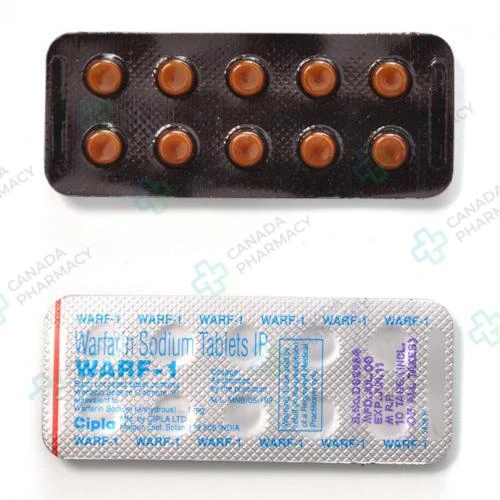
Coumadin
Price range: $ 12,00 through $ 153,00
Coumadin is a widely trusted anticoagulant medication designed to help prevent the formation of harmful blood clots in the body. It is effectively used to treat and manage conditions such as deep vein thrombosis and pulmonary embolism by thinning the blood. This medication plays a crucial role in reducing the risk of stroke and systemic embolism in patients with chronic atrial fibrillation. Additionally, Coumadin is indicated for individuals with prosthetic heart valves to ensure smooth blood flow and prevent complications. By interfering with the body’s clotting process, it provides essential protection against life-threatening cardiovascular events like heart attacks.
Active substance: Warfarin
Delivery: 5–21 days (depending on the shipping method)
Extra 10% discount with coupon: IT4K6SVM
Each dosage option has its own packaging choices.
Description
Coumadin belongs to a class of medications known as vitamin K antagonists, prescribed to prevent and treat blood clots. As a potent prescription anticoagulant, it works by interfering with the synthesis of blood clotting factors in the liver. Careful blood monitoring and strict adherence to healthcare provider instructions are essential during therapy.
In accordance with United States Food and Drug Administration (FDA) regulations, Coumadin is a prescription-only (Rx) medication that requires individualized clinical evaluation and regular monitoring. Patients prescribed this medication must strictly follow the dosing schedule determined by their treating physician to maintain therapeutic efficacy while minimizing serious risks.
| Parameter | Details |
|---|---|
| Active ingredient | Warfarin sodium |
| Therapeutic class | Anticoagulant, Vitamin K Antagonist |
| Dosage form | Oral tablet |
| Route of administration | Oral |
| Prescription status | Prescription only (Rx) |
| Primary purpose | Prevention and treatment of thromboembolic disorders |
Overview and Therapeutic Indications
Main Uses
Coumadin is indicated for the prophylaxis and treatment of venous thrombosis and its extension, as well as pulmonary embolism. It is also prescribed for the prophylaxis and treatment of thromboembolic complications associated with atrial fibrillation and cardiac valve replacement. Additionally, this medication helps reduce the risk of death, recurrent myocardial infarction, and thromboembolic events such as stroke or systemic embolization following a myocardial infarction. Prescribers carefully evaluate each patient’s clinical background prior to initiating treatment. Any administration of Coumadin for conditions outside these FDA-approved indications is categorized as off-label use and requires direct medical supervision.
How the Drug Works
Coumadin exerts its therapeutic effect by inhibiting the vitamin K epoxide reductase complex subunit 1 (VKORC1). This enzymatic inhibition depletes functional reserves of reduced vitamin K, which acts as an essential cofactor for the post-translational carboxylation of vitamin K-dependent clotting factors, specifically Factors II, VII, IX, and X, as well as anticoagulant proteins C and S. By decreasing the concentration of active clotting factors in the plasma, Coumadin suppresses the coagulation cascade, slowing down the formation of fibrin clots. The antithrombotic response depends on the degradation half-lives of circulating clotting factors, which range from several hours to several days.
What Happens in the Body
Following oral administration, Coumadin is rapidly and almost completely absorbed from the gastrointestinal tract. Warfarin is extensively bound to plasma proteins, predominantly albumin, accounting for approximately 99% of circulating drug levels. Hepatic metabolism occurs through cytochrome P450 isoenzymes, primarily CYP2C9 for the more potent S-enantiomer, and CYP1A2 and CYP3A4 for the R-enantiomer. Metabolized compounds are excreted mainly in the urine, with a smaller fraction eliminated via feces. The elimination half-life of Coumadin is highly variable among individuals, generally ranging between 20 and 60 hours, with a mean of approximately 40 hours.
Dosing Schedule
Dosing of Coumadin must be strictly individualized based on the patient’s Prothrombin Time (PT) and International Normalized Ratio (INR). Therapy begins with a targeted initial dosage established by the healthcare provider, followed by adjustments according to routine laboratory monitoring. Target INR ranges vary according to the specific condition being treated, typically between 2.0 and 3.0 for most thromboembolic disorders, or higher for mechanical cardiac valves. Patients are instructed to take Coumadin once daily at the same time each evening. Dosage strengths vary, and tablets are color-coded to prevent errors. Never modify the prescribed dose without explicit direction from a licensed medical provider.
Precautions, Interactions, and Safety Profile
What Not to Combine
Coumadin exhibits severe interaction potential with numerous prescription drugs, over-the-counter products, dietary supplements, and botanical preparations. Nonsteroidal anti-inflammatory drugs (NSAIDs) such as ibuprofen, naproxen, aspirin, and antiplatelet agents significantly increase the risk of gastrointestinal and systemic bleeding. Potent inhibitors of CYP2C9, including amiodarone, fluconazole, and metronidazole, can elevate warfarin plasma concentration and prolong INR, heightening hemorrhage risks. Conversely, CYP2C9 inducers such as rifampin, carbamazepine, and St. John’s wort accelerate drug metabolism, reducing therapeutic anticoagulation. Broad-spectrum antibiotics may alter intestinal microflora that produce vitamin K, potentiating anticoagulant effects. Patients must consult their provider before starting or stopping any co-medication.
What to Avoid While Taking It
Dietary consistency is crucial during Coumadin therapy. Foods containing high amounts of vitamin K, such as kale, spinach, collard greens, broccoli, Brussels sprouts, and green tea, directly counteract the therapeutic mechanism of Coumadin and lower INR levels. Patients do not need to eliminate green leafy vegetables entirely but must maintain a consistent daily intake. Alcohol consumption represents another significant hazard: acute alcohol consumption can inhibit warfarin metabolism and increase bleeding risks, whereas chronic heavy drinking can alter drug clearance unpredictably. Establishing consistent dietary habits helps maintain stable INR levels.
Adverse Reactions
The predominant adverse effect associated with Coumadin is hemorrhage, which ranges from minor bruising, gum bleeding, and epistaxis to severe, life-threatening internal bleeding in the gastrointestinal tract or central nervous system. Less common but severe complications include warfarin-induced skin necrosis, tissue gangrene, and “purple toes syndrome,” a condition linked to systemic cholesterol microembolization. Patients may also experience hypersensitivity reactions, dermatologic rash, alopecia, or elevated hepatic enzymes. Any unusual physical changes or signs of bleeding must be reported immediately to a qualified healthcare professional.
Important Precautions
Coumadin carries a prominent FDA Boxed Warning regarding the risk of severe, potentially fatal bleeding. Routine blood testing to measure INR is mandatory for all treated individuals. Coumadin is strictly contraindicated during pregnancy because it readily crosses the placental barrier, causing severe congenital malformations, fetal hemorrhage, and embryopathy. Elderly patients exhibit heightened sensitivity to anticoagulants and face elevated risks of fall-related hemorrhage; dosage selection for older adults requires extra caution. Patients with hepatic impairment, severe renal dysfunction, active ulceration, bleeding diatheses, or uncontrolled hypertension require comprehensive risk assessment before therapy.
If You Skip a Dose
If a dose of Coumadin is missed, it should be taken as soon as remembered on the same day. If it is almost time for the next scheduled dose, the missed dose should be skipped entirely. Never double the dose or take two tablets simultaneously to compensate for a missed administration. Keeping a daily log of administration times and documenting any missed doses helps the medical team correctly interpret INR monitoring results and adjust future dosing safely.
Practical Tips
Managing daily life while taking Coumadin requires proactive safety habits. Patients should wear a medical alert bracelet or carry an identification card specifying anticoagulant therapy. Using soft-bristled toothbrushes and electric razors minimizes mucosal trauma and skin lacerations. In cities such as Chicago or Philadelphia, patients should coordinate with local clinical laboratories to ensure routine, timely blood draws. Informing all healthcare professionals, including dentists, physical therapists, and surgical specialists, about Coumadin use is essential prior to any procedure.
Red Flags
Certain emergency symptoms necessitate immediate medical intervention. Uncontrolled bleeding from cuts, persistent nosebleeds lasting longer than 15 minutes, coughing up blood, vomiting material resembling coffee grounds, dark or tarry stools, and pink, red, or dark brown urine represent critical warning signs. Sudden, severe headaches, dizziness, severe unusual weakness, or localized skin necrosis (painful dark purple spots) demand immediate emergency evaluation.
| Emergency Signs & Symptoms | Immediate Clinical Action Required |
|---|---|
| Uncontrolled bleeding or persistent nosebleeds | Seek emergency medical care immediately; do not wait. |
| Black, tarry, or bloody stools | Indicates gastrointestinal hemorrhage; contact emergency services. |
| Coughing up blood or coffee-ground vomit | Sign of upper gastrointestinal or pulmonary bleeding; get urgent help. |
| Sudden, severe headache or dizziness | May signal intracranial hemorrhage; requires immediate brain imaging. |
| Painful skin discoloration or purple toes | Possible tissue necrosis or microembolization; seek immediate evaluation. |
Common Questions
Can I take over-the-counter pain relievers while taking Coumadin?
Many over-the-counter pain medications, especially nonsteroidal anti-inflammatory drugs (NSAIDs) like ibuprofen or naproxen and high-dose aspirin, significantly increase the risk of stomach bleeding when taken with Coumadin. Acetaminophen may be recommended by a doctor for mild pain, but high doses or prolonged use can also affect INR levels. Always consult your pharmacist or provider before taking any pain reliever.
What should I do if I notice unusual or excessive bruising?
Unusual, extensive, or unexplained bruising can indicate that your INR levels are too high, meaning your blood is clotting more slowly than intended. Contact your healthcare provider promptly to discuss whether your INR needs to be tested. Do not change your daily dose on your own.
How frequently will I need to have my blood tested?
Blood testing frequency varies depending on stability. During initial treatment or after dose changes, testing (INR) may occur several times a week. Once a stable therapeutic dose is established, blood tests are typically performed every one to four weeks as directed by your clinician.
Is it safe to undergo dental work while taking Coumadin?
Routine cleanings can usually be performed safely, but invasive dental procedures require careful coordination. Inform your dentist well in advance that you take Coumadin. Your prescribing physician and dentist will determine if your INR is in a safe range for the procedure or if special precautions are needed.
Why is maintaining a consistent diet so important with Coumadin?
Vitamin K helps your blood clot, directly opposing the effect of Coumadin. Major fluctuations in your intake of vitamin K-rich foods, such as green leafy vegetables, can cause your INR levels to rise or fall out of the therapeutic range. Keeping your diet consistent helps maintain stable anticoagulation.
In accordance with FDA requirements.
This text is for informational purposes only and does not constitute individual medical advice.
Additional information
| Dosage |
1mg ,2mg ,2.5 mg ,5mg |
|---|---|
| Package |
30 pills ,60 pills ,90 pills ,120 pills ,180 pills ,270 pills ,360 pills |
| Ενεργός Ουσία |
Related products
Adalat
Price range: $ 41,00 through $ 267,00
Active substance: Nifedipine
More Details
This product has multiple variants. The options may be chosen on the product page
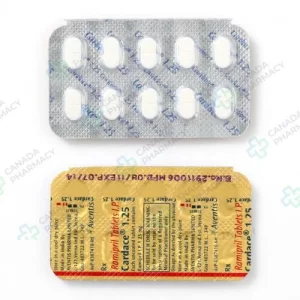
Altace
Price range: $ 40,00 through $ 322,00
Active substance: Ramipril
More Details
This product has multiple variants. The options may be chosen on the product page
Aquazide
Price range: $ 18,00 through $ 30,00
Active substance: hydrochlorothiazide
More Details
This product has multiple variants. The options may be chosen on the product page
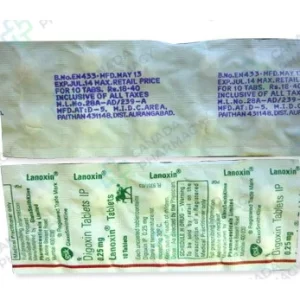
Digoxin
Price range: $ 48,00 through $ 152,00
Active substance: digoxin
More Details
This product has multiple variants. The options may be chosen on the product page
Diltiazem HCL
Price range: $ 52,00 through $ 393,00
Active substance: Diltiazem
More Details
This product has multiple variants. The options may be chosen on the product page
Dipyridamole
Price range: $ 43,00 through $ 257,00
Active substance: Dipyridamole
More Details
This product has multiple variants. The options may be chosen on the product page
Frumil
Price range: $ 43,00 through $ 202,00
Active substance: Amiloride, furosemide
More Details
This product has multiple variants. The options may be chosen on the product page
Hydrochlorothiazide
Price range: $ 24,00 through $ 139,00
Active substance: hydrochlorothiazide
More Details
This product has multiple variants. The options may be chosen on the product page