

-35%
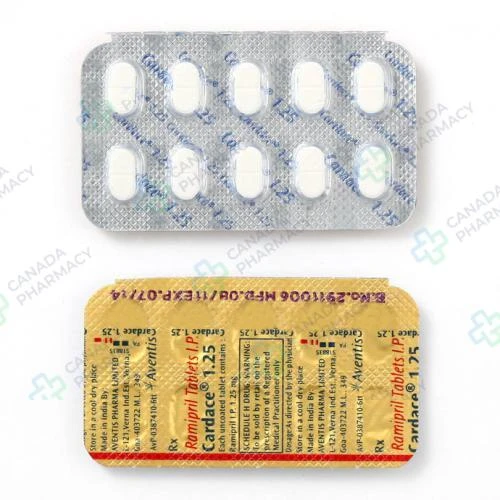
Altace
Price range: $ 40,00 through $ 322,00
Altace is an effective ACE inhibitor primarily used to manage high blood pressure in adults. By relaxing the blood vessels, this medication helps blood flow more smoothly and allows the heart to pump more efficiently. It is frequently utilized to reduce the risk of heart attack and stroke in patients at high risk for cardiovascular events. Additionally, Altace is indicated to improve survival rates in patients who have experienced heart failure following a recent heart attack. Consistent use of this treatment helps maintain healthy blood pressure levels and supports long-term cardiovascular stability.
Active substance: Ramipril
Delivery: 5–21 days (depending on the shipping method)
Extra 10% discount with coupon: IT4K6SVM
Each dosage option has its own packaging choices.
Description
Altace belongs to a group of cardiovascular medications known as angiotensin-converting enzyme (ACE) inhibitors. It contains the active substance ramipril, which acts primarily on the renin-angiotensin-aldosterone system to regulate systemic vascular resistance and blood pressure. As a prescription-only therapy regulated by the US FDA, Altace is prescribed to manage arterial hypertension, reduce cardiovascular risk, and improve post-myocardial infarction outcomes under medical supervision.
This reference provides detailed informational data regarding the pharmacological properties, clinical indications, administration guidelines, and safety considerations for Altace oral capsules in the United States.
| Attribute | Details |
|---|---|
| Drug Name | Altace |
| Active Ingredient (INN) | Ramipril |
| Therapeutic Class | ACE Inhibitor (AHFS 24:32.04) |
| Dosage Form | Oral Capsules (1.25 mg, 2.5 mg, 5 mg, 10 mg) |
| Route of Administration | Oral |
| Prescription Status | Prescription (Rx only) |
| Primary Purpose | Hypertension management, cardiovascular risk reduction |
Pharmacological Profile and Clinical Use
Mechanism of Action
Ramipril is a prodrug that undergoes hepatic cleavage of its ester group to form the active metabolite, ramiprilat. Ramiprilat competitively inhibits angiotensin-converting enzyme (ACE), a peptidyl dipeptidase that catalyzes the conversion of angiotensin I to the vasoconstrictor peptide angiotensin II. By suppressing angiotensin II production, ramiprilat decreases circulating vasopressor levels, leading to a reduction in systemic vascular resistance and a subsequent drop in blood pressure without inducing reflex tachycardia.
Additionally, ACE is identical to kininase II, an enzyme involved in the degradation of bradykinin, a potent vasodilatory peptide. Inhibition of ACE leads to increased concentrations of tissue and circulating bradykinin, which contributes to both the blood pressure-lowering efficacy of Altace and its associated adverse effect of a persistent dry cough. Reduction of angiotensin II also decreases aldosterone secretion by the adrenal cortex, which can lead to minor elevations in serum potassium levels.
Indications and Clinical Uses
Altace is indicated by the US FDA for three core clinical uses in adult populations:
- Hypertension: Altace is indicated for the treatment of high blood pressure to lower blood pressure levels. Lowering blood pressure decreases the risk of fatal and nonfatal cardiovascular events, primarily strokes and heart attacks. It may be used alone or in combination with thiazide diuretics.
- Reduction in Risk of Myocardial Infarction, Stroke, and Death: Altace is indicated in patients 55 years of age or older who are at high risk of developing major cardiovascular events because of a history of coronary artery disease, stroke, peripheral vascular disease, or diabetes accompanied by at least one other cardiovascular risk factor (such as elevated cholesterol or hypertension).
- Heart Failure Post-Myocardial Infarction: Altace is indicated in hemodynamically stable patients who exhibit clinical signs of heart failure within the first few days following an acute myocardial infarction, reducing the risk of death and heart failure-related hospitalizations.
Any use of Altace for unapproved indications (such as non-diabetic kidney disease management) represents off-label clinical practice and must be determined by a qualified prescriber.
What Happens in the Body (Pharmacokinetics)
Following oral administration, ramipril is rapidly absorbed from the gastrointestinal tract, reaching peak plasma concentrations within one hour. Absolute bioavailability of ramipril is approximately 50 to 60 percent. Metabolism occurs predominantly in the liver via cleavage of the ester group to form ramiprilat, which reaches peak plasma concentrations in roughly two to four hours. The binding of ramiprilat to plasma proteins is approximately 56 percent. Clearance occurs primarily through renal excretion (60%) and fecal elimination (40%). The effective half-life for the accumulation of ramiprilat ranges between 13 and 17 hours following multiple daily doses, allowing for once-daily or twice-daily dosing schedules in clinical practice.
Dosage and Administration
The dosage of Altace must be individualized based on the patient’s specific indication, renal function, and clinical response. Capsules should be swallowed whole or can be opened and mixed into applesauce or liquid if necessary.
- Hypertension: The recommended initial dose in patients not taking a diuretic is 2.5 mg once daily. Dosage may be adjusted based on blood pressure response, up to a maximum dose of 10 mg daily as a single dose or divided into two equal doses.
- Reduction of Cardiovascular Risk: Therapy is initiated at 2.5 mg once daily for one week, increased to 5 mg once daily for three weeks, and subsequently titrated to a maintenance dose of 10 mg once daily.
- Post-Myocardial Infarction Heart Failure: The recommended starting dose is 1.25 mg to 2.5 mg twice daily, titrated upward toward a target dose of 5 mg twice daily as tolerated.
- Renal Impairment Adjustments: For patients with a creatinine clearance less than 40 mL/min, the initial dose is generally 1.25 mg once daily, with careful titration up to a maximum of 5 mg daily based on renal function and response.
Safety Guidelines and Frequently Asked Questions
Adverse Reactions (Side Effects)
Clinical studies and post-marketing monitoring have documented several potential adverse reactions associated with Altace therapy. The most common persistent side effect is a dry, nonproductive cough, occurring in approximately 7 to 12 percent of patients due to tissue accumulation of bradykinin. Central nervous system adverse effects include dizziness, lightheadedness, headache, and fatigue, which are frequently secondary to blood pressure reductions. Gastrointestinal events such as nausea, abdominal discomfort, and diarrhea may occur. Laboratory abnormalities include hyperkalemia (elevated serum potassium) and transient elevations in serum creatinine or blood urea nitrogen (BUN). Severe but rare reactions include hepatic dysfunction, neutropenia, agranulocytosis, and severe systemic hypotension.
Before You Take It (Warnings and Special Populations)
Boxed Warning: Fetal Toxicity. Drugs that act directly on the renin-angiotensin system can cause injury and death to the developing fetus when administered during the second and third trimesters of pregnancy. Altace must be discontinued as soon as pregnancy is detected. Altace is contraindicated in patients with a history of angioedema related to previous ACE inhibitor treatment or hypersensitivity to any component of the formulation. Angioedema of the face, lips, tongue, glottis, or larynx can occur at any time during treatment and may be life-threatening, requiring immediate emergency airway management and drug cessation. In pediatric populations, safety and effectiveness have not been established. In elderly patients or those with impaired renal function, dosage selection should be cautious with routine monitoring of renal parameters and potassium levels.
What Not to Combine (Drug Interactions)
Altace demonstrates several significant drug interactions. Concomitant administration with potassium-sparing diuretics (such as spironolactone, triamterene, or amiloride), potassium supplements, or salt substitutes containing potassium increases the risk of severe hyperkalemia. Co-administration with nonsteroidal anti-inflammatory drugs (NSAIDs), including selective COX-2 inhibitors, may deteriorate renal function in elderly or volume-depleted patients and diminish the antihypertensive efficacy of Altace. Dual blockade of the renin-angiotensin system with angiotensin receptor blockers (ARBs) or aliskiren is associated with an increased risk of hypotension, hyperkalemia, and renal impairment. Serum lithium concentrations may increase during concurrent therapy with ACE inhibitors, elevating the risk of lithium toxicity.
What to Avoid While Taking It (Food and Alcohol)
Altace capsules may be taken with or without food, as food intake does not significantly alter the rate or extent of ramipril absorption. However, patients should avoid excessive consumption of potassium-rich foods or potassium-based salt substitutes without prior medical clearance due to potential additive hyperkalemic effects. Alcohol intake can potentiate the blood pressure-lowering action of Altace, increasing the incidence of dizziness, lightheadedness, or orthostatic hypotension, particularly when transitioning from a sitting or lying position to standing.
Red Flags (When to Seek Help Immediately)
Patients taking Altace must seek immediate emergency medical care if they observe signs of severe hypersensitivity or acute systemic compromise. Critical warning symptoms include:
- Swelling of the face, lips, tongue, throat, or extremities
- Difficulty breathing, shortness of breath, or difficulty swallowing
- Severe, unexplained abdominal pain (indicative of intestinal angioedema)
- Chest pain, irregular heartbeat, or severe dizziness and fainting
- Significant, abrupt reduction in daily urine output
If You Skip a Dose
If a dose of Altace is missed, it should be taken as soon as it is remembered on the same day. If it is nearly time for the next scheduled dose, skip the missed dose and resume the standard administration schedule. Patients should never take two doses simultaneously or take additional capsules to compensate for a missed dose.
Storage and Expiration
Store Altace capsules at controlled room temperature between 59°F and 86°F (15°C and 30°C) in a tightly closed container. Protect the medication from moisture, excessive heat, and direct light exposure. Store safely out of the reach of children and pets. Do not use capsules after the expiration date printed on the packaging, and dispose of unused medication via local pharmacy take-back initiatives or in accordance with federal waste guidelines.
Frequently Asked Questions
How long does it take for Altace to lower blood pressure?
Blood pressure reduction typically begins within 1 to 2 hours following oral administration of Altace, with peak hypotensive effects observed between 3 and 6 hours. However, achieving full, stable blood pressure control usually requires 2 to 4 weeks of continuous daily administration at an appropriate dosage.
Why does Altace cause a persistent dry cough, and can it be treated with cough syrup?
The dry cough associated with Altace results from the accumulation of bradykinin and substance P in the pulmonary tract due to ACE inhibition. Over-the-counter cough suppressants are generally ineffective for this specific type of cough. If the cough becomes severe or intolerable, consult your healthcare provider to discuss alternative antihypertensive therapies.
Can Altace capsules be opened if swallowing is difficult?
Yes, Altace capsules can be opened and the contents sprinkled onto a small amount of cold applesauce (approximately 4 ounces) or mixed into 4 ounces of water or apple juice. The mixture should be consumed entirely immediately after preparation and not stored for future use.
Is regular blood testing required while taking Altace?
Yes, healthcare providers routinely order blood tests to check serum creatinine, blood urea nitrogen (BUN), and serum potassium levels prior to initiating therapy and periodically during treatment. Monitoring is especially critical after dose escalations or in patients with kidney disease or heart failure.
What happens if Altace treatment is stopped abruptly?
Abruptly stopping Altace does not typically lead to a rapid, dangerous rebound spike in blood pressure. However, blood pressure will gradually rise back to pre-treatment levels over time, increasing long-term cardiovascular risks. Discontinuation should only occur under the direct guidance of a prescribing clinician.
Information on this page is for reference and does not replace an assessment by a licensed healthcare professional. In accordance with FDA requirements.
Additional information
| Dosage |
1.25mg ,2.5mg ,5mg ,10mg |
|---|---|
| Package |
30 pills ,60 pills ,90 pills ,120 pills ,180 pills ,270 pills ,360 pills |
| Ενεργός Ουσία |
Related products
Aceon
Price range: $ 51,00 through $ 491,00
Active substance: erbumine, perindopril
More Details
This product has multiple variants. The options may be chosen on the product page
Benicar
Price range: $ 42,00 through $ 478,00
Active substance: Olmesartan
More Details
This product has multiple variants. The options may be chosen on the product page
Betapace
Price range: $ 9,00 through $ 260,00
Active substance: Sotalol
More Details
This product has multiple variants. The options may be chosen on the product page
Cardizem
Price range: $ 24,00 through $ 389,00
Active substance: Diltiazem
More Details
This product has multiple variants. The options may be chosen on the product page
Cozaar
Price range: $ 41,00 through $ 281,00
Active substance: Losartan
More Details
This product has multiple variants. The options may be chosen on the product page
Diltiazem HCL
Price range: $ 52,00 through $ 393,00
Active substance: Diltiazem
More Details
This product has multiple variants. The options may be chosen on the product page
Dipyridamole
Price range: $ 43,00 through $ 257,00
Active substance: Dipyridamole
More Details
This product has multiple variants. The options may be chosen on the product page
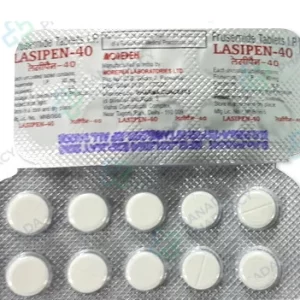
Furosemide
Price range: $ 46,00 through $ 193,00
Active substance: furosemide
More Details
This product has multiple variants. The options may be chosen on the product page