

Alphagan
Price range: $ 65,00 through $ 282,00
Altace
Price range: $ 40,00 through $ 322,00
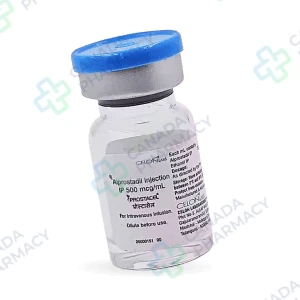
Alprostadil
$ 450,00
Alprostadil is a highly effective medication primarily used to treat erectile dysfunction by significantly improving blood flow to the pelvic region. As a synthetic version of naturally occurring prostaglandin E1, it works by relaxing smooth muscle tissues and dilating blood vessels. This treatment is particularly beneficial for men who require a direct and reliable method to achieve and maintain a firm response. The medication is available in several forms, including injectable solutions and urethral suppositories, to provide flexible options for individual needs. By targeting the physiological causes of impotence, Alprostadil helps restore natural function and enhances overall physical confidence.
Active substance: Alprostadil
Delivery: 5–21 days (depending on the shipping method)
Extra 10% discount with coupon: IT4K6SVM
Each dosage option has its own packaging choices.
Description
Alprostadil belongs to a class of medications known as endogenous prostaglandins, specifically prostaglandin E1 (PGE1). It acts primarily as a direct vasodilator to relax vascular smooth muscle tissue and increase localized blood flow.
In the United States, alprostadil is a prescription-only (Rx) medication approved by the FDA for specific adult urological conditions and pediatric cardiac indications. Its administration and clinical selection depend on the specific pharmaceutical formulation and underlying patient health profile.
| Attribute | Details |
|---|---|
| Active ingredient | Alprostadil (Prostaglandin E1) |
| Primary purpose | Erectile dysfunction treatment; temporary maintenance of ductus arteriosus patency |
| Route of administration | Intracavernosal, intraurethral, intravenous |
| Prescription status | Prescription only (Rx) |
| Mechanism of action | Smooth muscle relaxation via intracellular cAMP elevation |
| Storage | Refrigeration required for specific formulations (36°F to 46°F); light protection |
Clinical Overview and Pharmacology
How the drug works
Alprostadil is a synthetic structural equivalent of naturally occurring prostaglandin E1. The pharmacological action involves direct binding to specific cell-surface prostaglandin receptors on vascular smooth muscle cells. This binding stimulates the enzyme adenylate cyclase, raising intracellular concentrations of cyclic adenosine monophosphate (cAMP). High cAMP levels trigger protein kinase activation, leading to a decrease in intracellular calcium ions and subsequent smooth muscle relaxation. In erectile tissue, this response causes dilation of trabecular arteries and expansion of lacunar spaces, entrapping blood within the corpora cavernosa. In neonatal cardiology, alprostadil prevents the physiological constriction of the ductus arteriosus, preserving systemic or pulmonary blood flow prior to corrective surgery.
Main uses
The United States Food and Drug Administration (FDA) has approved alprostadil for two distinct clinical populations. In adult males, it is indicated for the treatment of erectile dysfunction of neurogenic, vasculogenic, psychogenic, or mixed etiology. It also serves as an adjunct to other diagnostic tests in the evaluation of erectile dysfunction. In neonates, intravenous alprostadil is indicated for the temporary maintenance of patency of the ductus arteriosus in newborns presenting with congenital heart defects who depend on ductal patency for survival, such as pulmonary stenosis, pulmonary atresia, or coarctation of the aorta. Off-label use of alprostadil for peripheral vascular disease or severe Raynaud phenomenon is not FDA-approved and requires individualized medical evaluation.
What happens in the body
Following local intracavernosal or intraurethral administration, alprostadil is rapidly absorbed into local erectile tissues. The onset of action for intracavernosal injection typically occurs within 5 to 20 minutes, while intraurethral administration generally produces an effect within 5 to 10 minutes. The systemically absorbed drug undergoes rapid enzymatic degradation; approximately 70% to 90% of circulating alprostadil is metabolized during a single pass through the lungs via enzymatic oxidation. The resulting metabolites are further broken down in the liver and kidneys. The elimination half-life of alprostadil in systemic circulation is extremely short, measured at approximately 0.5 to 1 minute. Excretion occurs primarily through the kidneys, with metabolites eliminated in urine within 24 hours.
Dosing schedule
Dosage for alprostadil must be individually titrated under direct supervision by a healthcare professional. For intracavernosal injection in adult erectile dysfunction, therapy begins at a low initial dose (often 1.25 to 2.5 mcg) and is gradually adjusted in a medical setting until a response suitable for intercourse is achieved without exceeding a 60-minute duration. The maximum recommended frequency of intracavernosal administration is generally no more than 3 times per week, with at least 24 hours between doses. Intraurethral pellets are administered using a dedicated applicator, starting at lower strengths (such as 125 mcg or 250 mcg) under clinical observation. For pediatric intravenous therapy, dosage is calculated per unit of body weight per minute and requires continuous monitoring in an intensive care environment.
What you may notice early on
When initiating alprostadil therapy, patients usually receive their first application in a clinical setting to establish proper technique and dosage. Following local administration, an erection typically develops within 5 to 20 minutes. Patients may notice a mild sensation of warmth or localized aching in the genital area, which frequently diminishes over time. Achieving an erection that lasts longer than intended during initial titration requires immediate communication with the prescribing clinician to adjust future dosing schedules.
Safety Profile and Frequently Asked Questions
Adverse reactions
The side effect profile of alprostadil varies depending on the route of administration. Localized penile pain is the most frequently reported adverse effect associated with intracavernosal and intraurethral use, occurring in a notable proportion of patients. Additional local reactions include minor bleeding, hematoma at the injection site, localized warmth, and penile erythema. Systemic adverse events are less frequent but can include dizziness, headache, hypotension, and testicular pain. In pediatric intravenous application, common adverse reactions include apnea, flushing, bradycardia, fever, and transient hypotension. Long-term intracavernosal administration carries a risk of penile fibrosis, nodules, or curvature, necessitating routine medical evaluation during prolonged treatment.
Important precautions
Alprostadil is contraindicated in individuals with known hypersensitivity to prostaglandin E1 or any formulation component. Patients with conditions predisposing them to priapism–such as sickle cell anemia, multiple myeloma, or leukemia–should not use alprostadil. It is also contraindicated in men with anatomical deformations of the penis (such as angulation, cavernosal fibrosis, or Peyronie disease) or penile implants. Prolonged erection lasting longer than 4 hours (priapism) represents a medical emergency that requires prompt intervention to prevent irreversible tissue damage. In pediatric care, intravenous alprostadil must be administered with continuous ventilatory support readily available due to the significant risk of drug-induced apnea, particularly in infants weighing under 2 kilograms.
Compatibility with other medicines
Concomitant administration of alprostadil with other vasoactive or antihypertensive medications may potentiate vasodilatory effects, increasing the risk of systemic hypotension and syncope. Combining alprostadil with other treatments for erectile dysfunction–including oral phosphodiesterase type 5 (PDE5) inhibitors–has not been systematically evaluated and is generally not recommended due to heightened risks of priapism and blood pressure fluctuations. Anticoagulant therapies, such as warfarin, heparin, or direct oral anticoagulants, as well as antiplatelet agents, increase the likelihood of bleeding or hematoma formation at the intracavernosal injection site. Patients should disclose all current medications to their prescribing physician.
Red flags
Immediate emergency medical evaluation is necessary if an erection persists for longer than 4 hours, as untreated priapism can cause permanent erectile tissue necrosis. Emergency care is also required if patients experience severe dizziness, lightheadedness, sudden fainting, or chest discomfort following administration. Signs of a severe allergic reaction–including facial swelling, lip or tongue edema, hives, or acute difficulty breathing–warrant immediate emergency medical intervention. Pediatric patients receiving intravenous therapy require immediate intervention if sudden apnea, severe bradycardia, or profound hypotension occurs.
Storage and expiration
Storage requirements for alprostadil vary significantly by product formulation. Certain powder formulations for intracavernosal injection require refrigeration at 36°F to 46°F (2°C to 8°C) before reconstitution, while others may be stored at controlled room temperature below 77°F (25°C) for specified durations. Reconstituted solutions must generally be used immediately or within a strict time limit outlined in the prescribing information. Intraurethral formulations should be stored under refrigeration. Protect all formulations from freezing, direct heat, and light, and safely discard any medication that has passed its stated expiration date.
Common questions
What should be done if an erection lasts more than four hours?
An erection lasting over 4 hours is considered priapism and requires immediate emergency medical attention. Delaying treatment can cause permanent vascular and erectile tissue damage. Emergency physicians typically use aspiration of blood from the cavernous bodies or intracavernosal administration of alpha-adrenergic agonists to resolve the condition. Patients should never attempt to self-treat persistent erections with ice packs or additional medications.
Can alprostadil be used at the same time as oral erectile dysfunction pills?
Combining alprostadil with oral PDE5 inhibitors is generally not recommended unless specifically directed and monitored by a qualified physician. Dual therapy significantly increases the risk of unpredictable hypotensive episodes and priapism. Patients must inform their provider of all erectile dysfunction treatments currently in use to avoid adverse drug interactions.
How does food or alcohol consumption affect the performance of alprostadil?
Unlike oral erectile dysfunction medications, local alprostadil formulations (injections or urethral pellets) act directly on penile vascular tissue and are not affected by food intake. However, heavy alcohol consumption can impair neurological erectile reflexes and exacerbate vasodilation-related side effects such as lightheadedness or low blood pressure. Moderation or avoidance of alcohol is advisable when using this therapy.
Is it safe to drive or operate machinery after using alprostadil?
Alprostadil can cause dizziness, hypotension, or lightheadedness in some individuals shortly after administration. Patients should refrain from driving, operating machinery, or participating in hazardous activities until they know how the medication affects them. If systemic side effects occur, patients should sit or lie down until symptoms completely resolve.
In accordance with FDA requirements.
Information on this page is for reference and does not replace an assessment by a licensed healthcare professional.
Additional information
| Dosage |
500mcg |
|---|---|
| Package |
1 injection |
| Ενεργός Ουσία |
Related products
Anaconda
Price range: $ 87,00 through $ 225,00
Active substance: Sildenafil Citrate
More Details
This product has multiple variants. The options may be chosen on the product page
Apcalis SX Oral Jelly
Price range: $ 48,00 through $ 325,00
Active substance: Tadalafil
More Details
This product has multiple variants. The options may be chosen on the product page
Cialis
Price range: $ 40,00 through $ 470,00
Active substance: Tadalafil
More Details
This product has multiple variants. The options may be chosen on the product page
Cialis Daily
Price range: $ 43,00 through $ 285,00
Active substance: Tadalafil
More Details
This product has multiple variants. The options may be chosen on the product page
Cialis Jelly
Price range: $ 52,00 through $ 352,00
Active substance: Tadalafil
More Details
This product has multiple variants. The options may be chosen on the product page
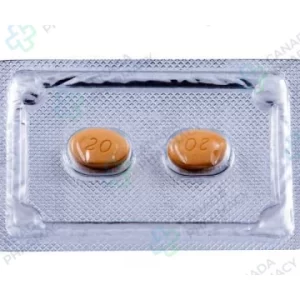
Cialis Professional
Price range: $ 45,00 through $ 490,00
Active substance: Tadalafil
More Details
This product has multiple variants. The options may be chosen on the product page
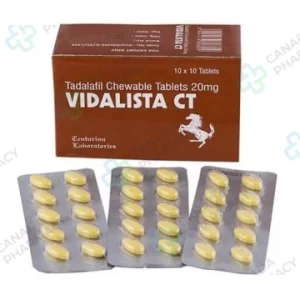
Cialis Soft
Price range: $ 54,00 through $ 442,00
Active substance: Tadalafil
More Details
This product has multiple variants. The options may be chosen on the product page
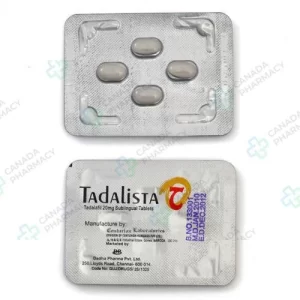
Cialis Sublingual
Price range: $ 75,00 through $ 413,00
Active substance: Tadalafil
More Details
This product has multiple variants. The options may be chosen on the product page