

-13%
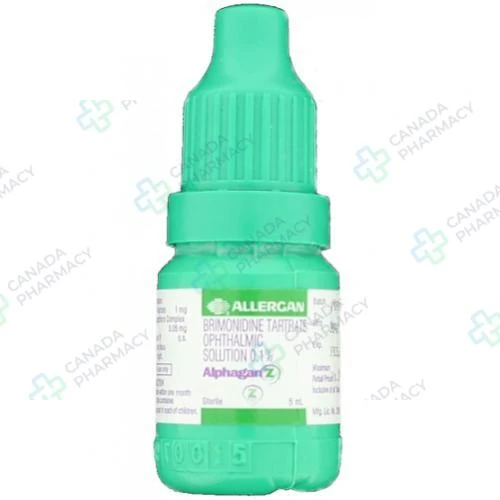
Alphagan
Price range: $ 65,00 through $ 282,00
Alphagan is a specialized ophthalmic solution designed to effectively lower intraocular pressure in individuals with specific eye conditions. It is primarily indicated for the long-term management of open-angle glaucoma and ocular hypertension. The active ingredient, brimonidine tartrate, works by reducing fluid production in the eye while simultaneously enhancing its natural drainage. By maintaining stable pressure levels, this medication helps protect the optic nerve from potential damage and vision loss. These eye drops offer a reliable daily option for supporting overall ocular health and managing elevated eye pressure.
Active substance: Brimonidine ophthalmic
Delivery: 5–21 days (depending on the shipping method)
Extra 10% discount with coupon: IT4K6SVM
Each dosage option has its own packaging choices.
Description
Alphagan belongs to a group of ophthalmic medications known as selective alpha-2 adrenergic agonists. It is an ocular solution prescribed to reduce elevated intraocular pressure in patients diagnosed with open-angle glaucoma or ocular hypertension.
In the United States, Alphagan is available strictly as a prescription medication (Rx only) and must be administered under the supervision of a licensed healthcare professional. Proper management of intraocular pressure is essential to prevent optic nerve damage and subsequent vision impairment.
| Parameter | Details |
|---|---|
| Active ingredient | Brimonidine tartrate |
| Therapeutic class | Alpha-2 adrenergic agonist (Ophthalmic) |
| Dosage form | Ophthalmic solution |
| Route of administration | Topical ocular instillation |
| Primary purpose | Reduction of intraocular pressure |
| Prescription status | Prescription only (Rx) |
Clinical Profile and Administration
How the drug works
Alphagan acts through a dual mechanism of action to lower intraocular pressure. As a selective alpha-2 adrenergic receptor agonist, brimonidine tartrate binds to vascular and neuronal receptors in the eye. This binding leads to a reduction in the rate of aqueous humor production by the ciliary body. Simultaneously, it increases uveoscleral outflow, facilitating the drainage of fluid from the anterior chamber of the eye. Peak intraocular pressure reduction typically occurs between 2 and 3 hours following topical instillation. By maintaining lower pressure within the eye, the drug helps decrease the risk of progressive optic nerve head damage and visual field defects.
What it’s used for
Alphagan is indicated for the reduction of elevated intraocular pressure (IOP) in adult patients with open-angle glaucoma or ocular hypertension. Elevated IOP represents a major risk factor for irreversible optic neuropathy. Any off-label applications–such as the short-term prevention of intraocular pressure spikes following specific ocular surgical or laser procedures–must be explicitly evaluated and monitored by an ophthalmologist, as they are not explicitly listed in the primary FDA-approved prescribing label for long-term therapy.
Dosing schedule
The standard dosage of Alphagan is one drop instilled into the affected eye or eyes three times daily, approximately 8 hours apart. Strict adherence to the dosing interval is necessary to maintain consistent pressure control throughout a 24-hour cycle. If a patient is using more than one topical ophthalmic drug, the medications must be administered at least 5 minutes apart to prevent washing out the previous instillation. Patients wearing soft contact lenses must remove them prior to administering Alphagan and wait at least 15 minutes before reinserting the lenses, as preservatives in the solution (such as benzalkonium chloride) may be absorbed by soft lenses.
How it’s absorbed and eliminated
Following topical application to the ocular surface, brimonidine is absorbed locally into the tissues of the eye and systemically through the nasolacrimal drainage system. Peak plasma concentrations are reached within 1 to 4 hours post-instillation. Systemically absorbed brimonidine undergoes extensive metabolism by the liver, primarily via oxidation of the quinoxaline ring system and aldehyde reduction. The resulting metabolites are eliminated primarily by the kidneys through urinary excretion. The systemic elimination half-life averages approximately 2 to 3 hours in adults with normal renal and hepatic clearance.
Day-to-day use
Proper administration technique is crucial to ensure efficacy and minimize systemic absorption. Prior to instillation, hands should be thoroughly washed with soap and water. The tip of the dropper container must not touch the eye, surrounding ocular structures, fingers, or any other surface to avoid bacterial contamination of the solution. After instilling the prescribed drop into the conjunctival sac, gentle pressure should be applied to the inner corner of the eye (nasolacrimal occlusion) for 1 to 2 minutes while keeping the eye closed. This practice reduces systemic vascular absorption via the nasal mucosa, thereby minimizing systemic side effects.
Safety, Precautions, and Frequently Asked Questions
Compatibility with other medicines
Brimonidine tartrate may interact with several systemic therapeutic agents. Concomitant use with monoamine oxidase (MAO) inhibitors is contraindicated or requires extreme caution, as MAO inhibition can interfere with the metabolism of brimonidine and potentially lead to severe systemic vascular cardiovascular events. Central nervous system depressants, including alcohol, barbiturates, opiates, sedatives, and anesthetics, may exhibit additive sedative effects when combined with topically administered brimonidine. In addition, cardiac glycosides, antihypertensive agents, and beta-blockers should be monitored carefully due to potential additive reductions in blood pressure and pulse rate.
Adverse reactions
Adverse events associated with Alphagan involve both local ocular reactions and systemic effects. The most frequently observed local side effects include allergic conjunctivitis, ocular hyperemia (eye redness), ocular pruritus (itching), burning or stinging upon instillation, conjunctival folliculosis, visual disturbances, and dry eye symptoms. Systemic adverse reactions occur due to partial vascular absorption and may include dry mouth, somnolence, fatigue, headache, dizziness, and upper respiratory symptoms. Patients who develop severe allergic ocular reactions, such as marked eyelid swelling or severe discharge, should contact their treating healthcare provider promptly.
Important precautions
Alphagan is strictly contraindicated in pediatric patients under 2 years of age due to the elevated risk of serious central nervous system depression, hypothermia, hypotonia, and severe respiratory depression (apnea). Caution must be exercised in adult patients with severe, unstable cardiovascular disease, severe renal impairment, hepatic dysfunction, depression, cerebral or coronary insufficiency, Raynaud’s phenomenon, or orthostatic hypotension. Regular monitoring of intraocular pressure and visual fields by an eye care specialist is required throughout the duration of treatment.
Special populations
In pediatric patients aged 2 to 6 years, clinical observation has shown a high incidence of somnolence and lethargy. Use during pregnancy should be considered only if the potential benefit to the mother justifies the potential risk to the fetus. It is currently unknown whether brimonidine tartrate is excreted in human milk following ocular administration; caution should be exercised when Alphagan is prescribed to a nursing mother. Clinical studies demonstrate that safety and efficacy profiles in elderly patients (65 years of age and older) are generally consistent with those observed in younger adult populations, though systemic sensitivity to blood pressure alterations may be heightened.
Red flags
Immediate emergency medical evaluation is necessary if a patient experiences severe adverse events suggesting a systemic reaction or acute ocular complication. Red flag symptoms include:
- Signs of a severe systemic allergic reaction, such as swelling of the face, lips, tongue, or throat, or severe difficulty breathing.
- Sudden, severe reduction in visual acuity or acute eye pain.
- Extreme bradycardia (abnormally slow heart rate) or marked dizziness leading to syncope (fainting).
- Severe lethargy, confusion, or unresponsive state, particularly in younger individuals.
If you skip a dose
If a dose of Alphagan is missed, the patient should apply the missed drop as soon as it is remembered. However, if it is almost time for the next scheduled dose, the missed dose should be skipped entirely, and the regular dosing schedule should be resumed. Patients must not double the dose or instil extra drops to compensate for a missed application, as over-instillation increases the risk of systemic adverse reactions without improving intraocular pressure control.
Can Alphagan cause drowsiness while driving or operating machinery?
Yes. Brimonidine tartrate can cause central nervous system depression leading to fatigue, somnolence, and dizziness in some patients. Individuals who experience these symptoms should refrain from driving, operating heavy machinery, or performing hazardous tasks that require complete mental alertness until the effects have fully resolved.
What steps should soft contact lens wearers follow when using this drop?
Soft contact lenses must be removed prior to instilling Alphagan into the eye. The solution contains preservatives that can be absorbed by soft contact lenses and cause ocular irritation. Patients should wait at least 15 minutes after instillation before reinserting their contact lenses into the eye.
Is it safe to stop using Alphagan abruptly if eye pressure returns to normal?
No. Glaucoma and ocular hypertension are chronic conditions that require ongoing management. Intraocular pressure decreases only while the medication is being actively used. Abruptly discontinuing Alphagan can cause intraocular pressure to rebound to dangerously high levels, increasing the risk of progressive optic nerve damage and vision loss. Any change in regimen must be directed by a doctor.
How does Alphagan differ from beta-blocker eye drops?
Alphagan is an alpha-2 adrenergic agonist that works by both lowering aqueous humor production and increasing its outflow. In contrast, ophthalmic beta-blockers lower intraocular pressure primarily by decreasing aqueous humor production alone. The therapeutic choice between these classes depends on individual patient medical history, contraindications, and baseline intraocular pressure levels.
In accordance with FDA requirements.
This text is for informational purposes only and does not constitute individual medical advice.
Additional information
| Dosage |
5ml |
|---|---|
| Package |
2 bottles ,3 bottles ,4 bottles ,5 bottles ,6 bottles ,7 bottles ,8 bottles ,9 bottles ,10 bottles |
| Ενεργός Ουσία |
Related products
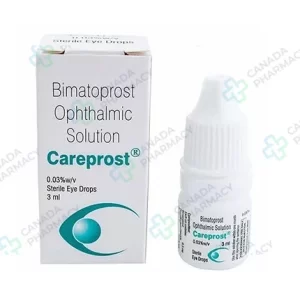
Careprost
Price range: $ 42,00 through $ 367,00
Active substance: Bimatoprost
More Details
This product has multiple variants. The options may be chosen on the product page
Cyclogyl
$ 32,00
Active substance: Cyclopentolate ophthalmic
More Details
This product has multiple variants. The options may be chosen on the product page
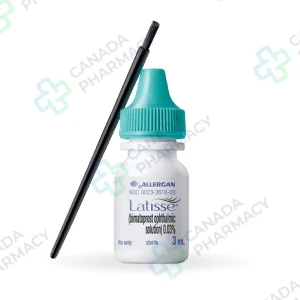
Latisse Ophthalmic Solution
Price range: $ 35,00 through $ 165,00
Active substance: Bimatoprost Ophthalmic Solution
More Details
This product has multiple variants. The options may be chosen on the product page
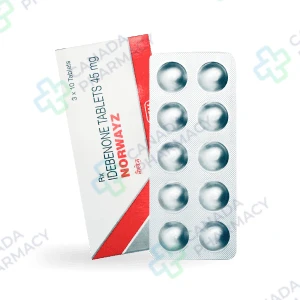
Norwayz
Price range: $ 49,00 through $ 69,00
Active substance: Idebenone
More Details
This product has multiple variants. The options may be chosen on the product page
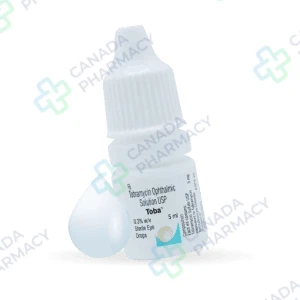
Toba Eye Drops
Price range: $ 11,00 through $ 31,00
Active substance: Tobramycin
More Details
This product has multiple variants. The options may be chosen on the product page
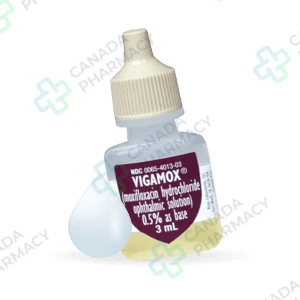
Vigamox Ophthalmic Solution
Price range: $ 24,00 through $ 69,00
Active substance: Moxifloxacin
More Details
This product has multiple variants. The options may be chosen on the product page
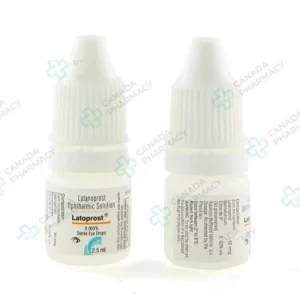
Xalatan
Price range: $ 74,00 through $ 405,00
Active substance: xalatan
More Details
This product has multiple variants. The options may be chosen on the product page