

-24%
Alli
Price range: $ 41,00 through $ 317,00
Alphagan
Price range: $ 65,00 through $ 282,00
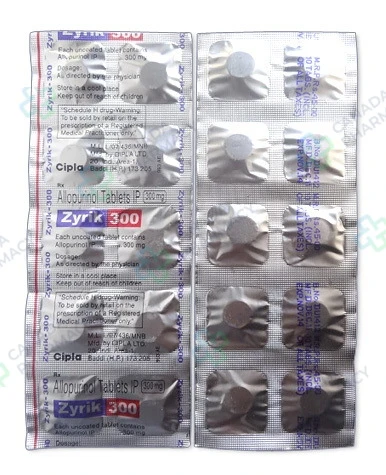
Allopurinol
Price range: $ 17,00 through $ 238,00
Allopurinol is a highly effective medication primarily used to manage high levels of uric acid in the body. It is widely utilized to prevent gout attacks by inhibiting the production of uric acid, thereby reducing painful joint inflammation. This treatment is also beneficial for patients suffering from specific types of kidney stones, helping to prevent their recurrence. Additionally, it helps manage elevated uric acid levels in patients undergoing chemotherapy for certain types of cancer. By maintaining healthy uric acid levels, this medication significantly improves the long-term quality of life for individuals dealing with chronic hyperuricemia.
Active substance: allopurinol
Delivery: 5–21 days (depending on the shipping method)
Extra 10% discount with coupon: IT4K6SVM
Each dosage option has its own packaging choices.
Description
Allopurinol belongs to a class of medications known as xanthine oxidase inhibitors. It is prescribed by healthcare providers to manage clinical conditions caused by excess uric acid in the body, including chronic gouty arthritis, uric acid nephropathy, and secondary hyperuricemia associated with specific cancer therapies.
As a prescription-only pharmaceutical in the United States, allopurinol requires clinical evaluation, baseline renal function assessment, and regular monitoring by a licensed healthcare professional. It is formulated for oral administration and serves as a long-term preventive agent rather than a treatment for acute pain episodes.
Key Clinical Overview
| Parameter | Specification |
|---|---|
| Active ingredient | Allopurinol |
| Therapeutic class | Xanthine oxidase inhibitor |
| Route of administration | Oral |
| Primary purpose | Reduction of serum and urinary uric acid concentrations |
| Prescription status | Prescription (Rx) only |
| Storage requirements | Controlled room temperature (68°F to 77°F / 20°C to 25°C) |
How the drug works
The drug contains allopurinol, a structural isomer of the natural purine base hypoxanthine. The mechanism of action involves the competitive inhibition of xanthine oxidase, the enzyme responsible for the metabolic conversion of hypoxanthine to xanthine, and xanthine to uric acid. By blocking this specific enzymatic pathway, allopurinol decreases the production of uric acid without disrupting the biosynthesis of essential purines. Furthermore, the active metabolite oxypurinol (alloxanthine) also acts as a non-competitive inhibitor of xanthine oxidase, prolonging the biochemical effect. Reducing serum uric acid below its limit of solubility prevents the crystallization of monosodium urate in joint tissues and kidneys.
Main uses
Allopurinol is indicated for the control of serum uric acid levels in patients with primary or secondary gout accompanied by clinical manifestations such as gouty arthritis, cutaneous tophi, or renal uric acid lithiasis. It is also FDA-approved for the management of serum uric acid elevation in pediatric and adult patients undergoing antineoplastic therapy for leukemia, lymphoma, or solid tumors, which can induce rapid cellular lysis (tumor lysis syndrome). Additionally, the drug is indicated for patients presenting with recurrent calcium oxalate renal stones when daily urinary uric acid excretion exceeds standard physiological ranges. Allopurinol is not indicated for treating acute attacks of gout.
Dosing schedule
The dosage is determined individually based on baseline serum uric acid concentrations and underlying renal clearance parameters. For mild gouty conditions, the initial adult maintenance dosage ranges from 100 mg to 300 mg daily administered orally. Patients with moderately severe or severe gout may require 400 mg to 600 mg daily. When total daily dosages exceed 300 mg, the total amount should be administered in divided doses following meals to minimize gastrointestinal side effects. In patients with compromised kidney function, lower starting doses, such as 50 mg to 100 mg daily, or extended dosing intervals are required to prevent drug accumulation.
How it’s absorbed and eliminated
Following oral ingestion, allopurinol is rapidly absorbed from the upper gastrointestinal tract, achieving peak plasma concentrations within 1.5 hours. Approximately 80% of an administered oral dose is bioavailable. Allopurinol exhibits a short plasma half-life of approximately 1 to 2 hours because it is extensively metabolized by hepatic and vascular enzymes into its primary active metabolite, oxypurinol. Oxypurinol possesses a substantially longer elimination half-life, ranging between 15 and 30 hours in individuals with normal renal clearance. Approximately 80% of the ingested dose is eliminated via the kidneys as oxypurinol, while unabsorbed material and minor metabolites are excreted in the feces.
Patient Safety and Practical Guidance
Compatibility with other medicines
Co-administration of allopurinol with azathioprine or 6-mercaptopurine results in significant pharmacological interactions. Because xanthine oxidase metabolizes these purine antimetabolites, concurrent use increases their bioavailability and systemic toxicity, requiring an immediate reduction of the immunosuppressant dose to 25%–33% of the standard regimen. Simultaneous administration of ampicillin or amoxicillin increases the statistical risk of developing cutaneous hypersensitivity reactions. Furthermore, uricosuric agents such as probenecid increase the renal clearance of oxypurinol, which may alter therapeutic efficacy. Allopurinol may also prolong the plasma half-life of oral anticoagulants like warfarin, necessitating periodic monitoring of prothrombin time and international normalized ratio (INR).
Adverse reactions
The most common adverse reaction associated with allopurinol administration is a maculopapular skin eruption. Severe hypersensitivity events, including Stevens-Johnson syndrome (SJS), toxic epidermal necrolysis (TEN), and Drug Reaction with Eosinophilia and Systemic Symptoms (DRESS), represent rare but life-threatening risks. Systemic manifestations of severe reactions may include fever, chills, hepatitis, lymphadenopathy, and acute renal impairment. Gastrointestinal disturbances, including nausea, vomiting, abdominal distress, and diarrhea, may occur. Laboratory monitoring may occasionally detect transient elevations in serum transaminases, alkaline phosphatase, or blood urea nitrogen, as well as transient hematologic changes such as leukopenia or eosinophilia.
Important precautions
Therapy must be discontinued immediately at the first manifestation of a skin rash, mucosal lesion, or any symptom indicative of an allergic reaction. Patients carrying the HLA-B*5801 genetic allele–prevalent in specific populations, including individuals of Han Chinese, Thai, or Korean descent–exhibit a higher baseline risk for allopurinol hypersensitivity syndrome. Initiation of urate-lowering therapy can trigger an acute flare of gout due to mobilization of urate tissue deposits; therefore, prophylactic co-administration of colchicine or an oral nonsteroidal anti-inflammatory drug (NSAID) is recommended during initial months of treatment. Periodic assessment of liver enzymes and renal function parameters is required.
Red flags
Emergency medical care should be sought immediately if a patient develops any of the following clinical signs while taking allopurinol:
- Severe rash, skin scaling, blistering, or mucosal lesions around the eyes, mouth, or genitalia.
- Swelling of the face, lips, tongue, or larynx causing upper airway compromise.
- High fever accompanied by joint pain, swollen lymph nodes, or generalized malaise.
- Jaundice (yellowing of the skin or eyes), dark urine, or upper right abdominal pain.
- Unexplained bleeding, petechiae, or persistent infection symptoms.
What to avoid while taking it
Dietary control forms an integral component of comprehensive hyperuricemia management. Fluid intake should be maintained at a level adequate to ensure a daily urinary volume of at least 2 liters, which minimizes the potential for renal uric acid stone precipitation. Consumption of alcoholic beverages, particularly beer and high-proof spirits, should be restricted, as alcohol increases purine catabolism and decreases urate renal clearance. Diets heavy in purine-rich items–including red meat, organ meats, and certain seafoods–may decrease the therapeutic efficiency of long-term uric acid reduction.
If you skip a dose
If a dose of allopurinol is missed, it should be ingested as soon as remembered on that day. However, if the time approaches the next scheduled dose, the skipped dose must be omitted, and the regular schedule resumed. Patients should never double the dose to compensate for a missed administration. Maintaining consistent daily exposure is essential to stabilize serum uric acid concentrations and prevent fluctuations that could trigger gout flares.
Practical tips
Allopurinol should be ingested immediately following meals with a full glass of water to reduce potential gastric irritation. Establishing a routine schedule, such as taking the medication at the same time each morning or evening, helps maintain daily compliance. Patients should keep all scheduled laboratory appointments for serum uric acid evaluation to allow the prescribing clinician to adjust the dose effectively based on target clinical values.
Common questions
Is it normal to experience an acute gout flare after starting allopurinol?
Yes. Initiating allopurinol alters serum uric acid concentrations, which can cause the mobilization of monosodium urate deposits from joint tissues. This transition frequently precipitates an acute gout attack. Prescribers typically order concomitant prophylactic anti-inflammatory agents, such as low-dose colchicine or an NSAID, during the initial weeks or months of therapy.
How long does it take for serum uric acid levels to decrease?
Reductions in serum uric acid concentrations typically begin within 24 to 48 hours after starting therapy, reaching stable nadir levels within 1 to 3 weeks of continuous daily administration. The exact timeframe depends on the patient’s renal function, starting dose, and adherence to treatment.
What laboratory tests are necessary during long-term therapy?
Prescribers routinely monitor serum uric acid levels to titrate allopurinol to the effective target threshold (typically below 6 mg/dL). Baseline and periodic laboratory evaluations also include serum creatinine, blood urea nitrogen, complete blood counts, and hepatic transaminase panels.
How does renal impairment affect allopurinol administration?
Because the active metabolite oxypurinol is primarily cleared by the kidneys, reduced renal clearance increases oxypurinol accumulation, raising the risk of toxicity. Clinicians adjust the starting dosage downwards and monitor renal function markers closely in patients with chronic kidney disease.
Can allopurinol be discontinued abruptly once gout symptoms resolve?
Discontinuing allopurinol can lead to a rapid rebound in serum uric acid concentrations, increasing the risk of recurrent gout flares, tophi formation, and renal urate deposition. Any adjustment or termination of therapy should occur strictly under direct medical supervision.
In accordance with FDA regulatory guidelines.
This text is for informational purposes only and does not constitute individual medical advice.
Additional information
| Dosage |
100 mg ,300mg |
|---|---|
| Package |
30 tabs ,60 tabs ,60 pills ,90 pills ,90 tabs ,120 pills ,120 tabs ,180 pills ,180 tabs ,270 pills ,360 pills ,360 tabs |
| Ενεργός Ουσία |
Related products
Ascorbic Acid
Price range: $ 58,00 through $ 69,00
Active substance: Ascorbic Acid
More Details
This product has multiple variants. The options may be chosen on the product page
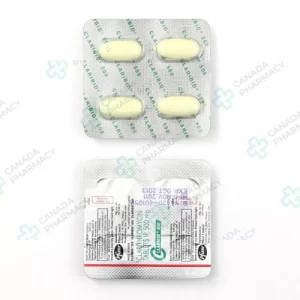
Biaxin
Price range: $ 107,00 through $ 427,00
Active substance: Clarithromycin
More Details
This product has multiple variants. The options may be chosen on the product page
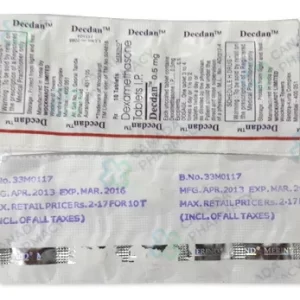
Decadron
Price range: $ 12,00 through $ 182,00
Active substance: Dexamethasone
More Details
This product has multiple variants. The options may be chosen on the product page
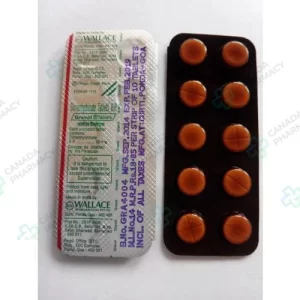
Dramamine
Price range: $ 10,00 through $ 207,00
Active substance: dimenhydrinate
More Details
This product has multiple variants. The options may be chosen on the product page
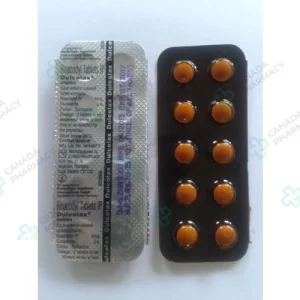
Dulcolax
Price range: $ 44,00 through $ 148,00
Active substance: Bisacodyl
More Details
This product has multiple variants. The options may be chosen on the product page
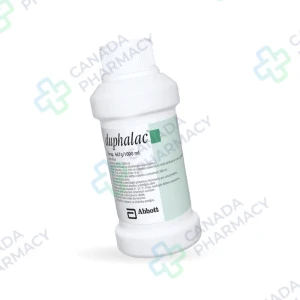
Duphalac
Price range: $ 48,00 through $ 300,00
Active substance: Lactulose
More Details
This product has multiple variants. The options may be chosen on the product page
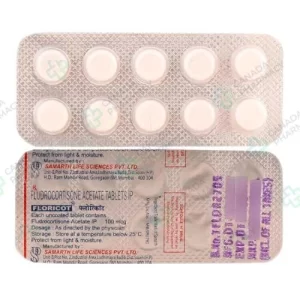
Florinef
Price range: $ 51,00 through $ 367,00
Active substance: Fludrocortisone
More Details
This product has multiple variants. The options may be chosen on the product page
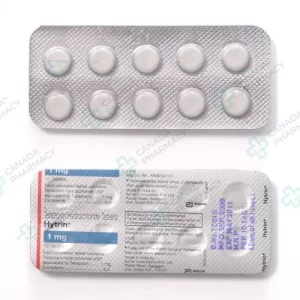
Hytrin
Price range: $ 57,00 through $ 451,00
Active substance: Terazosin
More Details
This product has multiple variants. The options may be chosen on the product page