

-12%
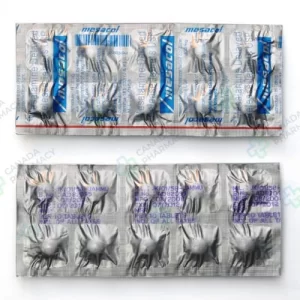
Asacol
Price range: $ 62,00 through $ 88,00
Asendin
Price range: $ 41,00 through $ 369,00
Ascorbic Acid
Price range: $ 58,00 through $ 69,00
Ascorbic Acid, commonly known as Vitamin C, is an essential water-soluble nutrient that plays a vital role in maintaining overall health. This powerful antioxidant helps strengthen the immune system by supporting various cellular functions of both the innate and adaptive immune systems. It is crucial for the natural synthesis of collagen, which promotes healthy skin, connective tissue, and effective wound healing. The supplement also enhances the absorption of non-heme iron from plant-based foods, helping to maintain healthy blood levels. Regular intake provides critical protection against oxidative stress caused by free radicals, supporting long-term cellular integrity.
Active substance: Ascorbic Acid
Delivery: 5–21 days (depending on the shipping method)
Extra 10% discount with coupon: IT4K6SVM
Each dosage option has its own packaging choices.
Description
Ascorbic acid belongs to the class of essential water-soluble vitamins required for collagen formation, tissue repair, and immune function. In the United States, oral ascorbic acid is available over-the-counter for maintaining adequate nutrient levels and treating clinical deficiency states.
The human body cannot synthesize ascorbic acid endogenously, making daily dietary intake or supplementation necessary for normal physiological operation. While standard dietary sources satisfy daily requirements for most individuals, therapeutic administration is indicated for severe nutritional shortfalls, chronic malabsorption, or clinical scurvy.
| Parameter | Details |
|---|---|
| Drug name | Ascorbic Acid |
| Active ingredient | L-ascorbic acid (Vitamin C) |
| Therapeutic class | Water-soluble vitamin / Antioxidant |
| Dosage form | Oral tablets, chewable tablets, extended-release capsules |
| Route of administration | Oral |
| Prescription status | Over-the-counter (oral formulations) |
Clinical Overview of Ascorbic Acid
Main uses
Ascorbic acid is primarily indicated for the treatment and prevention of vitamin C deficiency, including its severe clinical form, scurvy. In clinical practice, oral supplementation is utilized when dietary intake is inadequate due to severe restrictive diets, malabsorption syndromes, or increased metabolic demand. It is also used off-label as an adjunct therapy for urinary acidification in specific metabolic protocols, although its efficacy for this purpose depends on urinary pH and dosage parameters. Off-label use for general immune support during viral illnesses is common, though clinical evidence supports its use primarily in reducing the duration of symptoms rather than preventing disease onset in the general population.
How the drug works
Ascorbic acid functions as an essential co-factor for multiple enzymatic pathways and acts as a major biological reducing agent (antioxidant). It serves as a necessary co-substrate for lysyl and prolyl hydroxylases, enzymes responsible for the post-translational modification of procollagen. This process enables the triple-helix structure of collagen, which maintains the structural integrity of skin, blood vessels, cartilage, bone, and dentin. Additionally, ascorbic acid promotes non-heme iron absorption in the gastrointestinal tract by maintaining iron in its soluble ferrous (Fe2+) state. Its antioxidant capacity allows it to directly scavenge reactive oxygen species, protecting cellular lipids, proteins, and nucleic acids from oxidative damage.
Dosing schedule
Dosing of ascorbic acid varies depending on whether the clinical objective is nutritional maintenance or correction of an established deficiency. The Recommended Dietary Allowance (RDA) for healthy adults in the United States ranges from 75 mg daily for adult females to 90 mg daily for adult males, with an additional 35 mg daily required for individuals who smoke tobacco. For the treatment of clinical scurvy, adult doses typically range from 100 mg to 250 mg administered once or twice daily for several weeks until body stores are restored. The Food and Nutrition Board of the Institute of Medicine has set the Tolerable Upper Intake Level (UL) at 2,000 mg per day for adults to minimize the risk of gastrointestinal adverse effects.
Adverse reactions
Ascorbic acid is generally well tolerated at doses within recommended dietary limits, but adverse effects increase in incidence and severity with higher supplemental intakes. Gastrointestinal complaints are the most frequent side effects associated with high oral doses, including diarrhea, abdominal cramps, nausea, and flatulence, primarily due to the osmotic effect of unabsorbed ascorbic acid in the intestinal lumen. High daily intakes exceeding 2,000 mg may lead to hyperoxaluria, as ascorbic acid is metabolized into oxalate, increasing the risk of calcium oxalate renal stone formation. Cutaneous reactions, headache, and flushing have been reported infrequently with oral administration.
What happens in the body
Ascorbic acid is absorbed rapidly from the gastrointestinal tract via sodium-dependent vitamin C transporters (SVCT1 and SVCT2). The efficiency of intestinal absorption is dose-dependent: at low daily intakes (30 to 180 mg), approximate absorption reaches 70% to 90%, whereas at doses exceeding 1,000 mg, fractional absorption falls significantly to under 50%. The compound is widely distributed throughout body tissues, with highest concentrations found in the adrenal glands, pituitary gland, eye lenses, and white blood cells. Ascorbic acid undergoes reversible oxidation to dehydroascorbic acid and is further metabolized into inactive compounds, including oxalic acid and diketogulonic acid. When body tissue saturation is achieved, excess ascorbic acid is excreted unchanged by the kidneys.
Compatibility with other medicines
Ascorbic acid can interact with several co-administered pharmaceuticals. Concurrent administration with aluminum-containing antacids can lead to increased intestinal absorption of aluminum, which may present toxicity concerns in patients with impaired renal function. Co-administration of high-dose ascorbic acid with deferoxamine may increase iron toxicity, particularly in cardiac tissues; caution and monitoring are advised when initiating vitamin C therapy in these patients. High doses of ascorbic acid may also slightly alter the anticoagulant action of oral warfarin, requiring periodic monitoring of prothrombin time or International Normalized Ratio (INR). Furthermore, concomitant use with oral contraceptives or hormone replacement therapy may increase circulating estrogen levels due to competitive inhibition of sulfation pathways.
Food and alcohol interactions
Taking oral ascorbic acid with food or immediately after a meal can help mitigate potential upper gastrointestinal discomfort, such as gastric irritation or mild nausea. Chronic, heavy alcohol ingestion adversely affects ascorbic acid status by reducing intestinal absorption efficiency, increasing renal excretion, and impairing overall nutritional intake. Consequently, chronic alcohol exposure significantly lowers systemic ascorbate concentrations and increases the risk of functional deficiency.
Important precautions
Caution is advised in patients with underlying iron overload disorders, such as hemochromatosis, thalassemias, or sideroblastic anemia, as ascorbic acid enhances non-heme iron absorption and can exacerbate systemic iron deposition. Patients with glucose-6-phosphate dehydrogenase (G6PD) deficiency should avoid high supplemental doses of ascorbic acid, which may trigger oxidative hemolysis. Individuals with a personal or familial history of calcium oxalate nephrolithiasis should limit daily supplemental intake to avoid elevated urinary oxalate levels. Patients with chronic kidney disease or those undergoing hemodialysis require careful dosage adjustments due to diminished urinary clearance and the potential accumulation of plasma oxalate.
Pregnancy, breastfeeding, and other groups
Ascorbic acid crosses the placental barrier via active transport mechanisms, resulting in fetal plasma concentrations higher than maternal levels. The Recommended Dietary Allowance for pregnant individuals is 85 mg per day, and high-dose supplementation should be avoided unless specifically directed by a healthcare provider. Ascorbic acid is actively excreted into human breast milk, with a lactation RDA of 120 mg per day. Pediatric dosing should strictly align with age-based RDA guidelines to prevent gastrointestinal upset. In elderly populations, routine assessment of dietary adequacy is recommended, as nutritional intake may be variable.
If you skip a dose
If an oral dose of ascorbic acid is missed, it should be taken as soon as remembered on the same day. However, if the time is close to the next scheduled dose, the missed dose should be skipped entirely, resuming the regular dosing routine. Patients should not take two doses simultaneously or increase the dosage to make up for a skipped dose.
Storage and expiration
Ascorbic acid solid dosage forms should be stored at controlled room temperature between 20°C and 25°C (68°F to 77°F), with temporary excursions permitted between 15°C and 30°C (59°F to 86°F). Protect the product from light, excessive heat, and moisture by keeping the container tightly closed. Liquid formulations and chewable tablets are susceptible to oxidation; darkening or severe discoloration of the product typically indicates chemical degradation and loss of potency, after which the medication should be safely discarded.
Common Questions
What happens if an oral dose of ascorbic acid causes stomach upset?
Gastrointestinal discomfort, such as mild stomach cramping or nausea, usually occurs when ascorbic acid is taken on an empty stomach or at high single doses. Taking the tablet with meals or splitting a higher daily dose into smaller portions throughout the day often resolves these symptoms. If abdominal discomfort or diarrhea persists despite taking the dose with food, reducing the daily amount below 1,000 mg is recommended.
Is it normal for ascorbic acid tablets to change color over time?
Ascorbic acid is vulnerable to oxidation when exposed to air, light, or ambient moisture. Over time, oxidation can cause white or light-colored tablets to turn pale yellow or brownish. While slight color changes may not be immediately harmful, pronounced darkening signifies degradation of the active ingredient and reduced therapeutic potency. Products showing severe discoloration should be properly discarded.
Can high doses of ascorbic acid cause false readings on blood or urine laboratory tests?
Yes, elevated systemic levels of ascorbic acid can interfere with specific chemical assays. High concentrations of ascorbic acid in the urine can produce false-negative results on dipstick tests for urinary glucose, hemoglobin, and bilirubin. High oral intakes may also interfere with stool occult blood tests that rely on peroxidase reactions. Patients should inform laboratory personnel and their healthcare provider about ascorbic acid supplementation prior to diagnostic testing.
How long does it take for symptoms of vitamin C deficiency to improve after starting treatment?
Initial subjective improvements, such as decreased fatigue and improved appetite, often begin within 24 to 48 hours of starting therapeutic ascorbic acid dosing for clinical deficiency. Cutaneous and mucosal manifestations of scurvy, including petechiae and bleeding gums, typically show noticeable resolution within 1 to 2 weeks. Structural wound healing and complete restoration of tissue ascorbate reserves generally require several weeks of continuous compliant therapy.
Should individuals with a history of kidney stones take high-dose ascorbic acid supplements?
Patients with a history of calcium oxalate nephrolithiasis should exercise caution and avoid taking ascorbic acid doses exceeding the established upper limit of 2,000 mg per day. Ascorbic acid metabolic breakdown leads to oxalate formation, which is excreted in the urine and can raise the risk of stone crystallization. Individuals prone to kidney stones should discuss appropriate daily supplement limits with their physician before initiating therapy.
In accordance with FDA guidelines and US federal standards, dietary supplements and over-the-counter medications should be used as directed on the product labeling or under professional guidance.
This text is for informational purposes only and does not constitute individual medical advice.
Additional information
| Dosage |
500 mg |
|---|---|
| Package |
270 pills ,360 pills |
| Ενεργός Ουσία |
Related products
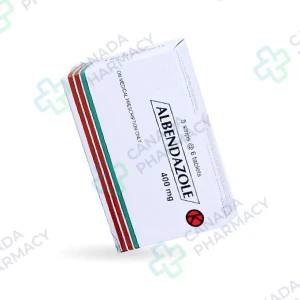
Albendazole
Price range: $ 46,00 through $ 121,00
Active substance: Albendazole
More Details
This product has multiple variants. The options may be chosen on the product page
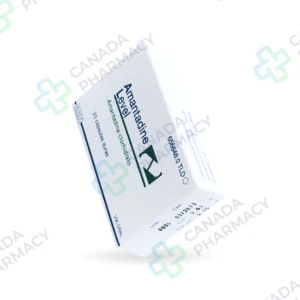
Amantadine
Price range: $ 19,00 through $ 249,00
Active substance: Amantadine
More Details
This product has multiple variants. The options may be chosen on the product page
Capoten
Price range: $ 42,00 through $ 323,00
Active substance: Captopril
More Details
This product has multiple variants. The options may be chosen on the product page
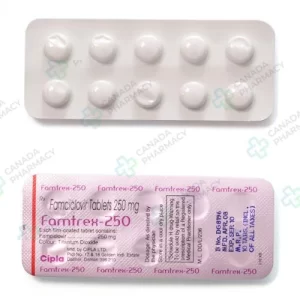
Famvir
Price range: $ 136,00 through $ 285,00
Active substance: Famciclovir
More Details
This product has multiple variants. The options may be chosen on the product page
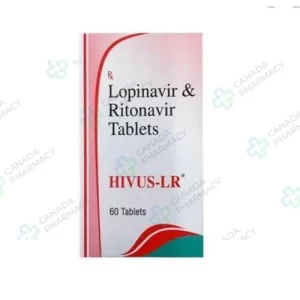
Kaletra
More Details
This product has multiple variants. The options may be chosen on the product page
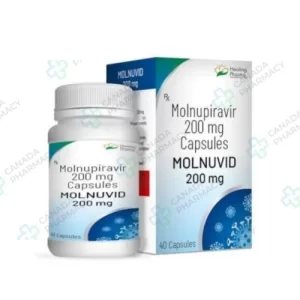
Molnupiravir
Price range: $ 229,00 through $ 706,00
Active substance: Molnupiravir
More Details
This product has multiple variants. The options may be chosen on the product page
Procardia
Price range: $ 28,00 through $ 269,00
Active substance: Nifedipine
More Details
This product has multiple variants. The options may be chosen on the product page
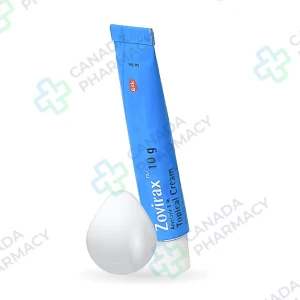
Zovirax Cream
Price range: $ 46,00 through $ 138,00
Active substance: Acyclovir
More Details
This product has multiple variants. The options may be chosen on the product page