

-6%
Artvigil
Price range: $ 65,00 through $ 398,00
Ascorbic Acid
Price range: $ 58,00 through $ 69,00
Asacol
Price range: $ 62,00 through $ 88,00
Asacol is a trusted anti-inflammatory medication specifically formulated to manage inflammatory bowel conditions. It is primarily indicated for the treatment of mild to moderate ulcerative colitis to reduce inflammation in the colon and rectum. The delayed-release tablets ensure that the active ingredient reaches the intestinal tract to provide targeted relief from symptoms. Regular use helps maintain remission and prevents future flare-ups of abdominal pain and discomfort. By effectively controlling intestinal swelling, Asacol supports long-term digestive health and improves daily well-being.
Active substance: Mesalamine
Delivery: 5–21 days (depending on the shipping method)
Extra 10% discount with coupon: IT4K6SVM
Each dosage option has its own packaging choices.
Description
Asacol belongs to a group of medicines known as aminosalicylates. It is a prescription delayed-release formulation of mesalamine designed to treat inflammatory bowel conditions. Proper administration ensures targeted delivery of the active substance to the lower gastrointestinal tract under qualified medical supervision.
This therapeutic agent is indicated for the treatment and maintenance of remission in patients diagnosed with mildly to moderately active ulcerative colitis. The delayed-release mechanism relies on an outer coating that resists gastric acid, allowing the active component to release at a specific intestinal pH. As a prescription-only medication in the United States, its administration requires regular monitoring by a healthcare practitioner to evaluate therapeutic response and renal safety.
| Attribute | Specification |
|---|---|
| Drug name | Asacol |
| Active ingredient (INN) | Mesalamine (5-aminosalicylic acid / 5-ASA) |
| Therapeutic class | Aminosalicylate, Anti-inflammatory agent |
| Dosage form | Delayed-release tablet |
| Route of administration | Oral |
| Prescription status | Prescription (Rx) only |
Clinical Profile and Pharmacological Actions
How the drug works
The active ingredient in Asacol, mesalamine (5-aminosalicylic acid), acts locally within the mucosa of the gastrointestinal tract. Rather than exerting a systemic pharmacological effect, mesalamine diminishes inflammation by inhibiting cyclooxygenase and lipoxygenase pathways, thereby decreasing the production of proinflammatory eicosanoids such as prostaglandins and leukotrienes. Additionally, it serves as a scavenger of reactive oxygen radicals generated in inflamed intestinal tissue. The delayed-release coating is engineered to dissolve at pH 7.0 or higher, ensuring that the active drug is primarily liberated in the terminal ileum and colon, directly targeting affected tissues.
Main uses
Asacol is FDA-approved for the treatment of mildly to moderately active ulcerative colitis in adults. It is also indicated for maintaining remission in patients with a history of ulcerative colitis. Use of this medication for off-label gastrointestinal conditions, such as Crohn’s disease or radiation proctitis, is determined solely at the discretion of a treating physician and is not part of the primary FDA label indications. The targeted topical delivery makes it specifically suited for inflammation confined to the lower intestinal mucosa.
Dosing schedule
Dosage regimens must be individualized according to the clinical severity of the condition and patient response. For the treatment of active ulcerative colitis, the typical adult dosage is 800 mg taken three times daily (totaling 2.4 g per day) for a duration of 6 weeks. For the maintenance of remission, the standard dosage is 1.6 g daily, administered in divided doses. Tablets must be swallowed whole without crushing, chewing, or breaking the outer shell, as damaging the coating alters the pH-dependent release characteristics and disrupts drug delivery to the colon.
What happens in the body
Following oral administration, a portion of the released mesalamine is absorbed systemically from the intestine, while the remainder acts topically and is eliminated in the feces. Absorbed mesalamine undergoes rapid acetylation in the intestinal mucosa and liver into N-acetyl-5-aminosalicylic acid. Systemic plasma concentration of mesalamine peaks within several hours depending on gastrointestinal transit times. The elimination half-life of mesalamine ranges from 0.5 to 1.5 hours, whereas its main metabolite exhibits an elimination half-life of approximately 5 to 10 hours. Excretion of the absorbed fraction occurs primarily via the kidneys.
First days of treatment
When initiating therapy with Asacol, patients typically do not experience immediate symptom resolution, as mucosal healing requires sustained local tissue exposure. Early in treatment, monitoring focuses on tolerability and screening for hypersensitivity reactions. Patients may notice unchanged tablet shells in their stool if intestinal transit times are abnormally rapid; such occurrences should be reported to the prescribing physician to ensure effective drug absorption. Baseline renal function testing is routinely performed prior to or upon starting treatment.
Signs of improvement
Evaluating therapeutic efficacy involves monitoring both clinical symptoms and endoscopic endpoints. Clinical signs of positive response include a reduction in stool frequency, decreased visible rectal bleeding, resolution of abdominal cramping, and normalization of stool consistency. Complete mucosal healing and clinical remission generally require several weeks of continuous administration as prescribed by the healthcare provider.
Safety Considerations and Frequently Asked Questions
Adverse reactions
Clinical trials and post-marketing surveillance report that Asacol is generally tolerated, though side effects can occur. Frequent adverse events include headache, nausea, abdominal pain, diarrhea, and eructation. Less common but significant adverse reactions include acute intolerance syndrome–characterized by abdominal cramps, fever, severe headache, and bloody diarrhea–which requires immediate treatment discontinuation. Renal impairment, including minimal change nephropathy and acute or chronic interstitial nephritis, has been documented during mesalamine therapy.
Important precautions
Careful clinical assessment is required prior to initiating treatment in specific clinical populations. Patients with preexisting renal disease or a history of renal dysfunction require regular monitoring of blood urea nitrogen (BUN) and serum creatinine levels. Caution is advised in individuals with hepatic impairment or severe salicylate allergies. Patients receiving concomitant treatment with nephrotoxic agents or drugs that affect renal perfusion must undergo frequent renal function assessments. Pregnant or nursing patients should use mesalamine only if the potential benefits outweigh the potential risks to the fetus or infant.
What not to combine
Coadministration of mesalamine with nonsteroidal anti-inflammatory drugs (NSAIDs) or other known nephrotoxic agents increases the risk of renal toxicity. Concurrent use of azathioprine or 6-mercaptopurine with mesalamine may elevate the risk of blood dyscrasias, such as leukopenia and bone marrow suppression, due to mesalamine’s inhibitory effect on thiopurine methyltransferase (TPMT). Additionally, medications that significantly alter intestinal pH might prematurely trigger or delay the dissolution of the delayed-release tablet coating.
Food and alcohol interactions
Asacol tablets may be administered with or without food, as food does not significantly alter the total extent of absorption, though it may slightly delay the onset of drug release. Ethanol does not directly alter mesalamine stability; however, alcohol consumption can irritate the gastrointestinal mucosa and potentially exacerbate underlying ulcerative colitis symptoms or gastrointestinal side effects such as diarrhea and abdominal pain.
Storage and expiration
Asacol tablets must be stored at controlled room temperature, between 20°C and 25°C (68°F to 77°F), with excursions permitted between 15°C and 30°C (59°F to 86°F). Protect the container from excessive moisture and direct light. Ensure the bottle remains tightly closed when not in use. Do not use tablets beyond the expiration date printed on the original pharmacy label or container packaging.
Is it normal to see tablet intact in the stool?
In cases of rapid gastrointestinal transit time or severe diarrhea, intact or partially dissolved tablet intacts may occasionally pass into the stool. Because the active drug is released when the pH threshold is met in the lower intestine, frequent passage of intact tablets may indicate that the active ingredient was not fully absorbed. Patients observing this repeatedly should consult their physician, as alternative formulations or dosing adjustments may be necessary.
How does mesalamine affect kidney function monitoring?
Mesalamine is eliminated primarily via renal excretion and has been associated with interstitial nephritis and renal impairment. Consequently, standard medical protocols require baseline renal evaluation prior to starting therapy, followed by periodic testing of serum creatinine and blood urea nitrogen during ongoing treatment. Any unexplained decline in renal function requires prompt diagnostic evaluation.
What should be done if a dose is skipped?
If a dose of Asacol is missed, it should be taken as soon as remembered unless it is almost time for the next scheduled dose. Patients must not double the dose to make up for a missed tablet. Maintaining consistent daily timing supports optimal local concentration of mesalamine in the bowel mucosa.
Can Asacol cause worsening of colitis symptoms?
While designed to treat colitis, mesalamine can occasionally cause an acute intolerance syndrome that mimics an exacerbation of ulcerative colitis. Symptoms include sudden abdominal severe pain, cramping, bloody diarrhea, fever, and rash. If these symptoms manifest shortly after starting or increasing the dose, the prescribing physician must evaluate whether to discontinue the medication.
In accordance with FDA requirements.
Information on this page is for reference and does not replace an assessment by a licensed healthcare professional.
Additional information
| Dosage |
400mg |
|---|---|
| Package |
60 pills ,90 pills |
| Ενεργός Ουσία |
Related products
Aciphex
Price range: $ 45,00 through $ 274,00
Active substance: Rabeprazole
More Details
This product has multiple variants. The options may be chosen on the product page
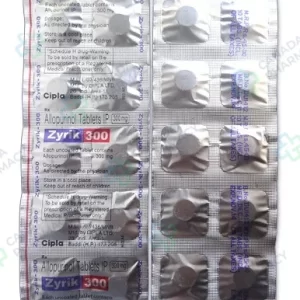
Allopurinol
Price range: $ 17,00 through $ 238,00
Active substance: allopurinol
More Details
This product has multiple variants. The options may be chosen on the product page
Ascorbic Acid
Price range: $ 58,00 through $ 69,00
Active substance: Ascorbic Acid
More Details
This product has multiple variants. The options may be chosen on the product page

Bentyl
Price range: $ 63,00 through $ 900,00
Active substance: Dicyclomine
More Details
This product has multiple variants. The options may be chosen on the product page
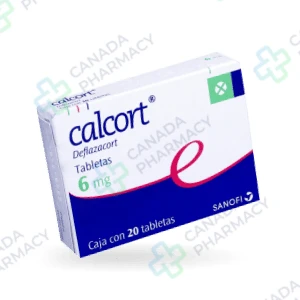
Calcort
Price range: $ 54,00 through $ 430,00
Active substance: Deflazacort
More Details
This product has multiple variants. The options may be chosen on the product page
Dramamine
Price range: $ 10,00 through $ 207,00
Active substance: dimenhydrinate
More Details
This product has multiple variants. The options may be chosen on the product page
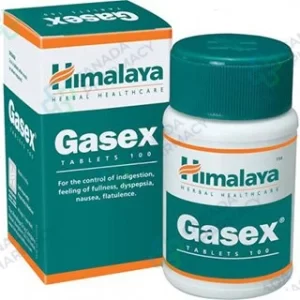
Gasex
Price range: $ 40,00 through $ 241,00
Active substance: Gasex
More Details
This product has multiple variants. The options may be chosen on the product page
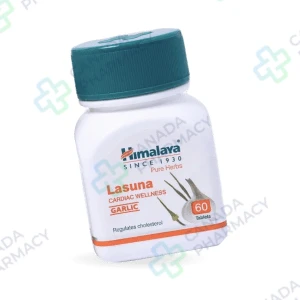
Lasuna
Price range: $ 58,00 through $ 244,00
Active substance: extracts of garlic
More Details
This product has multiple variants. The options may be chosen on the product page