

-63%
Aciclovir
Price range: $ 44,00 through $ 232,00
Acivir Pills
Price range: $ 51,00 through $ 200,00
Aciphex
Price range: $ 45,00 through $ 274,00
Aciphex is a potent proton pump inhibitor designed to effectively reduce the amount of acid produced in the stomach. It is widely used for the treatment of gastroesophageal reflux disease (GERD) to alleviate symptoms like persistent heartburn. The medication promotes the healing of erosive esophagitis and helps protect the esophagus from further acid-related damage. Additionally, Aciphex is indicated for the short-term treatment of duodenal ulcers and the long-term management of pathological hypersecretory conditions. By regulating gastric acid secretion, this treatment provides reliable relief and supports overall digestive health.
Active substance: Rabeprazole
Delivery: 5–21 days (depending on the shipping method)
Extra 10% discount with coupon: IT4K6SVM
Each dosage option has its own packaging choices.
Description
Aciphex belongs to a group of medicines called proton pump inhibitors (PPIs), which reduce the production of stomach acid. It is an FDA-approved prescription medication containing rabeprazole sodium, formulated to treat acid-related gastrointestinal conditions such as gastroesophageal reflux disease (GERD) and duodenal ulcers. Treatment must be conducted under the supervision of a licensed healthcare professional in accordance with federal and state regulations.
The active substance in Aciphex, rabeprazole sodium, acts directly on the acid-producing cells in the stomach wall. By lowering gastric acidity, the medication helps relieve symptoms like heartburn, allows damaged esophageal mucosa to heal, and prevents ulcer recurrence. Patient response and treatment duration depend on the specific medical condition being addressed.
| Parameter | Specification |
|---|---|
| Active ingredient (INN) | Rabeprazole sodium |
| Therapeutic class | Proton pump inhibitors |
| Dosage form | Delayed-release tablets (20 mg) |
| Route of administration | Oral |
| Primary purpose | Gastric acid suppression |
| Prescription status | Prescription (Rx) only |
How the drug works
The active component of Aciphex is rabeprazole sodium, a substituted benzimidazole derivative that acts as a gastric proton pump inhibitor. It inhibits the enzyme H+/K+ ATPase (the hydrogen-potassium adenosine triphosphatase enzyme system), which functions as the proton pump within the gastric parietal cells. By blocking this specific enzyme system at the secretory surface of the parietal cell, rabeprazole inhibits the final step of gastric acid production.
This antisecretory effect inhibits both basal and stimulated gastric acid secretion, regardless of the stimulus (histamine, acetylcholine, or gastrin). Because rabeprazole binds to the proton pump enzyme, the acid suppression effect lasts significantly longer than the plasma half-life of the drug itself. Normal acid secretion gradually recovers after the medication is discontinued as new H+/K+ ATPase enzymes are synthesized by the body.
Main uses
Aciphex is indicated for several acid-mediated gastrointestinal disorders in adult patients. Primary clinical indications approved by the FDA include:
- Healing of erosive or ulcerative GERD: Short-term treatment (typically 4 to 8 weeks) for healing and symptom relief of heartburn associated with erosive esophagitis.
- Maintenance of GERD healing: Long-term therapy to maintain healing and reduce relapse of erosive or ulcerative gastroesophageal reflux disease.
- Symptomatic GERD treatment: Management of daytime and nighttime heartburn symptoms associated with uncomplicated GERD.
- Healing of duodenal ulcers: Short-term treatment (up to 4 weeks) for active duodenal ulcers.
- Helicobacter pylori eradication: Used in combination regimens with antibiotics (such as amoxicillin and clarithromycin) to eradicate H. pylori infection and reduce the risk of duodenal ulcer recurrence.
- Pathological hypersecretory conditions: Long-term treatment of hypersecretory conditions, including Zollinger-Ellison syndrome.
Dosing schedule
Aciphex delayed-release tablets are taken orally. The dose and treatment duration are individualized based on the condition being treated and patient response. For most indications, such as GERD healing or duodenal ulcers, the standard adult dose is 20 mg administered once daily. In combination regimens for H. pylori eradication, Aciphex 20 mg is typically taken twice daily alongside specified antibiotics for 7 days.
Tablets must be swallowed whole with a glass of water. They must not be chewed, crushed, or split, as the enteric coating protects the active ingredient from being degraded by gastric acid in the stomach before it reaches the site of absorption in the intestine. Aciphex can generally be taken with or without food, though taking it before meals may be recommended depending on specific prescriber instructions.
What happens in the body
Following oral administration of Aciphex delayed-release tablets, rabeprazole sodium passes through the acidic environment of the stomach intact due to its enteric coating. Absorption begins after the tablet leaves the stomach and enters the small intestine. Peak plasma concentrations (Cmax) are typically achieved approximately 3.5 hours after oral administration.
The absolute bioavailability of oral rabeprazole is approximately 52% due to first-pass metabolism. Rabeprazole is extensively bound to plasma proteins, primarily albumin, at approximately 96.3%. The drug undergoes hepatic metabolism via the cytochrome P450 enzyme system (predominantly CYP2C19 and CYP3A4) as well as non-enzymatic reduction. Approximately 90% of the eliminated dose is excreted in the urine as metabolites, with the remainder excreted in the feces. The plasma elimination half-life ranges from 1 to 2 hours, though antisecretory effects persist much longer due to irreversible enzyme binding.
Compatibility with other medicines
Aciphex alters intragastric pH, which can significantly affect the bioavailability of co-administered drugs whose absorption is pH-dependent. Concomitant use of Aciphex with certain antiretroviral agents, such as atazanavir or nelfinavir, is not recommended because reduced gastric acidity can decrease therapeutic blood concentrations of these medications.
Other notable drug interactions include:
- Azole antifungals: Absorption of ketoconazole or itraconazole may be reduced due to increased gastric pH.
- Iron salts and mycophenolate mofetil: Absorption may be decreased when gastric acidity is suppressed.
- Methotrexate: Concomitant PPI use may elevate and prolong serum levels of methotrexate and its metabolite, potentially increasing toxicity.
- Warfarin: Monitoring of International Normalized Ratio (INR) and prothrombin time is recommended when PPIs are co-administered with warfarin.
- Digoxin: Inhibition of stomach acid can increase digoxin absorption, requiring monitoring of digoxin serum levels.
Adverse reactions
Aciphex is generally well tolerated, but like all prescription medications, it can cause adverse reactions in some individuals. Most side effects are mild to moderate in intensity and tend to resolve spontaneously.
Commonly reported side effects include:
- Headache
- Diarrhea or loose stools
- Abdominal pain
- Nausea and vomiting
- Flatulence
- Constipation
- Dizziness
Less common but serious adverse events associated with prolonged or high-dose PPI therapy include an increased risk of Clostridium difficile-associated diarrhea, bone fractures (hip, wrist, or spine), hypomagnesemia (low blood magnesium levels), vitamin B12 deficiency with multi-year treatment, acute interstitial nephritis, and subacute cutaneous lupus erythematosus. Patients experiencing severe abdominal pain, persistent diarrhea, muscle spasms, or joint pain should inform their healthcare provider prompt.
Important precautions
Symptomatic response to therapy with Aciphex does not preclude the presence of gastric malignancy. Healthcare providers should consider appropriate diagnostic evaluations prior to initiating therapy, especially in patients presenting with alarm symptoms such as unexpected weight loss, recurrent vomiting, dysphagia, or hematemesis.
Daily treatment with acid-suppressive drugs for extended periods may lead to impaired absorption of dietary vitamin B12 or magnesium depletion. Periodic monitoring of serum magnesium concentrations is advised for patients anticipated to be on long-term PPI therapy or taking PPIs concurrently with digoxin or diuretics. Caution is also warranted in patients with severe hepatic impairment, as systemic exposure to rabeprazole may be elevated.
First days of treatment
When starting Aciphex therapy, patients may begin to notice a reduction in heartburn frequency and acid reflux severity within the first few days of treatment. However, full therapeutic efficacy and tissue healing often require continuous administration for several weeks as prescribed.
It is important not to discontinue treatment early simply because initial relief of symptoms occurs. Healing of esophageal lesions or duodenal ulcers requires the full prescribed course. If heartburn symptoms fail to improve after several days or deteriorate during early therapy, patients should consult their prescribing provider for evaluation.
If you skip a dose
If a dose of Aciphex is missed, it should be taken as soon as remembered on the same day. However, if it is almost time for the next scheduled dose, the missed dose should be skipped, and the regular dosing schedule resumed.
Do not double the dose or take extra medicine to compensate for a missed tablet. Maintaining a consistent daily routine helps ensure stable suppression of gastric acid production.
Special populations
The safety and efficacy of Aciphex have been evaluated across various patient demographics, though specific considerations apply:
- Pregnancy: Aciphex should be used during pregnancy only if the potential benefit justifies the potential risk to the fetus. Clinical data in pregnant women are limited.
- Nursing mothers: It is not known whether rabeprazole is excreted in human milk. A decision should be made whether to discontinue nursing or discontinue the drug, taking into account the importance of the drug to the mother.
- Pediatric use: Safety and effectiveness of Aciphex delayed-release tablets have been established for GERD in pediatric patients aged 1 to 11 years (specific formulations) and adolescents 12 years and older for short-term GERD treatment. Use outside approved age ranges should be guided strictly by pediatric specialists.
- Geriatric population: No overall differences in safety or effectiveness have been observed between elderly subjects and younger subjects, though increased sensitivity in some older individuals cannot be ruled out.
Storage and expiration
Aciphex tablets should be stored at room temperature, ideally between 68°F and 77°F (20°C to 25°C), with excursions permitted between 59°F and 86°F (15°C to 30°C). Keep the medication in its original container, protected from moisture and light.
Store all medications out of the reach of children and pets. Do not use Aciphex after the expiration date printed on the packaging. Unused or expired medication should be disposed of properly according to local pharmacy take-back procedures or federal guidelines.
Common questions
Can I take Aciphex at any time of day?
Aciphex is usually prescribed once daily. While it can be taken with or without food, taking it in the morning before a meal often helps optimize acid suppression throughout the daytime hours. Follow your prescriber’s specific instructions regarding timing.
What should I do if my heartburn persists while taking Aciphex?
If acid reflux or heartburn symptoms persist despite taking Aciphex regularly, contact your healthcare provider. Persistent symptoms may indicate a need for dosage adjustment, extended treatment duration, or further diagnostic assessment to re-evaluate the underlying cause.
Is long-term use of Aciphex safe?
While Aciphex is effective for long-term maintenance of GERD healing, prolonged use (especially over one year) carries potential risks such as low magnesium levels, reduced vitamin B12 absorption, and an increased risk of bone fractures. Long-term therapy should be periodically reviewed by your doctor.
Can I chew or split the tablet if I have trouble swallowing?
No, Aciphex delayed-release tablets must be swallowed whole. Chewing, crushing, or splitting the tablet damages the protective enteric coating, allowing stomach acid to destroy the active ingredient before it can be properly absorbed in the intestine.
Does Aciphex interact with common over-the-counter antacids?
Aciphex can generally be taken alongside liquid antacids if immediate relief of acute heartburn is needed, as antacids do not significantly interfere with rabeprazole absorption. However, consult your pharmacist or doctor to ensure combined use fits your care plan.
In accordance with FDA requirements.
This text is for informational purposes only and does not constitute individual medical advice.
Additional information
| Dosage |
10 mg ,20mg |
|---|---|
| Package |
30 tabs ,60 tabs ,60 pills ,90 pills ,90 tabs ,120 pills ,120 tabs ,180 pills ,180 tabs ,270 pills ,360 pills ,360 tabs |
| Ενεργός Ουσία |
Related products
Ascorbic Acid
Price range: $ 58,00 through $ 69,00
Active substance: Ascorbic Acid
More Details
This product has multiple variants. The options may be chosen on the product page
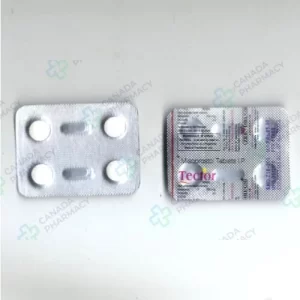
Cytotec
Price range: $ 45,00 through $ 504,00
Active substance: Misoprostol
More Details
This product has multiple variants. The options may be chosen on the product page
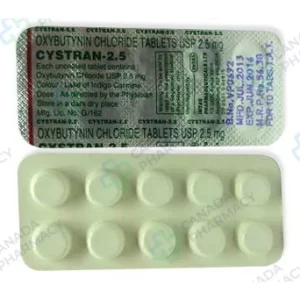
Ditropan
Price range: $ 23,00 through $ 262,00
Active substance: Oxybutynin
More Details
This product has multiple variants. The options may be chosen on the product page
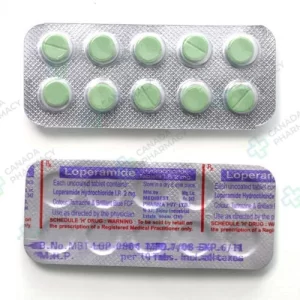
Imodium
Price range: $ 51,00 through $ 138,00
Active substance: Loperamide
More Details
This product has multiple variants. The options may be chosen on the product page
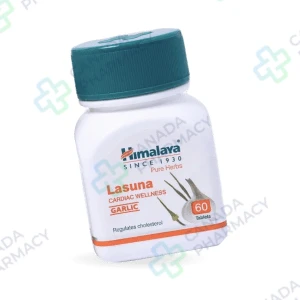
Lasuna
Price range: $ 58,00 through $ 244,00
Active substance: extracts of garlic
More Details
This product has multiple variants. The options may be chosen on the product page
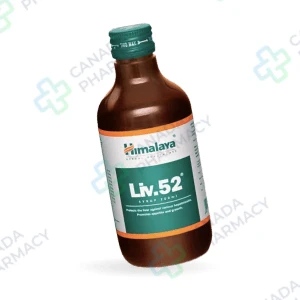
Liv.52 Syrup
$ 60,00
Active substance: Chicory, The Caper Bush
More Details
This product has multiple variants. The options may be chosen on the product page
Metoclopramide
Price range: $ 51,00 through $ 202,00
Active substance: metoclopramide
More Details
This product has multiple variants. The options may be chosen on the product page
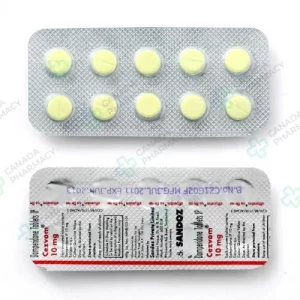
Motilium
Price range: $ 40,00 through $ 95,00
Active substance: domperidone
More Details
This product has multiple variants. The options may be chosen on the product page