

-55%
Imitrex
Price range: $ 147,00 through $ 617,00

Imuran
Price range: $ 29,00 through $ 302,00
Imodium
Price range: $ 51,00 through $ 138,00
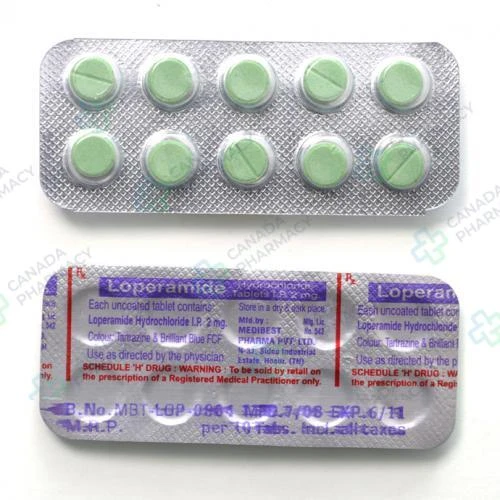
Imodium is a highly effective medication designed to provide rapid relief from the symptoms of acute diarrhea. By slowing down the movement of the intestines, it helps the body absorb more fluids and essential nutrients. This formula is specifically indicated for the management of sudden diarrhea episodes and common traveler’s diarrhea. Users can expect a reduction in the frequency of bowel movements and a restoration of the digestive system’s natural rhythm. Its reliable action makes it an essential addition to any home first aid kit or travel bag for maintaining digestive comfort.
Active substance: Loperamide
Delivery: 5–21 days (depending on the shipping method)
Extra 10% discount with coupon: IT4K6SVM
Each dosage option has its own packaging choices.
Description
Imodium has been used for decades as an over-the-counter option to manage acute, non-specific diarrhea. Its active ingredient, loperamide hydrochloride, acts directly on intestinal motility to help restore regular stool consistency and reduce bowel frequency.
Available over the counter for adults and older children, this medication provides symptomatic relief but does not treat the underlying bacterial, viral, or parasitic cause of gastrointestinal infections. Proper understanding of its dosing, contraindications, and potential interactions is essential for safe usage.
| Attribute | Details |
|---|---|
| Active ingredient (INN) | Loperamide hydrochloride |
| Primary purpose | Anti-diarrheal symptomatic relief |
| Dosage form | Oral caplets, capsules, chewable tablets, liquid solution |
| Route of administration | Oral |
| Food interaction | Can be taken with or without food |
| Storage | Store at 20°C to 25°C (68°F to 77°F); protect from light and moisture |
How the Drug Works
Imodium exerts its primary pharmacological effect by binding to mu-opioid receptors located in the myenteric plexus of the gastrointestinal tract wall. This binding inhibits the local release of acetylcholine and prostaglandins, thereby decreasing propulsive intestinal peristalsis and extending gastrointestinal transit time.
On one hand, slowing intestinal motility allows for increased absorption of fluid and electrolytes back into the vascular system, effectively reducing fluid stool volume and increasing stool viscosity. On the other hand, loperamide does not clear pathogens from the gut, meaning it manages symptoms rather than curing an active infection. Additionally, loperamide increases anal sphincter tone, which aids in reducing fecal incontinence and bowel urgency.
Main Uses
Imodium is primarily indicated for the control and symptomatic relief of acute non-specific diarrhea, including gastroenteritis or traveler’s diarrhea without systemic signs of invasive infection. Whether managing symptoms while traveling or dealing with sudden digestive disruption during a trip to Chicago, rapid control of stool frequency helps prevent dehydration.
In addition to acute cases, healthcare providers may recommend loperamide for managing chronic diarrhea in adults diagnosed with inflammatory bowel disease under clinical supervision. It is also indicated to reduce the volume of discharge in patients with ileostomies. However, it is not appropriate for diarrhea accompanied by high fever or bloody stools, where inhibiting bowel motility can lead to serious complications.
Dosing Schedule
For acute diarrhea in adults and children aged 12 years and older, the initial over-the-counter dose is typically 4 mg (two caplets or liquid equivalent), followed by 2 mg after each subsequent unformed stool. The maximum recommended daily limit for self-care over-the-counter use is 8 mg per day unless directed otherwise by a physician.
In clinical settings under direct medical supervision, higher daily limits up to 16 mg may be prescribed for chronic conditions, but consumers should strictly follow product packaging guidelines when self-medicating. Treatment for acute diarrhea should not exceed 48 hours without consulting a healthcare provider. If symptoms persist beyond two days, medication should be stopped and medical evaluation obtained.
What Happens in the Body
Following oral administration, loperamide is absorbed from the intestinal tract, but it undergoes extensive first-pass metabolism in the liver. As a result, its systemic bioavailability is low, remaining under 1%. The drug is metabolized mainly by cytochrome P450 isoenzymes (specifically CYP3A4 and CYP2C8) and is excreted primarily through feces via biliary elimination, with less than 2% eliminated unchanged in urine.
The apparent elimination half-life ranges between 9 and 14 hours in healthy adults. Because loperamide acts as a substrate for P-glycoprotein efflux transporters, it is actively pumped out of the central nervous system under standard therapeutic doses, preventing classic systemic opioid central nervous system effects.
Signs of Improvement
When Imodium is effective, patients typically notice a decrease in stool frequency within 1 to 3 hours after taking the initial dose. Over the next several hours, bowel movements should become progressively less frequent and more solid in consistency.
Compared with untreated acute diarrhea, effective symptom management helps restore comfort and lowers the immediate risk of fluid loss. However, if there is no noticeable improvement in stool consistency or frequency within 48 hours of compliant use, it indicates that loperamide alone is insufficient, requiring further medical assessment for underlying pathogens or inflammation.
What to Avoid While Taking It
Imodium can be taken with or without meals, but maintaining appropriate fluid and electrolyte intake remains critical during diarrheal episodes. Oral rehydration fluids should be emphasized alongside medication use to replace lost sodium and potassium.
Alcohol should generally be avoided while taking loperamide. Both alcohol and loperamide can exert central nervous system effects like drowsiness or dizziness, and combining them may compound these symptoms. Furthermore, alcohol can irritate the stomach lining, potentially worsening gastrointestinal distress and counteracting the therapeutic goal of stabilizing the digestive tract.
Compatibility with Other Medicines
Co-administration of Imodium with certain medications requires caution due to drug-drug interactions involving metabolic pathways and cardiac safety profiles. Loperamide is a substrate for both P-glycoprotein and cytochrome P450 enzymes. Concomitant use with strong P-glycoprotein or CYP3A4/2C8 inhibitors (such as quinidine, ritonavir, ketoconazole, or gemfibrozil) can significantly elevate blood concentrations of loperamide.
Increased blood levels of loperamide heighten the risk of serious cardiac adverse events. Furthermore, combining loperamide with other drugs known to prolong the QT interval or with medications that decrease gastrointestinal motility (such as anticholinergics or opioid analgesics) increases the risk of severe constipation or cardiac dysrhythmias.
Adverse Reactions
While Imodium is generally well tolerated at recommended therapeutic doses, side effects can occur. Common adverse reactions reported in clinical literature include constipation, abdominal cramps, nausea, dizziness, and dry mouth.
On one hand, mild constipation reflects the intended pharmacological action of reduced intestinal transit. On the other hand, severe abdominal distension or pain can indicate bowel blockage or toxic dilation. Less common reactions include fatigue, somnolence, and skin eruptions. Taking dosages higher than recommended significantly increases the risk of severe cardiac events, such as QT prolongation, Torsades de Pointes, and cardiac arrest.
Red Flags
Immediate medical attention is required if any of the following emergency signs or severe adverse reactions develop during treatment:
- Unusually fast, slow, or irregular heartbeat, severe dizziness, or fainting
- High fever or severe, worsening abdominal pain and abdominal swelling
- Stools that contain blood or mucus, or appear black and tarry
- Complete lack of bowel movements accompanied by severe bloating or vomiting
- Signs of severe dehydration, such as extreme thirst, confusion, dry skin, or little to no urination
- Signs of a serious allergic reaction, including rash, swelling of the face, lips, or throat, and difficulty breathing
Important Precautions
Safety warnings for Imodium focus on dosage compliance, age limits, and specific infectious conditions. Taking more than the recommended dose, whether intentionally or unintentionally, carries serious risks of fatal cardiac arrhythmias. Consumers must strictly adhere to labeled dosage instructions and avoid combining multiple products containing loperamide.
Loperamide must not be used in children under 2 years of age due to risks of severe respiratory depression and intestinal paralysis. Furthermore, it should not be used as primary therapy in patients with acute dysentery (characterized by blood in stools and high fever) or pseudomembranous colitis associated with broad-spectrum antibiotic use, as inhibiting peristalsis can lead to retention of bacterial toxins in the colon.
Pregnancy, Breastfeeding, and Other Groups
Data regarding loperamide use during pregnancy are limited. While animal studies have not revealed direct teratogenic harm, loperamide should be used during pregnancy only if clearly needed and under the advice of a healthcare provider.
Small amounts of loperamide can pass into human breast milk. Consequently, caution should be exercised, and nursing mothers should consult a physician before using the medication. Elderly patients may be more sensitive to subtle electrolyte shifts or central nervous system effects like dizziness, emphasizing the importance of staying hydrated and using the lowest effective dose for the shortest duration.
Common Questions
Can I take Imodium if I have a fever along with diarrhea?
If your diarrhea is accompanied by a high fever or bloody stools, you should avoid taking Imodium and consult a healthcare provider. High fever often signals an invasive bacterial infection or severe inflammation, and slowing intestinal motility under these conditions can trap toxins in your digestive tract, potentially worsening the illness.
What happens if I miss a dose of Imodium?
Because Imodium for acute diarrhea is taken on an as-needed schedule after loose stools occur, missing a dose simply means taking a dose after your next unformed stool. Never double up on doses or exceed the maximum daily limit specified on the product packaging to make up for a missed application.
How long can I safely use Imodium for acute symptoms?
Over-the-counter Imodium is intended only for short-term use. You should stop taking the medication and seek medical advice if your symptoms do not improve within 48 hours. Using loperamide continuously without medical oversight can mask underlying conditions requiring targeted diagnosis.
Is it safe to drive after taking Imodium?
Imodium can occasionally cause drowsiness, tiredness, or dizziness in some individuals. If you experience any of these side effects after taking the medication, avoid driving, operating machinery, or performing tasks that demand full mental alertness until you know how your body responds.
Can Imodium be given to young children?
Over-the-counter Imodium is generally not recommended for children under 6 years of age unless prescribed by a pediatrician, and it is strictly contraindicated in children under 2 years. Young children with diarrhea face a higher risk of dehydration and serious complications, making medical evaluation essential before administering anti-diarrheal agents.
In accordance with FDA requirements.
This text is for informational purposes only and does not constitute individual medical advice.
Additional information
| Dosage |
2mg |
|---|---|
| Package |
60 pills ,90 pills ,120 pills ,180 pills ,270 pills ,360 pills |
| Ενεργός Ουσία |
Related products

Decadron
Price range: $ 12,00 through $ 182,00
Active substance: Dexamethasone
More Details
This product has multiple variants. The options may be chosen on the product page
Deltasone
Price range: $ 47,00 through $ 296,00
Active substance: Prednisone
More Details
This product has multiple variants. The options may be chosen on the product page
Ditropan
Price range: $ 23,00 through $ 262,00
Active substance: Oxybutynin
More Details
This product has multiple variants. The options may be chosen on the product page
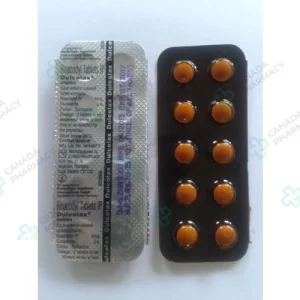
Dulcolax
Price range: $ 44,00 through $ 148,00
Active substance: Bisacodyl
More Details
This product has multiple variants. The options may be chosen on the product page

Gasex
Price range: $ 40,00 through $ 241,00
Active substance: Gasex
More Details
This product has multiple variants. The options may be chosen on the product page
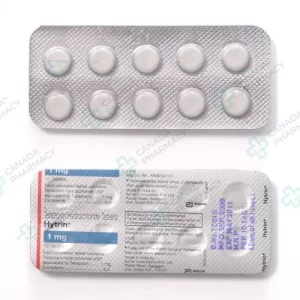
Hytrin
Price range: $ 57,00 through $ 451,00
Active substance: Terazosin
More Details
This product has multiple variants. The options may be chosen on the product page
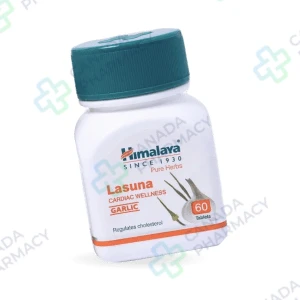
Lasuna
Price range: $ 58,00 through $ 244,00
Active substance: extracts of garlic
More Details
This product has multiple variants. The options may be chosen on the product page

Nexium
Price range: $ 20,00 through $ 178,00
Active substance: esomeprazole
More Details
This product has multiple variants. The options may be chosen on the product page