

-16%
Imodium
Price range: $ 51,00 through $ 138,00
Imusporin
Price range: $ 117,00 through $ 535,00
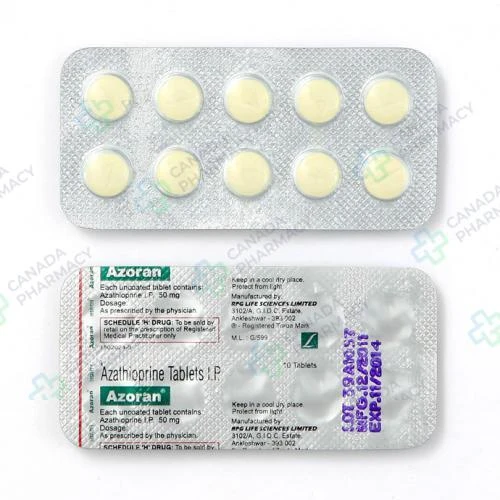
Imuran
Price range: $ 29,00 through $ 302,00
Imuran is a potent immunosuppressive medication designed to help manage specific autoimmune and inflammatory conditions. This pharmaceutical agent works by reducing the body’s natural immune response to protect overall health. It is officially indicated for the prevention of organ rejection in patients who have undergone kidney transplants. Furthermore, Imuran is widely used to treat severe cases of rheumatoid arthritis when standard treatments are not sufficiently effective. By helping to regulate the immune system, this medication assists in controlling chronic symptoms and improving long-term stability for patients.
Active substance: Azathioprine
Delivery: 5–21 days (depending on the shipping method)
Extra 10% discount with coupon: IT4K6SVM
Each dosage option has its own packaging choices.
Description
Imuran belongs to the therapeutic class of immunosuppressive agents, specifically functioning as a purine antimetabolite. It is prescribed in the United States under medical supervision to manage complex immune-mediated conditions and prevent graft rejection following organ transplantation.
Available as a prescription-only (Rx) oral medication, Imuran requires regular monitoring by a healthcare professional due to its profound impact on bone marrow function and immune response. Patients must strictly adhere to their prescriber’s instructions and monitoring schedule throughout the duration of therapy.
Basic Information and Overview
| Property | Details |
|---|---|
| Drug name | Imuran |
| Active ingredient (INN) | Azathioprine |
| Therapeutic class | Immunosuppressive antimetabolite |
| Dosage form | Oral tablet |
| Route of administration | Oral |
| Prescription status | Prescription only (Rx) |
Main uses
Imuran is FDA-approved as an adjunctive therapy for the prevention of rejection in renal (kidney) homotransplantation. It is also FDA-approved for the management of severe, active rheumatoid arthritis that has not responded adequately to standard conservative treatments or first-line disease-modifying antirheumatic drugs (DMARDs). In clinical practice, prescribers may also select Imuran for non-FDA-approved (off-label) conditions, including severe inflammatory bowel disease (Crohn’s disease and ulcerative colitis), autoimmune hepatitis, lupus nephritis, and generalized myasthenia gravis. When used off-label, treatment protocols are individualized based on clinical evidence and specialist guidance.
How the drug works
Imuran contains azathioprine, a prodrug that undergoes enzymatic cleavage in the body to convert into its active metabolite, 6-mercaptopurine (6-MP), and subsequently into thioguanine nucleotides. These active metabolites act as purine antagonists, inhibiting de novo purine synthesis required for cellular proliferation. By interfering with DNA, RNA, and protein synthesis within rapidly dividing immune cells, particularly T-lymphocytes and B-lymphocytes, Imuran suppresses cell-mediated hypersensitivity and alters antibody production. This targeted reduction in lymphocytic activation dampens the immune response responsible for tissue damage in autoimmune diseases and graft-versus-host activity following transplantation.
Dosing schedule
Dosage for Imuran must be tailored precisely to the patient’s body weight, clinical response, and hematologic tolerance. For kidney transplant rejection prophylaxis, initial dosing typically begins at 3 mg/kg to 5 mg/kg daily, starting on the day of transplantation or occasionally 1 to 3 days prior, followed by a maintenance dose adjusted down to 1 mg/kg to 3 mg/kg daily. In severe rheumatoid arthritis, initial dosing is generally around 1 mg/kg per day administered as a single dose or twice daily, which may be incrementally adjusted based on therapeutic response and blood count safety. Patients with reduced activity of the enzyme thiopurine S-methyltransferase (TPMT) or NUDT15 require reduced doses to minimize toxicities.
How it is absorbed and eliminated
Following oral administration, Imuran is rapidly absorbed from the upper gastrointestinal tract. Azathioprine is extensively metabolized in the liver and erythrocytes by the enzyme glutathione-S-transferase into 6-mercaptopurine. Further metabolic inactivation pathways involve xanthine oxidase and thiopurine S-methyltransferase (TPMT). The primary route of excretion is renal, with metabolites eliminated in the urine. Because intact azathioprine and 6-mercaptopurine are quickly cleared from plasma, blood concentration levels of the parent compound do not directly correlate with therapeutic efficacy or clinical toxicity.
Safety, Precautions, and Guidelines
Important precautions
Imuran carries serious boxed warnings regarding chronic immunosuppression and an increased risk of malignancy, particularly post-transplant lymphomas and hepatosplenic T-cell lymphoma (HSTCL) in young males with inflammatory bowel disease. Complete blood counts (CBC), including platelet counts, must be performed weekly during the first month, twice monthly during the second and third months, and monthly thereafter. Patients with inherited deficiencies in TPMT or NUDT15 enzymes face a drastically higher risk of severe, early-onset myelosuppression. Imuran can cause fetal harm when administered to pregnant women; effective contraception is mandatory during treatment for both male and female patients of reproductive potential.
Adverse reactions
The primary dose-limiting adverse effect of Imuran is bone marrow suppression, leading to leukopenia, thrombocytopenia, and anemia. Severe neutropenia significantly increases the risk of serious bacterial, viral, fungal, and protozoal infections. Gastrointestinal side effects, such as nausea, vomiting, diarrhea, and anorexia, are common, particularly during initial titration, and can often be mitigated by taking the tablet after meals. Less common but severe adverse reactions include hepatotoxicity, acute pancreatitis, and drug-induced hypersensitivity reactions characterized by fever, rash, joint pain, and hypotension. Long-term use is associated with an increased risk of neoplasia, including cutaneous squamous cell carcinoma.
Compatibility with other medicines
Imuran exhibits critical drug-drug interactions that require dose adjustment or strict avoidance. Concurrent administration of xanthine oxidase inhibitors, such as allopurinol or febuxostat, severely inhibits the metabolic breakdown of 6-mercaptopurine, leading to potentially fatal myelosuppression; if co-administration cannot be avoided, the dose of Imuran must be reduced to 25% to 33% of the standard dose. Combining Imuran with aminosalicylates (e.g., sulfasalazine, mesalamine) inhibits TPMT enzyme activity, escalating bone marrow toxicity. Co-administration with angiotensin-converting enzyme (ACE) inhibitors or ribavirin enhances the risk of severe anemia and leukopenia. Live vaccines must be avoided during therapy due to the risk of disseminated infection.
Red flags
| Manifestation / Symptom | Clinical Significance |
|---|---|
| High fever, chills, or persistent sore throat | Sign of severe leukopenia or overwhelming systemic infection |
| Unusual bleeding, bruising, or black tarry stools | Indicates marked thrombocytopenia or internal hemorrhage |
| Yellowing of the skin or eyes (jaundice), dark urine | Key indicator of drug-induced hepatotoxicity |
| Severe upper abdominal pain radiating to the back | Potential sign of acute drug-induced pancreatitis |
| Sudden skin rash, facial swelling, or breathing difficulty | Severe hypersensitivity reaction requiring emergency intervention |
What to avoid while taking it
Imuran tablets may be taken with food or milk to minimize gastrointestinal upset, though consistent administration relative to meals is recommended to maintain stable systemic exposure. Alcohol consumption should be strictly limited or avoided entirely while taking Imuran, as both alcohol and azathioprine place metabolic demands on the liver, potentially heightening the risk of hepatotoxicity. Additionally, patients should avoid unpasteurized dairy products, raw or undercooked meats, and improperly handled foods due to an elevated susceptibility to opportunistic foodborne infections resulting from systemic immunosuppression. Sun protective measures, such as applying broad-spectrum sunscreen and wearing protective clothing, are required to limit ultraviolet radiation exposure.
If you skip a dose
If a scheduled dose of Imuran is missed, it should be taken as soon as remembered on the same day. However, if it is almost time for the next scheduled dose, the missed dose should be skipped entirely, resuming the regular dosing schedule. Patients must never double the dose or take extra medication to compensate for a missed dose, as this significantly increases the risk of acute hematologic toxicity. If multiple doses are missed, the patient should contact their prescribing clinician or pharmacist for tailored re-titration advice.
Storage and expiration
Imuran tablets should be stored at controlled room temperature between 59°F and 77°F (15°C to 25°C), away from excess heat, light, and moisture. The medication must be kept in a tightly closed container and stored out of reach of children and domestic pets. Because azathioprine possesses mutagenic properties, caregivers handling crushed or damaged tablets should wear protective gloves or avoid direct skin contact. Expired or unused medication should be disposed of via designated pharmacy take-back programs rather than flushed down household drains.
Common questions
How long does it take for Imuran to produce noticeable clinical results?
Therapeutic effect is not immediate. In conditions like severe rheumatoid arthritis or autoimmune disorders, it often takes 6 to 12 weeks of continuous daily therapy to demonstrate noticeable clinical improvement. Patients must continue taking the medication as prescribed even if early changes are not immediately apparent.
Is routine blood testing always necessary during long-term treatment with Imuran?
Yes, regular complete blood count monitoring and liver function tests are essential. Laboratory monitoring allows prescribers to detect bone marrow suppression and hepatic impairment early, adjusting doses before severe clinical complications occur.
What precautions should be taken regarding sun exposure while taking Imuran?
Imuran increases cutaneous sensitivity to ultraviolet light and elevates the long-term risk of skin malignancies, particularly squamous cell carcinoma. Patients should limit sun exposure, avoid tanning beds, wear protective clothing, and apply broad-spectrum sunscreen daily.
Can live vaccines be administered while a patient is on Imuran therapy?
No, live or live-attenuated vaccines (such as the MMR or live shingles vaccine) are contraindicated due to the risk of severe infection caused by immunosuppression. Inactivated vaccines may be administered, though the resulting immune response may be reduced.
What should I do if I am exposed to someone with chickenpox or shingles?
Patients taking Imuran should contact their healthcare provider immediately upon exposure to varicella-zoster virus. Prophylactic measures, such as varicella-zoster immune globulin or antiviral therapy, may be necessary to prevent severe viral complications.
In accordance with FDA requirements.
This text is for informational purposes only and does not constitute individual medical advice.
Additional information
| Dosage |
25 mg ,50mg |
|---|---|
| Package |
30 pills ,60 pills ,90 pills ,120 pills ,180 pills ,270 pills ,360 pills |
| Ενεργός Ουσία |
Related products
Colospa
Price range: $ 24,00 through $ 311,00
Active substance: mebeverine
More Details
This product has multiple variants. The options may be chosen on the product page
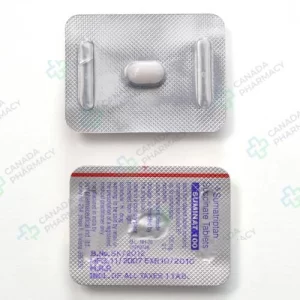
Imitrex
Price range: $ 147,00 through $ 617,00
Active substance: Sumatriptan
More Details
This product has multiple variants. The options may be chosen on the product page
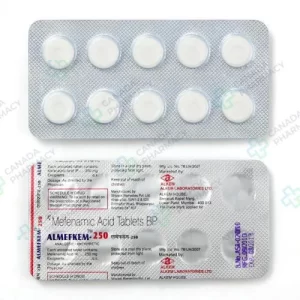
Ponstel
Price range: $ 41,00 through $ 161,00
Active substance: mefenamic acid
More Details
This product has multiple variants. The options may be chosen on the product page
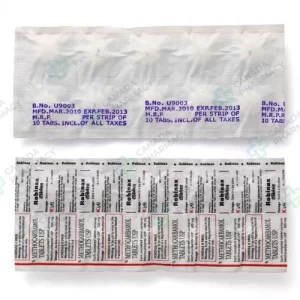
Robaxin
Price range: $ 40,00 through $ 150,00
Active substance: Methocarbamol
More Details
This product has multiple variants. The options may be chosen on the product page
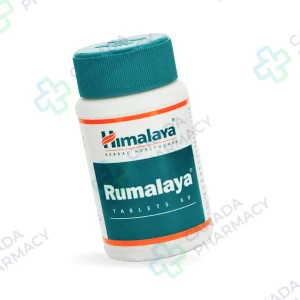
Rumalaya
Price range: $ 51,00 through $ 206,00
Active substance: Rumalaya
More Details
This product has multiple variants. The options may be chosen on the product page

Rumalaya forte
Price range: $ 52,00 through $ 212,00
Active substance: Rumalaya forte
More Details
This product has multiple variants. The options may be chosen on the product page
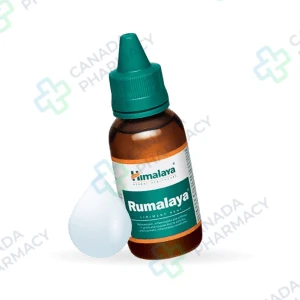
Rumalaya liniment
Price range: $ 53,00 through $ 213,00
Active substance: Gaultheria
More Details
This product has multiple variants. The options may be chosen on the product page
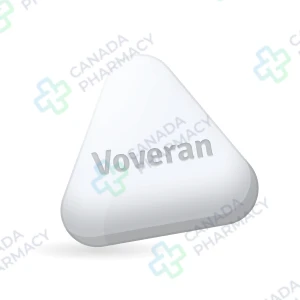
Voveran
Price range: $ 44,00 through $ 150,00
Active substance: Voveran
More Details
This product has multiple variants. The options may be chosen on the product page