

-12%
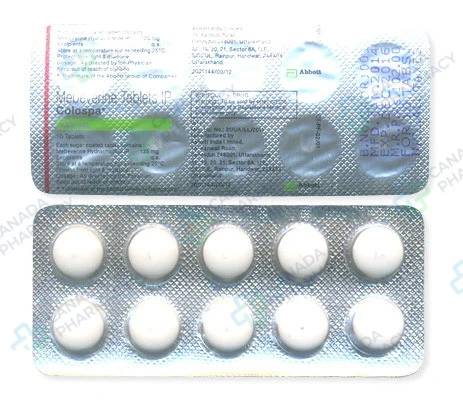
Colchicine
Price range: $ 57,00 through $ 193,00
Combimist L Inhaler
Price range: $ 60,00 through $ 81,00
Colospa
Price range: $ 24,00 through $ 311,00
Colospa is a highly effective antispasmodic medication specifically designed to provide relief from the symptoms of Irritable Bowel Syndrome (IBS). The active ingredient, Mebeverine, works directly on the smooth muscles of the gastrointestinal tract to alleviate painful cramps and spasms. This medication effectively targets common digestive discomforts such as abdominal pain, persistent bloating, and irregular bowel movements. Unlike some other treatments, Colospa acts locally in the gut to restore normal digestive function without interfering with the natural movement of the intestines. It is a trusted choice for managing chronic functional bowel disorders and maintaining long-term digestive comfort.
Active substance: mebeverine
Delivery: 5–21 days (depending on the shipping method)
Extra 10% discount with coupon: IT4K6SVM
Each dosage option has its own packaging choices.
Description
Colospa belongs to a group of medicines called musculotropic antispasmodics. It acts directly on the smooth muscle of the gastrointestinal tract to relieve spasms, abdominal cramps, and bloating associated with functional bowel disorders. Any procurement or administration of this medication must be dispensed in accordance with applicable federal and state regulations.
The active constituent in Colospa is mebeverine hydrochloride, a compound engineered to stabilize intestinal motility without exerting systemic atropine-like anticholinergic side effects. This comprehensive reference text details its pharmacologic profile, safe usage guidelines, pharmacokinetic properties, and potential risk considerations for patients and caregivers.
| Parameter | Specification |
|---|---|
| Active ingredient (INN) | Mebeverine hydrochloride |
| Therapeutic class | Musculotropic antispasmodic |
| Dosage form | Oral tablet / Extended-release capsule |
| Route of administration | Oral |
| Primary purpose | Symptomatic relief of gastrointestinal smooth muscle spasms and irritable bowel syndrome |
| Regulatory status | Dispensed in accordance with applicable federal and state regulations |
| Storage | Store below 30°C (86°F) in a dry place protected from light |
Key Clinical Features and Pharmacologic Profile
How the drug works
The mechanism of action of Colospa is defined by its direct musculotropic effect on the smooth muscles of the human gastrointestinal tract. Unlike typical anticholinergic agents, mebeverine hydrochloride acts directly at the cellular level within intestinal smooth muscle cells. It modulates sodium channel permeability and inhibits intracellular calcium influx, thereby preventing excessive muscle contraction and painful spasms. Simultaneously, Colospa does not completely block normal intestinal peristalsis, allowing normal gut motility to continue. Because it lacks atropine-like properties, it does not induce systemic anticholinergic adverse effects such as urinary retention, severe dry mouth, or visual accommodation disturbances.
What happens in the body
Following oral administration, mebeverine hydrochloride is rapidly and completely absorbed from the gastrointestinal tract. The parent compound undergoes extensive pre-systemic hepatic and systemic hydrolysis, converting almost entirely into primary metabolic products, specifically mebeverine alcohol and veratric acid. Unchanged mebeverine is generally undetectable in systemic circulation. The resulting metabolites undergo further enzymatic oxidation and conjugation. High plasma protein binding is exhibited by its primary metabolite, mebeverine acid, which binds extensively to serum albumin. Elimination occurs predominantly through the kidneys, with virtually all metabolized fractions excreted in the urine within 24 hours of administration.
Main uses
Colospa is primarily indicated for the symptomatic management of gastrointestinal smooth muscle spasms and functional bowel conditions. Its primary clinical application involves treating the symptoms of Irritable Bowel Syndrome (IBS), including chronic irritable colon, spastic constipation, mucous colitis, and spastic colitis. Patients experiencing localized abdominal cramps, bloating, non-specific abdominal pain, and alterations in bowel frequency due to lower GI tract hypermotility are often evaluated for treatment with this musculotropic antispasmodic. Clinical utility centers on relaxing hyper-reactive intestinal smooth muscle without compromising baseline physiological digestion.
Dosing schedule
Dosing of Colospa is individualized based on specific dosage formulations and clinical evaluation by a medical provider. Standard immediate-release oral tablets are typically administered 20 minutes before primary meals, swallowed whole with a generous volume of water (at least 100 ml). Extended-release formulations are designed for twice-daily administration, taken morning and evening prior to food intake. Capsules or tablets should never be chewed, crushed, or split, as breaking the coating disrupts the modified release mechanism or causes an unpleasant taste and potential localized irritation in the oral mucosa. The exact dosage duration depends on individual symptom resolution.
Safety, Interactions, and Practical Considerations
Compatibility with other medicines
Formal drug interaction studies with mebeverine hydrochloride remain limited. However, because Colospa undergoes rapid enzymatic ester hydrolysis into inactive or weakly active metabolites, systemic metabolic interactions involving major cytochrome P450 pathways are minimal. Co-administration with other GI antispasmodics or anticholinergic drugs may lead to additive smooth muscle relaxation and should be evaluated by a medical professional. Patients taking concurrent medications for gastrointestinal motility, such as prokinetics, should inform their prescribing provider, as opposing pharmacologic mechanisms could potentially diminish expected therapeutic responses.
Adverse reactions
Colospa is generally well-tolerated, but adverse reactions may occur in susceptible individuals. The most commonly reported side effects involve dermatologic and immunologic responses. Mild hypersensitivity reactions include skin rash, exanthema, urticaria, and localized pruritus. Severe systemic allergic events, such as angioedema, facial swelling, or anaphylactic reactions, are rare but require immediate medical intervention. Central nervous system effects like mild dizziness, headache, or nausea have been reported infrequently. Notably, because the compound lacks systemic anticholinergic activity, typical anticholinergic adverse effects such as tachycardia, blurred vision, or dry mouth are extremely uncommon.
Important precautions
Before initiating therapy with Colospa, patients must review relevant medical history with their physician. Precaution is advised in individuals with severe renal or hepatic impairment, as altered metabolic and excretory pathways could alter compound clearance. Caution is also warranted in patients with cardiac conduction abnormalities, paralytic ileus, or severe mechanical intestinal obstruction. Any patient demonstrating signs of systemic hypersensitivity–such as sudden facial swelling, dyspnea, or severe cutaneous eruptions–must immediately stop taking the medication and seek emergency care. Regular clinical monitoring is recommended if therapy is sustained for extended durations.
What to avoid while taking it
To optimize therapeutic outcomes, Colospa should ideally be ingested approximately 20 minutes prior to meals, as meal ingestion triggers the gastrocolic reflex that often induces smooth muscle spasm. While ethanol does not have a direct chemical interaction with mebeverine hydrochloride, alcohol consumption can irritate the mucosal lining of the stomach and intestine, potentially exacerbating IBS symptoms such as cramps, bloating, and diarrhea. Consequently, minimizing or avoiding alcohol intake during active treatment is clinically advisable.
If you skip a dose
If a patient forgets to take a scheduled dose of Colospa, the missed dose should be taken as soon as it is remembered, provided it is not almost time for the next scheduled dose. If the next regular dose is due shortly, the missed dose should be skipped entirely, and the normal dosing pattern resumed. Patients must never double a dose or take extra tablets to compensate for a missed administration, as taking excessive quantities increases the likelihood of adverse events and gastrointestinal discomfort.
Storage and expiration
Colospa preparations must be stored in their original packaging to protect the active ingredient from environmental moisture and light. Store the medication at controlled room temperature, ideally below 30°C (86°F). Keep the container tightly closed and stored safely out of reach of children and pets. Do not use any tablets or capsules past the expiration date clearly stamped on the outer carton or blister strip. Expired pharmaceutical products should be disposed of according to local waste management regulations.
Special populations
Safety and efficacy of mebeverine hydrochloride during pregnancy have not been fully established through controlled human trials. Therefore, administration during pregnancy, particularly during the first trimester, is generally not recommended unless explicitly deemed necessary by a healthcare practitioner. It is unknown whether mebeverine or its metabolic byproducts pass into human breast milk; cautious evaluation is required for nursing mothers. Safety in pediatric populations under 10 to 12 years of age varies by specific formulation, and pediatric use requires specialized clinical supervision.
Common Questions
How long does it take for Colospa to begin relieving muscle spasms?
Therapeutic onset typically occurs within 1 to 2 hours following oral ingestion of immediate-release formulations. Optimal efficacy in managing chronic Irritable Bowel Syndrome symptoms is generally observed when doses are taken consistently 20 minutes before meals over several consecutive days.
Can Colospa cause drowsiness or impair driving ability?
Colospa does not routinely cause sedation or significant central nervous system depression. However, occasional side effects such as mild dizziness have been reported. Patients should observe their individual response to the medication before operating motor vehicles or operating dangerous machinery.
What should I do if I accidentally take more than the prescribed dose?
In cases of accidental overdose, central nervous system excitability or gastrointestinal disturbances may theoretically occur. You should contact a regional poison control center or seek immediate medical assistance for supportive and symptomatic care, bringing your medication package with you.
Is Colospa suitable for long-term daily management of IBS?
Duration of treatment depends on individual clinical response and physician recommendations. While Colospa is frequently used to manage acute flare-ups of spastic bowel disorders, ongoing daily use should be periodically re-evaluated by a healthcare professional to ensure continued appropriateness and effectiveness.
Can I crush Colospa tablets if I have difficulty swallowing?
No, Colospa tablets and capsules should be swallowed whole with water. Crushing, breaking, or chewing the medication can cause rapid release of the active constituent, localized oral mucosal irritation, or unpleasant taste, and degrades the specialized coating designed to target gut tissues.
This material is educational. Only a licensed prescriber can determine whether a medication is appropriate for you. In accordance with FDA requirements.
Additional information
| Dosage |
135mg ,200 mg |
|---|---|
| Package |
10 caps ,30 caps ,60 pills ,60 caps ,90 pills ,120 pills ,180 pills ,270 pills ,360 pills |
| Ενεργός Ουσία |
Related products

Anacin
More Details
This product has multiple variants. The options may be chosen on the product page

Arcoxia
Price range: $ 42,00 through $ 271,00
Active substance: etoricoxib
More Details
This product has multiple variants. The options may be chosen on the product page
Imuran
Price range: $ 29,00 through $ 302,00
Active substance: Azathioprine
More Details
This product has multiple variants. The options may be chosen on the product page
Nimotop
Price range: $ 40,00 through $ 338,00
Active substance: Nimodipine
More Details
This product has multiple variants. The options may be chosen on the product page
Pletal
Price range: $ 41,00 through $ 434,00
Active substance: Cilostazol
More Details
This product has multiple variants. The options may be chosen on the product page

Rumalaya forte
Price range: $ 52,00 through $ 212,00
Active substance: Rumalaya forte
More Details
This product has multiple variants. The options may be chosen on the product page
Skelaxin
Price range: $ 74,00 through $ 417,00
Active substance: Metaxalone
More Details
This product has multiple variants. The options may be chosen on the product page

Voveran
Price range: $ 44,00 through $ 150,00
Active substance: Voveran
More Details
This product has multiple variants. The options may be chosen on the product page