

-15%
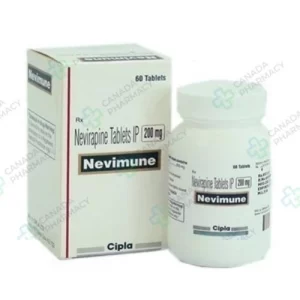
Viramune
Price range: $ 50,00 through $ 324,00
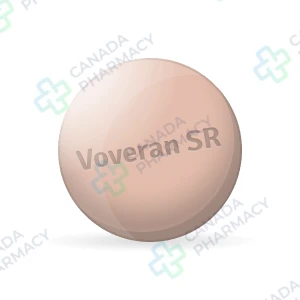
Voveran sr
Price range: $ 41,00 through $ 61,00
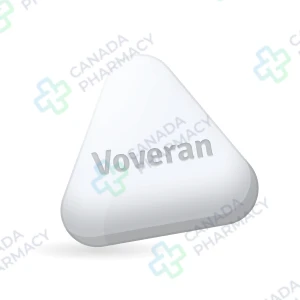
Voveran
Price range: $ 44,00 through $ 150,00
Voveran is a potent non-steroidal anti-inflammatory drug (NSAID) designed to provide effective relief from persistent pain and inflammation. It is widely utilized to manage the symptoms of chronic conditions such as osteoarthritis, rheumatoid arthritis, and ankylosing spondylitis. The medication works by targeting the biological sources of swelling and discomfort, helping to restore joint mobility and ease of movement. Beyond chronic care, Voveran is highly effective for addressing acute muscular pain, backaches, and inflammatory conditions of the tendons or ligaments. Its fast-acting formula helps individuals maintain an active lifestyle by significantly reducing physical discomfort and stiffness throughout the day.
Active substance: Voveran
Delivery: 5–21 days (depending on the shipping method)
Extra 10% discount with coupon: IT4K6SVM
Each dosage option has its own packaging choices.
Description
Voveran belongs to a group of medicines called nonsteroidal anti-inflammatory drugs (NSAIDs). Formulated with the active substance diclofenac sodium, this medication reduces inflammation, pain, and fever by targeting specific enzymatic pathways in the body. In the United States, oral formulations of diclofenac are dispensed in accordance with applicable federal and state regulations, requiring evaluation and authorization by a licensed healthcare provider prior to initiation.
While Voveran provides substantial therapeutic benefit for severe joint and musculoskeletal discomfort, its use involves a clear clinical trade-off between symptomatic relief and systemic risks. Patients and healthcare providers must carefully weigh the anti-inflammatory efficacy against potential cardiovascular and gastrointestinal adverse effects before establishing a long-term treatment plan.
| Attribute | Details |
|---|---|
| Drug Name | Voveran |
| Active Ingredient | Diclofenac sodium |
| Therapeutic Class | Nonsteroidal Anti-inflammatory Drug (NSAID) |
| Dosage Form | Oral tablet / Delayed-release tablet |
| Route of Administration | Oral |
| Primary Purpose | Management of pain, stiffness, and inflammation |
| Prescription Status | Dispensed under federal and state prescription regulations |
Main Uses
Voveran is primarily indicated for the management of pain, swelling, and joint stiffness associated with chronic and acute inflammatory conditions. On one hand, it is widely utilized to manage chronic joint disorders such as osteoarthritis, rheumatoid arthritis, and ankylosing spondylitis. In these conditions, it aids in improving physical mobility and daily functional capacity by suppressing ongoing tissue inflammation and joint swelling.
On the other hand, Voveran is also prescribed for acute painful episodes, including dysmenorrhea (primary menstrual cramps) and acute musculoskeletal injury or postoperative discomfort. When considered for off-label indications–such as the off-label management of acute gouty arthritis attacks–the therapy must be carefully managed by a practitioner, as off-label applications carry specific risk profiles that demand individualized dosage adjustment and monitoring.
How the Drug Works
The therapeutic activity of Voveran stems from its active constituent, diclofenac sodium, which functions as an inhibitor of the cyclooxygenase (COX) enzyme system. By inhibiting both COX-1 and COX-2 isoenzymes, diclofenac blocks the conversion of arachidonic acid into pro-inflammatory prostaglandins, prostacyclin, and thromboxanes.
Compared with some non-selective agents that lean heavily toward COX-1 inhibition, diclofenac exhibits a relatively balanced inhibition profile between COX-1 and COX-2. Reducing systemic prostaglandin synthesis directly decreases peripheral nerve terminal sensitization, thereby elevating the pain threshold and mitigating localized edema. However, because COX-1 protection of the gastric mucosa is simultaneously decreased, therapeutic pain relief is inherently paired with potential mucosal irritation.
What Happens in the Body
Following oral administration, Voveran is rapidly and virtually completely absorbed from the gastrointestinal tract. However, due to significant first-pass hepatic metabolism, approximately 50% to 60% of the absorbed dose reaches systemic circulation unchanged. Plasma protein binding of diclofenac is extensive, exceeding 99%, primarily bound to serum albumin, which dictates its volume of distribution throughout body tissues.
The drug undergoes biotransformation in the liver, predominantly mediated by the cytochrome P450 enzyme CYP2C9, forming glucuronide and sulfate conjugates alongside hydroxylated metabolites. Elimination occurs rapidly, with metabolites excreted primarily via the renal system (about 60%) and the remainder eliminated through biliary excretion in the feces. The terminal elimination half-life typically ranges from 1 to 2 hours in individuals with normal hepatic and renal function.
Dosing Schedule
Dosing for Voveran must be tailored to the patient’s specific clinical diagnosis, treatment goals, and individual risk factors. Clinical guidelines emphasize utilizing the lowest effective dose for the shortest duration necessary to minimize cardiovascular and gastrointestinal risks. Oral tablets should be swallowed whole with water and must not be crushed, split, or chewed, particularly if formulated as enterically coated or extended-release preparations.
For chronic conditions such as osteoarthritis or rheumatoid arthritis, daily dosages are typically divided into two or three administrations across the day. Patients should follow the precise dosing regimen outlined by their prescribing practitioner. Dose escalation should only occur under direct clinical supervision after evaluating both therapeutic response and adverse reaction emergence.
Adverse Reactions
Like all nonsteroidal anti-inflammatory drugs, Voveran exhibits a characteristic adverse event profile. Mild to moderate gastrointestinal complaints represent the most frequently reported unwanted effects. Patients may experience dyspepsia, abdominal discomfort, nausea, flatulence, diarrhea, or constipation during initial phases of therapy.
Other recognized systemic side effects include central nervous system reactions such as headache, dizziness, or lightheadedness. Transient elevations of serum transaminases (liver enzymes) can occur, requiring periodic hepatic function monitoring during extended therapy. Additionally, fluid retention and peripheral edema may develop, which can exacerbate pre-existing hypertension or congestive heart failure.
Red Flags
Patients taking Voveran must remain vigilant for severe, potentially life-threatening adverse reactions that mandate immediate medical evaluation. Seek emergency medical attention if any of the following occurrences take place:
- Signs of serious gastrointestinal bleeding, such as black, tarry stools, vomiting blood, or material resembling coffee grounds.
- Symptoms of acute cardiovascular events, including sudden chest pain, shortness of breath, weakness on one side of the body, or slurred speech.
- Severe hypersensitivity reactions involving swelling of the face, lips, tongue, or throat, accompanied by difficulty swallowing or breathing.
- Severe cutaneous adverse reactions, including progressive skin rash, blistering, or peeling of the skin and mucous membranes.
- Signs of renal or hepatic impairment, such as noticeable jaundice (yellowing of skin or eyes), unexplained dark urine, or a sudden, dramatic reduction in urine output.
What Not to Combine
Voveran demonstrates several clinically significant drug-drug interactions that require careful therapeutic management. Co-administration with other NSAIDs, systemic corticosteroids, or antiplatelet agents (such as aspirin or clopidogrel) substantially elevates the risk of upper gastrointestinal ulceration and severe bleeding. Similarly, combining diclofenac with anticoagulants like warfarin demands close monitoring of coagulation parameters.
Diclofenac may also blunt the antihypertensive efficacy of ACE inhibitors, angiotensin receptor blockers (ARBs), and beta-blockers, while simultaneously heightening the risk of acute renal impairment when combined with diuretics. Furthermore, concurrent use with lithium or methotrexate can decrease the renal clearance of these narrow-therapeutic-index drugs, raising their serum concentrations and risk of toxicity.
Important Precautions
Voveran carries critical warnings regarding serious cardiovascular and gastrointestinal risks. Systemic NSAIDs may cause an increased risk of serious cardiovascular thrombotic events, myocardial infarction, and stroke. Gastrointestinal risks include severe ulceration, bleeding, and perforation of the stomach or intestines, which can occur at any time during treatment without warning symptoms.
Special precautions apply to specific patient cohorts. In pregnant patients, use of Voveran should be avoided starting at 20 weeks of gestation due to risks of fetal renal dysfunction and premature closure of the ductus arteriosus. Elderly individuals experience a higher incidence of adverse NSAID reactions, particularly gastrointestinal bleeding and acute renal failure, necessitating cautious dosing and active monitoring. Patients with pre-existing hepatic impairment, severe renal disease, or uncontrolled hypertension require comprehensive baseline and ongoing clinical evaluations.
What to Avoid While Taking It
To minimize stomach upset, Voveran is often taken with meals or milk, although taking it with food may slightly delay the rate of absorption without significantly altering total systemic bioavailability. Patients should refrain from consuming alcoholic beverages during therapy. Alcohol acts synergistically with diclofenac to irritate the gastric mucosa, substantially multiplying the risk of gastrointestinal mucosal erosion and bleeding.
If You Skip a Dose
If a dose of Voveran is omitted, take the missed tablet as soon as it is remembered, provided it is not almost time for the next scheduled dose. If the next regular dose is imminent, skip the missed dose and resume the standard administration schedule. Patients must never double the dose or take extra medicine to make up for a missed tablet, as this increases the likelihood of toxicity and side effects.
Storage and Expiration
Voveran tablets should be stored at room temperature, ideally between 68°F and 77°F (20°C to 25°C), away from excessive heat, light, and direct moisture. Store the medication in its original container or tightly closed packaging, out of the reach of children and domestic pets. Unused or expired medication must not be flushed down toilets; dispose of it through designated community drug take-back programs in accordance with local regulations.
Common Questions
How long does it take for Voveran to reduce pain and inflammation?
Analgesic action typically begins within 30 to 60 minutes following oral administration. However, maximum anti-inflammatory effects for chronic arthritis conditions may require up to two weeks of consistent daily use as directed by a healthcare provider.
Can Voveran be taken alongside over-the-counter pain relievers like ibuprofen?
No. Combining Voveran with other systemic NSAIDs, including over-the-counter options like ibuprofen or naproxen, does not increase therapeutic pain relief but significantly elevates the risk of severe gastrointestinal bleeding and kidney damage.
Does Voveran affect blood pressure control?
Yes, diclofenac can lead to sodium and fluid retention, potentially causing new-onset hypertension or worsening pre-existing high blood pressure. Patients receiving antihypertensive therapy should have their blood pressure regularly monitored while taking this drug.
Is it safe to take Voveran before undergoing surgical or dental procedures?
Because diclofenac reversibly inhibits platelet aggregation, it can prolong bleeding times. Patients should inform their surgeon or dentist about Voveran therapy prior to scheduled surgical or dental interventions to determine if temporary discontinuation is required.
What should I do if I experience mild nausea after taking a dose?
Mild nausea can often be reduced by taking the medication with food, milk, or an antacid, provided your physician approves. However, if nausea is persistent, severe, or accompanied by abdominal pain or dark stools, contact your doctor immediately.
This text is for informational purposes only and does not constitute individual medical advice. In accordance with FDA requirements.
Additional information
| Dosage |
50mg |
|---|---|
| Package |
90 pills ,120 pills ,180 pills ,270 pills ,360 pills |
| Ενεργός Ουσία |
Related products
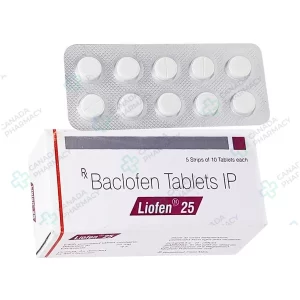
Baclofen
Price range: $ 52,00 through $ 498,00
Active substance: Baclofen
More Details
This product has multiple variants. The options may be chosen on the product page

Lioresal
Price range: $ 52,00 through $ 478,00
Active substance: Lioresal
More Details
This product has multiple variants. The options may be chosen on the product page
Mestinon
Price range: $ 64,00 through $ 403,00
Active substance: Pyridostigmine
More Details
This product has multiple variants. The options may be chosen on the product page
Pletal
Price range: $ 41,00 through $ 434,00
Active substance: Cilostazol
More Details
This product has multiple variants. The options may be chosen on the product page
Robaxin
Price range: $ 40,00 through $ 150,00
Active substance: Methocarbamol
More Details
This product has multiple variants. The options may be chosen on the product page
Shallaki
Price range: $ 53,00 through $ 203,00
Active substance: boswellic acid
More Details
This product has multiple variants. The options may be chosen on the product page
Skelaxin
Price range: $ 74,00 through $ 417,00
Active substance: Metaxalone
More Details
This product has multiple variants. The options may be chosen on the product page
Tizanidine
Price range: $ 88,00 through $ 214,00
Active substance: Tizanidine
More Details
This product has multiple variants. The options may be chosen on the product page