

-45%
Azulfidine
Price range: $ 58,00 through $ 193,00

Baclosign
Price range: $ 45,00 through $ 803,00
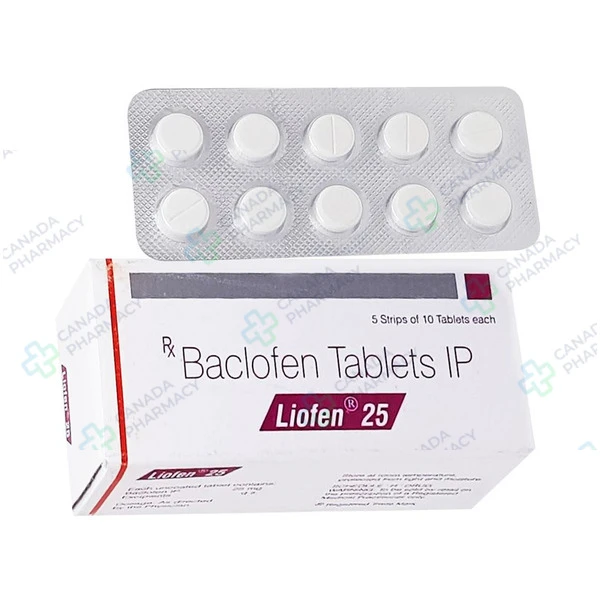
Baclofen
Price range: $ 52,00 through $ 498,00
Baclofen is a potent muscle relaxant designed to alleviate the symptoms of spasticity. It is primarily indicated for managing muscle spasms, cramping, and tightness caused by conditions like multiple sclerosis. The medication also provides relief for individuals dealing with spinal cord injuries or other spinal diseases. By acting on the central nervous system, it helps to relax skeletal muscles and improve overall mobility. This treatment effectively reduces the frequency and severity of painful muscle contractions to enhance daily comfort.
Active substance: Baclofen
Delivery: 5–21 days (depending on the shipping method)
Extra 10% discount with coupon: IT4K6SVM
Each dosage option has its own packaging choices.
Description
Baclofen belongs to a group of medicines called central muscle relaxants and GABA-B receptor agonists. In the United States, it is a prescription drug regulated by the Food and Drug Administration (FDA) for managing specific neurological conditions associated with severe muscle spasticity. Treatment requires clinical evaluation and dosage titration under professional medical supervision.
This reference guide provides objective clinical information regarding the pharmacological properties, dosing principles, potential adverse effects, and drug interactions of baclofen. Patients and caregivers should review these parameters to ensure safe administration and appropriate therapy monitoring.
| Property | Details |
|---|---|
| Active ingredient | Baclofen |
| Therapeutic class | Centrally acting skeletal muscle relaxant (GABA-B agonist) |
| Dosage form | Oral tablets, oral solution |
| Route of administration | Oral |
| Primary purpose | Alleviation of involuntary muscle spasticity and spasms |
| Prescription status | Prescription (Rx) only |
Pharmacological Overview
Main uses
Baclofen is FDA-approved for the alleviation of signs and symptoms of spasticity resulting from multiple sclerosis, particularly for the relief of flexor spasms, concomitant muscular pain, clonus, and muscular rigidity. It is also indicated for the management of spinal cord injuries, spinal cord ischemia, and other chronic spinal cord diseases. By reducing involuntary muscular hypertonicity, baclofen helps improve patient mobility, reduces discomfort, and assists in physical therapy regimens.
Off-label uses (applications not explicitly approved by the FDA): In clinical practice, prescribers may evaluate baclofen for off-label indications such as intractable hiccups, gastroesophageal reflux disease (GERD), or alcohol use disorder. These off-label uses are supported by limited clinical trial data and require specialized oversight by a licensed healthcare provider.
How the drug works
Baclofen operates as a structural analog of gamma-aminobutyric acid (GABA), functioning as a selective agonist at GABA-B receptors within the central nervous system. By binding to pre-synaptic GABA-B receptors in the spinal cord, baclofen inhibits monosynaptic and polysynaptic reflex transmission. This binding action induces hyperpolarization of primary afferent terminals, suppressing the influx of calcium ions and reducing the release of excitatory neurotransmitters such as glutamate and aspartate.
Through this central mechanism, baclofen decreases skeletal muscle tone and reduces the frequency of involuntary muscle contractions. It does not alter direct neuromuscular junction transmission or impair peripheral muscle fiber contractility, distinguishing its action from peripherally acting neuromuscular blockers.
How it is absorbed and eliminated
Following oral administration, baclofen is rapidly and almost completely absorbed from the gastrointestinal tract. Peak plasma concentrations are achieved within approximately 2 to 3 hours after ingestion. The absolute bioavailability of oral baclofen is high, although inter-individual variability in absorption speed can occur.
The elimination half-life of baclofen ranges from approximately 2.5 to 4 hours in individuals with normal kidney function. Baclofen undergoes minimal hepatic biotransformation, with approximately 70% to 80% of an administered dose excreted unchanged in the urine via glomerular filtration. The remaining portion is eliminated through feces and minor metabolic pathways. Because renal excretion is the primary route of clearance, reduced kidney function leads to prolonged systemic exposure and an increased risk of drug accumulation.
Dosing schedule
Dosage determination for baclofen must be individualized to establish the lowest effective dose that controls spasticity without inducing intolerable side effects. Initiating therapy typically involves a low dose, such as 5 mg administered orally three times daily. Under strict clinical monitoring, the dosage may be titrated upward by 5 mg per dose every three days until optimal therapeutic response is attained.
The maximum recommended total daily dosage for oral baclofen in adult patients is generally 80 mg per day (administered as 20 mg four times daily). Doses exceeding this threshold are not recommended unless managed under specialized medical protocols. Tablets should be taken with water, and dosing times should remain consistent throughout the day. Abrupt discontinuation of baclofen is dangerous and must be avoided due to the potential for severe withdrawal reactions.
Safety and Clinical Precautions
Adverse reactions
Central nervous system depression is the primary adverse reaction associated with baclofen therapy. Sedation, drowsiness, dizziness, lightheadedness, and muscle weakness occur frequently, particularly during initial dose titration. Patients may also experience neurological symptoms such as headache, confusion, insomnia, or ataxia.
Gastrointestinal side effects include nausea, constipation, dry mouth, and mild abdominal discomfort. Genitourinary effects may include urinary frequency, dysuria, or urinary retention. Cardiovascular effects such as hypotension or transient bradycardia can occur. Crucially, sudden cessation of baclofen can precipitate an acute withdrawal syndrome, which may present with severe rebound spasticity, hallucinations, delirium, hyperpyrexia, and seizures.
Compatibility with other medicines
Combining baclofen with other central nervous system depressants accentuates sedative effects and heightens the risk of respiratory depression. Co-administration with opioids, benzodiazepines, sedating antihistamines, barbiturates, or central analgesics requires dose reduction and close clinical observation.
Concomitant use of baclofen with antihypertensive medications can cause additive hypotensive effects, resulting in significant drops in blood pressure. Tricyclic antidepressants may increase muscular hypotonia when combined with baclofen. Additionally, medications that alter renal function may decrease baclofen clearance, elevating systemic plasma levels and raising the probability of adverse toxicity.
What to avoid while taking it
Alcoholic beverages must be strictly avoided during baclofen therapy. Ethanol significantly enhances central nervous system depression, increasing the risk of severe drowsiness, motor incoordination, confusion, and respiratory compromise.
Baclofen may be taken with or without food. If stomach upset occurs, taking the dose with meals or milk can help minimize gastrointestinal discomfort. Patients must avoid driving, operating heavy machinery, or engaging in hazardous tasks until their individual tolerance to the medication’s sedative effects has been determined.
If you skip a dose
If a dose of baclofen is missed, it should be taken as soon as remembered. However, if the time is close to the next scheduled dose, the missed dose should be skipped entirely, and the regular administration schedule should be resumed.
Patients should never take a double dose or add extra tablets to compensate for a skipped dose. Taking excess medication increases the risk of acute overdose, characterized by profound sedation, respiratory depression, and hypothermia.
Red flags
Immediate emergency medical evaluation is necessary if signs of acute toxicity or severe hypersensitivity develop. Key emergency red flags include:
- Severe respiratory depression, slow breathing, or inability to catch breath
- Profound lethargy, coma, or inability to remain conscious
- Severe mental status changes, acute confusion, or vivid hallucinations
- New or worsening seizures or uncoordinated muscular twitching
- Signs of severe allergic response, including swelling of the face, lips, tongue, or throat
Storage and expiration
Baclofen tablets must be stored at controlled room temperature between 20°C and 25°C (68°F to 77°F), with temporary excursions permitted between 15°C and 30°C (59°F to 86°F). Protect the container from excessive heat, high humidity, and direct sunlight.
Keep the bottle tightly sealed and store it away from high-moisture environments such as bathrooms. Ensure the medication is kept completely out of reach of children and pets. Expired or unused tablets should be disposed of via official community drug take-back programs or in accordance with local environmental regulations.
Important precautions
Baclofen requires careful clinical monitoring in specific patient populations. Patients with preexisting renal impairment require reduced dosages and periodic renal function testing due to impaired drug excretion. Individuals with a history of epilepsy, stroke, or psychiatric disorders must be monitored closely, as baclofen may lower seizure thresholds or exacerbate underlying neuropsychiatric conditions.
Elderly patients exhibit heightened sensitivity to central nervous system depression and face an elevated risk of confusion, drowsiness, and falls. In pregnant individuals, baclofen should be used only if the clinical benefit outweighs potential risks to the fetus, as comprehensive safety data during pregnancy remain limited. Baclofen is excreted into breast milk; lactating women must consult their healthcare provider to weigh nursing benefits against prospective risks.
Common questions
Is it safe to stop taking baclofen suddenly if my muscle spasms stop?
No. Abruptly stopping baclofen can cause dangerous withdrawal symptoms, including severe rebound muscle spasticity, high fever, hallucinations, and seizures. Any dose reduction or treatment discontinuation must occur gradually under the guidance of a prescribing physician.
How does kidney disease affect baclofen treatment?
Because baclofen is primarily excreted unchanged by the kidneys, impaired renal function can cause the medication to accumulate in the bloodstream. Prescribers typically adjust doses downward and monitor renal labs to prevent central nervous system toxicity.
Can baclofen be taken alongside over-the-counter pain relievers?
Most standard non-prescription analgesics, such as acetaminophen or ibuprofen, do not directly interact with baclofen. However, over-the-counter medications containing sedating antihistamines or sleep aids must be avoided due to additive CNS depression.
What should I do if I experience excessive daytime drowsiness?
Drowsiness is a common effect, especially during early treatment or dose titration. Do not drive or perform dangerous activities. Inform your prescribing doctor, who may modify the titration schedule or adjust your total daily dosage.
Why is baclofen prescribed off-label for conditions like alcohol use disorder?
Baclofen interacts with GABA-B receptors in brain circuits involved in reward pathways. While some prescribers utilize it off-label to help manage alcohol cravings, this application is not FDA-approved and requires individual medical evaluation.
This text is for informational purposes only and does not constitute individual medical advice. In accordance with FDA requirements.
Additional information
| Dosage |
10mg ,25mg |
|---|---|
| Package |
30 pills ,60 pills ,90 pills ,120 pills ,180 pills ,270 pills ,360 pills |
| Ενεργός Ουσία |
Related products
Baclosign
Price range: $ 45,00 through $ 803,00
Active substance: Baclofen
More Details
This product has multiple variants. The options may be chosen on the product page
Flexeril
Price range: $ 57,00 through $ 648,00
Active substance: Cyclobenzaprine
More Details
This product has multiple variants. The options may be chosen on the product page
Lioresal
Price range: $ 52,00 through $ 478,00
Active substance: Lioresal
More Details
This product has multiple variants. The options may be chosen on the product page

Rumalaya forte
Price range: $ 52,00 through $ 212,00
Active substance: Rumalaya forte
More Details
This product has multiple variants. The options may be chosen on the product page
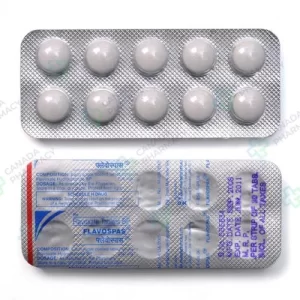
Urispas
Price range: $ 48,00 through $ 385,00
Active substance: Flavoxate
More Details
This product has multiple variants. The options may be chosen on the product page
Voveran
Price range: $ 44,00 through $ 150,00
Active substance: Voveran
More Details
This product has multiple variants. The options may be chosen on the product page

Voveran sr
Price range: $ 41,00 through $ 61,00
Active substance: Diclofenak
More Details
This product has multiple variants. The options may be chosen on the product page
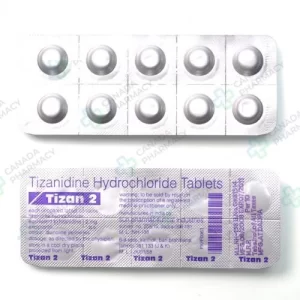
Zanaflex
Price range: $ 40,00 through $ 285,00
Active substance: Tizanidine
More Details
This product has multiple variants. The options may be chosen on the product page