

-26%
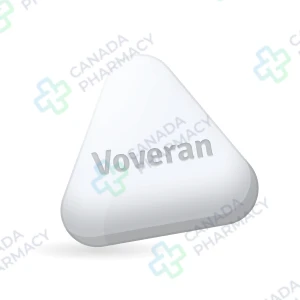
Voveran
Price range: $ 44,00 through $ 150,00
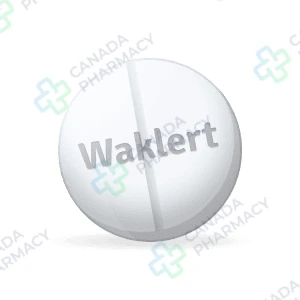
Waklert
Price range: $ 65,00 through $ 426,00
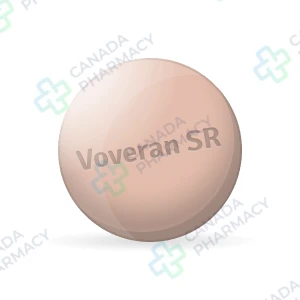
Voveran sr
Price range: $ 41,00 through $ 61,00
Voveran SR is an effective non-steroidal anti-inflammatory drug (NSAID) designed to provide long-lasting relief from persistent pain and inflammation. The sustained-release formulation ensures a steady delivery of the active ingredient, diclofenac sodium, into the bloodstream for extended comfort throughout the day. This medication is primarily used to manage symptoms associated with various types of arthritis, including osteoarthritis and rheumatoid arthritis. It is also highly effective in treating acute musculoskeletal disorders, ankylosing spondylitis, and minor injuries that cause swelling and joint discomfort. By reducing inflammation and alleviating stiffness, Voveran SR helps improve physical mobility and overall quality of life for those dealing with chronic pain conditions.
Active substance: Diclofenak
Delivery: 5–21 days (depending on the shipping method)
Extra 10% discount with coupon: IT4K6SVM
Each dosage option has its own packaging choices.
Description
Voveran SR belongs to a group of medicines called nonsteroidal anti-inflammatory drugs (NSAIDs), specifically formulated as a sustained-release oral tablet containing diclofenac sodium. This medication is prescribed to reduce pain, swelling, and joint stiffness associated with chronic inflammatory joint conditions.
In the United States, oral formulations of diclofenac sodium are prescription-only medications and must be dispensed in accordance with federal and state regulations. Proper clinical supervision is required to monitor therapeutic response and minimize potential cardiovascular and gastrointestinal risks.
| Attribute | Details |
|---|---|
| Active ingredient | Diclofenac sodium |
| Therapeutic class | Nonsteroidal Anti-inflammatory Drug (NSAID) |
| Dosage form | Sustained-release tablet |
| Route of administration | Oral |
| Primary purpose | Management of pain and inflammation |
| Prescription status | Prescription (Rx) required |
| Storage condition | Controlled room temperature (68°F to 77°F) |
Main Uses
Voveran SR is primarily indicated for the symptomatic relief of painful and inflammatory disorders. Clinical applications center on chronic musculoskeletal conditions where continuous anti-inflammatory action is beneficial. The primary FDA-aligned therapeutic indications for extended-release diclofenac sodium formulations include the management of osteoarthritis, rheumatoid arthritis, and ankylosing spondylitis.
By delivering sustained plasma concentrations of the active substance throughout the day, the formulation helps diminish joint pain, morning stiffness, and soft tissue swelling. It is also utilized to alleviate acute flare-ups of chronic joint disorders. Prescribers evaluate individual patient factors, including gastrointestinal and cardiovascular risk profiles, prior to initiating therapy to ensure the chosen regimen aligns with established clinical guidelines.
How the Drug Works
The therapeutic mechanism of Voveran SR relies on the active compound diclofenac sodium, a benzeneacetic acid derivative. Diclofenac inhibits the activity of cyclooxygenase enzymes, specifically COX-1 and COX-2. These enzymes are essential catalysts in the arachidonic acid cascade, converting arachidonic acid into pro-inflammatory prostanoids, including prostaglandin E2, prostacyclin, and thromboxanes.
By reducing systemic prostaglandin synthesis, the medication diminishes local peripheral pain signals, tissue edema, and inflammatory hyperalgesia. The sustained-release formulation incorporates a matrix designed to gradually release diclofenac sodium over an extended period. This controlled rate of dissolution maintains steady serum concentrations, preventing sharp peak-to-trough fluctuations and permitting less frequent daily dosing regimens while maintaining continuous pharmacological action.
Dosing Schedule
Dosing of Voveran SR must be individualized by a licensed healthcare provider based on therapeutic objectives and patient tolerability. The general clinical strategy involves using the lowest effective dose for the shortest duration consistent with individual patient treatment goals. The standard daily dosage for adults generally ranges from 75 mg to 150 mg, administered as a single daily dose or divided into two doses depending on the specific sustained-release strength prescribed.
Tablets must be swallowed whole with a full glass of water or liquid. Patients must not crush, chew, break, or split the sustained-release tablets, as compromising the tablet coating destroys the slow-release mechanism, leading to rapid drug exposure and an elevated risk of systemic toxicity. Co-administration with meals may reduce initial gastrointestinal discomfort without significantly altering total bioavailability.
How It’s Absorbed and Eliminated
Following oral administration, diclofenac sodium is completely absorbed from the gastrointestinal tract. However, due to significant first-pass hepatic metabolism, approximately 50% to 60% of the absorbed dose reaches systemic circulation unchanged. The sustained-release matrix delays peak plasma concentrations compared to immediate-release formulations, reaching maximum serum levels typically between 4.5 and 6 hours after ingestion.
Diclofenac is extensively bound to serum proteins (>99%), primarily albumin. It distributes readily into synovial fluid, where concentrations remain higher than in plasma after plasma concentrations decline. Metabolism occurs predominantly in the liver via hydroxylation catalyzed primarily by the CYP2C9 enzyme system. Elimination occurs primarily through renal excretion (around 60% as metabolites) and biliary clearance (around 35%). The terminal plasma half-life of free diclofenac is approximately 1 to 2 hours, though sustained tissue and synovial exposure extends its clinical activity.
Adverse Reactions
Adverse reactions associated with Voveran SR primary affect the gastrointestinal, renal, and cardiovascular systems. Common side effects include dyspepsia, abdominal pain, nausea, flatulence, diarrhea, constipation, and headache. Dizziness, fluid retention, and peripheral edema may also occur. Elevated hepatic enzymes (ALT and AST) are observed in some individuals, necessitating periodic liver function monitoring during prolonged therapy.
Serious adverse reactions include gastrointestinal ulceration, bleeding, and perforation, which can occur at any time during treatment without warning symptoms. Serious cardiovascular events, such as myocardial infarction, stroke, new-onset hypertension, or worsening of pre-existing heart failure, represent significant safety considerations. Serious dermatological reactions, including Stevens-Johnson syndrome and toxic epidermal necrolysis, along with renal papillary necrosis or acute kidney injury, require immediate medical intervention.
Compatibility with Other Medicines
Diclofenac sodium demonstrates clinically relevant interactions with multiple therapeutic classes. Concomitant administration with oral anticoagulants (such as warfarin or direct oral anticoagulants), antiplatelet agents (like aspirin or clopidogrel), or selective serotonin reuptake inhibitors (SSRIs) substantially increases the risk of severe upper gastrointestinal hemorrhage. Co-administration with other nonsteroidal anti-inflammatory drugs or systemic corticosteroids also compounds mucosal toxicity.
Voveran SR may diminish the antihypertensive efficacy of angiotensin-converting enzyme (ACE) inhibitors, angiotensin receptor blockers (ARBs), and beta-blockers. Combining NSAIDs with ACE inhibitors or ARBs in elderly, volume-depleted, or renal-compromised patients heightens the risk of acute renal failure. Additionally, diclofenac increases serum concentrations of lithium, digoxin, and methotrexate, raising the potential for drug toxicity. Co-treatment with potent CYP2C9 inhibitors (such as voriconazole) can significantly increase diclofenac plasma concentrations.
Food and Alcohol Interactions
Taking Voveran SR with food can help mitigate upper gastrointestinal distress, such as nausea or indigestion. While ingestion with food delays the rate of absorption and extends the time to reach peak plasma concentration, it does not significantly decrease the total extent of drug absorption (AUC). Consuming alcohol while taking diclofenac sodium increases the risk of severe gastrointestinal ulceration and mucosal bleeding. Patients are advised to limit or avoid alcohol consumption during the entire course of NSAID therapy.
Important Precautions
Voveran SR carries boxed warnings regarding serious cardiovascular and gastrointestinal risks. Nonsteroidal anti-inflammatory drugs increase the risk of serious cardiovascular thrombotic events, including myocardial infarction and stroke. Use is strictly contraindicated in the setting of coronary artery bypass graft (CABG) surgery. Gastrointestinal warnings highlight risks of inflammation, bleeding, ulceration, and perforation of the stomach or intestines, particularly in elderly patients or those with a history of peptic ulcer disease.
Special populations require careful evaluation. Use of diclofenac sodium during pregnancy is restricted; administration at or after 20 weeks of gestation should be avoided because it may cause premature closure of the fetal ductus arteriosus and fetal renal dysfunction leading to oligohydramnios. Caution is required in patients with pre-existing hepatic impairment, renal dysfunction, severe heart failure, or fluid retention. Pediatric safety and efficacy for sustained-release formulations have not been established.
If You Skip a Dose
If a dose of Voveran SR is missed, it should be taken as soon as remembered, provided the next scheduled dose is not imminent. However, if it is nearly time for the next dose, the missed tablet should be skipped entirely, and the normal dosing schedule resumed. Patients must never double the dose or take extra medicine to make up for a missed tablet. Taking double doses significantly elevates the risk of severe systemic side effects, particularly acute gastrointestinal irritation and elevated blood pressure.
Storage and Expiration
Voveran SR tablets must be stored at controlled room temperature, ideally between 68°F and 77°F (20°C to 25°C), with brief excursions permitted between 59°F and 86°F (15°C to 30°C). Keep the medication in its original packaging to protect it from excessive moisture and direct light exposure. Store out of sight and reach of children and pets. Do not use tablets past the expiration date printed on the blister pack or container. Expired medications should be disposed of via local drug take-back programs rather than flushed down the toilet.
Practical Tips
To minimize gastrointestinal discomfort, integrate medication intake with scheduled daily meals. Maintain adequate daily hydration unless medically restricted. Patients should maintain an accurate record of all prescription drugs, over-the-counter products, and herbal supplements currently taken to share with their healthcare team. Report any unusual skin changes, persistent abdominal pain, dark tarry stools, swelling of the lower extremities, or unexpected weight gain to a medical provider promptly.
Common Questions
What should I do if I experience an upset stomach while taking Voveran SR?
Gastrointestinal upset can often be managed by taking the tablet alongside meals or with milk. However, if abdominal pain persists, or if you notice severe symptoms such as dark or tarry stools, persistent nausea, or vomiting blood, contact a physician immediately as these may indicate serious stomach bleeding.
Can Voveran SR be combined with over-the-counter pain relievers like ibuprofen or naproxen?
No, combining Voveran SR with other nonsteroidal anti-inflammatory drugs (NSAIDs), including OTC ibuprofen, naproxen, or aspirin, is not recommended. Combining multiple NSAIDs increases the likelihood of adverse effects–especially gastrointestinal bleeding and kidney toxicity–without offering additional therapeutic benefits.
How does the sustained-release formulation differ from standard immediate-release diclofenac?
Sustained-release tablets are engineered to release diclofenac sodium slowly over hours, providing consistent drug levels in the bloodstream. Standard immediate-release tablets absorb rapidly, creating higher initial drug concentrations that taper quickly. The sustained-release profile allows for fewer daily doses while maintaining ongoing pain management.
Is it safe to drive while taking this medication?
Some individuals experience side effects such as dizziness, drowsiness, or visual disturbances when taking diclofenac. Until you understand how Voveran SR affects your alertness and reaction times, avoid driving, operating machinery, or performing tasks that require full cognitive concentration.
How long can Voveran SR be taken for chronic conditions like osteoarthritis?
The duration of treatment is determined individually by a prescribing physician. Because long-term use of NSAIDs carries cumulative risks for cardiovascular and gastrointestinal complications, providers aim to use the lowest effective dose for the shortest duration necessary, frequently reviewing the need for ongoing therapy.
In accordance with FDA requirements.
This text is for informational purposes only and does not constitute individual medical advice.
Additional information
| Dosage |
100mg |
|---|---|
| Package |
180 pills ,270 pills ,360 pills |
| Ενεργός Ουσία |
Related products
Anacin
More Details
This product has multiple variants. The options may be chosen on the product page
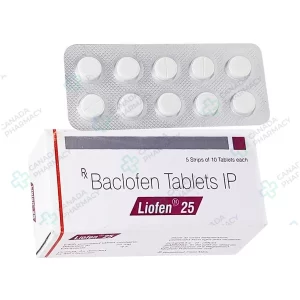
Baclofen
Price range: $ 52,00 through $ 498,00
Active substance: Baclofen
More Details
This product has multiple variants. The options may be chosen on the product page
Baclosign
Price range: $ 45,00 through $ 803,00
Active substance: Baclofen
More Details
This product has multiple variants. The options may be chosen on the product page
Lioresal
Price range: $ 52,00 through $ 478,00
Active substance: Lioresal
More Details
This product has multiple variants. The options may be chosen on the product page
Nimotop
Price range: $ 40,00 through $ 338,00
Active substance: Nimodipine
More Details
This product has multiple variants. The options may be chosen on the product page
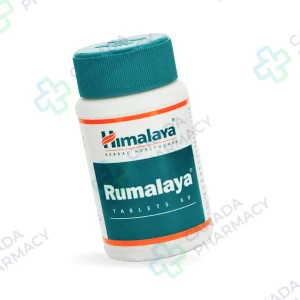
Rumalaya
Price range: $ 51,00 through $ 206,00
Active substance: Rumalaya
More Details
This product has multiple variants. The options may be chosen on the product page
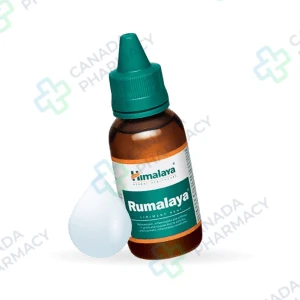
Rumalaya liniment
Price range: $ 53,00 through $ 213,00
Active substance: Gaultheria
More Details
This product has multiple variants. The options may be chosen on the product page
Skelaxin
Price range: $ 74,00 through $ 417,00
Active substance: Metaxalone
More Details
This product has multiple variants. The options may be chosen on the product page