

-20%
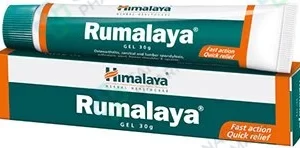
Rumalaya gel
Price range: $ 54,00 through $ 216,00
Rybelsus
Price range: $ 250,00 through $ 880,00
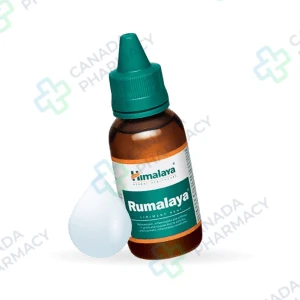
Rumalaya liniment
Price range: $ 53,00 through $ 213,00
Rumalaya liniment is a potent topical herbal formulation designed to provide rapid relief from various musculoskeletal discomforts. This fast-acting liquid absorbs quickly into the skin to soothe aching joints and ease muscle stiffness. It is highly effective for managing localized pain associated with arthritis, sprains, strains, and minor sports injuries. Infused with natural ingredients like camphor and essential oils, the liniment promotes better blood circulation in the affected area to help reduce inflammation. Whether dealing with daily backaches or chronic physical tension, this versatile remedy offers a comforting and non-greasy solution for improved mobility.
Active substance: Gaultheria
Delivery: 5–21 days (depending on the shipping method)
Extra 10% discount with coupon: IT4K6SVM
Each dosage option has its own packaging choices.
Description
Rumalaya liniment belongs to the class of topical counterirritants and botanical rub formulations intended for the temporary relief of localized joint and muscular discomfort. It is formulated for external application directly to skin surfaces overlying affected joints, tendons, and skeletal muscular zones, dispensed in accordance with applicable federal and state regulations for topical non-prescription preparations.
The liniment incorporates volatile aromatic compounds and organic constituents, including methyl salicylate (derived from Indian Wintergreen oil) and camphor, which induce a mild cutaneous warming and cooling sensory response. This product is formulated strictly for topical external application and must never be ingested, inhaled, or applied to compromised skin barriers.
| Feature | Details |
|---|---|
| Active constituents | Methyl salicylate (from Gaultheria fragrantissima), Camphor, Menthol/Mint oil extracts |
| Dosage form | Topical liquid liniment / cutaneous rub |
| Route of administration | Topical (cutaneous) |
| Primary purpose | Temporary local relief of minor joint stiffness, muscular strain, and soreness |
| Prescription status | Dispensed in accordance with applicable federal and state regulations |
| Storage conditions | Store below 30°C (86°F) in a dry place, away from direct light and heat |
Clinical Overview and Pharmacology
How the Drug Works and Main Uses
How the drug works
The therapeutic activity of Rumalaya liniment relies on a dual-action counterirritant mechanism operating at the cutaneous nociceptor level. Methyl salicylate acts as a localized nonsteroidal anti-inflammatory agent by attenuating prostaglandin synthesis via cyclooxygenase pathway inhibition within dermal tissues. Concurrently, aromatic terpenes such as camphor and menthol interact with transient receptor potential (TRP) ion channels–specifically TRPM8 and TRPV1 receptors–located on sensory nerve endings. This activation triggers initial localized cooling followed by hyperemic cutaneous warming. According to the gate-control theory of pain perception, these mild thermal sensory inputs override localized nociceptive pain signals at the spinal cord level, effectively reducing the perception of deep muscular and articular discomfort while promoting localized microvascular vasodilation.
Main uses
Rumalaya liniment is indicated for the temporary management of minor muscular aches, soft tissue strains, joint sprains, localized muscular hypertonicity, and stiffness associated with physical exertion or mild arthritic conditions. Unapproved or off-label use for deep-tissue tendon ruptures, internal visceral inflammation, severe joint effusion, or chronic neuropathic pain conditions (such as diabetic peripheral neuropathy) is not supported by standard clinical evidence and lacks FDA-approved labelling for these indications.
How it’s absorbed and eliminated
Following cutaneous application, active components undergo variable levels of dermal absorption. Methyl salicylate penetrates through the stratum corneum into underlying subcutaneous capillary networks. Systemic plasma concentrations of methyl salicylate remain low when applied to limited surface areas as directed. Dermally absorbed methyl salicylate is rapidly converted by tissue esterases into salicylic acid. Metabolism occurs primarily in the liver via glycine and glucuronic acid conjugation, forming salicyluric acid and phenolic glucuronides, which are subsequently eliminated through renal excretion. The systemic elimination half-life of dermally absorbed salicylate ranges between 2 to 4 hours under normal skin temperatures. Camphor undergoes hepatic hydroxylation to hydroxycamphor followed by glucuronide conjugation before renal clearance.
Dosage, Safety, and Usage Guidelines
Dosing Schedule and Practical Tips
First days of treatment
Upon initial application, patients typically observe a distinct sensory sequence within 2 to 5 minutes, characterized by an initial cooling sensation followed by mild cutaneous hyperemia (skin warming and reddening). Symptomatic relief of localized muscle tightness or minor pain usually manifests within 15 to 30 minutes following skin rubdown. The characteristic aromatic odor of essential oils dissipates gradually over 1 to 2 hours. Prior to widespread initial use, performing a patch test on a small area of intact forearm skin is recommended to evaluate individual tissue sensitivity.
Dosing schedule
For external cutaneous application only. Shake the container thoroughly prior to dispensing. Ensure the target application site is clean, dry, and free of residual topicals. Dispense a small volume (approximately 2 to 5 mL depending on the anatomical area) onto intact skin covering the affected muscle or joint zone. Gently massage the liniment into the skin using circular movements until the liquid is absorbed. Application may be repeated 2 to 3 times daily as required for symptom relief. Wash hands thoroughly with soap and water immediately following application to prevent accidental transfer to mucosal tissues or eyes. Do not apply tight occlusive dressings or airtight bandages over the application area.
Practical tips
Store the bottle upright in a cool environment with the closure tightly sealed to prevent evaporation of volatile active ingredients. Avoid applying the product immediately after hot baths, showers, or strenuous exercise; expanded cutaneous pores and elevated skin temperature increase absorption rates, which can cause intense stinging or thermal irritation. Allow the liquid to dry completely before allowing contact with clothing to prevent fabric staining. Keep the product away from open flames, as volatile botanical oils may be flammable.
Interactions and Adverse Reactions
What not to combine
Topical preparations containing methyl salicylate can interact significantly with systemic oral anticoagulants such as warfarin. Enhanced transdermal absorption of salicylates can potentiate systemic anticoagulant effects, increasing International Normalized Ratio (INR) levels and elevating hemorrhage risks. Concomitant application with other topical counterirritants, capsaicin-containing formulations, or topical nonsteroidal anti-inflammatory drugs (e.g., diclofenac gel) is not recommended due to a heightened risk of cutaneous erosion, contact dermatitis, and systemic drug accumulation. Co-administration with external heat sources, such as electric heating pads or thermal wraps, is strictly contraindicated; heat accelerates dermal blood flow and transdermal penetration, raising systemic toxicity risks.
Adverse reactions
Adverse effects are primarily localized to the site of application. Commonly reported skin reactions include localized erythema (redness), transient burning sensations, localized skin dryness, itching (pruritus), and mild contact dermatitis. Less frequently, hypersensitive individuals may experience allergic contact dermatitis characterized by skin vesiculation, urticaria, or localized edema. Systemic adverse reactions are uncommon when used on limited intact skin areas; however, excessive application over wide body regions or under occlusive wraps can precipitate systemic salicylate toxicity symptoms, including tinnitus, headache, dizziness, nausea, and hyperventilation.
Important precautions
Contraindicated in patients with known hypersensitivity to salicylates, aspirin, camphor, menthol, or any plant components in the formulation. Do not apply to denuded dermis, open wounds, irritated skin, mucous membranes, or periocular regions. Special population warnings must be observed: Safety during pregnancy and lactation has not been established in controlled trials. Salicylates cross the placental barrier; use during the third trimester of pregnancy is specifically discouraged due to risks of premature closure of the fetal ductus arteriosus and potential uterine hemostatic alteration. Pediatric use in children under 12 years of age requires explicit medical supervision due to heightened pediatric cutaneous absorption rates and sensitivity to camphor toxicity. Elderly patients with epidermal thinning should use smaller quantities to avoid localized skin breakdown.
Red flags
Discontinue use and seek emergency medical evaluation immediately if severe hypersensitivity or systemic toxicity symptoms develop. Severe warning signs include skin blistering, ulceration, chemical burns, swelling of the face, lips, tongue, or throat, difficulty breathing, widespread skin rash, or intense dizziness. Symptoms indicative of systemic salicylate toxicity–such as persistent ringing in the ears (tinnitus), rapid shallow breathing, confusion, or severe persistent vomiting–require urgent clinical emergency intervention.
Common Questions
Is it normal to experience a burning sensation after applying Rumalaya liniment?
A mild to moderate warming or tingling sensation is expected due to counterirritant components like camphor and menthol interacting with sensory nerves. However, if the sensation becomes painfully intense, severe, or is accompanied by persistent skin redness, blistering, or swelling, wipe the liniment off gently with a dry towel and wash the area with mild soap and cold water.
Can Rumalaya liniment be used simultaneously with an oral pain reliever like ibuprofen?
While occasional co-use on limited areas is generally tolerated, routine simultaneous use of topical salicylates and oral nonsteroidal anti-inflammatory drugs (NSAIDs) should be monitored by a healthcare provider. Systemic absorption of methyl salicylate can add to total salicylate load, potentially increasing stomach irritation or bleeding risks in susceptible individuals.
What should I do if Rumalaya liniment accidentally gets into my eyes or on open cuts?
Immediate flushing is necessary. If accidental ocular or open-wound contact occurs, rinse the affected area continuously with copious amounts of cool, clean water or isotonic saline solution for at least 15 minutes. If ocular redness, pain, or vision changes persist after flushing, seek immediate ophthalmic evaluation.
How long can I safely use Rumalaya liniment for joint discomfort?
Topical counterirritants are intended for short-term symptomatic relief. If joint or muscle discomfort persists beyond 7 consecutive days of regular use, worsens, or resolves and recurs within a few days, discontinue use and consult a healthcare professional for comprehensive diagnostic assessment.
Can I apply a heating pad over the area after rubbing in the liniment?
No, external heat sources such as heating pads, hot water bottles, or heat lamps should never be applied over areas treated with counterirritant liniments. Heat increases dermal capillary blood flow and accelerates chemical absorption through the skin, significantly raising the risk of severe skin blistering and systemic toxicity.
Dispensed in accordance with applicable federal and state regulations for topical preparations.
This text is for informational purposes only and does not constitute individual medical advice.
Additional information
| Dosage |
60ml |
|---|---|
| Package |
2 bottles ,3 bottles ,4 bottles ,5 bottles ,6 bottles ,7 bottles ,8 bottles ,9 bottles ,10 bottles |
| Ενεργός Ουσία |
Related products
Cystone
Price range: $ 63,00 through $ 76,00
Active substance: Pasanabheda, Shilapushpa
More Details
This product has multiple variants. The options may be chosen on the product page
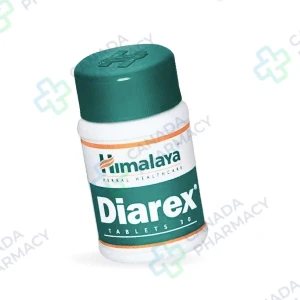
Diarex
Price range: $ 54,00 through $ 236,00
Active substance: Diarex
More Details
This product has multiple variants. The options may be chosen on the product page
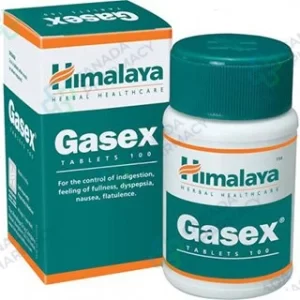
Gasex
Price range: $ 40,00 through $ 241,00
Active substance: Gasex
More Details
This product has multiple variants. The options may be chosen on the product page
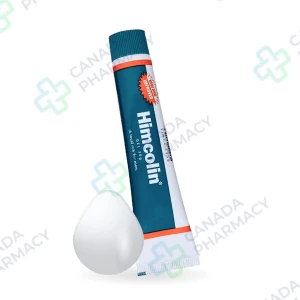
Himcolin
$ 57,00
Active substance: Himcolin
More Details
This product has multiple variants. The options may be chosen on the product page
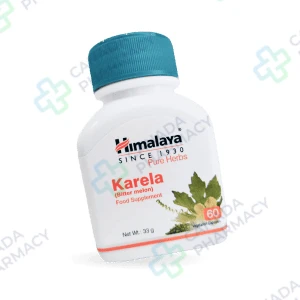
Karela
Price range: $ 63,00 through $ 79,00
Active substance: Normalized Karela Concentrate (Momordica charantia)
More Details
This product has multiple variants. The options may be chosen on the product page
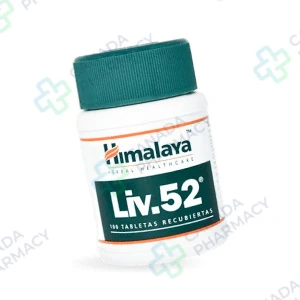
Liv.52
Price range: $ 55,00 through $ 118,00
Active substance: himsra kasani
More Details
This product has multiple variants. The options may be chosen on the product page
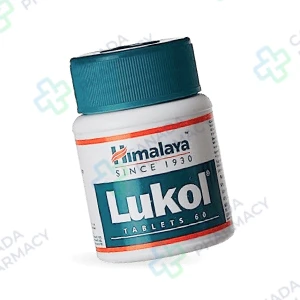
Lukol
More Details
This product has multiple variants. The options may be chosen on the product page
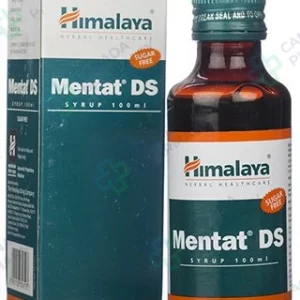
Mentat DS syrup
Price range: $ 49,00 through $ 341,00
Active substance: Brahmi
More Details
This product has multiple variants. The options may be chosen on the product page