

-37%
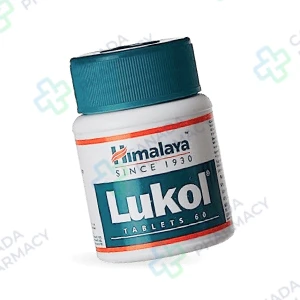
Lquin
Price range: $ 14,00 through $ 136,00
Lumigan
Price range: $ 53,00 through $ 490,00
Lukol
Price range: $ 63,00 through $ 79,00
Lukol is a specialized herbal formulation designed to support female reproductive health and maintain a healthy vaginal ecosystem. It is primarily indicated for the effective management of non-specific leukorrhea by regulating vaginal secretions and restoring balance. The supplement contains potent natural ingredients that provide relief from symptoms associated with pelvic inflammatory disease and chronic congestion. Its anti-inflammatory and analgesic properties help alleviate lower back pain and discomfort often linked to gynecological concerns. By toning the uterine tissues, Lukol promotes overall well-being and improves general health for women.
Delivery: 5–21 days (depending on the shipping method)
Extra 10% discount with coupon: IT4K6SVM
Each dosage option has its own packaging choices.
Description
Lukol belongs to the category of multi-herb traditional botanical formulations utilized primarily for gynecological health support. In the United States, such botanical preparations are marketed as dietary supplements and are dispensed in accordance with applicable federal and state regulations.
The formulation incorporates a complex mixture of plant-derived active compounds, including extracts of Asteracantha longifolia, Asparagus racemosus, and processed mineral complexes. Patients considering this product should review its components with a qualified healthcare professional to ensure appropriate usage alongside conventional treatments.
Key Product Overview
| Attribute | Specification |
|---|---|
| Drug / Product Name | Lukol |
| Active Components | Multi-herb complex (including Asparagus racemosus, Asteracantha longifolia, and processed minerals) |
| Therapeutic Category | Gynecological Botanical Support / Multi-Herb Supplement |
| Dosage Form | Oral tablet |
| Route of Administration | Oral |
| Primary Purpose | Support of uterine mucosal health and management of non-specific vaginal discharge |
| Prescription Status | Dispensed in accordance with applicable federal and state regulations |
| Storage Conditions | Store at room temperature away from direct moisture and heat |
How the Drug Works
The mechanism of action of Lukol relies on the synergistic pharmacological effects of its botanical and mineral ingredients. The botanical extracts present in the formula contain bioactive phytochemicals, including phytoestrogens, steroidal saponins, tannins, and flavonoids. These components exert a mild tonic effect on the uterine musculature and help maintain normal endometrial tissue integrity.
In addition, several herbal constituents possess documented astringent and antimicrobial properties in preclinical models. Tannins present in the formulation interact with mucosal proteins to form a protective layer over delicate epithelial tissues, which helps reduce excessive mucous secretions in cases of non-specific leukorrhea. The anti-inflammatory action is mediated through the inhibition of pro-inflammatory mediators such as prostaglandins, thereby aiding in the alleviation of localized pelvic discomfort and vascular congestion within the pelvic organs.
Main Uses
Lukol is traditionally used as a supportive botanical intervention for conditions affecting the female reproductive tract. Its primary application includes the symptomatic relief of non-specific white discharge (leukorrhea) caused by mild inflammatory states or physiological imbalances of the cervical and vaginal mucosa. It is also utilized to relieve associated low back pain and pelvic heaviness frequently observed alongside chronic mucosal irritation.
Secondarily, the preparation may be recommended as an adjunctive support following minor gynecological procedures or post-partum recovery to assist in uterine tissue toning. Use of this product for acute pelvic inflammatory disease, specific sexually transmitted infections, or malignant cervical pathology is considered non-indicated, and any use outside traditional supportive care should be discussed directly with a physician as an off-label or complementary measure.
Dosing Schedule
Dosage must be individualized based on clinical presentation and guidance from a healthcare provider. The standard adult regimen typically involves taking one to two tablets twice daily after meals. The tablets should be swallowed whole with a full glass of water and should not be crushed, chewed, or broken prior to ingestion.
The duration of administration varies depending on the severity of symptoms and patient response. A typical course ranges from two to four weeks. Extended use beyond four weeks requires periodic evaluation by a physician to assess therapeutic benefit and rule out underlying infections or structural abnormalities. If symptoms persist or worsen during the administration period, treatment should be paused for clinical reassessment.
What Happens in the Body
Because Lukol is a complex multi-component herbal formulation, standardized pharmacokinetic values such as precise systemic bioavailability, specific volume of distribution, or definitive plasma elimination half-life are not established in standardized United States clinical labeling. Each plant component undergoes distinct metabolic pathways within the human gastrointestinal system.
Following oral administration, water-soluble constituents such as tannins and glycosides are partially absorbed in the small intestine, while insoluble polyphenolic compounds are metabolized by intestinal microflora into secondary active metabolites. Saponins and flavonoids undergo hepatic transformation via glucuronidation and sulfation pathways. Elimination occurs predominantly through renal excretion for water-soluble metabolites and through the biliary tract into the feces for unabsorbed plant matrix components and insoluble mineral complexes.
Compatibility With Other Medicines
Potential drug interactions can occur when Lukol is co-administered with conventional pharmaceutical agents. Due to the presence of phytoestrogenic components such as those found in Asparagus racemosus, caution is advised when taking this product alongside exogenous estrogen therapies, oral contraceptives, or selective estrogen receptor modulators (SERMs), as additive or competitive endocrine effects cannot be completely ruled out.
Additionally, high tannin content in herbal preparations can chelate divalent metal ions and impair the gastrointestinal absorption of concurrently administered oral iron supplements, calcium supplements, or certain oral antibiotics such as fluoroquinolones and tetracyclines. Doses of Lukol and oral mineral supplements or antibiotics should be separated by at least two hours. Concomitant use with systemic immunosuppressants or potent anticoagulant medications should only occur under strict medical oversight.
Adverse Reactions
Lukol is generally well tolerated when taken according to recommended guidelines, but adverse reactions may occur in sensitive individuals. Gastrointestinal disturbances represent the most frequently reported adverse effects. Patients may experience mild nausea, epigastric discomfort, abdominal bloating, or minor alterations in bowel habits such as transient diarrhea or constipation.
Hypersensitivity reactions, although uncommon, may manifest as cutaneous eruptions, pruritus, localized urticaria, or facial erythema. In rare instances, individuals with pre-existing gastric mucosal vulnerability may report mild heart burn or stomach irritation due to the mineral constituents of the tablet. Any severe skin reaction or persistent systemic complaint warrants immediate discontinuation of the preparation.
Important Precautions
Before initiating therapy with Lukol, patients must undergo a thorough medical evaluation to rule out acute infectious, oncologic, or structural causes of abnormal vaginal discharge. This product must not be used as a substitute for appropriate antimicrobial therapy in diagnosed cases of bacterial vaginosis, trichomoniasis, or vulvovaginal candidiasis.
Patients with pre-existing hepatic impairment, renal failure, or a history of hormone-sensitive neoplasms (such as breast, uterine, or ovarian carcinomas) should exercise extreme caution and obtain explicit clearance from their oncologist or gynecologist prior to use. Regular monitoring of liver function tests and renal panels may be advised during prolonged administration in patients with complex medical backgrounds.
What to Avoid While Taking It
Dietary factors can influence the tolerability and absorption of multi-herb preparations. Patients taking Lukol should avoid concurrent consumption of heavy, greasy, or excessively spicy foods that might irritate the gastric mucosa and exacerbate potential gastrointestinal side effects. Adequate hydration (at least 2 liters of water daily) is recommended during the treatment period.
Ethanol (alcohol) consumption should be minimized or completely avoided during administration. Alcohol can induce gastric mucosal irritation, alter hepatic metabolic enzymes responsible for processing botanical compounds, and obscure the evaluation of clinical symptoms such as pelvic discomfort or dizziness.
If You Skip a Dose
If a dose of Lukol is missed, it should be taken as soon as remembered, provided the next scheduled dose is not due shortly. If it is nearly time for the subsequent dose, the missed dose should be skipped entirely, and the normal dosing schedule resumed.
Patients must never double the dose or take extra tablets to compensate for a missed administration. Doubling doses increases the risk of gastrointestinal irritation and unwanted metabolic stress without providing added therapeutic benefit.
Pregnancy, Breastfeeding, and Other Groups
The safety profile of Lukol during pregnancy has not been established through controlled clinical trials. Several herbal constituents possess potential uterine-stimulating or emmenagogue properties; therefore, the use of Lukol during pregnancy is contraindicated unless specifically advised and monitored by an obstetrician.
Lactating mothers should exercise caution, as data regarding the excretion of botanical active metabolites into human breast milk are insufficient. Pediatric use in girls prior to puberty is not recommended. Geriatric patients may require dose adjustments or extended monitoring due to age-related declines in renal clearance and hepatic metabolic capacity.
Storage and Expiration
Lukol tablets must be stored in their original packaging to protect the product from light and atmospheric moisture. Keep the container tightly closed in a dry area at controlled room temperature, ideally between 15°C and 30°C (59°F to 86°F).
Avoid storing the product in high-humidity environments, such as bathroom cabinets. Do not use the medication after the expiration date printed on the container. Keep this product completely out of the sight and reach of children and pets.
When to Seek Medical Attention Immediately
| Red Flag Symptom | Recommended Action |
|---|---|
| Swelling of the face, lips, tongue, or throat | Discontinue use immediately and seek emergency medical care. |
| Difficulty breathing or severe chest tightness | Obtain immediate emergency medical evaluation. |
| Severe, sudden pelvic or lower abdominal pain | Stop taking the product and seek urgent clinical evaluation. |
| Abnormal, heavy vaginal bleeding or hemorrhage | Contact your gynecologist or go to an emergency center immediately. |
| Development of high fever with foul-smelling discharge | Seek prompt emergency assessment for pelvic infection. |
| Jaundice (yellowing of skin or eyes) or dark urine | Discontinue therapy and undergo hepatic function testing. |
Common Questions
Can Lukol be taken during active menstruation?
It is generally recommended to pause the administration of Lukol during the days of active menstrual bleeding, unless specifically instructed otherwise by a healthcare practitioner. Halting the supplement during menstruation prevents any potential interference with normal physiological menstrual flow and allows for clear monitoring of menstrual volume and duration.
Does Lukol interfere with oral hormonal contraceptives?
Because certain herbal constituents in Lukol possess mild phytoestrogenic activity, there is a theoretical potential for interaction with synthetic estrogens or progestins found in oral contraceptive pills. Patients utilizing hormonal contraception should consult their prescribing physician to verify whether secondary non-hormonal barrier methods are recommended during use.
What should be done if vaginal discharge changes color or develops a strong odor during use?
If discharge becomes malodorous, changes to a yellowish-green or curd-like consistency, or is accompanied by severe vulvar itching, administration should be stopped immediately. These symptoms typically point to a specific bacterial, fungal, or protozoal infection that requires targeted antimicrobial or antifungal prescription therapy rather than botanical support.
Is it normal to experience light stomach upset after starting treatment?
Mild gastric discomfort or slight nausea can occur during the first few days of starting any multi-herb formulation. Taking the tablet immediately after a full meal typically minimizes gastric irritation. If stomach distress persists for more than three consecutive days or worsens in intensity, discontinue administration and contact a medical professional.
How long does it typically take to observe therapeutic improvement?
Initial clinical responses, such as a reduction in minor mucosal discharge and pelvic heaviness, are generally observed within one to two weeks of consistent daily use. However, individual response rates depend on baseline physiological factors, compliance, and lifestyle. If no clinical improvement is noted after two weeks, a complete gynecological evaluation is recommended.
In accordance with FDA requirements.
This text is for informational purposes only and does not constitute individual medical advice.
Related products
Ayurslim
Price range: $ 71,00 through $ 199,00
Active substance: Ayurslim
More Details
This product has multiple variants. The options may be chosen on the product page
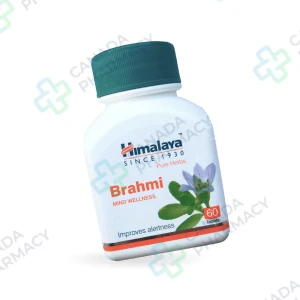
Brahmi
Price range: $ 53,00 through $ 206,00
Active substance: Brahmi
More Details
This product has multiple variants. The options may be chosen on the product page
Geriforte Syrup
Price range: $ 41,00 through $ 246,00
Active substance: Geriforte Syrup
More Details
This product has multiple variants. The options may be chosen on the product page

Himplasia
Price range: $ 55,00 through $ 210,00
Active substance: Himplasia
More Details
This product has multiple variants. The options may be chosen on the product page
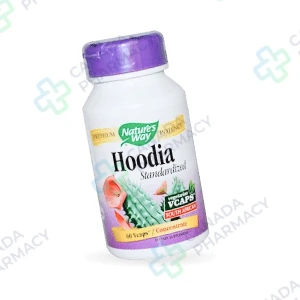
Hoodia
Price range: $ 80,00 through $ 294,00
Active substance: oxypregnane steroidal glycoside
More Details
This product has multiple variants. The options may be chosen on the product page
Lida daidaihua
Price range: $ 52,00 through $ 171,00
Active substance: Synephrine
More Details
This product has multiple variants. The options may be chosen on the product page
Mentat
Price range: $ 56,00 through $ 236,00
Active substance: Brahmi
More Details
This product has multiple variants. The options may be chosen on the product page