

-46%
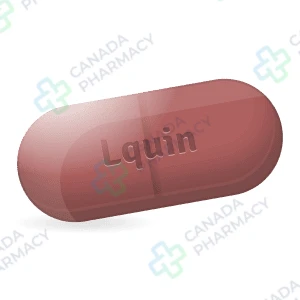
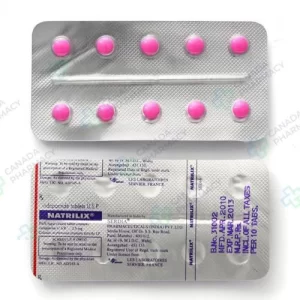
Lozol
Price range: $ 44,00 through $ 354,00
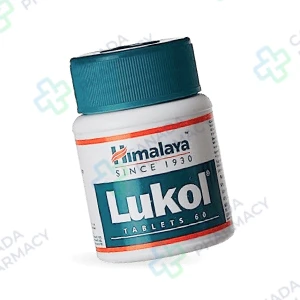
Lukol
Price range: $ 63,00 through $ 79,00
Lquin
Price range: $ 14,00 through $ 136,00
Lquin is a potent fluoroquinolone antibiotic designed to treat a wide range of bacterial infections throughout the body. This medication works effectively by stopping the growth of harmful bacteria that cause various inflammatory conditions. It is frequently used to manage respiratory tract infections such as acute sinusitis and community-acquired pneumonia. Additionally, Lquin is indicated for the treatment of complicated urinary tract infections and specific bacterial skin infections. This treatment provides a reliable and effective option for patients seeking to overcome bacterial illnesses and restore their well-being.
Active substance: Levofloxacin
Delivery: 5–21 days (depending on the shipping method)
Extra 10% discount with coupon: IT4K6SVM
Each dosage option has its own packaging choices.
Description
Lquin belongs to the class of synthetic broad-spectrum antibacterial agents known as fluoroquinolones. It contains levofloxacin, the L-isomer of ofloxacin, which acts by inhibiting essential bacterial enzymes necessary for DNA replication and transcription. This prescription medication is authorized for the management of susceptible bacterial infections under direct medical supervision.
As an oral systemic anti-infective, Lquin must be administered strictly according to a qualified healthcare provider’s directions. Proper evaluation of bacterial susceptibility and patient medical history is necessary prior to starting therapy.
Overview and Pharmacological Profile
Basic Information Overview
| Active ingredient (INN) | Levofloxacin |
| Therapeutic class | Fluoroquinolone antibacterial agent |
| Dosage form | Oral tablet |
| Route of administration | Oral |
| Primary purpose | Treatment of susceptible bacterial infections |
| Prescription status | Prescription only (Rx) |
| Storage conditions | Store at 68°F to 77°F (20°C to 25°C) |
How the Drug Works
Levofloxacin is a fluorinated carboxyquinolone that exhibits bactericidal activity against a wide range of Gram-positive and Gram-negative bacteria. It works by inhibiting bacterial type II topoisomerases, specifically DNA gyrase and topoisomerase IV. These enzymes are essential for bacterial DNA replication, transcription, repair, and recombination. By targeting these complexes, the drug prevents DNA strand resynthesis, leading to rapid cell death in susceptible organisms. Levofloxacin demonstrates concentration-dependent bactericidal action, meaning its efficacy relies heavily on achieving an adequate ratio between the peak plasma concentration and the minimal inhibitory concentration (MIC) of the pathogen.
Main Uses
Lquin is indicated for the treatment of serious bacterial infections caused by susceptible strains of microorganisms. Clinical indications include acute bacterial sinusitis, acute bacterial exacerbation of chronic bronchitis, community-acquired pneumonia, and complicated skin and skin structure infections. It is also prescribed for complicated urinary tract infections, acute pyelonephritis, and chronic bacterial prostatitis. Because fluoroquinolones are associated with serious adverse reactions, the FDA recommends reserving levofloxacin for conditions like uncomplicated urinary tract infections, acute bacterial exacerbations of chronic bronchitis, and acute bacterial sinusitis only when no alternative treatment options exist. Off-label use for non-approved indications must be carefully evaluated and monitored by a licensed healthcare provider.
What Happens in the Body
Following oral administration, levofloxacin is rapidly and almost completely absorbed from the gastrointestinal tract, reaching peak plasma concentrations within 1 to 2 hours. The absolute oral bioavailability of levofloxacin is approximately 99%, making oral administration bioequivalent to intravenous administration. Levofloxacin is widely distributed throughout body tissues and fluids, including skin tissue, blister fluid, lung tissue, prostate tissue, and urine, with an average volume of distribution ranging from 74 to 112 liters. Metabolism of levofloxacin is minimal, with less than 5% of the administered dose excreted as inactive metabolites. Elimination occurs primarily through the kidneys via glomerular filtration and active tubular secretion. The mean terminal elimination half-life ranges from 6 to 8 hours in individuals with normal renal function, though it is prolonged in patients with impaired kidney function.
Clinical Considerations and Safety Information
Dosing Schedule
The dosing regimen for Lquin is established based on the specific anatomical site of infection, the severity of the illness, and the patient’s renal clearance. Typical adult oral dosages range from 250 mg to 750 mg administered once every 24 hours. The duration of therapy generally ranges from 5 to 14 days, depending on the therapeutic indication and clinical response. Tablets should be swallowed whole with a full glass of water and may be taken with or without food. In patients with compromised renal function (creatinine clearance under 50 mL/min), dosage adjustments or extended dosing intervals are mandatory to avoid drug accumulation and toxicity. Patients must complete the full prescribed course of treatment even if symptoms resolve early, as premature discontinuation can promote bacterial resistance.
If You Skip a Dose
If a dose of Lquin is forgotten, it should be taken as soon as it is remembered on the same day. However, if it is almost time for the next scheduled dose, the missed dose should be skipped, and the regular dosing schedule resumed. Patients must never double the dose or take extra tablets to compensate for a missed administration. Ingesting doses too close together can elevate blood plasma concentrations beyond therapeutic levels, increasing the risk of adverse neurological or cardiovascular events. If multiple consecutive doses are missed, the patient should contact their prescribing physician or pharmacist for guidance.
Compatibility With Other Medicines
Lquin can interact with multiple prescription medications and over-the-counter products, which may compromise safety or therapeutic efficacy. Co-administration of levofloxacin with antacids containing aluminum or magnesium, sucralfate, iron supplements, multivitamin preparations with zinc, or buffered didanosine significantly reduces gastrointestinal absorption due to chelation; these agents should be administered at least 2 hours before or 2 hours after Lquin. Concomitant use of fluoroquinolones with nonsteroidal anti-inflammatory drugs (NSAIDs) may increase the risk of central nervous system stimulation and convulsive seizures. Concurrent therapy with oral anticoagulants such as warfarin can enhance anticoagulant activity, necessitating close monitoring of the International Normalized Ratio (INR). Furthermore, drugs that prolong the QT interval, such as class IA and class III antiarrhythmics, require extreme caution due to additive cardiac risks.
What to Avoid While Taking It
While food does not significantly alter the overall extent of levofloxacin absorption, taking the medication with high-calcium dairy products or calcium-fortified juices alone may reduce oral bioavailability. Such products should be consumed at a different time from the medication dose. Alcohol consumption should be restricted or avoided during treatment with Lquin. Both alcohol and levofloxacin affect the central nervous system, and combining them can accentuate symptoms such as dizziness, lightheadedness, somnolence, and confusion. Maintaining adequate fluid intake throughout treatment is essential to prevent excessive concentration of urine and lower the risk of crystalluria.
Adverse Reactions
Clinical studies and post-marketing experience report several potential side effects associated with levofloxacin. The most common gastrointestinal side effects include nausea, diarrhea, constipation, abdominal discomfort, and vomiting. Central nervous system effects may present as headaches, insomnia, dizziness, and sleep disturbances. Less common adverse reactions include elevated liver enzymes, cutaneous rash, pruritus, and oral fungal infections. Levofloxacin can also induce phototoxicity; patients exposed to direct sunlight or ultraviolet rays may develop severe sunburn-like skin eruptions.
Red Flags
Certain severe side effects require immediate drug discontinuation and urgent medical care. Emergency assistance should be sought if any of the following occur:
- Signs of severe allergic reaction, including swelling of the face, lips, tongue, or throat, or severe difficulty breathing.
- Sudden pain, swelling, inflammation, or popping sounds in a tendon, especially the Achilles tendon.
- Neurological signs such as seizures, acute confusion, hallucinations, or peripheral neuropathy (numbness, tingling, or burning pain in the hands or feet).
- Cardiovascular symptoms such as severe chest pain, sudden shortness of breath, or rapid, fluttering heart palpitations.
- Severe, persistent watery diarrhea or bloody stools, accompanied by stomach cramps and fever.
Important Precautions
Lquin carries FDA boxed warnings concerning disabling and potentially irreversible serious adverse reactions. These include tendinitis and tendon rupture, peripheral neuropathy, and central nervous system toxicity. The risk of tendon complications is heightened in patients over 60 years of age, individuals taking systemic corticosteroids, and kidney, heart, or lung transplant recipients. Fluoroquinolones are also associated with an increased risk of aortic aneurysm and dissection, particularly in elderly patients or those with pre-existing vascular disease. Lquin is contraindicated in patients with a history of hypersensitivity to levofloxacin or other quinolones and should be avoided in patients with myasthenia gravis due to potential exacerbation of muscle weakness. Use in pediatric populations is generally restricted due to musculoskeletal toxicity observed in animal models.
Storage and Expiration
Lquin tablets should be stored at controlled room temperature between 68°F and 77°F (20°C to 25°C), with excursions permitted between 59°F and 86°F (15°C to 30°C). Keep the bottle or blister pack tightly closed to protect the medication from excessive moisture, heat, and direct light exposure. Store all medications safely out of the reach of children and domestic animals. Do not use Lquin past the expiration date printed on the original package. Unused or expired medication should be disposed of via authorized community medicine take-back programs rather than poured down the drain.
Common Questions
Can Lquin cause sun sensitivity?
Yes, levofloxacin can cause phototoxicity. Exposed skin may burn more easily when exposed to sunlight or sunlamps. It is advisable to avoid prolonged exposure to direct sunlight, wear protective clothing, and apply broad-spectrum sunscreen while taking this drug and for several days after completing the course.
What should be done if tendon pain occurs during treatment?
If tendon pain, swelling, or inflammation develops, stop taking Lquin immediately, avoid exercising or putting weight on the affected limb, and contact a doctor promptly. Early discontinuation helps minimize the risk of tendon rupture.
Is Lquin safe to use during pregnancy or breastfeeding?
Levofloxacin should be used during pregnancy only if the potential benefit justifies the potential risk to the fetus, as adequate and well-controlled studies in pregnant women are limited. Because levofloxacin passes into human breast milk and may cause adverse effects in nursing infants, a decision should be made whether to discontinue nursing or discontinue the drug under medical supervision.
Why must Lquin be separated from antacids and mineral supplements?
Antacids containing aluminum or magnesium, as well as products containing iron, zinc, or calcium, bind to levofloxacin in the digestive tract. This binding process forms insoluble complexes that prevent the drug from being properly absorbed into the bloodstream, rendering the antibiotic ineffective.
How long does levofloxacin stay in the system after stopping treatment?
In individuals with normal kidney function, levofloxacin has an elimination half-life of about 6 to 8 hours. It generally takes approximately 30 to 40 hours (about 5 half-lives) for the majority of the drug to be cleared from the body after the final dose.
The information presented here is not a substitute for professional medical advice. In accordance with FDA requirements.
Additional information
| Dosage |
250mg ,500 mg ,750 mg |
|---|---|
| Package |
10 pills ,20 pills ,30 pills ,90 pills ,120 pills ,150 pills ,180 pills ,270 pills ,360 pills |
| Ενεργός Ουσία |
Related products
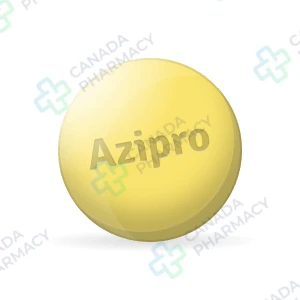
Azipro
Price range: $ 90,00 through $ 680,00
Active substance: Azithromycin
More Details
This product has multiple variants. The options may be chosen on the product page
Azithromycin DT
Price range: $ 60,00 through $ 972,00
Active substance: Azithromycin
More Details
This product has multiple variants. The options may be chosen on the product page
Cefaclor
Price range: $ 68,00 through $ 3 600,00
Active substance: cefaclor monohydrate
More Details
This product has multiple variants. The options may be chosen on the product page
Cefixime
Price range: $ 101,00 through $ 509,00
Active substance: cefixime
More Details
This product has multiple variants. The options may be chosen on the product page
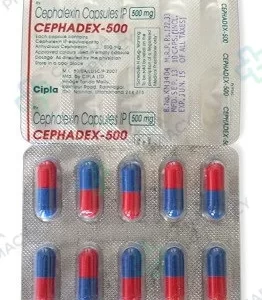
Cephalexin
Price range: $ 39,00 through $ 349,00
Active substance: cephalexin
More Details
This product has multiple variants. The options may be chosen on the product page
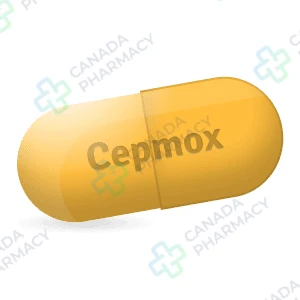
Cepmox
Price range: $ 41,00 through $ 115,00
Active substance: amoxicillin
More Details
This product has multiple variants. The options may be chosen on the product page
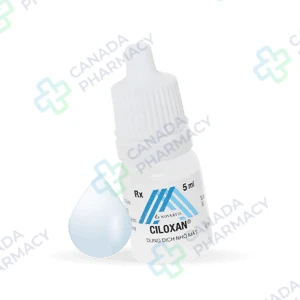
Ciloxan Ophthalmic Solution
Price range: $ 50,00 through $ 63,00
Active substance: Ciprofloxacin hydrochloride
More Details
This product has multiple variants. The options may be chosen on the product page
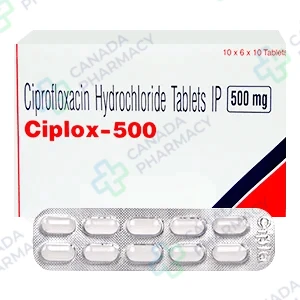
Ciplox
Price range: $ 49,00 through $ 434,00
Active substance: Ciprofloxacin
More Details
This product has multiple variants. The options may be chosen on the product page