

-55%
Azipro
Price range: $ 90,00 through $ 680,00
Azulfidine
Price range: $ 58,00 through $ 193,00
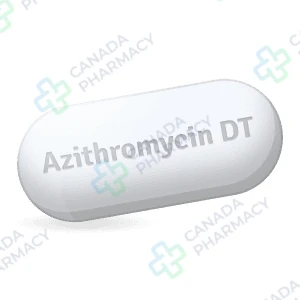
Azithromycin DT
Price range: $ 60,00 through $ 972,00
Azithromycin DT is a potent macrolide antibiotic designed to effectively eliminate a wide range of bacterial infections. These dispersible tablets offer a convenient administration method, dissolving quickly for easier intake and rapid absorption into the system. The medication is commonly used to treat respiratory tract infections, such as bronchitis and pneumonia, as well as various skin and soft tissue conditions. It also provides a reliable solution for managing acute middle ear infections and specific sexually transmitted infections caused by susceptible organisms. By inhibiting the growth of harmful bacteria, Azithromycin DT helps the body recover swiftly from acute inflammatory processes.
Active substance: Azithromycin
Delivery: 5–21 days (depending on the shipping method)
Extra 10% discount with coupon: IT4K6SVM
Each dosage option has its own packaging choices.
Description
Azithromycin DT belongs to a class of medications known as macrolide antibiotics, specifically the azalide subclass. It works by inhibiting bacterial protein synthesis, thereby stopping the growth of sensitive microorganisms responsible for localized and systemic infections.
In the United States, Azithromycin DT is classified as a prescription medication (Rx only) and must be dispensed in accordance with applicable federal and state regulations upon the order of a licensed healthcare provider. The dispersible tablet (DT) formulation is designed to be dissolved in liquid prior to administration, offering an alternative delivery method for patients who experience difficulty swallowing solid oral dosage forms.
| Parameter | Details |
|---|---|
| Active Ingredient | Azithromycin |
| Therapeutic Class | Macrolide Antibiotic (Azalide) |
| Dosage Form | Dispersible Tablet (DT) |
| Route of Administration | Oral |
| Prescription Status | Prescription Only (Rx) |
| Storage Conditions | Controlled Room Temperature (68°F to 77°F) |
Clinical Profile and Therapeutic Use
How the drug works
Azithromycin DT exerts its antimicrobial action by reversibly binding to the 50S ribosomal subunit of susceptible bacterial pathogens. This molecular binding prevents the translocation of aminoacyl-tRNA complexes, thereby halting peptide chain elongation and inhibiting bacterial protein synthesis. While predominantly bacteriostatic, the drug may exhibit bactericidal activity against specific strains at elevated tissue concentrations. Its unique chemical structure, characterized by a nitrogen atom inserted into the lactone ring, confers enhanced stability in acidic environments compared to earlier macrolides. This chemical stability allows for predictable systemic availability and extensive accumulation within target tissues and phagocytic cells.
Main uses
Azithromycin DT is indicated for the treatment of mild to moderate bacterial infections caused by susceptible isolates of designated microorganisms. Approved indications include acute bacterial exacerbations of chronic obstructive pulmonary disease (COPD), acute bacterial sinusitis, and community-acquired pneumonia of mild severity. It is also prescribed for pharyngitis or tonsillitis as an alternative therapy in individuals who cannot tolerate first-line regimens. Additionally, this medication is utilized for uncomplicated skin and skin structure infections, as well as sexually transmitted genital ulcer disease caused by Haemophilus ducreyi (chancroid), non-gonococcal urethritis, and cervicitis attributable to Chlamydia trachomatis. Prescribers perform microbiological culture and susceptibility testing where appropriate to confirm pathogen sensitivity before or during therapy.
Dosing schedule
The dosing schedule for Azithromycin DT is determined by the prescribing healthcare professional based on the specific infection type, severity, and patient age or weight. Dispersible tablets should be placed in a small amount of liquid–typically plain water–and allowed to disintegrate completely before administration. The liquid mixture must be stirred well and swallowed immediately to ensure full dose delivery; the container should then be rinsed with additional water and consumed. Azithromycin DT may be taken with or without food, though taking it with meals may reduce gastrointestinal discomfort. It is critical to complete the full prescribed course of treatment even if clinical symptoms resolve early, as premature discontinuation can lead to therapeutic failure and foster bacterial resistance.
What happens in the body
Following oral administration, azithromycin is rapidly absorbed and distributed widely throughout bodily fluids and tissues. Peak plasma concentrations are achieved within approximately 2 to 3 hours. A distinctive pharmacokinetic property of azithromycin is its significantly higher tissue concentrations compared to plasma levels, often exceeding plasma concentrations by up to 50-fold in target organ tissues such as the lungs, tonsils, and prostate. Phagocytes actively transport the active drug to sites of infection, enhancing tissue delivery. The drug undergoes minimal hepatic metabolism. The terminal elimination half-life is prolonged, averaging approximately 68 hours, which supports short-course dosing regimens. Biliary excretion is the primary route of elimination, with a minor fraction excreted unchanged in urine.
Safety Guidelines, Precautions, and FAQs
Compatibility with other medicines
Azithromycin DT exhibits specific pharmacokinetic interactions with co-administered substances. Concomitant administration of aluminum- or magnesium-containing antacids reduces peak serum concentrations of azithromycin by approximately 24%, though overall systemic absorption remains unchanged; therefore, antacids and Azithromycin DT should not be taken simultaneously. Caution is advised when co-administering with oral anticoagulants such as warfarin, as potentiated anticoagulant action has been reported, requiring regular monitoring of prothrombin time or INR. Co-administration with drugs known to prolong the QTc interval–including Class IA (e.g., quinidine, procainamide) and Class III (e.g., amiodarone, sotalol) antiarrhythmics, as well as certain antipsychotic or antidepressant agents–increases the risk of cardiac arrhythmias. Prescribers should review all concurrent prescription and over-the-counter medications before initiating treatment.
Adverse reactions
Most adverse reactions associated with Azithromycin DT are mild to moderate in severity and primarily affect the gastrointestinal tract. Frequently reported clinical side effects include diarrhea, loose stools, nausea, abdominal pain, and vomiting. Less common side effects include flatulence, dyspepsia, headache, dizziness, and transient elevations in liver enzyme levels. Serious adverse reactions are rare but require immediate clinical evaluation. These include severe allergic hypersensitivity reactions (such as anaphylaxis, angioedema, Stevens-Johnson syndrome, and toxic epidermal necrolysis), severe hepatotoxicity manifested by jaundice or hepatitis, and Clostridioides difficile-associated diarrhea ranging from mild watery stools to fatal colitis. Discontinuation of therapy and clinical intervention are required if severe reactions occur.
Important precautions
Azithromycin DT should be prescribed with caution in patients with preexisting cardiac conditions. Macrolide antibiotics have been associated with cardiac repolarization abnormalities and QT prolongation, which can lead to life-threatening arrhythmias such as Torsades de Pointes. Patients with known QT prolongation, hypokalemia, hypomagnesemia, bradycardia, or those taking proarrhythmic agents are at elevated risk. Hepatotoxicity has been reported; patients presenting with signs of liver dysfunction–such as unexplained anorexia, jaundice, dark urine, or upper right quadrant tenderness–must discontinue therapy immediately. Additionally, exacerbation of symptoms of myasthenia gravis has been documented in patients receiving azithromycin therapy.
What to avoid while taking it
While Azithromycin DT does not generally require strict dietary restrictions, taking the medication at the same time as high-fat meals may alter the rate of absorption depending on the specific formulation. Aluminum- or magnesium-containing antacids must be avoided for at least 2 hours before and 2 hours after taking Azithromycin DT to prevent interference with drug absorption. Although alcohol does not directly compromise the systemic efficacy of azithromycin, concurrent alcohol consumption is discouraged as it may exacerbate gastrointestinal adverse effects like nausea or abdominal distress and place additional stress on liver metabolic pathways.
If you skip a dose
If a dose of Azithromycin DT is missed, it should be taken as soon as remembered on the same day. However, if it is almost time for the next scheduled dose, the missed dose should be skipped and the regular dosing schedule resumed. Patients must not double the dose or take extra medicine to compensate for a skipped tablet. Maintaining consistent interval timing ensures stable tissue concentrations of the antibiotic required to suppress bacterial proliferation effectively.
Special populations
In pregnant individuals, Azithromycin DT should be used only if clearly needed after a thorough assessment of clinical benefits and potential risks by a qualified prescriber. Available observational data have not identified a clear drug-associated risk of major birth defects or miscarriage. Azithromycin is excreted in human milk in small quantities; infant monitoring for diarrhea, vomiting, or rash is recommended during lactation. Elderly patients may be more susceptible to drug-associated effects on the QT interval and warrant careful baseline cardiac screening. Pediatric dosing must be strictly calculated according to body weight by a prescribing clinician.
Storage and expiration
Azithromycin DT should be stored at controlled room temperature, ideally between 68°F and 77°F (20°C to 25°C), with brief excursions permitted between 59°F and 86°F (15°C to 30°C). Keep the tablets in their original packaging to protect them from moisture, direct light, and excessive heat. Do not store the medication in high-humidity environments such as bathroom cabinets. Keep out of the reach and sight of children and pets. Properly discard any medication that is expired or no longer needed according to local disposal guidelines.
Common questions
What should I do if I vomit shortly after taking a dose?
If vomiting occurs within 45 to 60 minutes of taking Azithromycin DT, a significant portion of the active dose may not have been absorbed. Contact your healthcare provider or pharmacist for guidance on whether a replacement dose is necessary.
Can Azithromycin DT be dissolved in liquids other than water?
It is recommended to disperse the tablet specifically in plain water unless otherwise instructed by your prescriber. Mixing with acidic juices or dairy products may affect tablet disintegration or alter absorption characteristics.
Why is it important to complete the full course even if symptoms improve?
Symptom improvement indicates a reduced bacterial load, but surviving bacteria can multiply and develop resistance if treatment is stopped prematurely. Completing the entire prescribed regimen ensures complete pathogen eradication.
Does Azithromycin DT interact with over-the-counter antacids?
Yes, antacids containing aluminum or magnesium lower the peak concentration of azithromycin in the blood. Allow a gap of at least 2 hours between taking antacids and taking Azithromycin DT.
What are the signs of a severe allergic reaction to this medication?
Signs of a severe allergic reaction include swelling of the face, lips, tongue, or throat; difficulty breathing or swallowing; severe hives; or a spreading skin rash with blistering. Immediate emergency medical assistance is required if these symptoms develop.
In accordance with U.S. Food and Drug Administration (FDA) regulations and labeling guidance.
This material is educational. Only a licensed prescriber can determine whether a medication is appropriate for you.
Additional information
| Dosage |
100mg |
|---|---|
| Package |
10 pills ,20 pills ,30 pills ,60 pills ,90 pills ,120 pills ,180 pills ,270 pills ,360 pills |
| Ενεργός Ουσία |
Related products
Ampicillin
Price range: $ 40,00 through $ 140,00
Active substance: acillin
More Details
This product has multiple variants. The options may be chosen on the product page
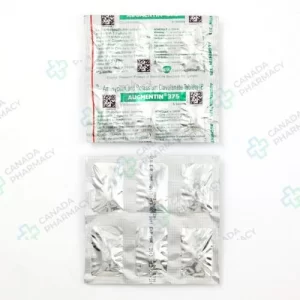
Augmentin
Price range: $ 56,00 through $ 678,00
Active substance: amoxicillin, clavulanate
More Details
This product has multiple variants. The options may be chosen on the product page
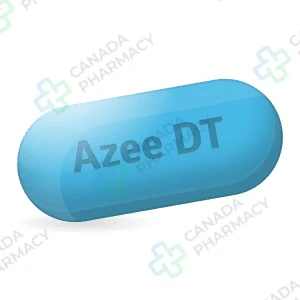
Azee DT
Price range: $ 20,00 through $ 42,00
Active substance: Azithromycin
More Details
This product has multiple variants. The options may be chosen on the product page
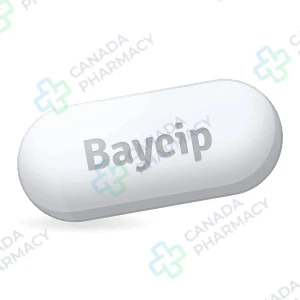
Baycip
Price range: $ 42,00 through $ 113,00
Active substance: Ciprofloxacin
More Details
This product has multiple variants. The options may be chosen on the product page
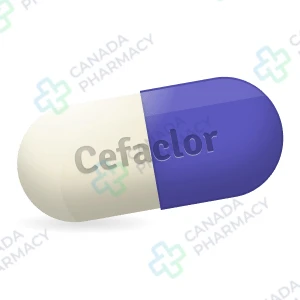
Cefaclor
Price range: $ 68,00 through $ 3 600,00
Active substance: cefaclor monohydrate
More Details
This product has multiple variants. The options may be chosen on the product page
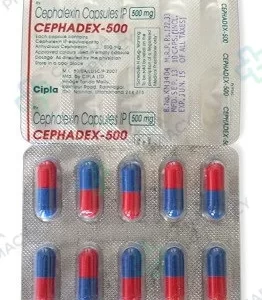
Cephalexin
Price range: $ 39,00 through $ 349,00
Active substance: cephalexin
More Details
This product has multiple variants. The options may be chosen on the product page
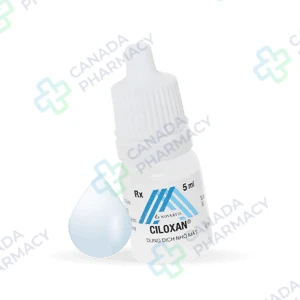
Ciloxan Ophthalmic Solution
Price range: $ 50,00 through $ 63,00
Active substance: Ciprofloxacin hydrochloride
More Details
This product has multiple variants. The options may be chosen on the product page
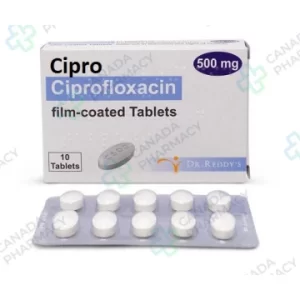
Cipro
Price range: $ 40,00 through $ 317,00
Active substance: Ciprofloxacin
More Details
This product has multiple variants. The options may be chosen on the product page