

-26%
Azithromycin DT
Price range: $ 60,00 through $ 972,00
Baclofen
Price range: $ 52,00 through $ 498,00
Azulfidine
Price range: $ 58,00 through $ 193,00
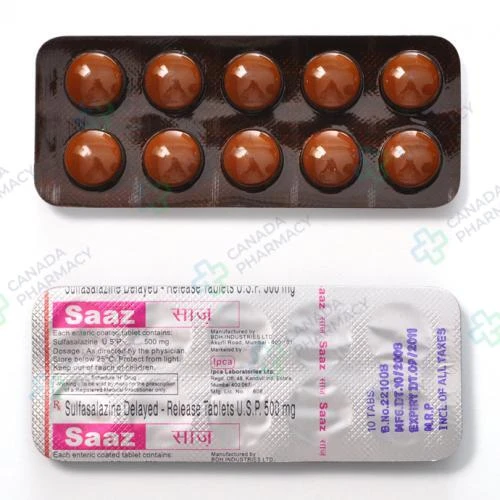
Azulfidine is a specialized anti-inflammatory medication primarily indicated for the treatment of mild to moderate ulcerative colitis. It works by reducing swelling and irritation in the lining of the large intestine to help manage symptoms like abdominal pain and frequent bowel movements. In addition to gastrointestinal care, this medication is widely used to treat rheumatoid arthritis in patients who have not seen sufficient results from other therapies. By targeting the underlying inflammation, it helps decrease joint pain, stiffness, and swelling to improve overall mobility. This dual-action treatment provides a reliable solution for individuals managing chronic inflammatory conditions of both the gut and the joints.
Active substance: sulfasalazine
Delivery: 5–21 days (depending on the shipping method)
Extra 10% discount with coupon: IT4K6SVM
Each dosage option has its own packaging choices.
Description
Azulfidine belongs to the class of anti-inflammatory agents known as aminosalicylates and disease-modifying antirheumatic drugs (DMARDs). It is an FDA-approved prescription medication indicated for the management of ulcerative colitis and rheumatoid arthritis.
Proper administration under medical supervision is required to monitor therapeutic response and minimize drug-related toxicity. This reference overview outlines the clinical pharmacological properties, dosing considerations, potential interactions, and safety profile associated with Azulfidine therapy.
| Parameter | Details |
|---|---|
| Active ingredient | Sulfasalazine |
| Therapeutic class | Aminosalicylate / DMARD |
| Dosage form | Oral tablet (500 mg), Enteric-coated tablet (500 mg) |
| Prescription status | Prescription drug (Rx) |
| Route of administration | Oral |
| Primary purpose | Management of ulcerative colitis and rheumatoid arthritis |
Clinical Overview and Pharmacological Profile
How the drug works
The active substance in Azulfidine is sulfasalazine, a prodrug composed of 5-aminosalicylic acid (5-ASA) and sulfapyridine joined by an azo bond. Upon oral administration, approximately 10% to 15% of the drug is absorbed intact in the upper gastrointestinal tract, while the remaining portion reaches the colon. Colonic bacteria cleave the azo bond via azoreductase enzymes, releasing 5-ASA and sulfapyridine. 5-ASA acts locally within the intestinal mucosa to reduce inflammation by inhibiting prostaglandin and leukotriene synthesis. Sulfapyridine is absorbed systemically and is believed to mediate therapeutic efficacy in rheumatoid arthritis through immunomodulatory mechanisms, including systemic inhibition of inflammatory cytokine production.
Main uses
Azulfidine is prescribed for specific inflammatory conditions under systemic supervision. Its clinical indications include:
- Treatment of mild-to-moderate ulcerative colitis in adult and pediatric patients.
- Maintenance of remission in ulcerative colitis for long-term symptom management.
- Treatment of adult rheumatoid arthritis in individuals who have exhibited an inadequate response to salicylates or nonsteroidal anti-inflammatory drugs (NSAIDs).
- Treatment of polyarticular-course juvenile rheumatoid arthritis in pediatric patients refractory to standard conservative therapy.
How it’s absorbed and eliminated
Pharmacokinetic evaluations demonstrate that unchanged sulfasalazine absorbed from the small intestine exhibits an average elimination half-life of 5 to 10 hours. Following bacterial cleavage in the colon, 5-ASA remains predominantly within the intestinal lumen, exhibiting minimal systemic bioavailability, and is primarily eliminated in feces. Conversely, sulfapyridine is readily absorbed from the colon and undergoes hepatic metabolism via acetylation and glucuronide conjugation. The clearance rate of sulfapyridine depends on the patient’s hepatic acetylator phenotype (fast versus slow acetylators). Metabolized and unchanged sulfapyridine are excreted primarily by the kidneys through glomerular filtration and tubular secretion.
Dosage, Administration, and Safety Guidelines
Dosing schedule
Azulfidine tablets must be swallowed whole, preferably after meals, accompanied by a full glass of water to minimize gastrointestinal discomfort and lower the risk of crystalluria. Dosing regimens are individually tailored based on clinical response and patient tolerance.
- Ulcerative Colitis (Adults): Initial therapy typically ranges from 3 g to 4 g daily, divided into equal doses given every 6 to 8 hours. Maintenance therapy is generally maintained at 2 g daily in divided doses.
- Rheumatoid Arthritis (Adults): Therapy is usually initiated at 500 mg to 1 g daily using enteric-coated formulations to diminish gastric distress, gradually increasing to a target dose of 2 g daily given in divided doses.
- Pediatric Dosing: Dosage is determined on a mg/kg basis by a qualified healthcare provider based on body weight and diagnostic criteria.
Compatibility with other medicines
Azulfidine displays significant pharmacokinetic and pharmacodynamic interactions when co-administered with other pharmaceutical agents:
- Digoxin: Co-administration may reduce the oral absorption and bioavailability of digoxin, requiring therapeutic drug monitoring.
- Folic Acid: Sulfasalazine inhibits the intestinal absorption of folic acid, which may lead to folate deficiency. Folate supplementation is frequently prescribed during therapy.
- Oral Anticoagulants and Hypoglycemics: Displacement of plasma protein binding or altered metabolism may enhance the clinical activity of coumarin derivatives and oral sulfonylurea agents.
- Methotrexate: Concomitant administration may increase the incidence of gastrointestinal toxicity and hematologic side effects.
Adverse reactions
Clinical observations reveal that adverse effects associated with Azulfidine are commonly related to serum sulfapyridine concentrations. Gastrointestinal distress–including nausea, anorexia, dyspepsia, and abdominal pain–occurs frequently during initial dosing. Headaches, fever, and transient reversible oligospermia in male patients have also been documented. A yellow-orange discoloration of urine, skin, and soft contact lenses is a harmless, expected physical effect resulting from the drug’s metabolite spectrum. Serious adverse reactions include severe hypersensitivity reactions, bone marrow suppression (such as leukopenia or agranulocytosis), elevated hepatic transaminases, and severe cutaneous adverse reactions like Stevens-Johnson syndrome.
Important precautions
Azulfidine is contraindicated in patients with known hypersensitivity to sulfasalazine, its metabolites, sulfonamides, or salicylates. It is also contraindicated in individuals with intestinal or urinary tract obstructions and patients with porphyria. Prescribers must order baseline complete blood counts (CBC) with differential, renal function tests, and liver function panels prior to treatment initiation. Monitoring should continue at frequent intervals during the first 3 months of therapy and periodically thereafter. Patients with glucose-6-phosphate dehydrogenase (G6PD) deficiency require close monitoring due to an elevated risk of hemolytic anemia.
Food and alcohol interactions
Administering Azulfidine immediately following a meal helps reduce the incidence of gastric upset and nausea. Maintaining adequate fluid intake throughout the day is required to ensure high urinary volume, which prevents crystalluria and renal stone formation. Patients should avoid heavy alcohol consumption during treatment, as concurrent alcohol intake may increase the risk of hepatic enzyme elevation and exacerbate gastrointestinal irritation.
If you skip a dose
If a dose of Azulfidine is missed, it should be taken as soon as remembered on that day. However, if it is nearly time for the next scheduled dose, the missed dose should be omitted, and the regular dosing schedule resumed. Patients must not double the dose to compensate for a missed tablet, as elevated peak plasma levels increase the risk of adverse reactions.
Storage and expiration
Azulfidine tablets should be stored at controlled room temperature, between 20°C and 25°C (68°F and 77°F), with permitted excursions between 15°C and 30°C (59°F and 86°F). Store the medication in its original container, tightly closed, protected from excessive heat and direct moisture. Do not use the product past the expiration date printed on the packaging.
Special populations
Use during pregnancy requires a careful assessment of risks and benefits; sulfasalazine inhibits folic acid absorption, necessitating appropriate prenatal supplementation. Sulfasalazine and sulfapyridine are excreted in low amounts in human milk, warranting caution when administering to nursing mothers due to the potential for neonatal jaundice or diarrhea. Geriatric patients may exhibit altered renal or hepatic clearance and frequently require lower maintenance doses alongside close laboratory monitoring.
Common questions
Is urine discoloration a sign of toxicity?
No. A yellow-orange discoloration of urine, skin, or sweat is a known physical characteristic of sulfasalazine metabolites and does not indicate toxicity or renal damage.
Why is routine blood testing required during Azulfidine treatment?
Periodic blood tests monitor for bone marrow suppression, liver enzyme elevations, and renal impairment, enabling early detection of potentially serious adverse reactions before symptoms manifest.
Can Azulfidine affect male fertility?
Treatment with sulfasalazine may cause a temporary reduction in sperm count and motility (reversible oligospermia). Sperm parameters typically recover within two to three months after discontinuing therapy.
What should be done if skin rash or persistent fever develops?
Any unexpected rash, fever, sore throat, or unusual bruising requires immediate medical evaluation, as these symptoms can indicate a severe hypersensitivity reaction or blood dyscrasia.
Can enteric-coated tablets be crushed or split?
No. Enteric-coated formulations (Azulfidine EN-tabs) are designed to pass intact through the stomach to reduce gastric irritation. Crushing, chewing, or breaking the tablet destroys the protective enteric coating.
This text is for informational purposes only and does not constitute individual medical advice. In accordance with FDA guidelines, prescription drugs must be administered under direct clinical supervision.
Additional information
| Dosage |
500mg |
|---|---|
| Package |
60 pills ,90 pills ,120 pills ,180 pills ,270 pills |
| Ενεργός Ουσία |
Related products
Anacin
More Details
This product has multiple variants. The options may be chosen on the product page
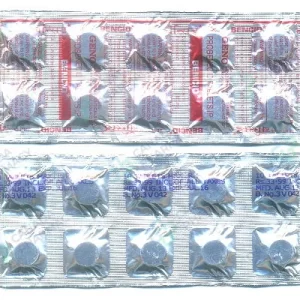
Benemid
Price range: $ 48,00 through $ 62,00
Active substance: Probenecidum
More Details
This product has multiple variants. The options may be chosen on the product page
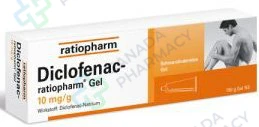
Diclofenac Gel
Price range: $ 39,00 through $ 73,00
Active substance: diclofenac
More Details
This product has multiple variants. The options may be chosen on the product page
Diclofenac SR
Price range: $ 33,00 through $ 206,00
Active substance: diclofenac
More Details
This product has multiple variants. The options may be chosen on the product page
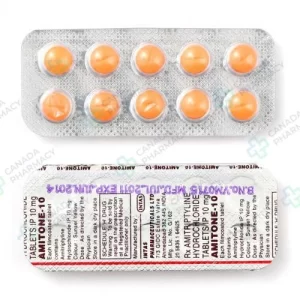
Elavil
Price range: $ 39,00 through $ 222,00
Active substance: amitriptyline
More Details
This product has multiple variants. The options may be chosen on the product page
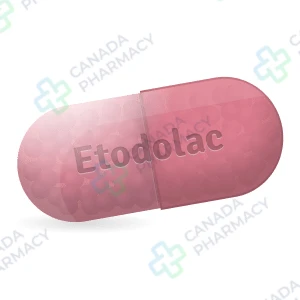
Etodolac
Price range: $ 46,00 through $ 390,00
Active substance: Etodolac
More Details
This product has multiple variants. The options may be chosen on the product page
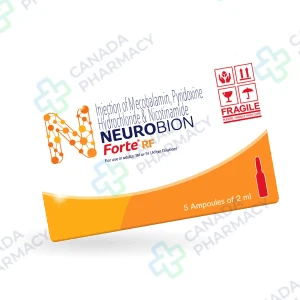
Neurobion Forte Injection
Price range: $ 24,00 through $ 43,00
More Details
This product has multiple variants. The options may be chosen on the product page
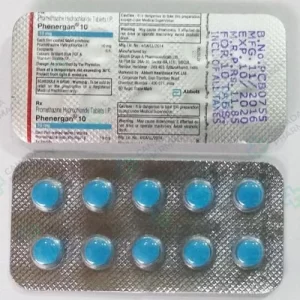
Phenergan
Price range: $ 42,00 through $ 136,00
Active substance: Promethazine
More Details
This product has multiple variants. The options may be chosen on the product page