

-55%
Loxitane
Price range: $ 43,00 through $ 76,00
Lquin
Price range: $ 14,00 through $ 136,00
Lozol
Price range: $ 44,00 through $ 354,00
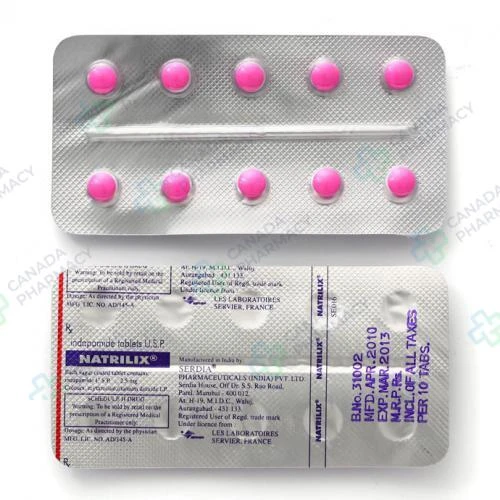
Lozol is a highly effective diuretic medication primarily used to manage high blood pressure, also known as hypertension. It works by helping the kidneys eliminate excess salt and water from the body, which reduces the overall workload on the cardiovascular system. In addition to treating hypertension, this medication is frequently utilized to reduce swelling and fluid retention caused by conditions such as congestive heart failure. By maintaining stable blood pressure levels, Lozol plays a vital role in helping to prevent serious long-term complications like strokes and heart attacks. This medication is recognized for its reliability in supporting healthy fluid balance and promoting better heart health.
Active substance: Indapamide
Delivery: 5–21 days (depending on the shipping method)
Extra 10% discount with coupon: IT4K6SVM
Each dosage option has its own packaging choices.
Description
Lozol belongs to a group of medicines called thiazide-like diuretics and antihypertensives. It is indicated for the treatment of high blood pressure (hypertension) as well as salt and fluid retention (edema) associated with congestive heart failure.
As a prescription medication regulated under FDA guidelines, Lozol must be dispensed in accordance with applicable federal and state regulations. Treatment plans, dosage adjustments, and patient monitoring are managed under the direct supervision of a licensed healthcare provider.
| Parameter | Details |
|---|---|
| Active ingredient | Indapamide |
| Therapeutic class | Thiazide-like diuretic / Antihypertensive |
| Route of administration | Oral |
| Primary purpose | Hypertension, Edema in congestive heart failure |
| Prescription status | Prescription only (Rx) |
| Storage | Controlled room temperature (20°C–25°C / 68°F–77°F) |
Clinical Profile and Usage Guidelines
Mechanism and Pharmacokinetics
How the drug works: Indapamide, the active therapeutic constituent of Lozol, acts primarily on the distal convoluted tubule of the renal nephron. It selectively inhibits the reabsorption of sodium and chloride ions, promoting their renal excretion alongside water, potassium, and magnesium. By enhancing fluid elimination, Lozol decreases intravascular plasma volume and extracellular fluid volume. Furthermore, indapamide exhibits a direct vascular effect by reducing vascular reactivity to pressor amines and lowering total peripheral vascular resistance, thereby sustaining blood pressure reduction over long-term clinical administration.
What happens in the body: Following oral administration, indapamide is rapidly and completely absorbed from the gastrointestinal tract, achieving peak blood plasma concentrations within 1 to 2 hours. The active drug binds extensively to plasma proteins (approximately 71% to 79%) and binds reversibly to red blood cells. Metabolism occurs primarily in the liver, yielding several inactive metabolites. The mean terminal elimination half-life of indapamide is approximately 14 hours. Approximately 70% of a single dose is excreted via renal elimination in urine, while 16% to 23% is eliminated through the feces over a period of several days.
Indications and Dosing
Main uses: Lozol is indicated for the management of essential hypertension, either as single-agent monotherapy or in therapeutic combination with other antihypertensive medications such as beta-blockers or ACE inhibitors. Additionally, it is indicated for the treatment of fluid and salt retention associated with congestive heart failure. Indications not authorized in the approved labeling are considered off-label, and off-label usage must be evaluated individually by a qualified clinical provider based on published medical evidence.
Dosing schedule: For adult hypertension, the standard starting dosage of Lozol is 1.25 mg taken orally once daily, typically in the morning to prevent nighttime diuresis. If blood pressure response remains inadequate after four weeks of therapy, the dosage may be adjusted to 2.5 mg once daily. For the management of edema associated with congestive heart failure, the initial dosage is generally 2.5 mg once daily, which may be increased to a maximum of 5.0 mg once daily if clinically warranted. Daily doses exceeding 2.5 mg to 5.0 mg rarely yield additional blood-pressure-lowering efficacy but significantly increase the frequency of electrolyte disturbances.
Safety, Precautions, and Interactions
Adverse reactions: Clinical evaluations demonstrate that Lozol is generally tolerated when administered at recommended dose levels. The primary clinical risk involves serum electrolyte alterations, including hypokalemia (low potassium), hyponatremia (low sodium), and hyperuricemia (elevated uric acid). Neurological responses may include headache, lightheadedness, fatigue, dizziness, and nervousness. Gastrointestinal symptoms such as nausea, gastric irritation, or constipation have been reported. Dermatological effects include skin rash or pruritus. Patients may occasionally report musculoskeletal cramps or extremity numbness.
Important precautions: Lozol is contraindicated in individuals with known hypersensitivity to indapamide, other sulfonamide-derived medications, or anuria. Caution is required when administering Lozol to patients with severe renal impairment, as diuretic therapy may precipitate azotemia. In patients with severe hepatic impairment, fluid and electrolyte changes may accelerate hepatic encephalopathy. Regular serum electrolyte and renal function monitoring is recommended for elderly individuals, patients with a history of gout, and patients with diabetes mellitus, as glucose tolerance may be altered during therapy. Use during pregnancy or breastfeeding requires clinical assessment of potential risk versus maternal and fetal benefit.
Compatibility with other medicines: Lozol can interact with several drug classes. Co-administration with lithium should generally be avoided because diuretics reduce renal clearance of lithium, elevating the risk of severe lithium toxicity. Nonsteroidal anti-inflammatory drugs (NSAIDs), such as ibuprofen or naproxen, may attenuate the diuretic and antihypertensive efficacy of indapamide. Concurrent therapy with digitalis glycosides (such as digoxin) requires strict surveillance of serum potassium, as hypokalemia sensitizes the myocardium to digitalis-induced arrhythmias. Concurrent administration with other antihypertensive drugs may produce additive hypotensive effects.
What to avoid while taking it: Lozol may be ingested with or without food. Excessive intake of dietary sodium should be avoided, as high sodium consumption can counteract the antihypertensive and natriuretic effects of the drug. Alcohol consumption should be limited because ethanol can augment orthostatic hypotensive reactions, increasing the likelihood of dizziness or syncope.
If you skip a dose: If a scheduled dose is missed, it should be taken as soon as remembered during the same day. If the time approaches the next scheduled dose, the missed dose should be omitted and the standard schedule resumed. Taking a double dose to compensate for a missed tablet is contraindicated due to the risk of severe hypotension and rapid electrolyte shifts.
Red flags: Immediate emergency medical evaluation is required if signs of severe hypersensitivity occur, including swelling of the face, lips, tongue, or throat, or acute respiratory distress. Immediate clinical care is also warranted upon signs of severe electrolyte imbalance, such as sudden muscle weakness, cardiac dysrhythmias, profound confusion, marked thirst, or a severe reduction in urinary output.
Storage and expiration: Lozol tablets must be stored at controlled room temperature between 20°C and 25°C (68°F to 77°F), with permitted excursions between 15°C and 30°C (59°F to 86°F). The medication should be kept in a tightly sealed, light-resistant container away from excessive moisture and heat. Expired medications should be disposed of in accordance with local pharmaceutical waste protocols and kept out of reach of children.
Frequently Asked Questions
How long does it take for Lozol to demonstrate clinical efficacy?
Diuretic actions typically begin within 1 to 2 hours following oral administration. However, maximum antihypertensive effects generally develop over 1 to 4 weeks of continuous daily administration as systemic vascular resistance gradually adapts.
Do patients taking Lozol require routine blood testing?
Yes, healthcare providers routinely order periodic blood tests during Lozol therapy. These assessments measure serum electrolytes (sodium, potassium, chloride), blood urea nitrogen (BUN), serum creatinine, and uric acid levels to detect biochemical changes early.
Does Lozol increase skin sensitivity to sunlight?
Photosensitivity reactions have been reported with thiazide and thiazide-like diuretics. Patients taking Lozol should minimize exposure to direct sunlight or ultraviolet radiation and use sun protection measures if exposure is unavoidable.
Is it safe to drive or operate machinery while taking Lozol?
Lozol may cause dizziness, lightheadedness, or fatigue, particularly during the initial weeks of treatment or following dose adjustments. Individuals should observe their personal response to the medication before engaging in activities requiring mental alertness or clear vision.
Can Lozol be taken alongside over-the-counter pain relievers?
Many over-the-counter pain medications, such as ibuprofen or naproxen, belong to the NSAID class. Because NSAIDs can reduce the blood-pressure-lowering effect of Lozol and affect kidney function, patients should consult their pharmacist or prescriber before combining these therapies.
In accordance with FDA requirements. This text is for informational purposes only and does not constitute individual medical advice. Always consult a licensed healthcare provider regarding diagnosis and treatment decisions.
Additional information
| Dosage |
1.5mg ,2.5mg |
|---|---|
| Package |
30 pills ,60 pills ,90 pills ,120 pills ,180 pills ,270 pills ,360 pills |
| Ενεργός Ουσία |
Related products
Adalat
Price range: $ 41,00 through $ 267,00
Active substance: Nifedipine
More Details
This product has multiple variants. The options may be chosen on the product page
Altace
Price range: $ 40,00 through $ 322,00
Active substance: Ramipril
More Details
This product has multiple variants. The options may be chosen on the product page
Assurans
Price range: $ 50,00 through $ 70,00
Active substance: Sildenafil Citrate
More Details
This product has multiple variants. The options may be chosen on the product page
Benicar
Price range: $ 42,00 through $ 478,00
Active substance: Olmesartan
More Details
This product has multiple variants. The options may be chosen on the product page
Betapace
Price range: $ 9,00 through $ 260,00
Active substance: Sotalol
More Details
This product has multiple variants. The options may be chosen on the product page
Coreg
Price range: $ 41,00 through $ 651,00
Active substance: Carvedilol
More Details
This product has multiple variants. The options may be chosen on the product page
Diltiazem
Price range: $ 49,00 through $ 590,00
Active substance: Diltiazem
More Details
This product has multiple variants. The options may be chosen on the product page
Eliquis
Price range: $ 60,00 through $ 320,00
Active substance: Apixaban
More Details
This product has multiple variants. The options may be chosen on the product page