

-63%
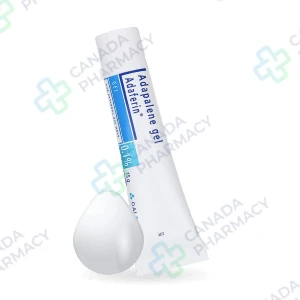
Adaferin Gel
Price range: $ 10,00 through $ 46,00
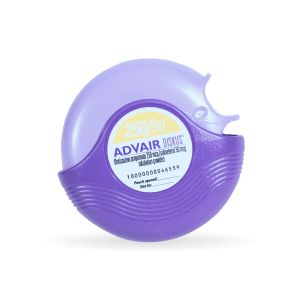
Advair Diskus
Price range: $ 72,00 through $ 527,00
Adalat
Price range: $ 41,00 through $ 267,00
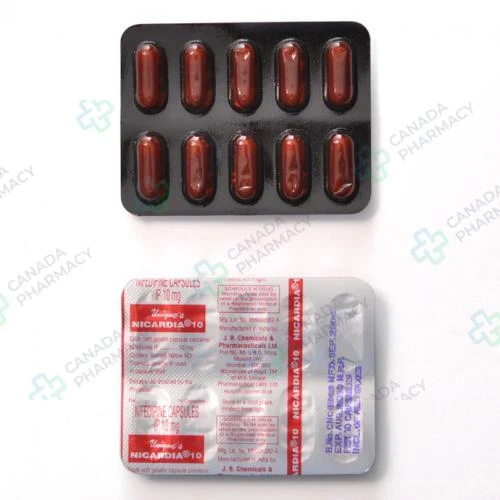
Adalat is a highly effective calcium channel blocker designed to manage common cardiovascular conditions. It is primarily used to treat hypertension by relaxing the blood vessels, which allows blood to flow more easily throughout the body. Additionally, this medication is indicated for the long-term management of chronic stable angina to prevent recurring chest pain episodes. By reducing the workload on the heart, Adalat helps improve overall cardiac efficiency and enhances oxygen delivery to the heart muscle. Consistent use of this medication supports stable blood pressure levels and contributes to a healthier cardiovascular system.
Active substance: Nifedipine
Delivery: 5–21 days (depending on the shipping method)
Extra 10% discount with coupon: IT4K6SVM
Each dosage option has its own packaging choices.
Description
Adalat belongs to a class of cardiovascular medications known as dihydropyridine calcium channel blockers. It is primarily prescribed for the management of hypertension and specific forms of angina pectoris, including vasospastic and chronic stable angina. The medication operates by modulating arterial tone to decrease vascular resistance and workload on the heart.
Administered orally in accordance with state and federal regulations, Adalat requires individualized dosage titration under the care of a licensed healthcare provider. Proper administration and adherence to safety protocols are essential for achieving optimal therapeutic outcomes.
| Parameter | Clinical Details |
|---|---|
| Active ingredient | Nifedipine |
| Therapeutic class | Dihydropyridine calcium channel blocker |
| Route of administration | Oral |
| Primary purpose | Hypertension and Angina Pectoris |
| Prescription status | Prescription (Rx) medication |
| Dosage form | Extended-release tablets / Immediate-release capsules |
Pharmacological Profile and Clinical Overview
How the Drug Works
Nifedipine, the active constituent in Adalat, selectively inhibits the transmembrane influx of calcium ions through L-type calcium channels into vascular smooth muscle cells and cardiac muscle. The pharmacological action is primarily exerted on smooth muscle cells within the peripheral vascular bed and coronary arteries. At therapeutic doses, Adalat exerts minimal direct effect on sinoatrial or atrioventricular nodal conduction. By relaxing peripheral arterial smooth muscle, Adalat reduces total peripheral vascular resistance, resulting in a systemic blood pressure reduction. Additionally, dilation of main coronary arteries and coronary arterioles enhances myocardial oxygen delivery, preventing coronary vasospasm and reducing myocardial ischemia in patients with anginal syndromes.
What It’s Used For
Adalat is indicated for the management of vasospastic angina (Prinzmetal’s or variant angina) and chronic stable angina pectoris without vasospasm. Extended-release formulations are FDA-approved for the management of essential hypertension, used either as monotherapy or in conjunction with other antihypertensive agents. Any potential off-label applications–such as management of Raynaud’s phenomenon or preterm labor (tocolysis)–are non-FDA-approved indications and must be explicitly evaluated and monitored by a qualified prescriber. Short-acting, immediate-release nifedipine capsules are not indicated for the acute control of essential hypertension due to risks of rapid, uncontrollable hemodynamic shifts.
Dosing Schedule
Dosing regimens for Adalat are determined individually based on clinical response, patient tolerance, and the specific formulation prescribed. Extended-release formulations are generally initiated at 30 mg or 60 mg taken orally once daily. Extended-release tablets must be swallowed whole with fluid and should never be chewed, divided, crushed, or broken, as disrupting the structural matrix alters the rate-controlled delivery mechanism. Dosage titrations typically occur over a 7- to 14-day interval to evaluate the full hemodynamic response at each dose level. Adjustments are carried out under clinical supervision alongside regular blood pressure readings.
If You Skip a Dose
If a dose of Adalat is missed, it should be taken as soon as remembered on the same day, provided the time for the next scheduled dose is not near. If it is almost time for the next dose, the missed dose should be skipped and the regular schedule resumed. Patients must not double the dose or take extra medication to compensate for a missed administration, as taking excess medication can trigger marked hypotension.
How It’s Absorbed and Eliminated
Following oral administration, nifedipine is rapidly and almost completely absorbed from the gastrointestinal tract. Owing to substantial first-pass hepatic metabolism, the systemic bioavailability of immediate-release forms ranges from 45% to 75%, whereas extended-release formulations maintain controlled systemic exposure over a 24-hour interval. Nifedipine is highly bound to human serum proteins, primarily albumin, with protein binding ranging between 92% and 98%. The drug undergoes extensive hepatic metabolism via the cytochrome P450 enzyme system, predominantly by the CYP3A4 isoenzyme, into inactive metabolites. Approximately 60% to 80% of the dose is excreted via the kidneys as water-soluble metabolites, with the remainder eliminated through the biliary pathway and feces. The elimination half-life of immediate-release capsules is approximately 2 hours, whereas extended-release formulations display an effective half-life ranging from 7 to 12 hours.
Patient Safety & Practical Guidance
Adverse Reactions
Adverse reactions associated with Adalat stem mainly from its peripheral vasodilatory properties. The most frequently observed reaction is peripheral edema, particularly localized to the lower extremities and ankles, resulting from selective arterial dilation rather than generalized fluid retention. Other common side effects include facial flushing, headache, dizziness, lightheadedness, and lethargy. Gastrointestinal disturbances such as nausea, heartburn, and constipation may also occur. Less common but notable reactions include reflex tachycardia, temporary exacerbation of anginal pain upon treatment initiation, and gingival hyperplasia following prolonged therapy.
Compatibility With Other Medicines
Adalat exhibits significant drug interactions, primarily due to its metabolic clearance by the CYP3A4 enzyme system. Coadministration with strong CYP3A4 inhibitors (such as ketoconazole, erythromycin, or clarithromycin) can substantially increase nifedipine plasma concentrations, raising the risk of severe hypotension and peripheral edema. Conversely, potent CYP3A4 inducers (such as rifampin) markedly decrease nifedipine bioavailability, rendering the treatment ineffective; concurrent use with rifampin is generally avoided. Combining Adalat with beta-adrenergic blockers requires cautious monitoring, as additive hypotensive effects or heart failure exacerbation may occur in individuals with left ventricular dysfunction. Coadministration with digoxin may elevate serum digoxin levels, necessitating baseline and periodic digoxin monitoring.
What to Avoid While Taking It
Patients prescribed Adalat should refrain from consuming grapefruit or grapefruit juice. Grapefruit compounds inhibit intestinal CYP3A4 enzymes, which leads to elevated serum levels of nifedipine and unpredictable blood pressure drops. Alcohol consumption should be restricted or avoided, as ethanol accentuates the vasodilatory effects of calcium channel blockers, increasing the likelihood of orthostatic dizziness, lightheadedness, and syncope.
Important Precautions
Caution is advised when prescribing Adalat to patients with severe aortic stenosis, heart failure, or underlying hepatic impairment. Because nifedipine is heavily metabolized by the liver, individuals with hepatic dysfunction exhibit decreased drug clearance and elevated plasma levels, requiring lower starting doses and vigilant monitoring. For pregnant or nursing patients, Adalat should be used only if the prospective clinical benefit outweighs potential risks to the fetus or infant. Elderly patients often display higher systemic exposure and prolonged half-lives, warranting conservative dose selection and careful clinical oversight.
Practical Tips
When starting treatment with Adalat, patients should change positions gradually when rising from a seated or lying position to minimize orthostatic hypotension. Routine monitoring of blood pressure and pulse rate is advised throughout therapy. Practicing consistent oral hygiene reduces the risk of gum changes such as gingival hyperplasia, and avoiding excessive heat exposure helps manage peripheral flushing.
Storage and Expiration
Adalat extended-release tablets and capsules should be stored at controlled room temperature between 68°F and 77°F (20°C to 25°C), away from excessive heat, moisture, and direct light exposure. The drug substance is light-sensitive and should remain in its original light-resistant container until administration. Expired or damaged dosage forms must be disposed of in accordance with local environmental regulations and pharmacy take-back protocols.
Common Questions
What should be done if blood pressure drops significantly while taking Adalat?
If a patient experiences symptoms of excessive blood pressure reduction, such as severe dizziness, confusion, or fainting, they should lie down immediately and elevate their legs. Prompt medical attention should be sought to evaluate whether a dosage adjustment or treatment modification is required.
Can Adalat extended-release tablets be split or dissolved in water?
No. Extended-release tablets must be swallowed whole. Splitting, chewing, crushing, or dissolving the tablet damages the delivery system, causing a rapid release of the entire dose (dose dumping) and increasing the risk of toxicity.
Is it safe to drive after taking Adalat?
Adalat may cause side effects such as dizziness or lightheadedness, particularly during initial therapy or dose escalation. Patients should evaluate their response to the medication before operating machinery or driving a vehicle.
How does Adalat differ from non-dihydropyridine calcium channel blockers?
Adalat is a dihydropyridine calcium channel blocker, meaning it acts selectively on peripheral and coronary vascular smooth muscle. Unlike non-dihydropyridines (such as diltiazem or verapamil), it has minimal inhibitory effect on cardiac conduction systems at therapeutic doses.
What steps should be taken if swelling occurs in the lower legs?
Mild lower extremity edema is a known effect of dihydropyridine-induced arterial vasodilation. Patients should inform their healthcare provider if swelling becomes bothersome, painful, or sudden, so that proper medical evaluation can rule out fluid retention or cardiac complications.
In accordance with FDA requirements.
This text is for informational purposes only and does not constitute individual medical advice.
Additional information
| Dosage |
10 mg ,20mg ,30mg |
|---|---|
| Package |
30 tabs ,60 tabs ,60 pills ,90 pills ,90 tabs ,120 pills ,120 tabs ,180 pills ,180 tabs ,270 pills ,360 pills ,360 tabs |
| Ενεργός Ουσία |
Related products
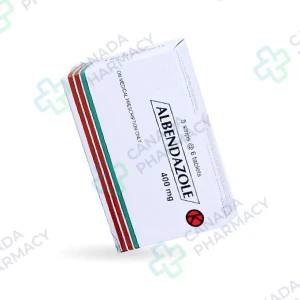
Albendazole
Price range: $ 46,00 through $ 121,00
Active substance: Albendazole
More Details
This product has multiple variants. The options may be chosen on the product page
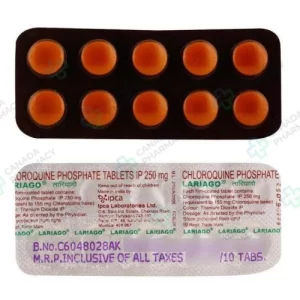
Chloroquine
Price range: $ 41,00 through $ 402,00
Active substance: Chloroquine
More Details
This product has multiple variants. The options may be chosen on the product page
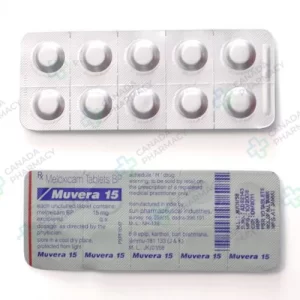
Mobic
Price range: $ 18,00 through $ 140,00
Active substance: meloxicam
More Details
This product has multiple variants. The options may be chosen on the product page
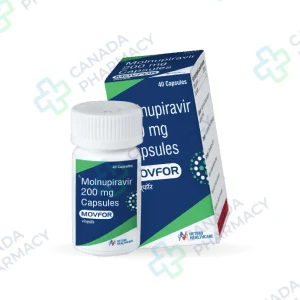
Movfor
Price range: $ 293,00 through $ 1 097,00
Active substance: Molnupiravir
More Details
This product has multiple variants. The options may be chosen on the product page
Procardia
Price range: $ 28,00 through $ 269,00
Active substance: Nifedipine
More Details
This product has multiple variants. The options may be chosen on the product page
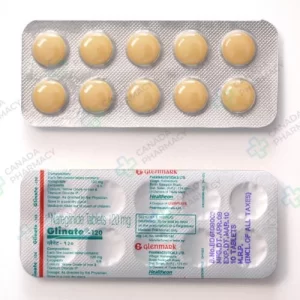
Starlix
Price range: $ 40,00 through $ 288,00
Active substance: Nateglinide
More Details
This product has multiple variants. The options may be chosen on the product page
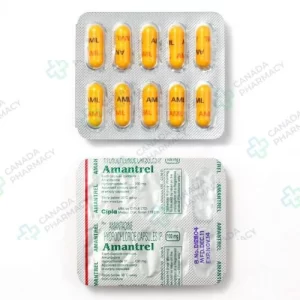
Symmetrel
Price range: $ 47,00 through $ 306,00
Active substance: Amantadine
More Details
This product has multiple variants. The options may be chosen on the product page
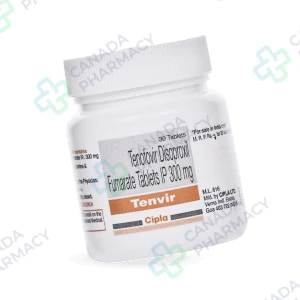
Tenvir
Price range: $ 52,00 through $ 140,00
Active substance: Tenofovir Disoproxil Fumarate
More Details
This product has multiple variants. The options may be chosen on the product page