

-23%
Actos
Price range: $ 52,00 through $ 239,00
Adalat
Price range: $ 41,00 through $ 267,00
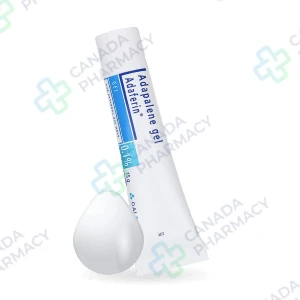
Adaferin Gel
Price range: $ 10,00 through $ 46,00
Adaferin Gel is a highly effective topical treatment specifically formulated to combat various forms of acne vulgaris. Featuring the potent retinoid Adapalene, this gel works deep within the pores to regulate skin cell turnover and prevent new blemishes from forming. Its advanced formula helps to visibly reduce redness and inflammation associated with breakouts, promoting a clearer and smoother complexion. By targeting the root causes of acne, Adaferin Gel effectively clears existing pimples, blackheads, and whiteheads while preventing future occurrences. This lightweight, non-greasy gel is designed for easy absorption, making it a reliable choice for maintaining healthy-looking skin.
Active substance: Adapalene
Delivery: 5–21 days (depending on the shipping method)
Extra 10% discount with coupon: IT4K6SVM
Each dosage option has its own packaging choices.
Description
Adaferin Gel belongs to a class of topical dermatological agents known as retinoids, containing the active ingredient adapalene. It is indicated for the topical treatment of acne vulgaris and is dispensed in accordance with applicable federal and state regulations.
The topical gel formulation acts directly within the hair follicles and sebaceous glands to regulate epidermal cell turnover. Proper application and adherence to safety guidelines help optimize therapeutic outcomes while minimizing localized cutaneous irritation.
| Parameter | Details |
|---|---|
| Drug name | Adaferin Gel |
| Active ingredient (INN) | Adapalene |
| Dosage form | Topical Gel |
| Route of administration | Topical (cutaneous) |
| Primary purpose | Treatment of acne vulgaris |
| Storage | Controlled room temperature 20°C to 25°C (68°F to 77°F) |
Clinical Profile and Usage Guidelines
How the drug works
Adaferin Gel contains adapalene, a chemically stable naphthoic acid derivative with retinoid-like activity. The drug works by binding selectively to specific nuclear retinoic acid receptors, predominantly the beta and gamma subtypes, within epidermal keratinocytes. Upon binding, adapalene modifies gene transcription to normalize follicular desquamation, thereby inhibiting cellular cohesion and preventing microcomedone formation. Additionally, adapalene exerts an anti-inflammatory effect by downregulating lipoxygenase activity and inhibiting the oxidative metabolism of arachidonic acid, reducing both comedonal and inflammatory acne lesions.
What it’s used for
The primary therapeutic indication for Adaferin Gel is the topical management of acne vulgaris, addressing both non-inflammatory comedones (blackheads and whiteheads) and inflammatory papules or pustules. When used under medical evaluation, it helps normalize skin cell shedding to clear existing lesions and minimize new breakouts. Any application for non-acne dermatological conditions, such as anti-aging or keratosis pilaris, represents off-label use and should only be undertaken if explicitly instructed by a qualified healthcare provider.
Dosing schedule
Adaferin Gel should be applied once daily in the evening before bedtime to affected areas of the skin. Prior to application, the skin must be washed gently with a mild, non-medicated cleanser and allowed to dry completely. A thin layer of gel should be smoothed over the entire affected region–such as the face, chest, or back–rather than spot-treating individual spots. Contact with the eyes, lips, nostrils, and mucous membranes must be strictly avoided. Hands should be washed thoroughly immediately after application.
What happens in the body
The pharmacokinetics of adapalene following topical administration demonstrate minimal systemic exposure. Systemic absorption of adapalene through human skin is extremely low; clinical assays detect only trace plasma concentrations (typically below 0.25 ng/mL) following long-term, extensive topical application. Absorbed adapalene is distributed primarily to tissues, rapidly metabolized in the liver, and excreted predominantly via the biliary route. Because systemic uptake is negligible, the drug exhibits a favorable safety profile regarding systemic side effects.
What not to combine
Concomitant topical medications and dermatological treatments should be managed carefully to avoid excessive cutaneous toxicity. Products containing sulfur, resorcinol, or salicylic acid should not be applied at the same time as Adaferin Gel due to cumulative irritation risks. Additionally, high concentrations of alcohol, astringents, harsh soaps, or peeling agents can cause severe drying and redness when combined with adapalene therapy. Topical cleansers with strong drying effects should be avoided during treatment.
Adverse reactions
Cutaneous adverse reactions are expected during the initial phase of therapy as the skin adapts to retinoid activity. Common localized side effects include erythema, dryness, skin scaling, burning sensations, pruritus, and mild stinging. These localized reactions generally peak within the first two to four weeks of treatment and diminish gradually over continued use. Severe allergic reactions, marked by swelling of the face or lips, extreme redness, blistering, or intense burning, require immediate clinical evaluation.
Safety, Precautions, and FAQs
Important precautions
Adaferin Gel increases cutaneous sensitivity to ultraviolet radiation, including direct sunlight and artificial UV light from sunlamps or tanning beds. Patients should minimize sun exposure and apply a broad-spectrum sunscreen with SPF 30 or higher daily. The gel should not be applied to sunburned, abraded, eczematous, or cut skin. Pregnancy requires caution; retinoids carry potential risks, and use during pregnancy or lactation should only proceed under direct prescription management.
First days of treatment
During the initial two to four weeks of treatment with Adaferin Gel, patients often experience an initial flare-up or “retinoid purging.” This temporary exacerbation manifests as increased scaling, dryness, and apparent worsening of acne lesions as underlying microcomedones are pushed to the epidermal surface. This flare is a expected pharmacological reaction, and therapeutic benefits typically manifest after 8 to 12 weeks of consistent daily application.
If you skip a dose
If a scheduled application of Adaferin Gel is missed at bedtime, the missed dose should be skipped entirely. The patient should resume the standard dosing routine the following evening. Applying extra gel or increasing application frequency will not accelerate skin clearing and significantly increases the probability of localized skin inflammation, erythema, and peeling.
Storage and expiration
Adaferin Gel must be stored at controlled room temperature between 20°C and 25°C (68°F to 77°F), with excursions permitted between 15°C and 30°C (59°F to 86°F). Protect the tube from excessive heat, direct light, and freezing temperatures. Ensure the cap is tightly closed when not in use. Do not use the gel past the expiration date printed on the tube and carton packaging.
Practical tips
To reduce dryness and irritation, patients can integrate a gentle, non-comedogenic facial moisturizer into their daily skincare routine. Applying moisturizer either before or shortly after Adaferin Gel can help maintain the epidermal barrier without diminishing efficacy. Avoiding harsh facial scrubs, wax epilation, or mechanical exfoliation on treated areas helps prevent severe epidermal trauma during treatment.
Common questions
Is it normal for my skin to peel during the first few weeks?
Yes, mild to moderate peeling, erythema, and dryness are common physiological responses when beginning topical retinoid therapy. These symptoms indicate that cell turnover is accelerating. If irritation becomes severe or uncomfortable, reducing application to every other night until the skin adjusts may help alleviate symptoms.
Can I apply makeup after putting on Adaferin Gel?
Cosmetics may be used during treatment, provided they are non-comedogenic and non-acnegenic. Since Adaferin Gel is intended for bedtime use, cosmetic application usually occurs during the day after gentle morning cleansing. If applied during the day, ensure the gel has dried completely before applying cosmetics.
What should I do if I experience severe facial swelling or hives?
Severe swelling, hives, difficulty breathing, or severe inflammation are signs of a potential hypersensitivity reaction. Discontinue use of Adaferin Gel immediately, wash the skin gently to remove residual product, and seek urgent medical evaluation from a licensed healthcare professional.
How long does it take to see visible improvements in acne?
While skin cell turnover increases early in therapy, noticeable reduction in acne lesions typically requires 8 to 12 weeks of daily adherence. Consistent application according to directions is necessary to achieve maximal therapeutic results.
Can I use benzoyl peroxide alongside Adaferin Gel?
Combining benzoyl peroxide with adapalene may be recommended by a dermatologist, but using both simultaneously can increase irritation. If both are prescribed, they are often applied at different times of the day (e.g., benzoyl peroxide in the morning and Adaferin Gel at bedtime) to reduce cutaneous sensitivity.
This material is educational. Only a licensed prescriber can determine whether a medication is appropriate for you. In accordance with FDA regulatory guidelines for dermatological preparations.
Additional information
| Dosage |
0.1% 15 g |
|---|---|
| Package |
1 tubes ,3 tubes ,6 tubes |
| Ενεργός Ουσία |
Related products
A-Ret Gel
Price range: $ 50,00 through $ 141,00
Active substance: Tretinoin
More Details
This product has multiple variants. The options may be chosen on the product page
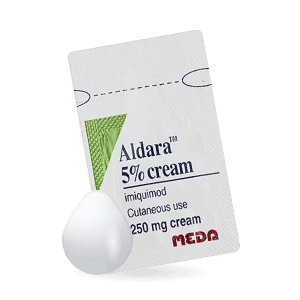
Aldara Cream
Price range: $ 224,00 through $ 1 440,00
More Details
This product has multiple variants. The options may be chosen on the product page
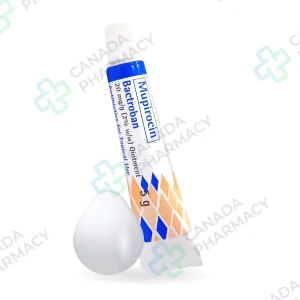
Bactroban Ointment 5g
Price range: $ 55,00 through $ 200,00
Active substance: Mupirocin
More Details
This product has multiple variants. The options may be chosen on the product page
Benzac
Price range: $ 45,00 through $ 118,00
Active substance: benzoyl peroxide
More Details
This product has multiple variants. The options may be chosen on the product page
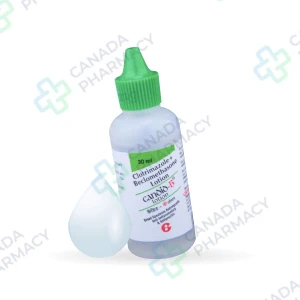
Candid B Lotion
Price range: $ 40,00 through $ 85,00
Active substance: Beclometasone, Clotrimazole
More Details
This product has multiple variants. The options may be chosen on the product page
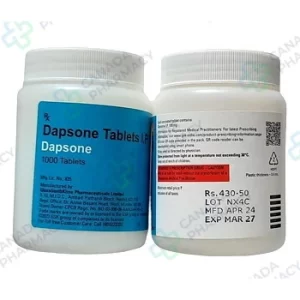
Dapsone
Price range: $ 80,00 through $ 180,00
Active substance: dapsone
More Details
This product has multiple variants. The options may be chosen on the product page
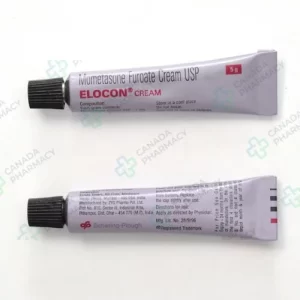
Elocon
Price range: $ 40,00 through $ 190,00
Active substance: Mometasone
More Details
This product has multiple variants. The options may be chosen on the product page
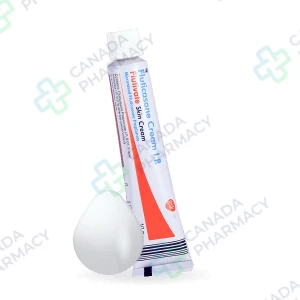
Flutivate Skin Cream
Price range: $ 24,00 through $ 91,00
Active substance: fluticasone
More Details
This product has multiple variants. The options may be chosen on the product page