

-21%
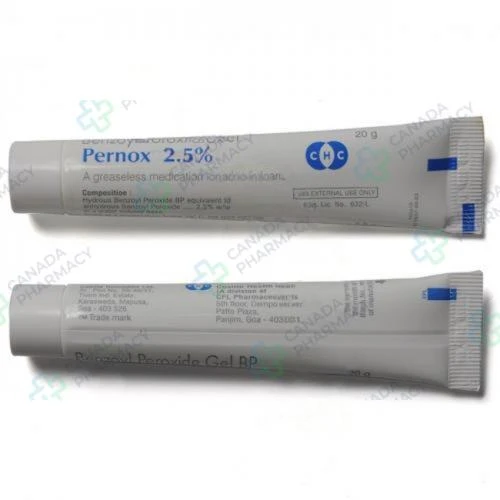
Bentyl
Price range: $ 63,00 through $ 900,00
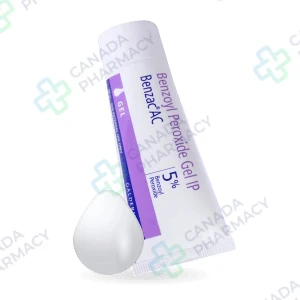
Benzac AC Gel
Price range: $ 34,00 through $ 104,00
Benzac
Price range: $ 45,00 through $ 118,00
Benzac is a highly effective topical treatment specifically formulated to combat mild to moderate acne. The active ingredient, benzoyl peroxide, works by penetrating deep into the pores to eliminate acne-causing bacteria at the source. It helps to clear existing blemishes, including stubborn pimples, whiteheads, and blackheads, while preventing new breakouts from forming. This powerful formula also aids in removing excess oil and dead skin cells that can clog pores and lead to inflammation. Regular application promotes a clearer, smoother complexion and significantly improves overall skin texture.
Active substance: benzoyl peroxide
Delivery: 5–21 days (depending on the shipping method)
Extra 10% discount with coupon: IT4K6SVM
Each dosage option has its own packaging choices.
Description
Benzac works by delivering benzoyl peroxide directly into skin pores, where it releases oxygen to suppress Cutibacterium acnes bacteria. This oxidizing action helps clear mild to moderate acne lesions while reducing clogging within follicular channels.
Available as an over-the-counter gel or wash, Benzac serves as a cornerstone topical care regimen for adolescents and adults experiencing persistent pimples. Understanding how to properly apply this medication ensures optimal skin clarity while minimizing localized dryness or irritation.
Basic Information
| Active Ingredient | Benzoyl peroxide |
| Therapeutic Class | Topical acne agent (Keratolytic / Antimicrobial) |
| Dosage Form | Topical gel, topical wash (2.5%, 5%, 10%) |
| Route of Administration | Topical (dermal application) |
| Primary Purpose | Management of acne vulgaris |
| Prescription Status | Over-the-counter (OTC) |
How the Drug Works
Benzoyl peroxide, the active ingredient in Benzac, exerts a dual mechanism targeting key underlying factors of acne vulgaris. First, it functions as a potent antibacterial agent. Upon skin application, benzoyl peroxide breaks down to release reactive oxygen species. These oxidative molecules create an environment hostile to Cutibacterium acnes (formerly Propionibacterium acnes), an anaerobic bacterium that multiplies in clogged skin follicles. Because its antibacterial action relies on non-specific oxidative destruction rather than metabolic inhibition, bacterial resistance to benzoyl peroxide does not develop over time.
Second, Benzac displays mild keratolytic properties that aid in epidermal desquamation. It facilitates the shedding of dead skin cells (corneocytes) lining the follicular infundibulum. By reducing cell stickiness within the pore, Benzac prevents the formation of microcomedones and helps unblock existing comedones, including blackheads and whiteheads.
What It’s Used For
Benzac is indicated for the topical treatment of acne vulgaris in adults and pediatric patients aged 12 years and older. It helps clear mild to moderate non-inflammatory acne lesions, such as open and closed comedones, as well as inflammatory acne lesions like papules and pustules. You can use it as a standalone non-prescription therapy or in combination with other topical skincare routines as directed by a healthcare provider.
While Benzac is most frequently applied to facial acne, it is also suitable for treating acne breakouts on the chest, shoulders, and back. Benzac is not intended for the treatment of non-acne inflammatory skin conditions, such as rosacea, eczema, or contact dermatitis.
How to Use It
Before applying Benzac, gently wash the affected skin area with a mild cleanser and warm water, then pat completely dry with a clean towel. Apply a thin layer of gel or wash to the entire affected area once or twice daily, or as directed on the product label. If you are using the topical gel, gently rub it into your skin until it disappears. If using a wash formulation, work it into a lather, allow it to remain on the skin for 1 to 2 minutes, and rinse thoroughly.
If you are new to benzoyl peroxide, start with a lower concentration (such as 2.5% or 5%) applied once daily or every other day to allow your skin to adapt. You can gradually increase application frequency or strength as tolerated. Wash your hands thoroughly with soap and water after every application to prevent spreading the product to unintended areas or fabrics.
What Happens in the Body
Following topical application, benzoyl peroxide penetrates into the stratum corneum and concentrates within the pilosebaceous follicles. Within the cutaneous tissue, benzoyl peroxide is rapidly metabolized by skin enzymes into benzoic acid. Approximately 5% or less of the topically applied dose undergoes systemic absorption through the skin into the vascular system.
Once absorbed into the bloodstream, benzoic acid circulates in the plasma and is rapidly cleared by the kidneys, exiting the body unchanged in the urine. Because systemic absorption is minimal and the absorbed metabolite is harmlessly excreted, Benzac acts almost exclusively at the local cutaneous level without accumulating in internal organs.
First Days of Treatment
When you begin using Benzac, it is common to notice mild skin redness, flaking, dryness, and a warm or slight stinging sensation during the first one to two weeks. This initial response occurs as your skin adapts to the keratolytic activity of the medication and begins shedding excess dead skin cells. These initial reactions are usually mild and temporary.
Visible improvement in your acne typically requires 3 to 4 weeks of consistent daily application, with maximum therapeutic benefits appearing after 8 to 12 weeks of regular use. If skin dryness becomes uncomfortable during the early stages, using a lightweight, oil-free, non-comedogenic facial moisturizer can help support your skin barrier without clogging your pores.
Adverse Reactions
Topical application of Benzac frequently causes localized cutaneous side effects. Common reactions include mild to moderate erythema (redness), scaling, peeling, dryness, and a mild burning or itching feeling at the application site. These effects are generally manageable and tend to lessen as your skin becomes accustomed to the treatment.
Less common side effects include skin tightness or temporary skin irritation. In rare instances, individuals may experience allergic contact dermatitis, characterized by severe redness, intense itching, crusting, small blisters, or localized swelling. If you develop severe skin irritation, blistering, or facial swelling, stop using the product immediately and seek medical evaluation.
What Not to Combine
Combining Benzac with other topical skin products requires care to avoid excessive irritation. Using Benzac simultaneously with topical tretinoin, isotretinoin, or adapalene can increase localized skin irritation unless specifically instructed by a dermatologist. Additionally, benzoyl peroxide may oxidize certain retinoids if applied at the exact same moment; applying Benzac in the morning and your retinoid at night is a common way to avoid this interaction.
Avoid using Benzac at the same time as topical dapsone, as this combination can cause a temporary yellow or orange discoloration of the skin and facial hair. Be cautious when combining Benzac with harsh abrasive cleansers, alcohol-containing toners, or products containing high levels of salicylic acid, sulfur, or resorcinol, as these can severely dry and irritate your skin barrier.
Important Precautions
Benzac is strictly for external dermatologic use. Avoid getting the gel or wash into your eyes, lips, eyelids, nostrils, or open wounds. If accidental contact occurs, rinse the area immediately with copious amounts of water. Keep in mind that benzoyl peroxide is a strong bleaching agent; it can permanently bleach hair, clothing, towels, bed linens, and carpets. Allow the product to dry completely before coming into contact with fabrics.
Benzac can increase your skin’s sensitivity to sunlight and ultraviolet light. Limit prolonged exposure to direct sun, and avoid tanning beds. When spending time outdoors in sunny climates, such as during summer in Miami or Arizona, apply a broad-spectrum sunscreen with SPF 30 or higher over treated skin after Benzac has absorbed. Regarding special populations, safety and efficacy in children under 12 years of age have not been established. If you are pregnant or breastfeeding, consult your healthcare provider before use, although systemic absorption of topical benzoyl peroxide is extremely low.
What to Do if You Miss a Dose
If you forget to apply your scheduled application of Benzac, simply apply it as soon as you remember during your normal daily skincare routine. However, if it is almost time for your next scheduled application, skip the missed dose entirely and stay on your standard schedule.
Do not apply extra gel or double up on the amount of product to make up for a missed application. Applying excess Benzac will not make your acne clear up faster and will significantly increase your risk of experiencing skin redness, peeling, and severe irritation.
Day-to-Day Use
Integrating Benzac into your daily regimen is simple when paired with gentle skincare habits. Always wash your face with a non-abrasive, gentle cleanser using your fingertips rather than a rough washcloth, as vigorous scrubbing can damage the skin barrier and worsen inflammation.
To preserve your clothing and bedding, consider using white towels and pillowcases during your treatment period, as benzoyl peroxide may bleach colored fabrics. Always wait a few minutes for the gel to dry completely before dressing or applying oil-free cosmetics.
Storage and Expiry
Store Benzac at controlled room temperature, ideally between 68°F and 77°F (20°C to 25°C). Keep the tube or container tightly closed when not in use to protect the formulation from excessive heat, moisture, and direct sun exposure. Avoid storing the product in hot, humid areas like unventilated bathrooms.
Keep this medication out of the reach and sight of children and pets. Do not use Benzac after the expiration date printed on the tube or carton packaging. Expired topical medications may lose their potency or undergo changes in stability that increase the risk of skin irritation.
Common Questions
How long does it take to see visible results with Benzac?
While initial skin peeling and reduced oiliness may happen within the first week, noticeable clearance of acne papules and blackheads typically requires 3 to 4 weeks of consistent daily use. Maximum improvement usually occurs after 8 to 12 weeks of continuous treatment.
Can I wear makeup after applying Benzac gel?
Yes, you can apply cosmetics after using Benzac. Ensure that the gel layer has dried completely into your skin first, and choose non-comedogenic (oil-free) cosmetics and sunscreens so you do not clog your pores while treating your skin.
What should I do if Benzac bleaches my towel or pillowcase?
Benzoyl peroxide is a natural bleaching agent, so fabric discoloration is permanent once it occurs. To prevent this, wash your hands thoroughly after application, use white linens during treatment, and wait until the product is fully absorbed into your skin before touching colored fabrics or lying down on bedding.
Is it safe to use Benzac while spending time outdoors in the sun?
Benzac can make your skin somewhat more sensitive to sunlight. You can go outdoors, but it is important to protect treated areas by applying a broad-spectrum, non-comedogenic sunscreen daily and wearing protective clothing or hats during extended sun exposure.
Can Benzac cause bacterial resistance over long-term use?
No, Benzac does not cause bacterial resistance. Unlike topical antibiotics, benzoyl peroxide works through an oxidative chemical mechanism that physically destroys bacteria, meaning *Cutibacterium acnes* cannot adapt or develop resistance to it even after years of use.
In accordance with FDA requirements.
Always consult your healthcare provider before starting or changing any treatment.
Additional information
| Dosage |
20g |
|---|---|
| Package |
3 tubes ,4 tubes ,5 tubes ,6 tubes ,7 tubes ,8 tubes ,9 tubes ,10 tubes |
| Ενεργός Ουσία |
Related products
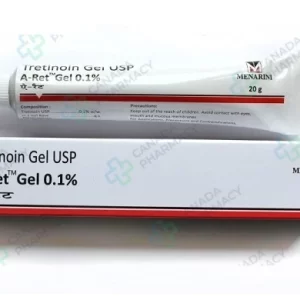
A-Ret Gel
Price range: $ 50,00 through $ 141,00
Active substance: Tretinoin
More Details
This product has multiple variants. The options may be chosen on the product page
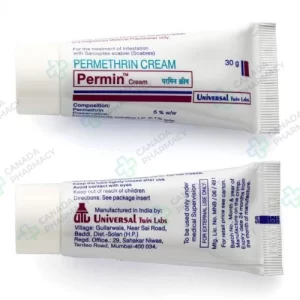
Acticin
Price range: $ 50,00 through $ 103,00
Active substance: Permethrin
More Details
This product has multiple variants. The options may be chosen on the product page
Bactroban Ointment 5g
Price range: $ 55,00 through $ 200,00
Active substance: Mupirocin
More Details
This product has multiple variants. The options may be chosen on the product page
Benoquin Cream
Price range: $ 73,00 through $ 503,00
Active substance: Monobenzone
More Details
This product has multiple variants. The options may be chosen on the product page
Cleocin Gel
Price range: $ 5,00 through $ 21,00
Active substance: Clindamycin
More Details
This product has multiple variants. The options may be chosen on the product page
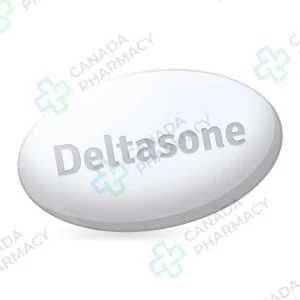
Deltasone
Price range: $ 47,00 through $ 296,00
Active substance: Prednisone
More Details
This product has multiple variants. The options may be chosen on the product page
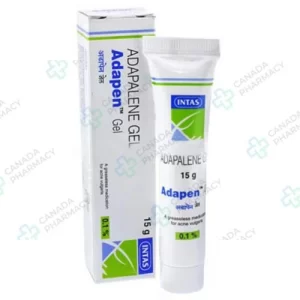
Differin
Price range: $ 48,00 through $ 153,00
Active substance: Adapalene
More Details
This product has multiple variants. The options may be chosen on the product page
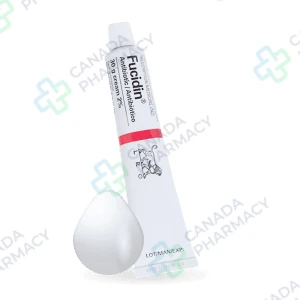
Fucidin cream
Price range: $ 14,00 through $ 73,00
Active substance: Fusidic Acid
More Details
This product has multiple variants. The options may be chosen on the product page