

-14%
Benicar
Price range: $ 42,00 through $ 478,00

Bentyl
Price range: $ 63,00 through $ 900,00
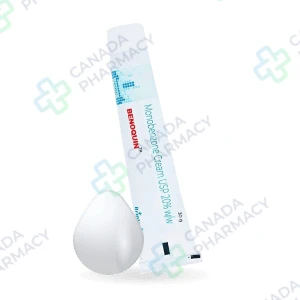
Benoquin Cream
Price range: $ 73,00 through $ 503,00
Benoquin Cream is a potent topical depigmenting agent formulated with monobenzone to address extensive skin pigment loss. It is specifically designed for individuals with widespread vitiligo who seek to achieve a more uniform skin appearance. The cream works by permanently lightening the remaining normally pigmented areas to match the depigmented patches. Consistent use helps create an even skin tone across the body, significantly reducing the visible contrast caused by the condition. This specialized treatment offers a reliable way to manage the long-term aesthetic effects of advanced vitiligo.
Active substance: Monobenzone
Delivery: 5–21 days (depending on the shipping method)
Extra 10% discount with coupon: IT4K6SVM
Each dosage option has its own packaging choices.
Description
Benoquin Cream belongs to a class of topical dermatological agents known as depigmenting agents. Formulated with the active substance monobenzone at a 20% concentration, it is prescribed under medical supervision for final depigmentation in patients affected by extensive vitiligo. This medication acts by permanently reducing melanin synthesis to harmonize skin tone across remaining pigmented areas.
Because monobenzone causes irreversible loss of skin pigment, Benoquin Cream is regulated as a prescription-only (Rx) pharmaceutical in the United States. It is not indicated for cosmetic lightening of hyperpigmentation, melasma, or freckles. Proper evaluation by a dermatologist is mandatory before initiating therapy to ensure safe application and realistic clinical expectations.
| Parameter | Details |
|---|---|
| Active ingredient (INN) | Monobenzone (20%) |
| Therapeutic class | Depigmenting agent |
| Dosage form | Topical cream |
| Route of administration | Topical (cutaneous) |
| Prescription status | Prescription only (Rx) |
| Primary purpose | Final depigmentation in extensive vitiligo |
Overview and Clinical Indications
What it’s used for
Monobenzone 20% cream is specifically indicated for final depigmentation in patients presenting with extensive vitiligo. Vitiligo is an acquired dermatological condition characterized by the progressive loss of epidermal melanocytes, leading to patchy depigmentation. When vitiligo encompasses a major proportion of the total body surface area (typically exceeding 50%), re-pigmentation therapies may no longer be clinically feasible or effective. In such instances, Benoquin Cream is prescribed to depigment the remaining normally pigmented skin patches, creating a uniform, completely depigmented skin surface. It is crucial to emphasize that Benoquin Cream is not a mild cosmetic skin lightener. It must not be utilized for post-inflammatory hyperpigmentation, melasma, solar lentigines (age spots), or freckles.
Depigmentation Mechanism of Action
The active pharmaceutical ingredient in Benoquin Cream, monobenzone (monobenzyl ether of hydroquinone), functions by inducing irreversible pharmacological depigmentation of the skin. At the cellular level, monobenzone acts as a substrate for the enzyme tyrosinase, which is responsible for the biosynthesis of melanin from L-tyrosine within epidermal melanocytes. Monobenzone undergoes enzymatic oxidation to form reactive quinone intermediates. These reactive metabolites cause selective oxidative stress and cytotoxic degradation of epidermal melanocytes. Furthermore, monobenzone inhibits intracellular melanin synthesis and increases the clearance of existing melanin pigments from the epidermis. Over time, the destruction of functional melanocytes leads to complete, permanent loss of skin pigmentation in treated areas.
What happens in the body
Following topical application of Benoquin Cream, percutaneous absorption of monobenzone occurs through the stratum corneum into the dermal layers. Systematic pharmacokinetic evaluations in human clinical trials remain limited in public FDA documentation; however, measurable systemic absorption does occur upon widespread cutaneous administration. Systemically absorbed monobenzone undergoes hepatic biotransformation, where it is primarily converted into glucuronide conjugates and soluble metabolites. These metabolic byproducts are subsequently eliminated from the body via renal excretion in urine. Because cutaneous metabolism occurs concurrently with systemic absorption, local cellular effects predominate. The elimination half-life and exact systemic exposure vary among individuals based on skin barrier integrity, total surface area treated, and frequency of application.
First days of treatment
During the initial days and weeks of initiating Benoquin Cream therapy, patients typically observe mild cutaneous reactions at the sites of application. Transient mild redness, a slight burning or stinging sensation, and localized skin dryness are commonly reported as the epidermis adapts to monobenzone. Initial pigment loss does not occur immediately; visible lightening usually requires consistent application over four to sixteen weeks. Patients should anticipate that early treatment phases demand rigorous adherence to protective measures against solar radiation, as treated skin rapidly loses natural photoprotective melanin.
Signs of improvement
Evaluating the therapeutic response of Benoquin Cream involves monitoring the progressive fade of dark, pigmented macules remaining on the skin. Clinical efficacy is identified by a gradual reduction in color intensity across treated areas, eventually matching the surrounding depigmented vitiligo lesions. The depigmentation process is gradual and cumulative. Full uniform depigmentation across designated treatment sites may require four months to one year of continuous therapy. Once total depigmentation of a specific patch is achieved, pigment loss is permanent, and melanocytes do not regenerate.
Administration, Pharmacokinetics, and Safety Profile
Dosing Schedule and Application Guidelines
Benoquin Cream is intended strictly for external topical administration under direct dermatological supervision. The standard recommended regimen involves applying a thin layer of 20% monobenzone cream to the pigmented skin areas two to three times daily. The cream should be rubbed in gently until completely absorbed. Users must strictly avoid applying the medication to delicate mucosal surfaces, the eyelids, or broken skin. Once the desired degree of depigmentation is achieved, maintenance applications may be reduced to two times per week or discontinued as advised by the supervising healthcare provider. Patients should wash their hands thoroughly immediately after each application to prevent unintentional transfer of monobenzone to untreated skin regions or to other individuals through touch contact.
If you skip a dose
If a planned application of Benoquin Cream is missed, the patient should apply the cream as soon as remembered on that day. However, if it is nearly time for the next scheduled application, the missed dose should be skipped entirely, resuming the regular dosing timetable. Patients should never double the quantity of cream or apply extra layers to compensate for a missed dose, as excessive application increases the risk of acute localized cutaneous irritation without accelerating the depigmentation process.
Compatibility with other medicines
Formal drug interaction studies with topical monobenzone cream have not been extensively conducted. However, caution is advised when combining Benoquin Cream with other topical dermatological medications, phototoxic agents, or skin irritants. Co-administration of topical exfoliants, high-concentration alpha-hydroxy acids, retinoids, or alcohol-containing dermatological formulations may exacerbate skin irritation, burning, and localized erythema. Additionally, concurrent use of photosensitizing oral or topical drugs (such as thiazide diuretics, tetracyclines, or fluoroquinolones) may significantly elevate the risk of severe sunburn in depigmented areas. Patients should inform their prescribing physician of all concurrent prescription products, over-the-counter creams, and dietary supplements prior to starting therapy.
Adverse Reactions and Adverse Events
Topical administration of Benoquin Cream can produce localized and systemic cutaneous adverse reactions. The most common local side effects include mild to moderate skin irritation, intense burning sensations, erythema, pruritus, and localized contact dermatitis. In some individuals, temporary hyperpigmentation or irregular blotchiness may occur surrounding treated patches prior to full depigmentation. Crucially, monobenzone can cause distant depigmentation, where unapplied body sites experience pigment loss due to minor systemic distribution or hand contact. Rare but severe adverse reactions include severe allergic contact dermatitis, pronounced swelling, and extensive cutaneous scaling. Patients experiencing persistent or severe inflammation should seek immediate medical evaluation from their dermatologist.
Important precautions
Benoquin Cream carries critical clinical warnings due to the permanent nature of monobenzone-induced depigmentation. Treated skin loses its natural protective melanin filter completely, resulting in absolute vulnerability to ultraviolet (UV) radiation. Patients must apply broad-spectrum sunscreen with a high sun protection factor (SPF 30 or higher) daily and wear protective clothing to prevent severe sunburn and long-term actinic damage. Regarding special populations, safety and effectiveness in pediatric patients under 12 years of age have not been established. In pregnant or nursing women, monobenzone should be used only if clearly needed and prescribed by a healthcare provider, as systemic risk profiles remain inadequately defined in human studies.
Storage and expiration
Benoquin Cream must be stored at controlled room temperature between 20°C and 25°C (68°F to 77°F), with excursions permitted between 15°C and 30°C (59°F to 86°F). The tube should be kept tightly closed after each use to protect the active ingredient from degradation by air and excessive moisture. Store the medication away from direct sunlight, heat, and flame. Keep out of reach of children and pets. Do not use the medication beyond the expiration date printed on the tube crimp or outer packaging.
Frequently Asked Questions
Is the skin depigmentation caused by Benoquin Cream permanent?
Yes, depigmentation induced by monobenzone is permanent and irreversible. The drug causes destruction of epidermal melanocytes, preventing future melanin production in treated areas.
Can Benoquin Cream be used to treat dark spots, melasma, or age spots?
No. Benoquin Cream is strictly contraindicated for cosmetic lightening of dark spots, melasma, or hyperpigmentation. It is exclusively indicated for final depigmentation in extensive vitiligo.
What sun protection measures are required during monobenzone therapy?
Because depigmented skin lacks melanin, it is permanently susceptible to severe sunburn. Patients must apply broad-spectrum sunscreen (SPF 30+) daily and wear protective clothing whenever outdoors.
Can monobenzone cause depigmentation on skin areas where it was not applied?
Yes. Monobenzone may cause distant depigmentation on untreated skin areas due to minor systemic absorption or accidental contact transfer via hands.
How long does it take to see complete depigmentation results?
Initial skin lightening generally requires 4 to 16 weeks of continuous daily use, while complete uniform depigmentation may take up to 4 to 12 months.
In accordance with FDA requirements.
This text is for informational purposes only and does not constitute individual medical advice.
Additional information
| Dosage |
20 gr |
|---|---|
| Package |
1 tubes ,2 tubes ,4 tubes ,8 tubes |
| Ενεργός Ουσία |
Related products
Accufine
Price range: $ 69,00 through $ 323,00
Active substance: Isotretinoin
More Details
This product has multiple variants. The options may be chosen on the product page
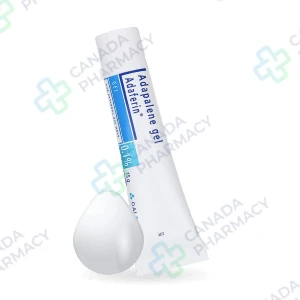
Adaferin Gel
Price range: $ 10,00 through $ 46,00
Active substance: Adapalene
More Details
This product has multiple variants. The options may be chosen on the product page
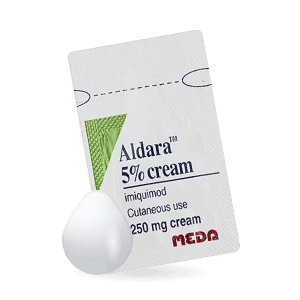
Aldara Cream
Price range: $ 224,00 through $ 1 440,00
More Details
This product has multiple variants. The options may be chosen on the product page
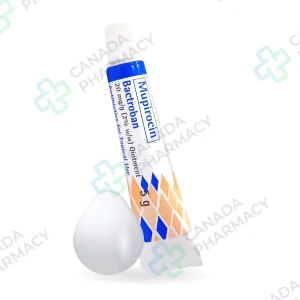
Bactroban Ointment 5g
Price range: $ 55,00 through $ 200,00
Active substance: Mupirocin
More Details
This product has multiple variants. The options may be chosen on the product page
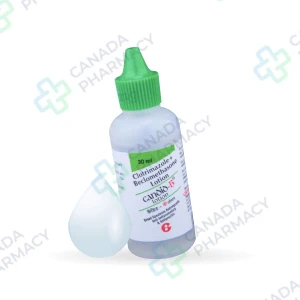
Candid B Lotion
Price range: $ 40,00 through $ 85,00
Active substance: Beclometasone, Clotrimazole
More Details
This product has multiple variants. The options may be chosen on the product page
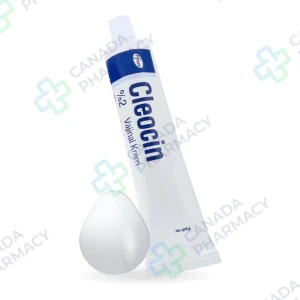
Cleocin Gel
Price range: $ 5,00 through $ 21,00
Active substance: Clindamycin
More Details
This product has multiple variants. The options may be chosen on the product page
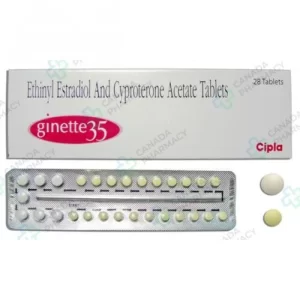
Diane 35
Price range: $ 16,00 through $ 46,00
Active substance: Cyproterone Acetate, Ethyl Estradiol
More Details
This product has multiple variants. The options may be chosen on the product page
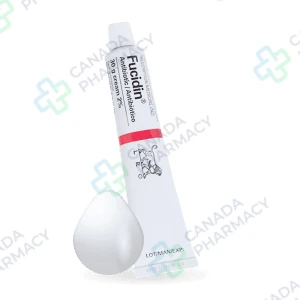
Fucidin cream
Price range: $ 14,00 through $ 73,00
Active substance: Fusidic Acid
More Details
This product has multiple variants. The options may be chosen on the product page