

-30%
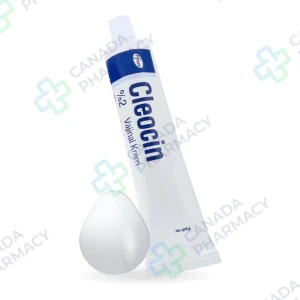
Cleocin
Price range: $ 91,00 through $ 361,00
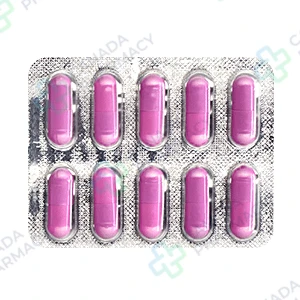
Clindamycin
Price range: $ 43,00 through $ 326,00
Cleocin Gel
Price range: $ 5,00 through $ 21,00
Cleocin Gel is a highly effective topical antibiotic specifically formulated to combat acne vulgaris. The active ingredient, clindamycin phosphate, works by penetrating the skin to inhibit the growth of bacteria that cause breakouts. This fast-acting gel helps to reduce the number of acne lesions while calming the redness and inflammation associated with skin flare-ups. Its lightweight, non-greasy formula absorbs quickly into the skin, making it suitable for daily use as part of a regular skincare routine. Regular application promotes a clearer, smoother complexion by preventing new blemishes from forming and improving overall skin health.
Active substance: Clindamycin
Delivery: 5–21 days (depending on the shipping method)
Extra 10% discount with coupon: IT4K6SVM
Each dosage option has its own packaging choices.
Description
Cleocin Gel belongs to the lincosamide class of topical antibacterial agents designed specifically for dermatologic application. It contains clindamycin phosphate at a concentration equivalent to 1% clindamycin and is indicated for the topical management of acne vulgaris in suitable patients. As a prescription-only medication regulated by the FDA, it must be used strictly under the direction of a qualified healthcare provider.
This topical preparation acts locally on skin lesions to suppress susceptible bacterial populations associated with inflammatory acne conditions. Proper administration requires careful skin hygiene and consistent daily application as outlined in official prescribing guidance.
| Parameter | Specification |
|---|---|
| Drug Name | Cleocin Gel |
| Active Ingredient (INN) | Clindamycin phosphate |
| Therapeutic Class | Topical Lincosamide Antibacterial |
| Dosage Form | Topical Gel (1%) |
| Route of Administration | Cutaneous / Topical |
| Prescription Status | Prescription (Rx) only |
Clinical Overview and Pharmacological Profile
How the drug works
Cleocin Gel contains clindamycin phosphate, a semi-synthetic derivative of lincomycin. Once applied topically to the skin, cellular phosphatases present within epidermal structures hydrolyze inactive clindamycin phosphate into free, active clindamycin. Active clindamycin binds selectively to the 50S ribosomal subunit of susceptible bacterial microorganisms, inhibiting protein synthesis at the ribosomal level.
This targeted action significantly reduces surface concentrations of Cutibacterium acnes (formerly classified as Propionibacterium acnes), a primary anaerobic microorganism involved in the inflammatory processes of acne vulgaris. By suppressing bacterial colonization, the medication reduces the production of microbial lipases, which are responsible for converting sebum triglycerides into free fatty acids that cause tissue irritation and comedone formation.
What it’s used for and pharmacokinetics
What it’s used for
Cleocin Gel is FDA-approved for the topical treatment of acne vulgaris in adult and pediatric patients aged 12 years and older. It is primarily indicated for inflammatory acne lesions, including papules and pustules, where bacterial proliferation plays a driving role. The non-greasy gel vehicle is formulated to assist patients with oily skin textures who require a fast-absorbing topical option. Off-label application for unapproved dermatological issues, such as bacterial folliculitis or rosacea, is not FDA-sanctioned and must only occur under direct clinical supervision.
How it’s absorbed and eliminated
Following repeated topical application of Cleocin Gel 1%, systemic absorption of clindamycin is minimal. Pharmacokinetic studies demonstrate that peak serum levels of clindamycin after topical use range between 0 and 3 ng/mL, which corresponds to less than 1% of the bioavailable dose observed with oral clindamycin therapy. Small amounts of systemic clindamycin are metabolized in the liver to active and inactive compounds, including clindamycin sulfoxide. Excretion occurs predominantly via biliary and renal pathways, with less than 0.2% of the applied dose recovered unchanged in urine over 24 hours. The systemic elimination half-life ranges between 1.5 and 3.5 hours.
Treatment Guidelines and Safety Information
Dosing schedule and practical usage
Dosing schedule
Cleocin Gel is administered topically to affected skin areas twice daily, typically in the morning and evening. Prior to application, gently wash the skin with a mild soap or non-comedogenic cleanser, rinse thoroughly with warm water, and pat completely dry. Apply a thin layer of gel across the entire area affected by acne, rather than spot-treating individual lesions, to help suppress prospective inflammatory breakouts. Hands should be washed before and after application. Avoid contact with the eyes, mucous membranes, nostrils, lips, and areas of broken or severely abraded skin.
First days of treatment
During the initial 2 to 6 weeks of starting Cleocin Gel, clinical changes may be gradual. Patients may notice mild skin tightness, slight dryness, or minor redness during the first few days as the cutaneous tissue adapts to treatment. It is essential to continue consistent daily application as prescribed, as full therapeutic benefits generally emerge after several weeks of continuous therapy. If marked irritation, severe peeling, or burning occurs early in treatment, consult the prescribing clinician for guidance on adjusting application frequency.
If you skip a dose
If a application is forgotten, apply the thin layer as soon as remembered, unless it is nearly time for the next scheduled dose. In that case, skip the missed application and resume the normal twice-daily dosing regimen. Do not apply extra gel or thicker layers to make up for a skipped application, as over-application does not increase antimicrobial efficacy and can cause heightened local skin irritation.
Day-to-day use
To optimize skin comfort during daily use, avoid aggressive skin scrubbing or frequent washing with harsh alkaline soaps, which can worsen skin drying and redness. Waiting approximately 20 to 30 minutes after washing and drying the face before applying Cleocin Gel can reduce stinging sensations. Non-comedogenic moisturizers and cosmetics may be applied after the gel has dried completely. For example, a patient residing in a dry climate like Phoenix, Arizona may benefit from using a light, oil-free moisturizer after the gel absorbs to prevent excessive epidermal drying. Although clindamycin gel generally does not stain or bleach fabrics, avoid rubbing treated areas against delicate garments until fully dry.
Storage and expiration
Store Cleocin Gel at controlled room temperature between 20°C and 25°C (68°F to 77°F); excursions are permitted between 15°C and 30°C (59°F to 86°F). Protect the container from freezing and temperatures exceeding 30°C. Keep the tube tightly closed when not in use to prevent the gel matrix from drying out. Avoid storing the medication in high-humidity areas like bathroom cabinets. Ensure the product is stored out of reach of children and pets, and safely discard any product past its printed expiration date.
Common questions
Adverse reactions
Local cutaneous side effects associated with Cleocin Gel include dry skin, erythema (redness), burning, stinging, skin peeling, and oily skin. While rare with topical application, systemic absorption of clindamycin can occur. Severe diarrhea, abdominal pain, and bloody stools have been reported and may indicate antibiotic-associated pseudomembranous colitis caused by Clostridioides difficile toxin. Contact dermatitis and localized hypersensitivity reactions may also occur. Patients experiencing persistent or severe diarrhea should stop using the gel and seek urgent medical evaluation.
Important precautions
Cleocin Gel is contraindicated in individuals with known hypersensitivity to clindamycin, lincomycin, or any inactive excipients in the gel base. It is also contraindicated in patients with a history of regional enteritis, ulcerative colitis, or a history of antibiotic-associated colitis. Because systemic clindamycin absorption carries a potential risk of Clostridioides difficile-associated diarrhea (CDAD), caution is necessary in patients prone to gastrointestinal disorders. Use during pregnancy should occur only if clearly needed (FDA Pregnancy Category B). Prescribers should exercise caution when recommending this product to nursing mothers, as it is unknown if topically absorbed clindamycin enters breast milk in measurable quantities. Safety and effectiveness in pediatric patients under 12 years of age have not been established.
Compatibility with other medicines
Clindamycin possesses neuromuscular blocking properties that may enhance the action of systemic neuromuscular blockers (such as vecuronium or succinylcholine) if absorbed systemically. In vitro studies have demonstrated antagonism between clindamycin and erythromycin; therefore, Cleocin Gel should not be combined with topical or oral erythromycin-containing medications. Concomitant use with other drying topical agents, abrasive cleansers, or high-concentration alcohol dermatologic products may escalate local skin irritation and dryness.
FAQ 1: How long does it usually take to see improvements with Cleocin Gel?
Clinical response varies by individual, but most patients begin to notice a decrease in inflammatory acne lesions within 2 to 6 weeks of consistent twice-daily application. Maximum therapeutic benefit may require up to 8 to 12 weeks of continuous use under medical supervision.
FAQ 2: Can Cleocin Gel be used alongside other topical acne treatments?
Combining Cleocin Gel with other topical agents, such as retinoids or benzoyl peroxide, is common in dermatological practice to improve efficacy and reduce bacterial resistance. However, combined regimens should only be initiated under the guidance of a healthcare provider to prevent excessive skin drying or severe irritation.
FAQ 3: What steps should be taken if severe diarrhea develops during treatment?
If severe diarrhea, watery stools, or abdominal cramping occurs while using Cleocin Gel, discontinue application immediately and contact a physician. These symptoms may indicate antibiotic-associated colitis, which requires prompt medical assessment and management.
FAQ 4: Is it safe to apply cosmetics over Cleocin Gel?
Yes, cosmetics and sunscreens can be applied over treated areas. Ensure that Cleocin Gel is completely dry before applying other products, and select oil-free, non-comedogenic formulations to avoid clogging pores or counteracting acne therapy.
FAQ 5: Should Cleocin Gel be applied directly to individual pimples or the entire face?
Cleocin Gel should be applied as a thin film over the entire skin region prone to acne rather than as a localized spot treatment. Treating the whole area helps prevent new acne lesions from forming by controlling bacterial counts across the vulnerable skin surface.
Information on this page is for reference and does not replace an assessment by a licensed healthcare professional.
In accordance with FDA requirements.
Additional information
| Dosage |
1% 20 gm |
|---|---|
| Package |
1 tubes ,3 tubes ,6 tubes |
| Ενεργός Ουσία |
Related products
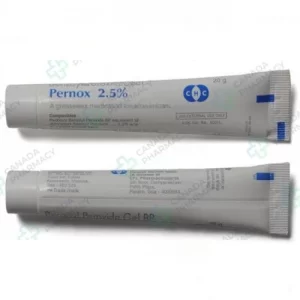
Benzac
Price range: $ 45,00 through $ 118,00
Active substance: benzoyl peroxide
More Details
This product has multiple variants. The options may be chosen on the product page
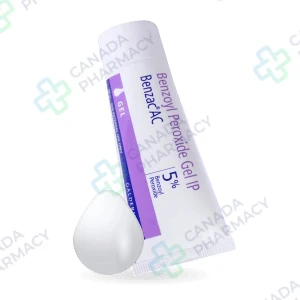
Benzac AC Gel
Price range: $ 34,00 through $ 104,00
Active substance: benzoyl peroxide
More Details
This product has multiple variants. The options may be chosen on the product page
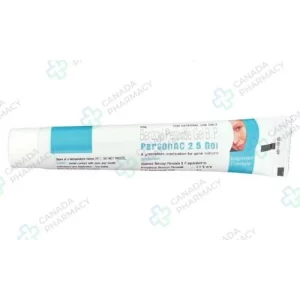
Benzoyl
Price range: $ 66,00 through $ 152,00
Active substance: benzoyl peroxide
More Details
This product has multiple variants. The options may be chosen on the product page
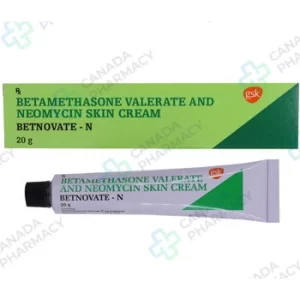
Betnovate
Price range: $ 40,00 through $ 55,00
Active substance: betamethasone
More Details
This product has multiple variants. The options may be chosen on the product page
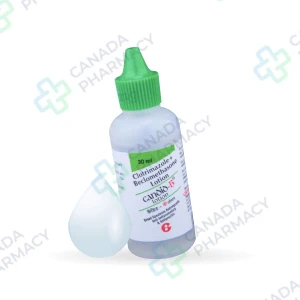
Candid B Lotion
Price range: $ 40,00 through $ 85,00
Active substance: Beclometasone, Clotrimazole
More Details
This product has multiple variants. The options may be chosen on the product page
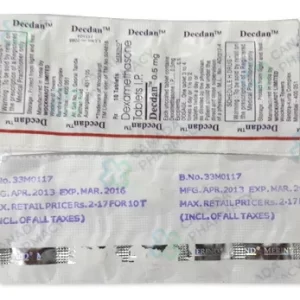
Decadron
Price range: $ 12,00 through $ 182,00
Active substance: Dexamethasone
More Details
This product has multiple variants. The options may be chosen on the product page
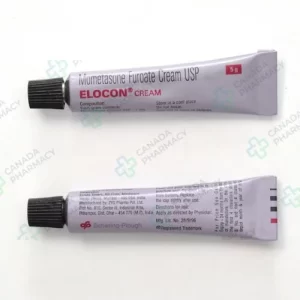
Elocon
Price range: $ 40,00 through $ 190,00
Active substance: Mometasone
More Details
This product has multiple variants. The options may be chosen on the product page
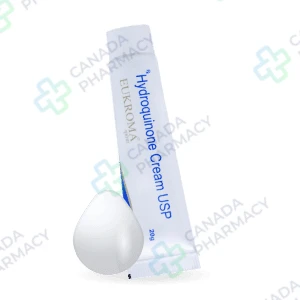
Eukroma Cream
Price range: $ 47,00 through $ 151,00
Active substance: Hydroquinone
More Details
This product has multiple variants. The options may be chosen on the product page