

-54%
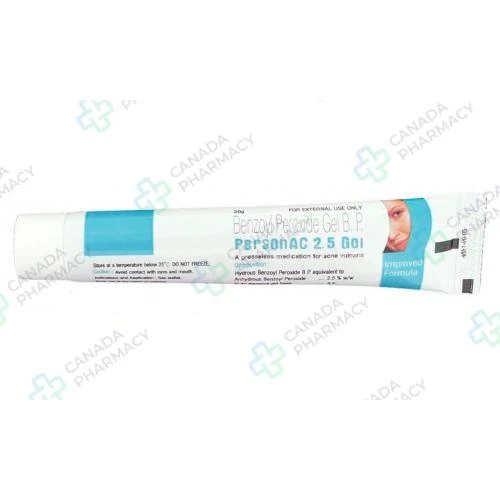
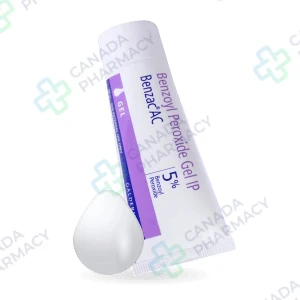
Benzac AC Gel
Price range: $ 34,00 through $ 104,00
Besivance Ophthalmic Solution
Price range: $ 45,00 through $ 88,00
Benzoyl
Price range: $ 66,00 through $ 152,00
Benzoyl Peroxide is a highly effective topical treatment specifically formulated to combat mild to moderate acne. It works by penetrating deep into the pores to eliminate acne-causing bacteria and reduce inflammation. This powerful ingredient helps to clear existing blemishes while preventing new breakouts from forming on the skin’s surface. Available in various strengths, it serves as a reliable solution for achieving a clearer and healthier complexion. Regular use promotes smoother skin texture and significantly improves the overall appearance of acne-prone areas.
Active substance: benzoyl peroxide
Delivery: 5–21 days (depending on the shipping method)
Extra 10% discount with coupon: IT4K6SVM
Each dosage option has its own packaging choices.
Description
Benzoyl peroxide works by releasing active oxygen species directly into skin pores, significantly reducing the population of Cutibacterium acnes bacteria. This targeted action helps unclog blocked pores while minimizing the red, inflamed bumps commonly associated with mild-to-moderate acne.
Formulated in standard topical concentrations ranging from 2.5% to 10%, it serves as a foundational ingredient in dermatological care across the United States. Understanding how to integrate this topical product safely into your daily routine ensures you achieve optimal skin clarity while keeping dryness and irritation to a minimum.
| Parameter | Details |
|---|---|
| Active Ingredient | Benzoyl Peroxide |
| Therapeutic Class | Topical Acne Treatment / Keratolytic Agent |
| Common Formulations | Gel, Cleanser, Wash, Cream, Lotion |
| Route of Administration | Topical (Skin application only) |
| Primary Purpose | Management of Acne Vulgaris |
| Typical Available Strengths | 2.5%, 4%, 5%, 10% |
| Storage Conditions | Room temperature (68°F to 77°F / 20°C to 25°C) |
What It’s Used For
Benzoyl peroxide is primarily indicated for the topical treatment of acne vulgaris in adults and children 12 years of age and older. It targets both inflammatory acne (such as papules and pustules) and non-inflammatory acne (including comedones, such as blackheads and whiteheads). Dermatologists often recommend it as a standalone option for mild acne or as part of a combination regimen for moderate acne conditions.
Because of its antimicrobial mechanism, it is frequently combined with other topical acne treatments to enhance overall effectiveness. Unlike topical antibiotics, benzoyl peroxide does not promote bacterial resistance, making it suitable for long-term skin maintenance under appropriate dermatological guidance.
How the Drug Works
The therapeutic action of benzoyl peroxide relies on its strong oxidizing properties. Upon contact with the skin, it decomposes to yield benzoic acid and free oxygen radicals. These oxygen species penetrate deep into the pilosebaceous follicles, creating an aerobic environment that is toxic to Cutibacterium acnes (formerly known as Propionibacterium acnes), an anaerobic bacterium responsible for acne breakouts.
Beyond its antibacterial activity, benzoyl peroxide exhibits mild keratolytic and comedolytic effects. It promotes the shedding of dead skin cells within the follicle, which helps prevent oil and skin debris from forming new blockages. Additionally, it helps reduce excess surface sebum and mild localized inflammation.
First Days of Treatment
When you first start using benzoyl peroxide, your skin will need time to adapt to the active ingredient. During the first one to two weeks, it is completely normal to experience mild redness, a slight stinging or warming sensation, and minor skin peeling. These localized effects are typical indicators that the ingredient is actively exfoliating the skin.
To make the transition smoother, you might want to start by applying the product every other day or choosing a lower concentration, such as 2.5%. If your skin feels overly tight or uncomfortable, applying a lightweight, non-comedogenic moisturizer right after application can help restore moisture balance without clogging your pores.
Dosing Schedule
Proper application is key to achieving clear skin without causing unnecessary dryness. Always begin by gently washing the affected area with a mild cleanser and patting your skin completely dry with a clean towel. Applying benzoyl peroxide to damp skin can increase absorption and escalate irritation.
Apply a thin layer of the product to the entire affected skin area–not just individual spots–once or twice daily, or as directed by the product label or your healthcare professional. If you are using a leave-on gel or lotion, rub it in gently until absorbed. If you are using a benzoyl peroxide cleanser, apply it to the skin, massage gently for 10 to 20 seconds, and rinse thoroughly with warm water.
What Happens in the Body
Because benzoyl peroxide is applied topically to intact skin, systemic absorption is extremely minimal. When applied to the skin surface, benzoyl peroxide is rapidly metabolized within the epidermal and dermal layers into benzoic acid. Benzoic acid is a safe compound that enters the systemic circulation and is promptly excreted unchanged in your urine.
Because of this localized metabolic pathway, systemic accumulation does not occur under normal conditions of use. You do not need to worry about the drug accumulating in internal organs when it is applied to intact skin as recommended.
Compatibility With Other Medicines
Combining benzoyl peroxide with other topical acne remedies requires careful attention to avoid severe skin dryness or reduced product efficacy. Using benzoyl peroxide at the same time as traditional topical tretinoin can lead to oxidation and degradation of the tretinoin molecule, making it less effective. If your routine includes both, dermatologists generally advise applying tretinoin in the evening and benzoyl peroxide in the morning.
Concomitant use of benzoyl peroxide and topical dapsone can cause temporary yellow or orange discoloration of the skin and facial hair. Additionally, using abrasive cleansers, alcohol-based toners, or other harsh exfoliating agents (like high-strength alpha or beta hydroxy acids) alongside benzoyl peroxide significantly increases the risk of skin irritation and skin barrier disruption.
What Side Effects May Occur
Most side effects associated with benzoyl peroxide are localized to the area of application and tend to diminish as your skin adapts. Common mild reactions include:
- Mild redness (erythema) and warmth
- Flaking, peeling, or scaling skin
- Dryness and a feeling of skin tightness
- Mild itching or stinging upon application
Uncommon but more significant side effects include severe contact dermatitis, marked by intense redness, severe burning, severe itching, and small blisters. If you develop severe facial swelling, hives, or difficulty breathing, stop using the product immediately and seek emergency medical assistance, as these may be signs of a rare, severe allergic reaction.
Before You Take It
Prior to integrating benzoyl peroxide into your care routine, consider several safety factors. Do not use this product if you have a known hypersensitivity or allergy to benzoyl peroxide or any inactive ingredients in the specific formulation. Avoid applying the product to open wounds, windburned or sunburned skin, eczema patches, or actively inflamed, damaged skin.
Benzoyl peroxide has significant bleaching properties. It can permanently decolorize dyed hair, clothing, bed linens, towels, and carpets. Always wash your hands thoroughly with soap and water after application to prevent accidental bleaching of household fabrics.
If you are pregnant or breastfeeding, discuss the use of topical acne treatments with your doctor or pharmacist. While systemic absorption is low, professional guidance helps ensure the safest approach for your personal health situation.
Practical Tips
Making benzoyl peroxide part of your daily care routine works best when you plan ahead for its unique physical characteristics. Consider using white towels and white pillowcases during your treatment period to avoid accidental fabric discoloration. Allow leave-on gels or lotions to dry completely before dressing or putting your head on a pillow.
Because benzoyl peroxide can increase your skin’s sensitivity to environmental factors, remember to apply a broad-spectrum sunscreen with SPF 30 or higher every morning. Protecting your skin from ultraviolet rays helps prevent post-inflammatory hyperpigmentation while your skin clears up.
If You Skip a Dose
If you forget to apply your benzoyl peroxide treatment at your scheduled time, simply apply it as soon as you remember. However, if it is almost time for your next scheduled application, skip the missed dose and resume your regular daily schedule.
Never apply extra product or slather on a double layer to make up for a missed application. Applying excessive amounts will not speed up skin clearing and will significantly increase your chances of experiencing severe redness, peeling, and skin irritation.
Storage and Expiration
Keep your benzoyl peroxide product stored at controlled room temperature, ideally between 68°F and 77°F (20°C to 25°C). Keep the container tightly closed when not in use to prevent the formula from drying out or degrading. Store it away from excessive heat, direct sunlight, and freezing temperatures.
Keep all topical medications out of the reach and sight of children and pets. Do not use the product past the expiration date printed on the tube, bottle, or outer carton. Safely discard any expired or unused gel according to local waste guidelines.
Common Questions
Can benzoyl peroxide stain hair and clothing?
Yes, benzoyl peroxide is a potent bleaching agent. It can decolorize colored fabrics, towels, bedding, and hair. To prevent accidental staining, wash your hands thoroughly after every application, allow topical gels to dry completely before getting dressed, and consider using light-colored or white linens during your treatment phase.
How long does it usually take to see visible results?
Most individuals begin to notice subtle skin improvements within 3 to 4 weeks of consistent daily use. However, full therapeutic benefits typically take 8 to 12 weeks of regular application. Consistency is vital, as the medication works continuously to clear existing lesions and prevent new breakouts from forming.
Should I stop using the product if my skin begins to peel?
Mild flaking and dryness are standard reactions during the initial weeks of treatment. You usually do not need to stop treatment completely. Instead, try reducing application to every other day, decreasing the concentration (e.g., switching from 10% to 2.5%), or applying a non-comedogenic moisturizer. If peeling becomes painful, red, or severe, discontinue use and consult a healthcare provider.
Is it safe to use salicylic acid and benzoyl peroxide together?
Combining these two active ingredients can be effective for stubborn acne, but it also increases the likelihood of skin dryness and irritation. If you choose to use both, introduce them gradually–for example, using salicylic acid in the morning and benzoyl peroxide at night–to help your skin maintain its natural moisture barrier.
Can I apply sun protection over top of benzoyl peroxide?
Yes, applying a broad-spectrum sun protectant over benzoyl peroxide is highly recommended. Wait a few minutes for the benzoyl peroxide treatment to absorb and dry fully before applying your daily sunscreen. This helps guard your skin against sun sensitivity while keeping your treatment routine fully active.
This overview is informational. For decisions about your treatment, consult a qualified healthcare professional.
In accordance with FDA requirements.
Additional information
| Dosage |
20g |
|---|---|
| Package |
2 tubes ,3 tubes ,4 tubes ,5 tubes ,6 tubes ,7 tubes ,8 tubes ,9 tubes ,10 tubes |
| Ενεργός Ουσία |
Related products
Accufine
Price range: $ 69,00 through $ 323,00
Active substance: Isotretinoin
More Details
This product has multiple variants. The options may be chosen on the product page
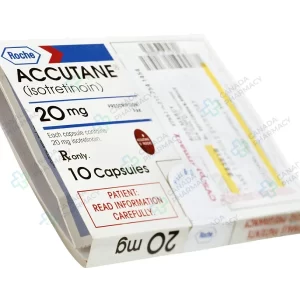
Accutane
Price range: $ 40,00 through $ 650,00
Active substance: Isotretinoin
More Details
This product has multiple variants. The options may be chosen on the product page
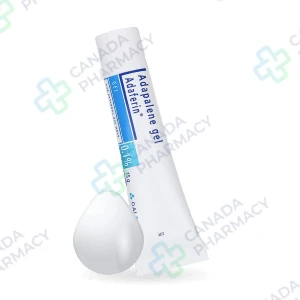
Adaferin Gel
Price range: $ 10,00 through $ 46,00
Active substance: Adapalene
More Details
This product has multiple variants. The options may be chosen on the product page
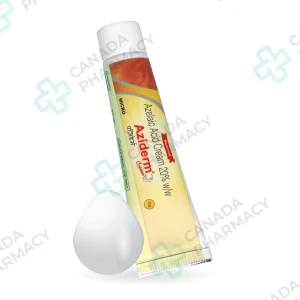
Aziderm Cream
Price range: $ 11,00 through $ 57,00
Active substance: Azelaic Acid
More Details
This product has multiple variants. The options may be chosen on the product page
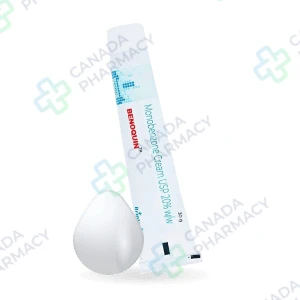
Benoquin Cream
Price range: $ 73,00 through $ 503,00
Active substance: Monobenzone
More Details
This product has multiple variants. The options may be chosen on the product page
Benzac AC Gel
Price range: $ 34,00 through $ 104,00
Active substance: benzoyl peroxide
More Details
This product has multiple variants. The options may be chosen on the product page
Betadine
Price range: $ 7,00 through $ 12,00
Active substance: Povidone Iodine
More Details
This product has multiple variants. The options may be chosen on the product page
Elimite
Price range: $ 44,00 through $ 92,00
Active substance: Permethrin
More Details
This product has multiple variants. The options may be chosen on the product page