

-22%
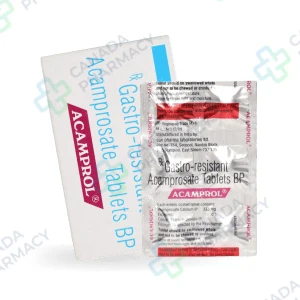
Acamprol
Price range: $ 62,00 through $ 188,00
Accupril
Price range: $ 68,00 through $ 256,00
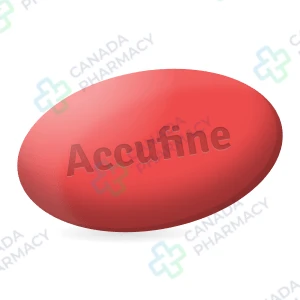
Accufine
Price range: $ 69,00 through $ 323,00
Accufine is a potent oral medication specifically formulated to treat severe, persistent nodular acne that has not responded to conventional therapies. By targeting the root causes of breakouts, this treatment effectively reduces the size and activity of the skin’s oil glands. It works to significantly decrease sebum production, which helps prevent the formation of painful cysts and deep-seated blemishes. Regular use of Accufine promotes long-term skin clarity and helps minimize the risk of permanent scarring caused by inflammatory acne. This advanced dermatological solution provides a reliable path toward achieving a smoother, healthier complexion for those struggling with chronic skin conditions.
Active substance: Isotretinoin
Delivery: 5–21 days (depending on the shipping method)
Extra 10% discount with coupon: IT4K6SVM
Each dosage option has its own packaging choices.
Description
Accufine should only be used under strict medical supervision due to its potent therapeutic effects and significant safety profile. It is an oral prescription medication approved by the US Food and Drug Administration (FDA) for the treatment of severe, recalcitrant nodular acne that has failed to respond to standard therapies, including systemic antibiotics.
Because isotretinoin causes extremely severe congenital birth defects, Accufine is available in the United States strictly through a restricted risk evaluation and mitigation strategy (REMS) program called iPLEDGE. Patients, prescribing healthcare providers, and dispensing pharmacies must register and fulfill strict regulatory requirements before this prescription medication can be authorized and dispensed.
| Parameter | Details |
|---|---|
| Active ingredient | Isotretinoin |
| Therapeutic class | Systemic retinoid |
| Dosage form | Oral soft liquid-filled capsule |
| Primary purpose | Severe recalcitrant nodular acne |
| Prescription status | Prescription only (Rx) under FDA iPLEDGE program |
| Route of administration | Oral |
| Storage | Store at 68°F to 77°F (20°C to 25°C); protect from light |
1. Clinical Indications and Therapeutic Profile
Prescription Overview and Biological Action
Main uses: Accufine is indicated specifically for the treatment of severe recalcitrant nodular acne in non-pregnant patients. Nodular acne involves inflammatory nodules that are 5 mm or greater in diameter, often widespread and prone to permanent scarring. This medication is reserved for cases where conventional therapies, such as topical agents and oral systemic antibiotics (e.g., doxycycline or minocycline), have proven ineffective. In specialized clinical practice, dermatologists may occasionally consider isotretinoin for refractory rosacea or severe hidradenitis suppurativa; however, these applications represent explicit off-label uses not officially approved by the FDA, and all standard safety precautions remain mandatory.
How the drug works: Accufine contains isotretinoin, a synthetic retinoid derived from vitamin A. Its primary therapeutic mechanism involves profound suppression of sebaceous gland activity, leading to a dramatic reduction in sebum production by up to 90%. By decreasing sebum output, the drug alters the cutaneous microenvironment, which indirectly inhibits the proliferation of Cutibacterium acnes (formerly Propionibacterium acnes). Additionally, isotretinoin normalizes follicular hyperkeratinization, preventing microcomedone formation and reducing dermal inflammatory responses.
Dosing, Metabolism, and Early Expectations
How to take it: Dosing must be strictly determined by a licensed prescriber based on individual patient weight and clinical response. The standard total daily dose ranges from 0.5 to 1.0 mg/kg/day, typically divided into two daily doses. Capsules must be swallowed whole with a full glass of liquid; they must never be chewed, crushed, or sucked to minimize the risk of esophageal irritation. Taking Accufine with a high-fat meal significantly enhances gastrointestinal absorption. Treatment courses generally last 15 to 20 weeks, aimed at reaching a targeted cumulative dose per treatment cycle.
What happens in the body: Following oral administration with food, isotretinoin is absorbed through the digestive tract, reaching peak plasma concentrations within 3 to 5 hours. The drug is highly lipophilic and binds extensively to plasma proteins, predominantly albumin, at levels exceeding 99.9%. Isotretinoin is extensively metabolized in the liver via cytochrome P450 enzymes (including CYP2C8, CYP2C9, CYP3A4, and CYP2B6) into major metabolites such as 4-oxo-isotretinoin. The terminal elimination half-life of parent isotretinoin averages between 10 and 20 hours, and metabolites are excreted in approximately equal proportions via urine and feces.
First days of treatment: During the initial 2 to 4 weeks of therapy, patients frequently experience a transient flare-up or worsening of acne lesions. Mucocutaneous side effects, including dry lips (cheilitis), facial skin peeling, dry nasal passages, and ocular dryness, routinely emerge during the first week. Patients should immediately initiate preventative measures, such as applying lip balms, non-comedogenic skin moisturizers, and preservative-free artificial eye drops right from the start of therapy.
2. Safety Warnings, Interactions, and Patient Guidance
Critical Warnings and Emergency Signals
Important precautions: Accufine carries a Black Box Warning regarding teratogenicity. Severe structural birth defects, spontaneous abortions, and premature deliveries occur in a high percentage of pregnancies exposed to isotretinoin at any dose, even for short durations. Female patients of reproductive potential must fulfill strict iPLEDGE requirements, including two negative urine or blood pregnancy tests prior to starting, monthly negative pregnancy tests during therapy, and continuous use of two effective forms of contraception for 1 month before, during, and for 1 month after discontinuing treatment. Blood donation is strictly prohibited during treatment and for 30 days after stopping Accufine to prevent potential transfusion to a pregnant recipient. Baseline and periodic monitoring of liver function tests and serum lipid profiles (triglycerides and cholesterol) is mandatory due to risks of hepatotoxicity and hypertriglyceridemia. Psychiatric monitoring is also required to detect signs of depression, anxiety, or altered mood.
Red flags: Immediate emergency medical evaluation is necessary if severe adverse reactions occur. Patients and caregivers must be vigilant for severe symptoms that require prompt intervention.
| Warning Indicator | Associated Risk / Medical Urgency |
|---|---|
| Severe headache with nausea, vomiting, or blurred vision | Signs of pseudotumor cerebri (benign intracranial hypertension) |
| Severe abdominal or epigastric pain radiating to the back | Possible acute pancreatitis or severe gastrointestinal inflammation |
| Severe depressive symptoms, suicidal thoughts, or mood alteration | Psychiatric decompensation requiring immediate medical care |
| Yellowing of eyes/skin (jaundice) or dark urine | Signs of significant hepatic impairment or hepatotoxicity |
| Facial swelling, lip swelling, rash, or breathing difficulty | Severe hypersensitivity reaction or anaphylaxis |
Drug Management, Side Effects, and FAQs
What to avoid while taking it: Patients taking Accufine must completely avoid nutritional supplements containing Vitamin A due to the severe risk of additive hypervitaminosis A toxicity. Alcohol consumption should be avoided or strictly minimized, as ethanol increases serum triglyceride levels and elevates the risk of liver toxicity and pancreatitis. Direct sun exposure and artificial ultraviolet radiation (tanning beds) must be avoided due to heightened cutaneous photosensitivity.
Compatibility with other medicines: Concurrent administration of tetracycline-class antibiotics (such as tetracycline, doxycycline, or minocycline) with Accufine is strictly contraindicated because the combination increases the risk of pseudotumor cerebri (intracranial hypertension). Micro-dose progesterone-only oral contraceptives (“mini-pills”) may be rendered unreliable by isotretinoin and should not be used as a primary birth control method under iPLEDGE. Concomitant systemic corticosteroids should be managed carefully due to potential additive effects on bone loss.
Adverse reactions: The most frequent adverse effects are mucocutaneous, including cheilitis (occurring in nearly all patients), skin fragility, dry mucous membranes, epistaxis (nosebleeds), dry eyes, and conjunctivitis. Musculoskeletal complaints, such as arthralgia, back pain, and myalgia, are widely reported, particularly in physically active individuals. Less frequent but severe adverse effects include elevated liver transaminases, hypertriglyceridemia, decreased night vision, corneal opacities, inflammatory bowel disease (such as Crohn’s disease or ulcerative colitis), and psychiatric disturbances.
Day-to-day use: To manage skin sensitivity, patients should apply broad-spectrum sunscreen (SPF 30 or higher) daily and avoid cosmetic skin procedures–including chemical peels, dermabrasion, and wax epilation–during treatment and for at least 6 months following completion, as these can cause permanent scarring or severe skin erosion. Strict adherence to scheduled laboratory blood draws is essential for monitoring liver enzymes and blood lipid levels throughout the treatment course.
Common questions:
What should I do if I miss a dose of Accufine?
If a dose is missed, skip that dose entirely and take the next scheduled dose at your regular time. Never double the dose to make up for a missed capsule, as taking excess isotretinoin increases the risk of acute toxicity and adverse effects.
Why is regular blood testing required during therapy?
Isotretinoin can elevate liver enzymes and serum triglycerides, as well as affect blood cell counts. Regular laboratory testing allows your prescriber to monitor organ function and adjust doses or pause treatment if abnormal blood values develop.
Can Accufine cause permanent changes to night vision?
Decreased night vision can occur during treatment and may develop suddenly. While vision changes often resolve after stopping the drug, persistent or permanent impairment has been reported; patients should exercise caution when driving at night and report any visual shifts immediately.
How long after stopping Accufine must pregnancy precautions be maintained?
Strict birth control protocols and pregnancy avoidance must continue for a full 30 days (1 month) after taking the final dose of Accufine. This ensures the drug and its active metabolites are fully cleared from maternal blood circulation.
Is temporary hair thinning normal while taking this medication?
Hair thinning (telogen effluvium) occurs in a minority of patients during isotretinoin therapy. This effect is usually temporary and typically resolves over several months after the medication course is completed.
The information presented here is not a substitute for professional medical advice. In accordance with FDA requirements.
Additional information
| Dosage |
30mg |
|---|---|
| Package |
60 caps ,90 caps ,120 caps ,180 caps ,270 caps ,360 caps |
| Ενεργός Ουσία |
Related products
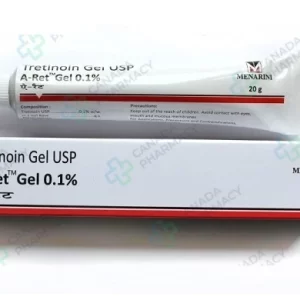
A-Ret Gel
Price range: $ 50,00 through $ 141,00
Active substance: Tretinoin
More Details
This product has multiple variants. The options may be chosen on the product page
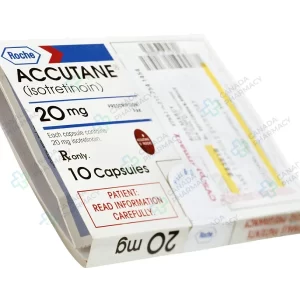
Accutane
Price range: $ 40,00 through $ 650,00
Active substance: Isotretinoin
More Details
This product has multiple variants. The options may be chosen on the product page
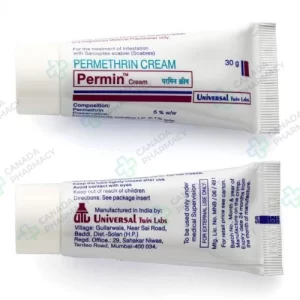
Acticin
Price range: $ 50,00 through $ 103,00
Active substance: Permethrin
More Details
This product has multiple variants. The options may be chosen on the product page
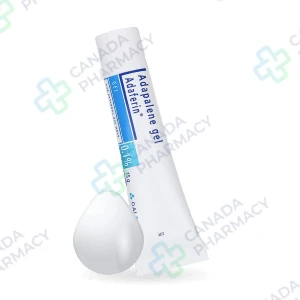
Adaferin Gel
Price range: $ 10,00 through $ 46,00
Active substance: Adapalene
More Details
This product has multiple variants. The options may be chosen on the product page
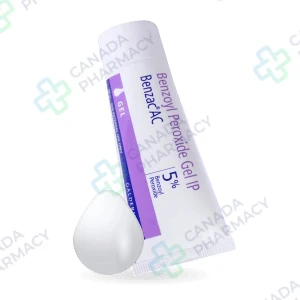
Benzac AC Gel
Price range: $ 34,00 through $ 104,00
Active substance: benzoyl peroxide
More Details
This product has multiple variants. The options may be chosen on the product page
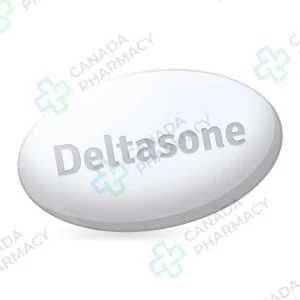
Deltasone
Price range: $ 47,00 through $ 296,00
Active substance: Prednisone
More Details
This product has multiple variants. The options may be chosen on the product page
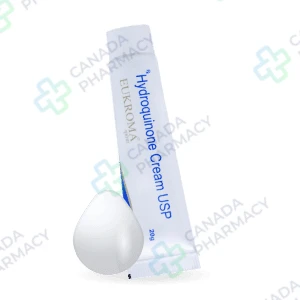
Eukroma Cream
Price range: $ 47,00 through $ 151,00
Active substance: Hydroquinone
More Details
This product has multiple variants. The options may be chosen on the product page
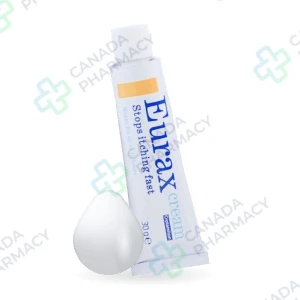
Eurax
Price range: $ 49,00 through $ 187,00
Active substance: Crotamiton
More Details
This product has multiple variants. The options may be chosen on the product page