

-50%
Abilify
Price range: $ 45,00 through $ 413,00

Accufine
Price range: $ 69,00 through $ 323,00
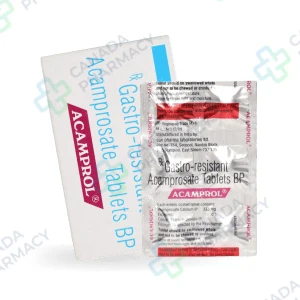
Acamprol
Price range: $ 62,00 through $ 188,00
Acamprol is a specialized medication designed to help individuals maintain abstinence from alcohol following the successful completion of a detoxification program. It works by stabilizing the chemical signaling in the brain that is typically disrupted by long-term alcohol consumption. By restoring this natural balance, the medication helps reduce the physical distress and emotional discomfort often experienced after quitting drinking. This treatment is most effective when integrated into a comprehensive recovery plan that includes support and behavioral therapy. Acamprol serves as a reliable tool for those committed to long-term sobriety and improving their overall quality of life.
Active substance: Acamprosate
Delivery: 5–21 days (depending on the shipping method)
Extra 10% discount with coupon: IT4K6SVM
Each dosage option has its own packaging choices.
Description
Acamprol belongs to a class of central nervous system agents specifically developed to assist in maintaining sobriety. It is prescribed as part of a comprehensive management program that includes psychosocial support for individuals recovering from alcohol dependence. As an FDA-regulated prescription medication, it must be used strictly under professional medical supervision.
Treatment is initiated once complete alcohol abstinence has been established, as the medication is not formulated to treat active alcohol withdrawal symptoms. Patients receiving this therapy typically continue taking it regularly even in the event of a brief relapse, provided a healthcare professional directs them to do so.
| Parameter | Details |
|---|---|
| Active ingredient | Acamprosate calcium |
| Therapeutic class | Central nervous system agent (Alcohol deterrence/maintenance agent) |
| Dosage form | Oral delayed-release tablet (333 mg) |
| Route of administration | Oral |
| Primary purpose | Maintenance of alcohol abstinence in alcohol-dependent patients |
| Prescription status | Rx (Prescription only) |
| Storage requirement | Controlled room temperature (68°F to 77°F / 20°C to 25°C) |
Therapeutic Profile and Pharmacokinetics
How the drug works
Acamprol contains acamprosate calcium, a synthetic compound with a chemical structure resembling naturally occurring amino acid neurotransmitters, such as gamma-aminobutyric acid (GABA) and glutamate. Chronic exposure to alcohol disrupts the delicate balance between inhibitory GABAergic activity and excitatory glutamatergic pathways within the central nervous system. When alcohol intake is stopped, persistent hyper-excitability occurs, contributing to neurochemical discomfort and intense alcohol cravings.
The precise neuronal mechanism of acamprosate calcium is not fully elucidated, but research demonstrates that it interacts with central glutamate receptors, particularly N-methyl-D-aspartate (NMDA) receptor complexes, while simultaneously modulating GABA neurotransmission. By dampening excessive glutamatergic excitation, Acamprol helps restore baseline neurochemical equilibrium in individuals who have achieved abstinence. It does not produce an aversion reaction upon alcohol ingestion, nor does it possess addictive potential or cause physical dependence.
How it’s absorbed and eliminated
Following oral administration, acamprosate calcium is absorbed slowly through the gastrointestinal tract. The absolute oral bioavailability of the drug is relatively low, averaging approximately 11%. Peak plasma concentrations are reached within 3 to 8 hours post-dose. Co-administration with food decreases the peak plasma concentration and area under the curve slightly, but these variations are not clinically significant, and dosing does not strictly require fasting conditions.
Acamprol does not undergo hepatic metabolism and does not inhibit or induce major cytochrome P450 liver enzymes. Consequently, it exhibits low potential for metabolic drug interactions. Elimination occurs almost entirely via renal excretion of the unchanged parent compound. Under steady-state conditions, the terminal elimination half-life ranges from approximately 20 to 33 hours. Because clearance depends directly on kidney function, renal parameters must be evaluated prior to initiating therapy.
Clinical Guidance and Safety Information
Main uses
Acamprol is indicated exclusively for the maintenance of alcohol abstinence in patients with alcohol dependence who are abstinent at the start of treatment. It forms one component of a total management strategy that incorporates psychological counseling, social interventions, and behavioral therapy. Clinical evidence indicates that initiating therapy immediately following complete detoxification helps decrease relapse rates and increases the overall duration of continuous abstinence.
The drug is not effective in patients who have not achieved initial abstinence prior to starting therapy or in those engaged in active, ongoing heavy alcohol abuse. Furthermore, Acamprol is not indicated for treating acute alcohol withdrawal syndrome (such as delirium tremens or withdrawal seizures), as it lacks sedative and anticonvulsant properties required for acute stabilization.
Dosing schedule
The standard dosage for adult patients with normal kidney function is two 333 mg delayed-release tablets taken three times daily, resulting in a total daily dose of 1998 mg. Administration is typically scheduled alongside major meals–breakfast, lunch, and dinner–to foster medication adherence and lessen mild gastrointestinal side effects.
Tablets must be swallowed whole with water and must never be crushed, chewed, broken, or dissolved, as altering the tablet structure destroys the enteric coating designed to protect the active ingredient from stomach acid. For patients with moderate renal impairment (creatinine clearance between 30 and 50 mL/min), the dosage is adjusted to one 333 mg tablet taken three times daily. Treatment duration is established individually by the prescribing clinician based on patient progress and clinical response.
Compatibility with other medicines
Because acamprosate calcium is cleared renally without liver metabolism, it exhibits a favorable interaction profile compared to many other central nervous system agents. Concomitant administration with alcohol does not alter the pharmacokinetics of acamprosate, nor does it trigger a disulfiram-like flushing or nausea reaction. Clinical studies demonstrate no significant pharmacokinetic interactions when Acamprol is administered alongside naltrexone, disulfiram, or common benzodiazepines such as diazepam.
However, caution is warranted when co-administering Acamprol with other drugs that are eliminated predominantly via renal tubular secretion, as competition for excretion pathways could potentially alter plasma levels. Patients should disclose all prescription medications, over-the-counter drugs, and dietary supplements to their healthcare provider prior to beginning therapy.
Adverse reactions
Acamprol is generally well tolerated, with most adverse effects being mild to moderate and transient in nature. The most commonly reported clinical side effect is diarrhea, which often subsides as the body adapts to medication. Other frequently documented gastrointestinal symptoms include nausea, flatulence, abdominal pain, and dry mouth.
Central nervous system and psychiatric side effects may include insomnia, anxiety, depression, dizziness, asthenia (weakness), and somnolence. Skin reactions such as pruritus or maculopapular rash have been observed less frequently. Patients experiencing severe, persistent, or worsening adverse reactions should notify their treating provider promptly for clinical evaluation.
Before you take it
Before initiating therapy, healthcare providers evaluate baseline renal function. Acamprol is strictly contraindicated in patients with severe renal impairment, defined as a creatinine clearance of 30 mL/min or below, due to the risk of drug accumulation and toxicity. It is also contraindicated in individuals with known hypersensitivity to acamprosate calcium or any components of the tablet formulation.
Patients treated for alcohol dependence display an inherent risk for depression and suicidal ideation. Healthcare providers and family members must monitor patients closely for emergence of depressive symptoms, unusual behavioral changes, or suicidal thoughts during treatment. If such changes occur, medical intervention should be sought immediately.
What to expect when starting treatment
During the first few days of treatment, patients may notice mild digestive changes, such as loose stools or mild intestinal gas. These initial symptoms are common and usually diminish with continued use. It is crucial for patients to understand that Acamprol does not produce immediate euphoric feelings, sedation, or instant relief from emotional stress. The therapeutic effect develops gradually as steady-state concentrations are established, supporting long-term physiological equilibrium rather than providing immediate mood alteration.
What to do if you miss a dose
If a dose is missed, the patient should take the next scheduled tablet at the regular time. Double doses should not be taken to make up for a missed tablet, as taking extra tablets increases the probability of gastrointestinal discomfort without improving therapeutic outcomes. Maintaining a steady daily schedule helps preserve consistent drug concentrations in the bloodstream.
Storage and expiration
Acamprol delayed-release tablets should be stored at controlled room temperature between 68°F and 77°F (20°C to 25°C), with temporary excursions permitted between 59°F and 86°F (15°C to 30°C). The medication must be kept in its original container, protected from excessive moisture and direct heat, and stored out of reach of children and pets. Do not use tablets past the expiration date printed on the packaging.
Use in specific groups
Pregnancy and Breastfeeding: Acamprol should be used during pregnancy only if the potential benefit justifies the potential risk to the fetus. It is classified under standard safety guidelines requiring careful evaluation by a physician. It is not known whether acamprosate calcium is excreted in human milk; caution is advised when administering to nursing mothers.
Pediatric Use: Safety and effectiveness in pediatric populations under 18 years of age have not been established.
Geriatric Use: Elderly patients are more likely to have decreased renal function. Dose selection for older adults should be cautious, typically starting at the lower end of the dosing range, and renal monitoring is recommended.
Common questions
Can Acamprol be taken alongside common pain relievers like acetaminophen or ibuprofen?
Yes, standard non-prescription analgesics such as acetaminophen or ibuprofen generally do not interact directly with acamprosate calcium. However, patients with underlying hepatic or renal considerations secondary to past alcohol use should consult their provider to choose the safest pain relief option.
What happens if a patient drinks alcohol while taking Acamprol?
Lapsing into alcohol consumption while on Acamprol does not cause a severe physical illness or allergic reaction. However, drinking impairs the recovery process. If a relapse occurs, the patient should continue taking the medication as prescribed and contact their healthcare provider or addiction specialist immediately for support.
Is routine liver function monitoring required specifically for this drug?
Because acamprosate calcium is not metabolized by the liver, it does not exert direct hepatic toxicity, and liver monitoring is not specifically required for drug metabolism. However, baseline liver tests are routinely conducted as standard care in alcohol dependence management.
How long does a patient typically continue Acamprol therapy?
In clinical studies, treatment duration typically ranges from several months up to one year. The optimal duration for any individual is determined by their physician based on recovery stability, ongoing risk of relapse, and personal treatment goals.
Can the tablets be broken in half if swallowing is difficult?
No. Acamprol tablets feature a specialized delayed-release coating designed to prevent release of the active drug until it passes through the acidic environment of the stomach. Breaking, crushing, or chewing the tablet destroys this layer and may cause gastric discomfort or altered drug absorption.
Dispensed in accordance with applicable federal and state regulations governing prescription medications in the United States.
This text is for informational purposes only and does not constitute individual medical advice.
Additional information
| Dosage |
333 mg |
|---|---|
| Package |
30 pills ,60 pills ,90 pills ,120 pills ,180 pills |
| Ενεργός Ουσία |
Related products
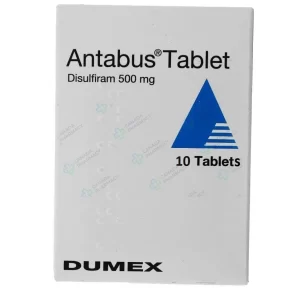
Antabuse
Price range: $ 46,00 through $ 242,00
Active substance: Disulfiram
More Details
This product has multiple variants. The options may be chosen on the product page
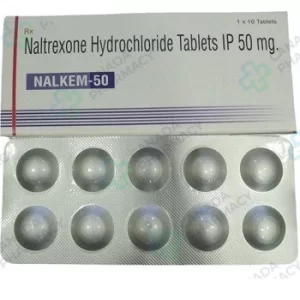
Naltrexone
Price range: $ 214,00 through $ 595,00
Active substance: naltrexone hydrochloride
More Details
This product has multiple variants. The options may be chosen on the product page
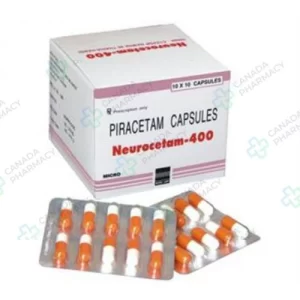
Nootropil
Price range: $ 30,00 through $ 363,00
Active substance: Piracetam
More Details
This product has multiple variants. The options may be chosen on the product page
Revia
Price range: $ 82,00 through $ 432,00
Active substance: Naltrexone
More Details
This product has multiple variants. The options may be chosen on the product page