

-11%
Nolvadex
Price range: $ 51,00 through $ 199,00
Noroxin
Price range: $ 48,00 through $ 136,00
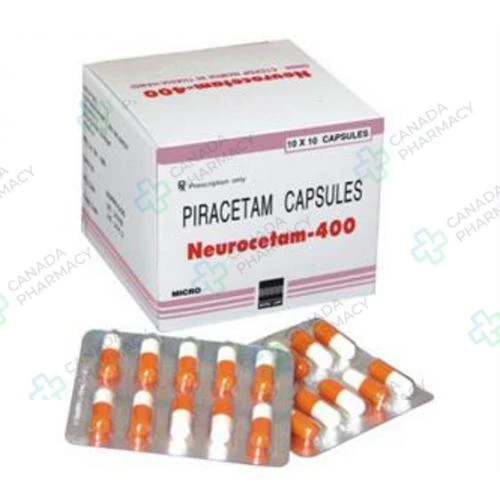
Nootropil
Price range: $ 30,00 through $ 363,00
Nootropil is a well-established cognitive enhancer designed to support optimal brain function and mental performance. It works by improving the communication between the brain’s hemispheres and enhancing the metabolic activity of neurons. This medication is widely used to manage memory loss and improve concentration in individuals experiencing age-related cognitive decline. It also serves as an effective treatment for cortical myoclonus, helping to reduce involuntary muscle jerks and improve coordination. By promoting better oxygen and glucose utilization in the brain, Nootropil helps maintain overall neurological health and cognitive clarity.
Active substance: Piracetam
Delivery: 5–21 days (depending on the shipping method)
Extra 10% discount with coupon: IT4K6SVM
Each dosage option has its own packaging choices.
Description
Nootropil belongs to a class of synthetic agents known as pyrrolidone derivatives, centered around the active pharmaceutical compound piracetam. In global medical literature, it is categorized as a nootropic compound evaluated for its effects on central nervous system function, cellular membrane fluidity, and microcirculation, though its clinical availability and regulatory classification vary across international jurisdictions, being dispensed in accordance with applicable federal and state regulations within the United States.
This informational guide offers an objective clinical overview of Nootropil’s mechanism of action, kinetic properties, potential drug interactions, and safety considerations. Patients, caregivers, and healthcare personnel should review these facts to understand both the theoretical benefits and established risks associated with this agent prior to initiating any treatment plan.
| Drug name | Nootropil |
| Active ingredient (INN) | Piracetam |
| Therapeutic class | Nootropic agent (pyrrolidone derivative) |
| Dosage form | Oral tablet, oral solution |
| Route of administration | Oral |
| Prescription status | Dispensed in accordance with applicable federal and state regulations |
| Storage | Store at controlled room temperature 68°F to 77°F (20°C to 25°C) |
Clinical Profile and Pharmacological Overview
Key Pharmacological Characteristics
How the drug works
The precise pharmacodynamics of Nootropil remain a subject of ongoing pharmacological study. On one hand, research indicates that piracetam interacts with the phospholipid head groups of cellular membranes, restoring membrane fluidity and stabilizing cell structures, particularly under hypoxic or aging conditions. On the other hand, it does not exert direct agonist or antagonist activity at classic neurotransmitter receptor sites in the manner of conventional psychotropic drugs. Instead, Nootropil indirectly modulates cholinergic, glutamatergic (AMPA receptors), and GABAergic neurotransmission. Furthermore, the substance exhibits vascular effects by reducing red blood cell hyper-aggregation, decreasing blood viscosity, and improving microcirculatory flow without causing systemic vasodilation.
Main uses
In several European and international medical systems, Nootropil is indicated for the management of cortical myoclonus (an involuntary muscle twitching disorder) as an adjunctive therapy alongside other anti-myoclonic agents. Additionally, it has been prescribed in foreign jurisdictions for cognitive impairment, age-related memory decline, and cerebrovascular accidents. However, within the United States, piracetam is not approved by the Food and Drug Administration (FDA) for the treatment of any specific medical condition. Any therapeutic utilization in domestic settings remains off-label or investigative relative to U.S. regulatory standards. Clinicians weighing its use evaluate these non-domestic therapeutic applications against the lack of FDA-approved product labeling.
Dosing, Administration, and Pharmacokinetics
Dosing schedule
When prescribed in regions where it holds regulatory authorization, Nootropil dosing is tailored strictly to the specific medical condition being treated. For cortical myoclonus, treatment typically initiates at a total daily dose of 7.2 g, titrated upward by 4.8 g every three to four days until a maximum daily dose of 24 g is achieved, administered in two to three divided doses. For cognitive disorders in adult populations, lower daily regimens ranging from 2.4 g to 4.8 g per day are commonly utilized. Because piracetam is cleared almost exclusively by the kidneys, dosing adjustments are mandatory in individuals with reduced renal function. The exact dosing schedule must be determined by a qualified prescriber following thorough laboratory evaluation.
How it’s absorbed and eliminated
Following oral administration, Nootropil is rapidly and almost completely absorbed from the gastrointestinal tract, displaying an absolute bioavailability approaching 100%. Peak plasma concentrations are typically reached within 30 to 90 minutes in fasting subjects. The drug distributes widely throughout total body water and crosses both the blood-brain barrier and the placental barrier. Piracetam does not bind to plasma proteins and undergoes virtually no hepatic metabolism. It is eliminated primarily through the kidneys via glomerular filtration, with over 90% of the administered dose excreted unchanged in urine within 30 hours. In individuals with normal renal clearance, the elimination half-life is approximately 5 hours.
What you may notice early on
Patients beginning therapy with Nootropil may not experience immediate cognitive or physical changes. While peak blood concentrations occur quickly, clinical responses–particularly in conditions such as cortical myoclonus or chronic memory impairment–often require several weeks of continuous administration to become apparent. During the initial days of treatment, individuals should pay close attention to subtle shifts in sleep patterns, psychomotor activity, or gastrointestinal comfort. Early monitoring helps prescribers identify early adverse events, such as central nervous system stimulation, before escalating the daily dosage.
Safety Profile and Practical Considerations
Precautions and Adverse Effects
Adverse reactions
Nootropil exhibits a generally distinct side-effect profile that reflects its central nervous system and metabolic influences. On one hand, many individuals tolerate the compound without serious incident; on the other hand, adverse events are documented, particularly at higher dosage thresholds. The most frequently reported side effects include hyperkinesia (excessive motor activity), nervousness, insomnia, somnolence, depression, and unintentional weight gain. Less common gastrointestinal reactions include nausea, abdominal pain, diarrhea, and vomiting. In rare instances, patients may experience hypersensitivity reactions, skin rash, ataxia, or heightened agitation.
Important precautions
Several critical safety precautions govern the administration of Nootropil. Due to its complete dependence on renal excretion, the drug is strictly contraindicated in patients with end-stage renal disease (creatinine clearance under 20 mL/min). In patients with mild-to-moderate renal impairment, dose reductions and serial monitoring of renal function are required. Because piracetam inhibits platelet aggregation and affects hemostasis, caution is essential in patients with severe hemorrhage, underlying bleeding disorders, or those undergoing major surgical procedures. Sudden withdrawal of Nootropil in patients treated for cortical myoclonus must be strictly avoided, as abrupt cessation may precipitate rebound seizures or status myoclonicus.
Compatibility with other medicines
Co-administration of Nootropil with other pharmacological agents requires careful clinical oversight. Concomitant use with thyroid extracts (such as T3 and T4) has been reported to induce symptoms including confusion, irritability, and sleep disturbances. Due to piracetam’s inhibitory effects on platelet function, combining Nootropil with anticoagulants (e.g., warfarin), antiplatelet agents (e.g., aspirin, clopidogrel), or nonsteroidal anti-inflammatory drugs (NSAIDs) may increase the risk of bleeding complications. No significant pharmacokinetic interactions have been identified with hepatic enzyme inhibitors or inducers, given that piracetam does not undergo hepatic metabolism.
If you skip a dose
If a dose of Nootropil is missed, the patient should take the missed dose as soon as it is remembered, provided the next scheduled dose is not imminent. If it is nearly time for the subsequent dose, the patient should skip the missed dose and resume the standard schedule. Patients must never double the dose to compensate for a skipped intake. Maintaining a consistent routine is particularly crucial in myoclonus management to prevent fluctuations in serum levels.
Practical tips
Daily administration of Nootropil can be aligned with meals or taken on an empty stomach, as food slightly delays absorption speed but does not diminish total bioavailability. Tablets should be swallowed whole with a glass of water. Because Nootropil can cause stimulant-like effects such as insomnia and nervousness in susceptible individuals, prescribers often recommend scheduling the final dose of the day in the late afternoon rather than immediately prior to bedtime. Patients undergoing long-term therapy should keep regular appointments for kidney function monitoring.
Storage and expiration
Nootropil should be stored at controlled room temperature, ideally between 68°F and 77°F (20°C to 25°C), away from excess heat, direct light, and moisture. Store the medication in its original container with the cap securely closed. Medication should be kept out of the reach and sight of children and pets. Unused or expired products should be disposed of in accordance with local environmental regulations rather than flushed down household drains.
Common Questions
Does Nootropil cause sleep disturbances if taken late in the evening?
Yes, sleep disturbances such as insomnia, restlessness, and heightened alertness are recognized potential adverse effects of Nootropil. Because the compound can exert activating effects on the central nervous system, taking doses late in the evening or close to bedtime may interfere with normal sleep cycles. Healthcare providers frequently suggest administering the last daily dose earlier in the afternoon to mitigate this effect.
Is dose adjustment necessary for individuals with reduced kidney function?
Dose adjustment is mandatory for individuals with compromised renal function because piracetam is excreted entirely unchanged by the kidneys. When kidney clearance decreases, the drug accumulates in the body, which significantly raises the risk of toxic reactions and severe side effects. Prescribers calculate the dosage based on measured or estimated creatinine clearance rates, extending administration intervals or lowering individual doses accordingly.
Can Nootropil be safely combined with blood-thinning medications?
Combining Nootropil with blood thinners, such as warfarin, aspirin, or direct oral anticoagulants, requires extreme caution and close medical monitoring. Piracetam exhibits antiplatelet activity and reduces blood clotting factors in clinical studies, which can potentiate the anticoagulant effect of these drugs. Patients taking blood thinners should not start or stop Nootropil without explicit clinical supervision and frequent coagulation testing.
What happens if treatment with Nootropil is stopped abruptly?
Abruptly stopping Nootropil can lead to severe clinical complications, particularly in patients receiving the drug for cortical myoclonus. Sudden withdrawal can provoke a sudden relapse of involuntary muscle twitches or trigger severe, prolonged seizures known as status myoclonicus. When discontinuing treatment, prescribers implement a gradual dosage reduction plan over several days or weeks to ensure patient safety.
How does Nootropil interact with alcoholic beverages?
While piracetam does not directly alter alcohol metabolism, concomitant consumption of alcohol and Nootropil is generally discouraged. Alcohol exerts sedative and depressant effects on the central nervous system, which can counteract or complicate the neurotropic effects of Nootropil. Furthermore, combining central nervous system active substances with alcohol increases the risk of unpredictable cognitive impairment, impaired motor coordination, and dizziness.
In accordance with FDA requirements.
This text is for informational purposes only and does not constitute individual medical advice.
Additional information
| Dosage |
800mg ,1200 mg |
|---|---|
| Package |
30 pills ,60 pills ,90 pills ,120 pills ,180 pills ,270 pills ,360 pills |
| Ενεργός Ουσία |
Related products
Acamprol
Price range: $ 62,00 through $ 188,00
Active substance: Acamprosate
More Details
This product has multiple variants. The options may be chosen on the product page
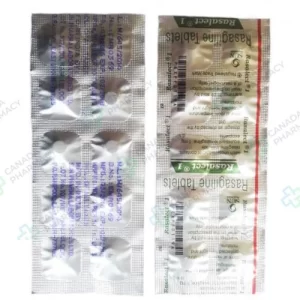
Azilect
Price range: $ 17,00 through $ 46,00
Active substance: Rasagiline
More Details
This product has multiple variants. The options may be chosen on the product page

Cerecetam
Price range: $ 58,00 through $ 255,00
Active substance: Piracetam
More Details
This product has multiple variants. The options may be chosen on the product page
Flunil
Price range: $ 21,00 through $ 138,00
Active substance: Fluoxetine
More Details
This product has multiple variants. The options may be chosen on the product page
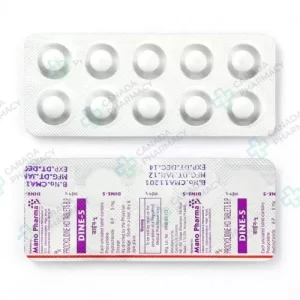
Kemadrin
Price range: $ 41,00 through $ 281,00
Active substance: procyclidine
More Details
This product has multiple variants. The options may be chosen on the product page
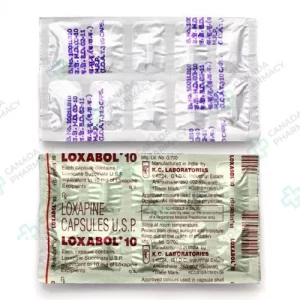
Loxitane
Price range: $ 43,00 through $ 76,00
Active substance: Loxapine Succinate
More Details
This product has multiple variants. The options may be chosen on the product page
Meclizine
Price range: $ 47,00 through $ 143,00
Active substance: Meclizine
More Details
This product has multiple variants. The options may be chosen on the product page
Zyprexa
Price range: $ 41,00 through $ 358,00
Active substance: Olanzapine
More Details
This product has multiple variants. The options may be chosen on the product page