

-10%
Aziderm Cream
Price range: $ 11,00 through $ 57,00
Azipro
Price range: $ 90,00 through $ 680,00
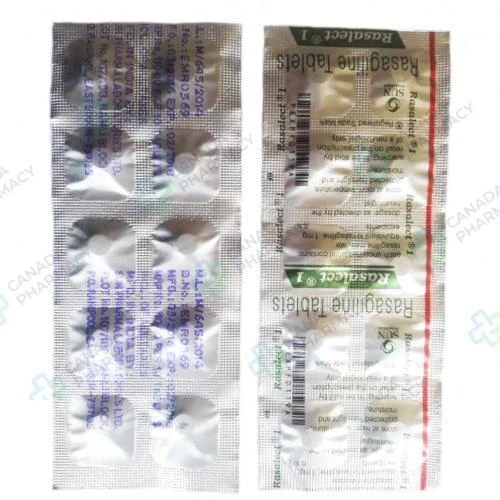
Azilect
Price range: $ 17,00 through $ 46,00
Azilect is a specialized medication primarily used to treat the symptoms of Parkinson’s disease. It belongs to a class of drugs known as MAO-B inhibitors, which work by increasing natural levels of dopamine in the brain. This treatment can be used alone in the early stages of the condition to help manage motor symptoms like tremors and stiffness. For patients in more advanced stages, it is often paired with levodopa to enhance overall effectiveness and reduce “off” time. By providing consistent symptom control, Azilect helps individuals maintain better movement and daily functionality.
Active substance: Rasagiline
Delivery: 5–21 days (depending on the shipping method)
Extra 10% discount with coupon: IT4K6SVM
Each dosage option has its own packaging choices.
Description
Azilect – Patient and Clinical Information Guide
Azilect belongs to a class of medications known as selective monoamine oxidase type B (MAO-B) inhibitors. It is an FDA-approved prescription medication prescribed for the management of idiopathic Parkinson’s disease, either as monotherapy in early stages or as an adjunctive treatment alongside levodopa in advanced stages.
The active substance in Azilect is rasagiline mesylate, which functions by inhibiting the enzymatic breakdown of dopamine within the central nervous system. Proper usage requires strict adherence to prescribers’ instructions, careful assessment of potential drug interactions, and routine clinical monitoring by a licensed healthcare professional.
Basic Information
| Parameter | Clinical Detail |
|---|---|
| Drug Name | Azilect |
| Active Ingredient | Rasagiline mesylate |
| Therapeutic Class | Central Nervous System Agent / MAO-B Inhibitor |
| Dosage Form | Oral tablet (0.5 mg, 1 mg) |
| Route of Administration | Oral |
| Primary Purpose | Treatment of idiopathic Parkinson’s disease |
| Prescription Status | Prescription only (Rx) |
How the Drug Works
Azilect operates as a potent, irreversible selective inhibitor of monoamine oxidase type B (MAO-B). MAO-B is a primary mitochondrial enzyme involved in the metabolic inactivation of extracellular dopamine within the striatum of the brain. By irreversibly binding to MAO-B, rasagiline prevents the enzymatic degradation of dopamine, resulting in increased endogenous and exogenous dopamine concentration in the synaptic cleft.
At recommended clinical doses of 0.5 mg to 1 mg once daily, rasagiline demonstrates significantly higher selectivity for the MAO-B isoenzyme compared to the MAO-A isoenzyme. This selectivity helps minimize interference with peripheral catabolism of dietary amines, such as tyramine, thereby reducing the probability of hypertensive crises when taken at approved dosage levels.
What It’s Used For
Azilect is FDA-indicated for the treatment of Parkinson’s disease. Clinical application depends on the stage of neurological progression:
- Monotherapy: Indicated in early-stage Parkinson’s disease to manage motor signs and functional impairment prior to initiating levodopa or dopamine agonist therapy.
- Adjunctive Therapy: Indicated as an add-on treatment to levodopa in moderate-to-advanced Parkinson’s disease to reduce motor fluctuations, specifically decreasing daily “off” time and increasing functional “on” time.
Use of Azilect for indications outside Parkinson’s disease is unapproved (off-label) and requires individualized evaluation by a licensed healthcare provider.
Dosing Schedule
Dosing of Azilect is tailored to the patient’s treatment clinical profile and concurrent medications:
- Monotherapy: The standard recommended dosage is 1 mg orally once daily.
- Adjunctive to Levodopa: The recommended initial dosage is 0.5 mg orally once daily. If an adequate clinical response is not obtained, the dose may be increased to 1 mg once daily. When added to levodopa, a concurrent reduction of the levodopa dose may be required to decrease the risk of dopaminergic side effects.
- Special Dosing Considerations: Patients with mild hepatic impairment or those concurrently taking potent CYP1A2 inhibitors should not exceed a maximum dose of 0.5 mg once daily.
Tablets are administered orally and may be taken with or without food.
How It’s Absorbed and Eliminated
Following oral administration, rasagiline is rapidly absorbed, reaching peak plasma concentration (Tmax) in approximately 1 hour. The absolute bioavailability of rasagiline is approximately 36%. Administration with high-fat meals delays Tmax, but overall systemic exposure (AUC) is not significantly altered.
Rasagiline undergoes extensive hepatic metabolism primarily mediated by the cytochrome P450 isoenzyme CYP1A2. The major metabolic pathways involve N-dealkylation and hydroxylation, producing metabolites such as 1-aminoindan, which lacks amphetamine-like properties. The terminal elimination plasma half-life of rasagiline is approximately 1.3 to 3 hours. However, because rasagiline binds irreversibly to MAO-B, its clinical duration of action is driven by enzyme regeneration rather than plasma clearance. Clearance occurs mainly via renal excretion (62%) and fecal excretion (7%).
Compatibility with Other Medicines
Azilect presents several high-priority drug-drug interactions that necessitate medical oversight:
- Contraindicated Combinations: Concomitant use with other MAO inhibitors, meperidine, methadone, tramadol, or dextromethorphan is strictly contraindicated due to the risk of life-threatening serotonin syndrome or severe hypertensive reactions.
- Antidepressants: Co-administration with selective serotonin reuptake inhibitors (SSRIs), serotonin-norepinephrine reuptake inhibitors (SNRIs), tricyclic antidepressants, or St. John’s wort increases the risk of central serotonin toxicity and requires extreme caution.
- CYP1A2 Inhibitors: Potent inhibitors of CYP1A2 (e.g., ciprofloxacin) significantly increase rasagiline plasma levels. The maximum dose of Azilect should be limited to 0.5 mg daily during concurrent CYP1A2 inhibitor therapy.
- Sympathomimetics: OTC decongestants containing pseudoephedrine or phenylephrine should be used with caution due to theoretical risk of hypertensive responses.
Adverse Reactions
Side effect frequency varies depending on whether Azilect is administered as monotherapy or adjunctive therapy:
- Monotherapy Common Effects: Headache, flu-like symptoms, joint pain (arthralgia), depression, dyspepsia, and fall injuries.
- Adjunctive Therapy Common Effects: Dyskinesia (involuntary movements), nausea, orthostatic hypotension, accidental injury, weight loss, dry mouth, and constipation.
- Serious Adverse Effects: Severe dyskinesias, sudden onset of sleep during daily tasks, hallucinations, confusion, impulse control disorders (such as compulsive gambling, spending, or hypersexuality), and severe hypertensive events.
Important Precautions
Certain clinical populations and physiological conditions require additional monitoring:
- Hepatic Impairment: Azilect is contraindicated in patients with moderate-to-severe hepatic impairment (Child-Pugh Class B or C) due to significantly increased plasma concentrations. Patients with mild hepatic impairment should not exceed 0.5 mg daily.
- Somnolence and Sleep Attacks: Rasagiline can cause extreme somnolence and unannounced falling asleep during activities of daily living. Patients experiencing marked daytime sleepiness should avoid driving or operating dangerous machinery.
- Psychiatric Disorders: Patients with major psychotic disorders should generally avoid Azilect due to the risk of exacerbating hallucinations and psychosis.
- Pregnancy and Lactation: Adequate clinical studies in pregnant women are lacking. Azilect should be used during pregnancy only if potential benefits outweigh fetal risks. Excretion into human breast milk is unknown; caution should be exercised when prescribed to nursing mothers.
- Pediatric Use: Safety and effectiveness in pediatric patients have not been established.
What to Avoid While Taking It
Although rasagiline is selective for MAO-B at therapeutic doses (0.5 mg to 1 mg daily), loss of selectivity can occur at higher doses or in susceptible individuals. Caution is recommended regarding dietary tyramine intake:
- Avoid consuming large quantities of aged, fermented, or cured foods, such as aged cheeses, air-dried meats, pickled herring, draft beer, and soy sauce.
- Avoid exceeding the prescribers’ recommended dose, as higher doses increase MAO-A inhibition and elevate the risk of dietary tyramine-induced hypertensive crisis (“cheese effect”).
- Limit or avoid alcohol consumption, as alcohol can exacerbate central nervous system depression, dizziness, and orthostatic blood pressure drops.
First Days of Treatment
When starting treatment with Azilect, clinical responses develop gradually over several weeks as brain MAO-B enzyme inhibition stabilizes. During the initial days of therapy:
- Patients may experience mild headache, lightheadedness upon standing, or transient gastrointestinal upset.
- When added to an ongoing levodopa regimen, pre-existing dyskinesias may transiently increase due to enhanced dopamine activity, requiring a managed dose reduction of levodopa.
- Blood pressure should be monitored periodically during initial titration to detect orthostatic changes or pressor reactions.
Signs of Improvement
Evaluating the therapeutic benefit of Azilect depends on the primary treatment objective:
- Monotherapy: Efficacy is indicated by sustained stabilization or reduction of cardinal motor symptoms, including bradykinesia (slowness of movement), resting tremor, and muscle rigidity.
- Adjunctive Therapy: Efficacy is observed as a reduction in total daily “off” time (periods of symptom reemergence) and an increase in functional “on” time without severe, disabling dyskinesias.
Physicians monitor these responses using standardized rating scales and patient-maintained symptom diaries.
If You Skip a Dose
If a dose of Azilect is missed, the patient should resume therapy by taking the next scheduled dose at the usual time the following day:
- Do not take a double dose or extra tablets to compensate for a missed dose.
- Because rasagiline causes irreversible inhibition of the MAO-B enzyme, biological activity persists beyond the clearance of the active drug from blood plasma; missing a single dose is unlikely to cause an immediate breakdown in motor control.
- Maintain a consistent daily schedule to ensure continuous therapeutic stability.
Frequently Asked Questions
1. Can Azilect be stopped suddenly without medical supervision?
Azilect should not be discontinued abruptly. Abrupt withdrawal of dopaminergic medications can occasionally trigger a severe symptom complex resembling Neuroleptic Malignant Syndrome (NMS), characterized by elevated body temperature, muscle rigidity, altered consciousness, and autonomic instability. Dosage adjustments or cessation must occur under direct medical guidance.
2. Is it safe to take over-the-counter cough and cold medicines with Azilect?
Many over-the-counter cold preparations contain sympathomimetic decongestants (such as phenylephrine or pseudoephedrine) or antitussives (such as dextromethorphan). Dextromethorphan is strictly contraindicated with Azilect due to the risk of serotonin syndrome, while sympathomimetics can elevate blood pressure. Patients must consult a pharmacist or physician before using any OTC products.
3. How does Azilect differ from direct dopamine agonists?
Azilect is an enzyme inhibitor that prevents the degradation of dopamine naturally produced by the brain or derived from levodopa. In contrast, dopamine agonists directly stimulate dopamine receptors in the central nervous system. Azilect acts by prolonging existing dopamine activity rather than directly binding to dopamine receptors.
4. Must all patients follow a strict tyramine-free diet while on Azilect?
At recommended dosages of 0.5 mg or 1 mg daily, Azilect retains selectivity for MAO-B, making severe tyramine reactions uncommon under standard dietary conditions. However, patients are advised to avoid unusually excessive amounts of high-tyramine foods (like aged cheeses and fermented meats) and must strictly avoid exceeding the prescribed dose.
5. What steps should be taken if sudden daytime drowsiness occurs?
If significant somnolence or episodes of sudden sleep onset occur during daily routine tasks, the patient must avoid driving and operating machinery immediately. The prescribing physician should be notified to evaluate whether the dose needs adjustment or if concurrent sedating medications need modification.
This text is for informational purposes only and does not constitute individual medical advice. In accordance with FDA requirements.
Additional information
| Dosage |
1 mg |
|---|---|
| Package |
30 pills ,60 pills ,90 pills |
| Ενεργός Ουσία |
Related products
Actigall
Price range: $ 60,00 through $ 521,00
Active substance: Ursodiol
More Details
This product has multiple variants. The options may be chosen on the product page
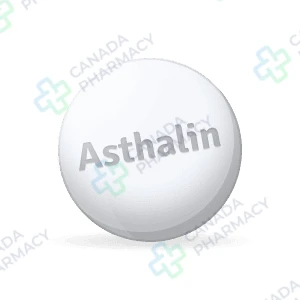
Asthalin
Price range: $ 18,00 through $ 52,00
Active substance: Salbutamol
More Details
This product has multiple variants. The options may be chosen on the product page
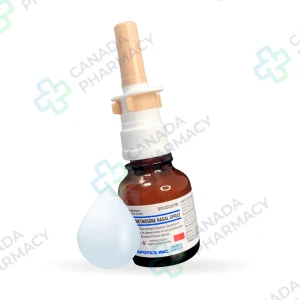
Beclamethasone
Price range: $ 60,00 through $ 205,00
Active substance: Beclomethasone Dipropionate
More Details
This product has multiple variants. The options may be chosen on the product page
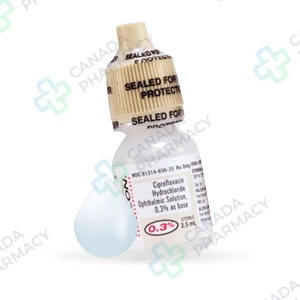
Ciprodex Ophthalmic Solution
Price range: $ 63,00 through $ 95,00
Active substance: Ciprofloxacin, Dexamethasone
More Details
This product has multiple variants. The options may be chosen on the product page
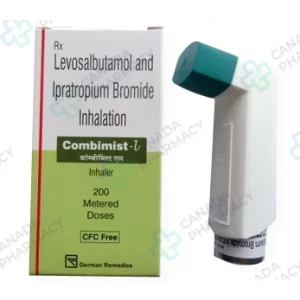
Combivent
Price range: $ 128,00 through $ 384,00
Active substance: albuterol, ipratropium
More Details
This product has multiple variants. The options may be chosen on the product page
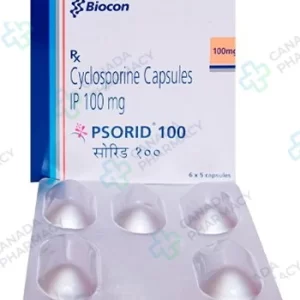
Cyclosporine
Price range: $ 43,00 through $ 216,00
Active substance: Cyclosporine
More Details
This product has multiple variants. The options may be chosen on the product page
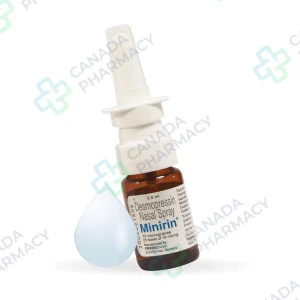
DDAVP spray
Price range: $ 64,00 through $ 412,00
Active substance: Desmopressin acetate
More Details
This product has multiple variants. The options may be chosen on the product page
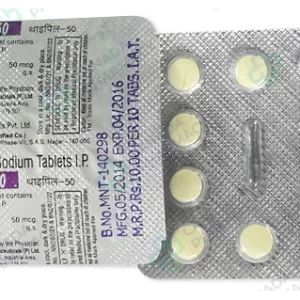
Levothroid
Price range: $ 42,00 through $ 144,00
Active substance: Levothyroxine sodium
More Details
This product has multiple variants. The options may be chosen on the product page