

-13%
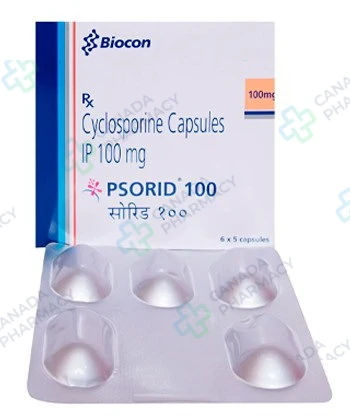

Cyclomune Eye Drops
Price range: $ 13,00 through $ 69,00
Cycrin
Price range: $ 52,00 through $ 347,00
Cyclosporine
Price range: $ 43,00 through $ 216,00
Cyclosporine is a potent immunosuppressive medication designed to manage the body’s immune response in various medical conditions. It is primarily utilized to prevent organ rejection in patients who have undergone kidney, liver, or heart transplants. Beyond transplant care, this medication is effective in treating severe cases of rheumatoid arthritis when other treatments have not provided sufficient relief. It also serves as a critical therapy for managing chronic, disabling plaque psoriasis by reducing skin inflammation and cell turnover. By carefully modulating immune system activity, Cyclosporine helps maintain long-term health and improves the quality of life for individuals with these chronic conditions.
Active substance: Cyclosporine
Delivery: 5–21 days (depending on the shipping method)
Extra 10% discount with coupon: IT4K6SVM
Each dosage option has its own packaging choices.
Description
Cyclosporine: Information for Patients and Caregivers
Cyclosporine belongs to a class of medications known as immunosuppressive agents. It is prescribed primarily to prevent organ rejection following solid organ transplants and to manage specific severe autoimmune conditions under strict medical supervision.
This federal regulatory-compliant summary provides objective medical information regarding the therapeutic properties, potential risks, and safe administration of cyclosporine in the United States.
| Attribute | Details |
|---|---|
| Active Ingredient | Cyclosporine |
| Therapeutic Class | Immunosuppressive Agent (Calcineurin Inhibitor) |
| Prescription Status | Prescription (Rx) only |
| Route of Administration | Oral (capsules, oral solution), Ophthalmic, Intravenous |
| Primary Purpose | Organ transplant rejection prophylaxis; severe autoimmune management |
| Storage Conditions | Controlled room temperature (68°F to 77°F / 20°C to 25°C) |
What It’s Used For
Cyclosporine is an FDA-approved prescription medication indicated for the prevention of organ rejection in kidney, liver, and heart allogeneic transplants. In transplant medicine, it is frequently co-administered with adrenal corticosteroids to suppress the recipient immune response against the donor graft.
In non-transplant medicine, systemic cyclosporine is indicated for the treatment of severe, active, rheumatoid arthritis in patients who have not responded adequately to methotrexate alone. It is also approved for the treatment of severe, recalcitrant, plaque psoriasis in adult non-immunocompromised patients who fail to respond to systemic therapy. Certain other clinical applications, such as severe refractory ulcerative colitis or steroid-resistant nephrotic syndrome, represent off-label indications and must be evaluated on an individual risk-benefit basis by a specialized prescriber.
How the Drug Works
The primary mechanism of action of cyclosporine is the selective inhibition of immunocompetent lymphocytes. Cyclosporine acts as a calcineurin inhibitor. At the cellular level, the drug binds to a specific intracellular receptor protein called cyclophilin, forming a complex that inhibits calcineurin, a calcium- and calmodulin-dependent phosphatase enzyme.
Inhibition of calcineurin phosphatase activity prevents the dephosphorylation and subsequent nuclear translocation of Nuclear Factor of Activated T-cells (NFAT). Consequently, the transcription of genes encoding critical inflammatory cytokines–specifically Interleukin-2 (IL-2)–is blocked. Because IL-2 is necessary for the activation, proliferation, and differentiation of T-lymphocytes, cyclosporine effectively decreases cell-mediated immune responses without substantially causing bone marrow suppression.
What Happens in the Body
The absorption of oral cyclosporine is variable and depends on the specific formulation administered. Modified formulations (microemulsions) provide improved bioequivalence and consistent absorption independent of food or bile secretion compared to non-modified formulations. Peak plasma concentrations (Tmax) are typically achieved between 1.5 and 4 hours after oral administration.
Cyclosporine exhibits high plasma protein binding (approximately 90%), primarily to lipoproteins, and concentrates heavily within red blood cells. Metabolism occurs extensively in the liver via cytochrome P450 3A4 (CYP3A4) enzyme pathways and, to a lesser extent, in the gastrointestinal tract. Elimination is predominantly biliary, with more than 90% excreted through feces and less than 6% excreted unchanged or as metabolites in urine. The terminal elimination half-life ranges from 8 to 24 hours depending on patient physiology and underlying liver function.
Dosing Schedule
Dosing of cyclosporine is individualized based on the specific clinical indication, patient body weight, organ transplant protocol, and measured blood concentrations. Therapeutic drug monitoring (TDM) measuring trough blood levels is standard clinical practice to ensure therapeutic efficacy while minimizing nephrotoxicity and other concentration-dependent adverse events.
Oral formulations must be administered on a consistent schedule relative to time of day and meal intake. Oral liquid solutions should be measured using an accurate dosing syringe and diluted in glass containers with milk, chocolate milk, or orange juice at room temperature immediately prior to administration. Modified and non-modified oral formulations are not bioequivalent and cannot be interchanged without direct prescriber authorization and therapeutic blood level monitoring.
Adverse Reactions
Cyclosporine exhibits a narrow therapeutic index, and adverse reactions are often dose-dependent and reversible upon dose reduction. The most clinically significant toxicities associated with systemic therapy involve renal and vascular systems.
- Renal: Increased serum creatinine and blood urea nitrogen (BUN), acute or chronic nephrotoxicity.
- Cardiovascular: Systemic arterial hypertension.
- Neurological: Tremor, headache, paresthesia, and rarely, reversible posterior leukoencephalopathy syndrome.
- Dermatologic and Mucosal: Hirsutism (excessive hair growth) and gingival hyperplasia (gum enlargement).
- Metabolic: Hyperkalemia, hypomagnesemia, hyperlipidemia, and hyperuricemia.
- Gastrointestinal: Nausea, vomiting, diarrhea, and abdominal discomfort.
Compatibility With Other Medicines
Cyclosporine is subject to extensive drug-drug interactions due to its reliance on CYP3A4 enzymatic metabolism and P-glycoprotein efflux transport. Co-administration with agents that alter these pathways can dramatically alter cyclosporine plasma concentrations.
Enzyme inhibitors increase cyclosporine blood levels, escalating the risk of severe nephrotoxicity and toxicity. Common CYP3A4 inhibitors include azole antifungals (such as ketoconazole and itraconazole), macrolide antibiotics (such as erythromycin and clarithromycin), calcium channel blockers (such as diltiazem and verapamil), and protease inhibitors. Conversely, CYP3A4 inducers decrease cyclosporine concentration, predisposing transplant patients to graft rejection; examples include rifampin, St. John’s Wort, carbamazepine, and phenytoin.
Concomitant administration with other nephrotoxic substances (e.g., nonsteroidal anti-inflammatory drugs [NSAIDs], aminoglycosides, amphotericin B) additive risk for kidney dysfunction. Potassium-sparing diuretics must be avoided or monitored closely due to hyperkalemia risks.
What to Avoid While Taking It
Patients prescribed cyclosporine must strictly avoid consuming grapefruit and grapefruit juice. Compounds in grapefruit inhibit intestinal CYP3A4 enzymes and P-glycoprotein, significantly raising systemic cyclosporine levels and increasing the probability of toxic side effects.
Meal composition should remain consistent from day to day because major changes in dietary fat intake can affect drug absorption characteristics. Alcohol consumption should be limited, as concurrent alcohol use may compound hepatic strain and interact unpredictably with blood pressure control and drug clearance.
If You Skip a Dose
If a dose of cyclosporine is omitted, it should be taken as soon as remembered on the same day. However, if the time is close to the next scheduled dose, the missed dose should be skipped entirely, resuming the regular dosing routine.
Doses must never be doubled to make up for a missed administration. Patients undergoing organ transplant therapy who miss consecutive doses must contact their transplant coordinator or physician immediately to evaluate blood drug levels and avoid graft dysfunction.
Important Precautions
Systemic cyclosporine carries major regulatory box warnings regarding severe potential complications. Immunosuppression increases the risk of developing serious, potentially life-threatening opportunistic infections and secondary malignancies, including lymphomas and skin cancers. Patients should limit exposure to ultraviolet light and direct sunlight.
Regular monitoring of serum creatinine, blood urea nitrogen, blood pressure, lipid profiles, and liver function parameters is mandatory during long-term therapy. Patients with preexisting renal impairment, uncontrolled hypertension, or active infections require special clinical evaluation before starting treatment.
In pregnancy, cyclosporine is used only when the expected benefit justifies the potential risk to the fetus; it crosses the placental barrier. Lactating women should avoid breastfeeding during treatment, as cyclosporine passes into breast milk and poses risks to the nursing infant. Elderly individuals should be dosed cautiously due to an increased baseline frequency of decreased renal or hepatic function.
Red Flags
Certain signs and symptoms indicate acute medical complications that necessitate immediate clinical intervention. Patients and caregivers should remain vigilant for early indicators of severe adverse reactions or toxicity.
| Symptom Category | Red Flag Indicators |
|---|---|
| Infection Signs | Fever over 100.4°F (38°C), chills, persistent sore throat, unusual cough |
| Renal Dysfunction | Sudden drop in urine volume, blood in urine, severe lower back pain |
| Hypertensive Crisis | Severe headache, chest tightness, blurred vision, dizziness |
| Severe Toxicity | Yellowing of eyes or skin (jaundice), severe tremor, sudden mental changes |
| Allergic Reaction | Swelling of face, lips, tongue, or throat; acute difficulty breathing |
Storage and Expiration
Cyclosporine preparations must be stored at controlled room temperature between 68°F and 77°F (20°C to 25°C), with temporary excursions permitted between 59°F and 86°F (15°C to 30°C). Keep medications away from excess light, heat, and moisture.
Oral liquid solutions should not be refrigerated or frozen, as cold temperatures may cause precipitation or phase separation. Once opened, oral solutions must be used within the time frame specified on the product package insert (typically 2 months). Keep all containers tightly sealed and out of the reach of children. Expired or unused medication should be disposed of in accordance with local hazardous medical waste procedures.
Common Questions
Why is routine blood testing necessary while taking cyclosporine?
Routine therapeutic drug monitoring (TDM) measures trough blood concentrations of cyclosporine. Because the window between therapeutic efficacy and serious toxicity (such as nephrotoxicity) is narrow, precise monitoring allows prescribers to adjust dosages accurately based on individual drug clearance rates.
Is modified cyclosporine interchangeable with non-modified cyclosporine?
No, modified and non-modified formulations are not bioequivalent due to differences in absorption mechanics. Switching between formulations requires explicit physician supervision and repeat therapeutic blood monitoring to prevent under-dosing or toxicity.
Can live vaccines be administered during cyclosporine therapy?
Live attenuated vaccines (such as MMR, yellow fever, or live flu vaccines) are generally contraindicated during cyclosporine treatment. The immunosuppressive effect of the drug reduces the body’s immune response and increases the risk of acquiring infection from the live vaccine strain.
How does grapefruit juice alter cyclosporine action?
Grapefruit juice inhibits intestinal CYP3A4 enzymes responsible for breaking down cyclosporine during absorption. This inhibition increases systemic drug bioavailability, leading to elevated blood concentrations and an increased risk of severe toxicity.
What should be done if signs of an infection appear?
Because cyclosporine suppresses cellular immunity, even mild infections can progress rapidly. Patients who develop a fever, chills, sore throat, or persistent cough should notify their prescribing physician or transplant team immediately for prompt evaluation.
In accordance with FDA requirements.
Information on this page is for reference and does not replace an assessment by a licensed healthcare professional.
Additional information
| Dosage |
50 mg ,100 mg |
|---|---|
| Package |
30 caps ,60 caps ,90 caps |
| Ενεργός Ουσία |
Related products
Betadine
Price range: $ 7,00 through $ 12,00
Active substance: Povidone Iodine
More Details
This product has multiple variants. The options may be chosen on the product page
Carbocisteine
Price range: $ 45,00 through $ 65,00
Active substance: Carbocisteine
More Details
This product has multiple variants. The options may be chosen on the product page
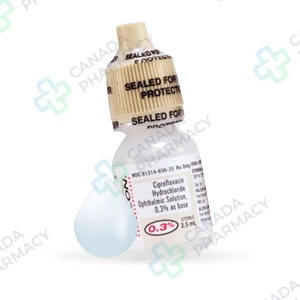
Ciprodex Ophthalmic Solution
Price range: $ 63,00 through $ 95,00
Active substance: Ciprofloxacin, Dexamethasone
More Details
This product has multiple variants. The options may be chosen on the product page
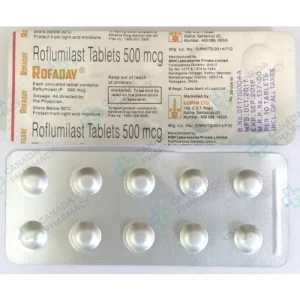
Daliresp
Price range: $ 68,00 through $ 220,00
Active substance: Roflumilast
More Details
This product has multiple variants. The options may be chosen on the product page
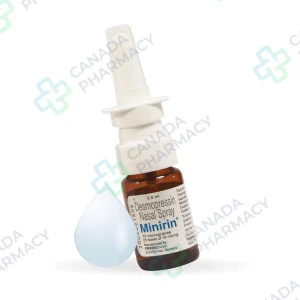
DDAVP spray
Price range: $ 64,00 through $ 412,00
Active substance: Desmopressin acetate
More Details
This product has multiple variants. The options may be chosen on the product page
Didronel
Price range: $ 57,00 through $ 136,00
Active substance: Etidronate
More Details
This product has multiple variants. The options may be chosen on the product page
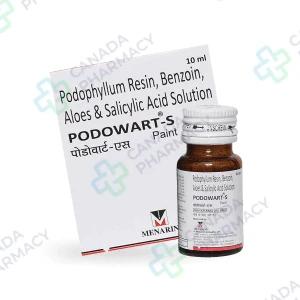
Imusporin
Price range: $ 117,00 through $ 535,00
Active substance: Cyclosporine
More Details
This product has multiple variants. The options may be chosen on the product page
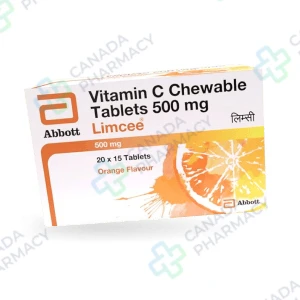
Limcee
Price range: $ 21,00 through $ 39,00
Active substance: Ascorbic Acid
More Details
This product has multiple variants. The options may be chosen on the product page