

-20%


Diclofenac SR
Price range: $ 33,00 through $ 206,00
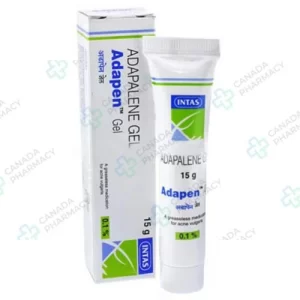
Differin
Price range: $ 48,00 through $ 153,00
Didronel
Price range: $ 57,00 through $ 136,00
Didronel is a specialized bisphosphonate medication designed to regulate bone metabolism and support skeletal integrity. It is primarily used to treat Paget’s disease of the bone by slowing the abnormal rate of bone remodeling. Additionally, this treatment is effective in preventing heterotopic ossification, which is the growth of bone in soft tissues following hip replacement surgery. The medication is also indicated for managing similar bone overgrowth issues in patients who have suffered spinal cord injuries. By stabilizing bone turnover, Didronel helps maintain bone structure and reduces the risk of complications associated with these specific conditions.
Active substance: Etidronate
Delivery: 5–21 days (depending on the shipping method)
Extra 10% discount with coupon: IT4K6SVM
Each dosage option has its own packaging choices.
Description
Didronel belongs to a class of medications known as bisphosphonates, containing the active substance etidronate disodium. It is a prescription oral drug regulated by the United States Food and Drug Administration (FDA) for managing specific metabolic bone disorders characterized by accelerated skeletal remodeling.
The medication plays a primary clinical role in slowing excessive bone turnover, thereby helping to preserve structural integrity and prevent ectopic bone formation. Because dosage regimens must be carefully individualized to avoid impairing normal bone mineralization, therapy should always be managed under direct medical supervision.
| Parameter | Details |
|---|---|
| Active ingredient | Etidronate disodium |
| Therapeutic class | Bisphosphonate (Bone resorption inhibitor) |
| Route of administration | Oral |
| Prescription status | Prescription (Rx only) |
| Primary purpose | Regulation of bone remodeling in Paget’s disease and heterotopic ossification |
| Storage | Store at 20°C to 25°C (68°F to 77°F); excursions permitted to 15°C–30°C (59°F–86°F) |
How the drug works
The active chemical entity in Didronel is etidronate disodium, a synthetic analog of naturally occurring pyrophosphate. The mechanism of action involves physical binding to hydroxyapatite crystals within the bone matrix. Once localized to areas of active skeletal repair, the compound directly inhibits the activity of osteoclasts, which are the specialized cells responsible for bone resorption. By slowing down osteoclast-mediated breakdown, the drug effectively decreases high rate bone turnover back toward physiological levels. At higher therapeutic dosages, etidronate can also exert an inhibitory effect on osteoblast-mediated bone formation and osteoid mineralization, which makes precise clinical dosing essential to prevent localized bone softening.
Main uses
Didronel is FDA-approved for the treatment of symptomatic Paget’s disease of bone (osteitis deformans), a chronic condition where abnormal bone remodeling leads to enlarged and weakened bones. It is also indicated for the prevention and treatment of heterotopic ossification, a medical complication characterized by abnormal bone formation within soft tissues, following total hip replacement surgery or due to severe spinal cord injury. Note that while bisphosphonates as a broader therapeutic class are widely prescribed for postmenopausal osteoporosis, the use of Didronel for osteoporosis is considered off-label in the United States and is generally reserved for specific clinical situations where standard treatments are unsuited.
Dosing schedule
Dosage schedules for Didronel are strictly determined on an individual basis relative to the patient’s body weight, renal function, and underlying condition. For Paget’s disease, the standard starting oral dosage typically ranges between 5 mg/kg and 10 mg/kg per day, taken continuously for a duration not exceeding six months. Higher doses up to 20 mg/kg per day may be prescribed for shorter durations under close clinical monitoring. In heterotopic ossification, treatment protocols are timed specifically surrounding total hip replacement surgery or immediately following spinal trauma. All daily doses must be taken as a single administration with plain water at least two hours before or after consuming any food, beverages, or other medications.
How it’s absorbed and eliminated
The pharmacokinetics of etidronate disodium are marked by low oral bioavailability. Following oral administration, only approximately 1% to 6% of the administered dose is absorbed into systemic circulation under fasting conditions. The presence of food, especially items rich in calcium or other polyvalent cations, reduces gastrointestinal absorption significantly. Once absorbed into the blood, roughly half of the systemic amount rapidly distributes into bone tissue, where it remains incorporated for extended periods due to its high affinity for mineralized bone. The remaining absorbed portion is not metabolized by liver enzymes and is cleared rapidly from plasma by renal filtration, appearing unchanged in the urine. The unabsorbed fraction is excreted entirely via the feces.
Compatibility with other medicines
Didronel exhibits significant pharmacokinetic interactions with substances containing polyvalent cations, such as calcium, magnesium, aluminum, and iron. Antacids, mineral supplements, and calcium-fortified products form insoluble complexes with etidronate in the digestive tract, preventing systemic absorption. Consequently, any such products must be administered at least two hours apart from Didronel. Caution is also required when co-administering with other bone-active drugs or nephrotoxic agents that could compromise renal clearing capabilities. Healthcare providers should review all co-prescribed prescription and over-the-counter medications before therapy initiation.
Adverse reactions
The safety profile of Didronel includes gastrointestinal, musculoskeletal, and systemic adverse events. The most frequent clinical side effects involve the upper gastrointestinal tract, including nausea, diarrhea, abdominal cramps, flatulence, and dyspepsia. Esophageal irritation or superficial ulceration may occur if tablets are consumed without adequate liquid or immediately prior to lying down. Patients with Paget’s disease may experience a temporary increase in bone pain during the initial weeks of treatment, which usually subsides over time. At elevated doses or extended treatment durations, secondary hyperphosphatemia or inhibition of normal bone mineralization (osteomalacia) may develop, necessitating regular monitoring of serum phosphate and radiographic findings.
Important precautions
Didronel is contraindicated in patients with known hypersensitivity to any bisphosphonate or with severe renal impairment (creatinine clearance under 30 mL/min). Because prolonged continuous therapy can impair bone mineralization, dosing schedules must adhere strictly to recommended treatment intervals, followed by drug-free rest periods. Rare but serious risks associated with the bisphosphonate class include osteonecrosis of the jaw (ONJ) and atypical subtrochanteric or diaphyseal femoral fractures. Patients should maintain good oral hygiene and undergo regular dental examinations. Didronel should be used during pregnancy or lactation only if the potential therapeutic benefit clearly justifies the potential risk to the fetus or infant.
Food and alcohol interactions
Food severely impairs the gastrointestinal absorption of Didronel. Patients must refrain from eating food or drinking any beverages other than plain water for at least two hours before and two hours after taking their daily tablet. Dairy products, such as milk, yogurt, and cheese, are rich in calcium and must be strictly avoided during this window. Alcohol consumption should be kept minimal, as excessive alcohol intake can negatively alter bone density dynamics and exacerbate gastrointestinal mucosal irritation.
If you skip a dose
If a dose of Didronel is missed, it should be taken as soon as remembered, provided that a strict two-hour fast from food and beverages can be maintained. If it is nearly time for the next scheduled dose, the missed dose should be skipped entirely, and the normal dosing schedule resumed. Patients should never double a dose or take extra tablets to compensate for a missed administration, as this increases the likelihood of acute gastrointestinal distress.
Practical tips
To reduce the risk of esophageal irritation and ensure optimal absorption, swallow the tablet whole with a full 6-to-8-ounce glass of plain water. Do not chew, crush, or suck on the tablet. Patients must remain upright (sitting or standing) for at least 30 minutes after taking the drug to assist transit into the stomach. Establishing a consistent daily routine, such as taking the medication first thing in the morning two hours before breakfast, helps maintain compliance and proper absorption guidelines.
Storage and expiration
Store Didronel tablets at controlled room temperature, ideally between 20°C and 25°C (68°F to 77°F), with temporary excursions permitted between 15°C and 30°C (59°F to 86°F). Protect the container from excessive heat, moisture, and direct light exposure. Store the bottle tightly closed in a secure place out of the reach and sight of children. Unused or expired medication should be disposed of safely according to local pharmaceutical waste guidelines rather than flushed down domestic drains.
Common questions
How long does a standard course of treatment with Didronel last?
The length of treatment depends directly on the indication being treated. For Paget’s disease, a typical continuous oral course lasts between 3 and 6 months, after which therapy is paused to assess clinical response and allow normal bone mineralization. Treatment for heterotopic ossification typically spans 3 months to 6 months surrounding surgical or traumatic events. Repeat courses are initiated only after evidence of renewed disease activity is documented.
Is Didronel used to treat postmenopausal osteoporosis?
Didronel is not explicitly FDA-approved for postmenopausal osteoporosis in the United States, although it belongs to the bisphosphonate class widely used for bone density preservation. Any use of Didronel for osteoporosis constitutes an off-label prescription. Newer bisphosphonates with different dosing protocols are generally preferred for osteoporosis management based on current clinical practice guidelines.
What should I do if I experience heartburn after taking Didronel?
New or worsening heartburn, difficulty swallowing, or retrosternal pain can indicate esophageal irritation caused by bisphosphonate therapy. Patients experiencing these symptoms should stop taking the medication and contact their prescribing physician promptly for guidance. Ensuring that tablets are swallowed with a full glass of water while remaining upright for 30 minutes helps minimize this risk.
Can Didronel be taken with morning coffee or fruit juice?
No, Didronel must be taken exclusively with plain tap or bottled water. Coffee, tea, fruit juices, and mineral waters contain dissolved minerals, ions, or acidic compounds that bind the drug and significantly lower its bioavailability. Consuming any beverage other than plain water within the two-hour window before or after dosing prevents the drug from absorbing correctly.
Why is renal function monitored during Didronel treatment?
Renal monitoring is essential because etidronate disodium is cleared unchanged from the systemic circulation by the kidneys. If kidney clearance is impaired, systemic accumulation of the drug can occur, increasing the risk of adverse events such as osteomalacia and electrolyte imbalances like hyperphosphatemia. Routine blood tests evaluate renal clearance parameters before and during extended therapy courses.
This text is for informational purposes only and does not constitute individual medical advice. In accordance with FDA requirements.
Additional information
| Dosage |
200 mg |
|---|---|
| Package |
30 tabs ,60 tabs ,90 tabs |
| Ενεργός Ουσία |
Related products

Asthalin
Price range: $ 18,00 through $ 52,00
Active substance: Salbutamol
More Details
This product has multiple variants. The options may be chosen on the product page
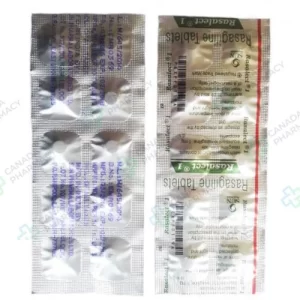
Azilect
Price range: $ 17,00 through $ 46,00
Active substance: Rasagiline
More Details
This product has multiple variants. The options may be chosen on the product page
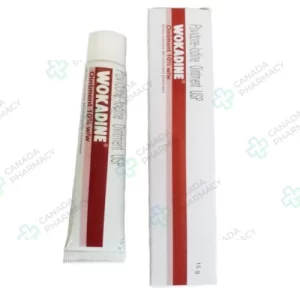
Betadine
Price range: $ 7,00 through $ 12,00
Active substance: Povidone Iodine
More Details
This product has multiple variants. The options may be chosen on the product page

Carbocisteine
Price range: $ 45,00 through $ 65,00
Active substance: Carbocisteine
More Details
This product has multiple variants. The options may be chosen on the product page

Daliresp
Price range: $ 68,00 through $ 220,00
Active substance: Roflumilast
More Details
This product has multiple variants. The options may be chosen on the product page

DDAVP spray
Price range: $ 64,00 through $ 412,00
Active substance: Desmopressin acetate
More Details
This product has multiple variants. The options may be chosen on the product page

Deflazacort
Price range: $ 18,00 through $ 170,00
Active substance: Deflazacort
More Details
This product has multiple variants. The options may be chosen on the product page

Imusporin
Price range: $ 117,00 through $ 535,00
Active substance: Cyclosporine
More Details
This product has multiple variants. The options may be chosen on the product page