

-33%
Decadron
Price range: $ 12,00 through $ 182,00
Deltasone
Price range: $ 47,00 through $ 296,00
Deflazacort
Price range: $ 18,00 through $ 170,00
Deflazacort is a potent corticosteroid medication designed to reduce inflammation and manage various autoimmune conditions. It is primarily utilized to treat Duchenne muscular dystrophy, helping to improve muscle strength and slow the progression of physical disability. The drug works by modulating the body’s immune response, which effectively minimizes swelling and protects healthy tissues from damage. Beyond muscular disorders, it is often employed to manage severe allergic reactions, asthma, and chronic inflammatory joint diseases. This medication offers a reliable therapeutic option for individuals seeking to enhance their quality of life through effective symptom control.
Active substance: Deflazacort
Delivery: 5–21 days (depending on the shipping method)
Extra 10% discount with coupon: IT4K6SVM
Each dosage option has its own packaging choices.
Description
Deflazacort belongs to a class of synthetic medications known as systemic corticosteroids. It is an oxazoline derivative of prednisolone engineered to exhibit anti-inflammatory and immunosuppressive characteristics. In the United States, deflazacort is classified as a prescription-only (Rx) medication regulated by the Food and Drug Administration (FDA).
As a systemic glucocorticoid, deflazacort is indicated primarily for specific neuromuscular and chronic inflammatory conditions. Treatment regimens must be initiated and closely monitored by a licensed healthcare professional due to the potential for systemic corticosteroid effects and hypothalamic-pituitary-adrenal axis suppression.
| Parameter | Specification |
|---|---|
| Active ingredient | Deflazacort |
| Therapeutic class | Adrenal corticosteroid / Glucocorticoid |
| Prescription status | Prescription (Rx) only |
| Route of administration | Oral (tablets, oral suspension) |
| Primary purpose | Management of Duchenne muscular dystrophy (DMD) |
Main uses
The primary FDA-approved indication for deflazacort in the United States is the treatment of Duchenne muscular dystrophy (DMD) in patients 2 years of age and older. Duchenne muscular dystrophy is a rare, genetic neuromuscular disorder characterized by progressive muscle degeneration and weakness. Clinical evaluation demonstrates that deflazacort helps slow the decline of muscle strength and functional capacity in individuals diagnosed with this condition.
In certain clinical settings, healthcare prescribers may evaluate deflazacort off-label for other severe inflammatory or autoimmune conditions. Any off-label use is determined on an individual basis by a medical specialist, as official FDA labeling is restricted to specific approved clinical indications. Deflazacort is not indicated for acute minor inflammatory conditions or self-limiting symptoms.
How the drug works
Deflazacort is a prodrug that possesses no significant intrinsic pharmacological activity until it undergoes biotransformation in the body. Upon oral administration, it is rapidly converted to its active metabolite, 21-desacetyl-deflazacort. This active molecule binds to glucocorticoid receptors located within target cells throughout various tissues.
The ligand-receptor complex translocates into the cell nucleus, where it modulates gene transcription. This process suppresses the production of pro-inflammatory cytokines, chemokines, and inflammatory enzymes such as phospholipase A2. Additionally, deflazacort inhibits the migration of polymorphonuclear leukocytes and decreases capillary permeability. In patients with Duchenne muscular dystrophy, these anti-inflammatory and immunosuppressive actions reduce muscle fiber necrosis and associated chronic inflammation within muscle tissue.
How it’s absorbed and eliminated
Following oral administration, deflazacort is absorbed rapidly and completely from the gastrointestinal tract. Plasma esterases rapidly convert deflazacort into its pharmacologically active metabolite, 21-desacetyl-deflazacort. Peak plasma concentrations of the active metabolite are typically achieved within 1.5 to 2 hours post-dose when taken in a fasting state.
The active metabolite displays approximately 40% binding to human plasma proteins. Metabolism occurs predominantly in the liver via the cytochrome P450 enzyme system, specifically involving the CYP3A4 pathway. Elimination of inactive metabolites occurs primarily through renal excretion in urine (around 70%), with the remainder excreted in feces. The plasma elimination half-life of 21-desacetyl-deflazacort ranges between 1.1 and 2 hours in individuals with normal metabolic function.
Dosing schedule
Dosing of deflazacort must be individualized by the prescribing physician, calculated based on the patient’s precise body weight. The standard recommended target dosage for Duchenne muscular dystrophy is approximately 0.9 mg/kg once daily. Deflazacort is available in oral tablet formulations and as an oral suspension for patients who have difficulty swallowing solid dosage forms.
Tablets may be taken with or without food. The oral suspension must be shaken thoroughly before measuring every dose, using the calibrated oral syringe provided by the pharmacy. Doses may be increased or adjusted during periods of physiological stress, such as major surgery, severe infection, or severe trauma. Abrupt cessation of deflazacort therapy is strictly contraindicated; medication withdrawal must be conducted through a gradual dose-tapering schedule under direct medical supervision to prevent acute adrenal crisis.
What to avoid while taking it
Dietary considerations are important during deflazacort therapy. Patients should avoid grapefruit and grapefruit juice, as compounds in grapefruit inhibit CYP3A4 intestinal enzymes. This inhibition can significantly increase systemic exposure to the active metabolite, escalating the risk of toxic side effects. Sodium intake should be controlled, as glucocorticoids promote sodium retention and potassium excretion.
Alcohol consumption should be discussed with the healthcare provider. Concurrent intake of alcohol and systemic corticosteroids increases the risk of gastrointestinal mucosal irritation and ulceration. Patients should also avoid close contact with individuals suffering from contagious viral infections, such as varicella (chickenpox) or measles, due to deflazacort-induced immunosuppression.
Compatibility with other medicines
Deflazacort exhibits interactions with drugs that modulate metabolic enzymes or alter physiological responses:
- CYP3A4 Inhibitors: Co-administration with strong or moderate CYP3A4 inhibitors (e.g., ketoconazole, clarithromycin, erythromycin, diltiazem) increases plasma concentrations of 21-desacetyl-deflazacort. A dosage reduction of deflazacort may be required.
- CYP3A4 Inducers: Concomitant use of potent CYP3A4 inducers (e.g., rifampin, carbamazepine, phenytoin, phenobarbital, St. John’s wort) enhances metabolism, leading to reduced deflazacort efficacy. Dosage adjustments may be necessary.
- Vaccines: Administration of live or live-attenuated vaccines during deflazacort treatment is contraindicated due to impaired immune response and potential infection risk. Inactivated vaccines may be administered, though antibody response may be diminished.
- NSAIDs and Anticoagulants: Combining deflazacort with nonsteroidal anti-inflammatory drugs (NSAIDs) increases gastrointestinal toxicity risks. Concurrent use with warfarin or other anticoagulants requires regular monitoring of international normalized ratio (INR) levels.
Adverse reactions
Systemic corticosteroid therapy affects multiple physiological systems. Common adverse reactions reported during deflazacort clinical trials include:
- Cushingoid appearance (facial rounding or “moon face”, central obesity)
- Increased appetite and weight gain
- Upper respiratory tract infections and nasopharyngitis
- Erythema, hypertrichosis (excessive hair growth), and skin striae
- Irritability, mood swings, or behavioral alterations
- Glucose intolerance and elevated blood glucose levels
Long-term administration carries risks of systemic complications, including decreased bone mineral density (osteopenia/osteoporosis), growth delay in pediatric patients, posterior subcapsular cataracts, increased intraocular pressure, hypertension, and suppression of the hypothalamic-pituitary-adrenal (HPA) axis.
Important precautions
Systemic corticosteroids suppress immune function, increasing susceptibility to bacterial, fungal, viral, protozoal, or helminthic infections. Infection signs may be masked during therapy. Prolonged use of deflazacort induces HPA axis suppression; secondary adrenal insufficiency may persist for months after treatment withdrawal.
Special Populations:
- Pediatric Use: Regular monitoring of linear growth, body mass index, and bone mineral density is required. Corticosteroids may cause growth retardation in children.
- Pregnancy: Deflazacort should be used during pregnancy only if the potential benefit justifies the potential risk to the fetus. Infants born to mothers receiving corticosteroids should be monitored for hypoadrenalism.
- Nursing Mothers: Corticosteroids are excreted in human milk. A decision should be made whether to discontinue nursing or discontinue the drug, taking into account the drug’s importance to the mother.
- Geriatric Use: Elderly patients have a higher frequency of decreased hepatic, renal, or cardiac function, and concomitant disease; risk of osteoporosis and hypertension should be evaluated.
Red flags
Certain clinical signs mandate immediate medical evaluation. Patients and caregivers must monitor for severe adverse events that require urgent attention.
| Clinical Warning Sign | Potential Complication |
|---|---|
| Swelling of face, lips, tongue, or severe dyspnea | Hypersensitivity / Anaphylactic reaction |
| Fever, persistent sore throat, or unhealing wounds | Severe systemic infection |
| Severe abdominal pain, black or tarry stools | Gastrointestinal ulceration or hemorrhage |
| Sudden vision changes, eye pain, or halos around lights | Ocular hypertension, glaucoma, or cataracts |
| Extreme fatigue, weakness, dizziness upon standing, vomiting | Acute adrenal crisis / HPA suppression |
| Significant mood alterations, severe depression, or psychosis | Corticosteroid-induced psychiatric reaction |
If you skip a dose
If a dose of deflazacort is missed, it should be taken as soon as it is remembered on the same day. If it is nearly time for the next scheduled dose, the missed dose should be skipped entirely, and the regular dosing schedule resumed. Patients should not take a double dose or additional medicine to make up for a missed dose. If several consecutive doses are missed, the treating physician must be contacted promptly to determine safe management and prevent potential withdrawal symptoms.
Storage and expiration
Deflazacort tablets and oral suspension should be stored at controlled room temperature between 68°F and 77°F (20°C to 25°C), with excursions permitted between 59°F and 86°F (15°C to 30°C). Keep the product in its original container, securely closed, and protected from excessive heat, light, and moisture. Do not store in bathrooms or near sinks. Discard any unused oral suspension after the discard period specified in the official patient information leaflet. Keep all medications out of the reach of children and pets.
Frequently asked questions
How does deflazacort differ structurally from older corticosteroids like prednisone?
Deflazacort is an oxazoline derivative of prednisolone. The introduction of the oxazoline ring alters its metabolic profile and receptor affinity. Clinical studies indicate that while its anti-inflammatory efficacy is comparable to other systemic corticosteroids, deflazacort may exhibit a relatively favorable profile regarding carbohydrate metabolism and bone mineral loss, though corticosteroid-related systemic risks remain present.
Can live vaccines be administered to patients taking deflazacort?
No. Live or live-attenuated vaccines should not be administered during deflazacort therapy. Because deflazacort suppresses systemic immune responses, live virus vaccines pose a risk of developing vaccine-derived infection. Inactivated or subunit vaccines may be administered, but the resulting immune protection may be diminished.
Why is it dangerous to stop taking deflazacort suddenly?
Exogenous corticosteroid administration suppresses endogenous cortisol production by the adrenal glands via HPA-axis feedback. Sudden discontinuation leaves the body unable to synthesize necessary stress hormones, potentially leading to acute adrenal insufficiency–a life-threatening condition characterized by severe hypotension, electrolyte imbalances, and shock. Tapering must always be planned by a prescriber.
Is routine blood glucose monitoring necessary while taking deflazacort?
Yes. Glucocorticoids increase hepatic gluconeogenesis and decrease peripheral glucose utilization, which can lead to hyperglycemia or uncover latent diabetes mellitus. Physicians routinely monitor blood or urine glucose levels, especially in patients with pre-existing metabolic conditions or during prolonged high-dose therapy.
How should growth be monitored in pediatric patients receiving deflazacort?
Pediatric patients undergoing long-term deflazacort treatment must have their height and weight tracked at regular clinical visits using standardized growth charts. If growth velocity decreases, the physician will evaluate the treatment plan, weigh therapeutic benefits against growth suppression risks, and adjust the dosage schedule if clinically appropriate.
In accordance with FDA regulatory guidelines.
This text is for informational purposes only and does not constitute individual medical advice.
Additional information
| Dosage |
1 mg ,6 mg ,12 mg ,18 mg ,24 mg ,30 mg |
|---|---|
| Package |
6 pills ,12 pills ,24 pills ,30 pills ,48 pills ,60 pills ,90 pills ,120 pills ,180 pills |
| Ενεργός Ουσία |
Related products
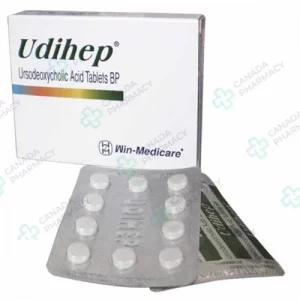
Actigall
Price range: $ 60,00 through $ 521,00
Active substance: Ursodiol
More Details
This product has multiple variants. The options may be chosen on the product page
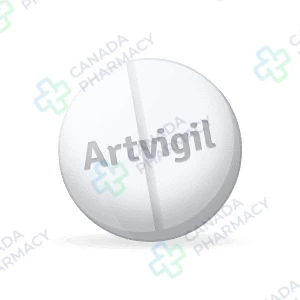
Artvigil
Price range: $ 65,00 through $ 398,00
Active substance: Armodafinil
More Details
This product has multiple variants. The options may be chosen on the product page
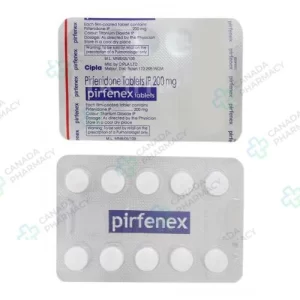
Esbriet
Price range: $ 100,00 through $ 328,00
Active substance: Pirfenidone
More Details
This product has multiple variants. The options may be chosen on the product page
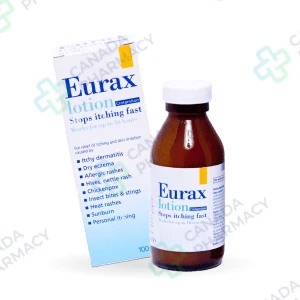
Eurax Lotion
Price range: $ 3,00 through $ 15,00
Active substance: Crotamiton
More Details
This product has multiple variants. The options may be chosen on the product page

Folic Acid
Price range: $ 6,00 through $ 18,00
Active substance: Folic Acid
More Details
This product has multiple variants. The options may be chosen on the product page
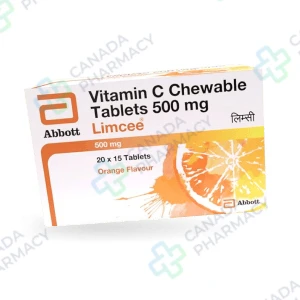
Limcee
Price range: $ 21,00 through $ 39,00
Active substance: Ascorbic Acid
More Details
This product has multiple variants. The options may be chosen on the product page
Neurobion Forte Injection
Price range: $ 24,00 through $ 43,00
More Details
This product has multiple variants. The options may be chosen on the product page