-18%
Erythromycin
Price range: $ 49,00 through $ 242,00
Estrace
Price range: $ 53,00 through $ 384,00
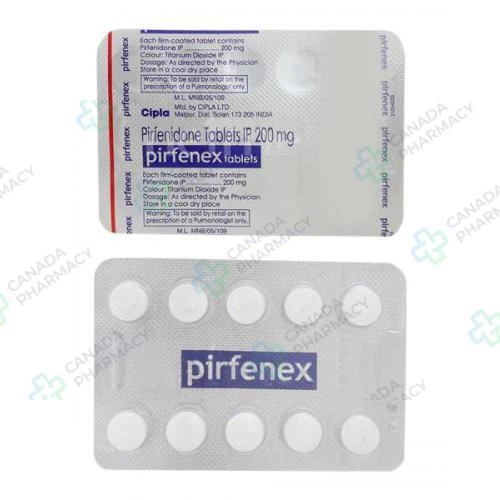
Esbriet
Price range: $ 100,00 through $ 328,00
Esbriet is an oral medication specifically indicated for the treatment of idiopathic pulmonary fibrosis (IPF) in adults. This medication works as an antifibrotic agent to help reduce the progression of lung scarring and inflammation. By slowing down the decline in lung function, Esbriet helps patients manage the long-term impact of this chronic respiratory condition. The treatment is available in capsule or tablet form to provide consistent support for respiratory health and stability. Regular use of Esbriet aims to improve the quality of life for individuals living with the challenges of pulmonary fibrosis.
Active substance: Pirfenidone
Delivery: 5–21 days (depending on the shipping method)
Extra 10% discount with coupon: IT4K6SVM
Each dosage option has its own packaging choices.
Description
Esbriet belongs to a class of medications known as pyridones, specifically formulated as an orally active antifibrotic agent. It is an FDA-approved prescription medication indicated for the treatment of idiopathic pulmonary fibrosis (IPF). Prescribing and administration are conducted under medical supervision in accordance with applicable federal regulations.
Idiopathic pulmonary fibrosis is a chronic, progressive lung disorder characterized by the gradual scarring of lung tissue. Esbriet is intended to help slow the decline of lung function in individuals diagnosed with this condition. Treatment management requires ongoing clinical evaluation, including baseline and routine laboratory monitoring.
Key Overview and Specifications
| Active ingredient | Pirfenidone |
| Therapeutic class | Antifibrotic agent |
| Dosage form | Oral capsules, oral tablets |
| Route of administration | Oral |
| Prescription status | Prescription (Rx) only |
| Primary purpose | Treatment of idiopathic pulmonary fibrosis (IPF) |
| Dosing requirement | Must be taken with food |
Detailed Clinical Guidance
How the Drug Works
The mechanism of action of Esbriet is not fully understood, but it exhibits both antifibrotic and anti-inflammatory properties in chemical and biological models. The drug acts by inhibiting the synthesis of pro-fibrotic cytokines, particularly transforming growth factor-beta (TGF-beta), which plays a key role in the proliferation of fibroblasts and extracellular matrix deposition. Additionally, Esbriet downregulates the production of inflammatory mediators such as tumor necrosis factor-alpha (TNF-alpha) and interleukin-1-beta. By dampening these cellular cascades, the drug helps attenuate the progressive accumulation of fibrotic tissue within the parenchyma of the lungs, thereby reducing the rate at which lung function degrades over time.
Main Uses
Esbriet is explicitly indicated for the treatment of idiopathic pulmonary fibrosis (IPF). IPF is a specific form of chronic, progressive fibrosing interstitial pneumonia of unknown cause, occurring primarily in older adults. The medication is prescribed to preserve forced vital capacity (FVC) and slow disease progression. If a healthcare provider evaluates the use of Esbriet for other non-IPF interstitial lung diseases or fibrotic disorders, such applications represent off-label use. Off-label use must only occur under the direct direction of a qualified pulmonologist who has assessed the potential risks and clinical rationale for the individual patient.
Dosing Schedule
The initial dosage of Esbriet is established through a strict 14-day titration schedule to minimize gastrointestinal adverse effects. Treatment starts on Days 1 through 7 with a dose of 267 mg taken orally three times daily with food, yielding a total daily dose of 801 mg. On Days 8 through 14, the dose increases to 534 mg three times daily with food, totaling 1602 mg per day. From Day 15 onward, the maintenance dosage is 801 mg three times daily with meals, amounting to a maximum total daily dose of 2403 mg. Taking the medication with food significantly reduces the incidence of nausea and dizziness. Dosage modifications or temporary interruptions may be required if severe adverse reactions or liver enzyme elevations occur.
What Happens in the Body
The pharmacokinetics of Esbriet involve rapid oral absorption, with peak plasma concentrations reached within 30 minutes to 4 hours after administration under fasting conditions. Administration with food decreases both the rate and extent of absorption, reducing peak concentration (Cmax) by approximately 36% and delaying the time to peak concentration (Tmax), which improves gastrointestinal tolerability. The drug is approximately 58% bound to human plasma proteins, primarily to serum albumin. Metabolism takes place predominantly in the liver via the cytochrome P450 1A2 (CYP1A2) enzyme pathway, with minor contributions from CYP2C9, CYP2C19, CYP2D6, and CYP3A4. Approximately 80% of an administered dose is cleared via renal excretion within 24 hours, primarily converted to the inactive 5-carboxy-pirfenidone metabolite.
What Not to Combine
Drug interactions with Esbriet primarily revolve around agents that alter CYP1A2 activity. Co-administration with strong CYP1A2 inhibitors, such as fluvoxamine or enoxacin, significantly increases systemic exposure to pirfenidone and is not recommended; if strong inhibitors cannot be avoided, dosage reduction is required. Moderate CYP1A2 inhibitors, including ciprofloxacin, can also elevate blood levels of Esbriet, necessitating caution and potential dose adjustments. Conversely, agents that induce CYP1A2 activity, such as rifampin, can substantially decrease pirfenidone plasma concentrations, potentially diminishing therapeutic efficacy. Cigarette smoking induces CYP1A2 hepatic enzymes, increasing drug clearance and reducing exposure; patients must stop smoking prior to and during therapy.
Adverse Reactions
The side effect profile of Esbriet includes gastrointestinal, dermatologic, and systemic reactions. Frequently reported adverse events include nausea, diarrhea, dyspepsia, abdominal pain, gastroesophageal reflux disease, and vomiting. Dermatologic events primarily involve photosensitivity reactions, skin rash, pruritus, and dry skin. Systemic effects such as fatigue, anorexia, decreased appetite, weight loss, insomnia, and dizziness may also occur. Elevated hepatic transaminases–specifically alanine aminotransferase (ALT) and aspartate aminotransferase (AST)–and serum bilirubin have been documented during treatment. Severe skin reactions, including Stevens-Johnson syndrome, represent rare but serious risks requiring immediate clinical intervention.
Before You Take It
Important precautions must be observed prior to starting and throughout the duration of Esbriet therapy. Baseline liver function tests (ALT, AST, and bilirubin) are mandatory before initiating treatment, followed by monthly monitoring for the first 6 months, and every 3 months thereafter. Patients with severe hepatic impairment or end-stage renal disease requiring dialysis should not take this medication. Photosensitivity warnings require patients to apply sunblock (SPF 50 or higher), wear protective clothing, and avoid direct sunlight or tanning lamps. Healthcare providers must evaluate pre-existing hepatic disease, concurrent prescription medications, and overall health status before initiating therapy.
What to Avoid While Taking It
Patients receiving Esbriet should avoid exposure to direct sunlight and ultraviolet radiation. Drinking grapefruit juice is discouraged due to potential inhibition of intestinal and hepatic metabolic pathways that could alter drug absorption and clearance. Alcohol intake should be limited or avoided to reduce potential cumulative hepatotoxicity. Additionally, patients should avoid taking over-the-counter medications or herbal supplements that influence liver enzymes without consulting their treating clinician or pharmacist.
Signs of Improvement
Evaluating the clinical effect of Esbriet relies on objective objective medical parameters rather than immediate symptomatic changes. Esbriet does not cure idiopathic pulmonary fibrosis, nor does it restore previously damaged lung tissue. Instead, treatment efficacy is defined by a stabilization or a decreased rate of decline in forced vital capacity (FVC) measured during periodic spirometry and pulmonary function tests. Patients may not feel a noticeable physical change, making consistent compliance and regular follow-up appointments with a pulmonologist essential.
If You Skip a Dose
If a dose of Esbriet is missed, the patient should take the next scheduled dose at the regular time with food. Double doses must never be taken to make up for a missed dose. If treatment is interrupted for 14 or more consecutive days, patients must not simply resume their maintenance dose; therapy must be restarted by repeating the initial 14-day titration schedule under the guidance of a physician to prevent severe gastrointestinal intolerance.
Storage and Expiry
Esbriet should be stored at controlled room temperature between 25°C (77°F), with excursions permitted between 15°C and 30°C (59°F to 86°F). Store the medication in its original bottle or blister package to protect it from excessive light, heat, and moisture. Keep the container tightly closed and out of reach of children. Unused or expired medication must be disposed of according to local pharmaceutical disposal programs or federal FDA flush/take-back guidelines.
Frequently Asked Questions
Why is routine blood testing necessary while taking Esbriet?
Routine blood tests monitor liver function enzymes (ALT, AST, and bilirubin). Because Esbriet can cause elevations in liver enzymes that may indicate hepatic stress or injury, regular monitoring allows healthcare providers to detect potential liver toxicity early and adjust or pause therapy appropriately.
How does sun exposure affect treatment with Esbriet?
Esbriet increases skin sensitivity to ultraviolet light, significantly raising the risk of photosensitivity rash and severe sunburns. Patients must wear broad-spectrum sunscreen, protective clothing, and wide-brimmed hats, while avoiding exposure to direct sunlight and artificial UV light like tanning beds.
Can cigarette smoking alter how Esbriet works in the body?
Yes. Cigarette smoking induces the liver enzyme CYP1A2, which increases the rate at which the body breaks down and eliminates Esbriet. This reduces the concentration of the medication in the bloodstream and lowers its clinical effectiveness. Patients are strongly advised to stop smoking before starting therapy.
What should happen if treatment is paused for several weeks?
If Esbriet is discontinued for 14 or more consecutive days, the body loses tolerance to the maintenance dose. Patients must contact their doctor to restart treatment using the initial 14-day dose titration schedule rather than resuming the full maintenance dose immediately.
This text is for informational purposes only and does not constitute individual medical advice. In accordance with FDA requirements.
Additional information
| Dosage |
200 mg |
|---|---|
| Package |
30 pills ,60 pills ,90 pills ,120 pills |
| Ενεργός Ουσία |
Related products
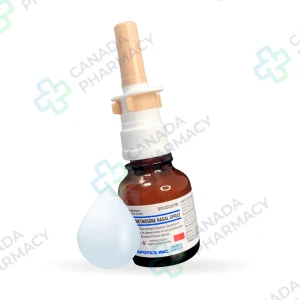
Beclamethasone
Price range: $ 60,00 through $ 205,00
Active substance: Beclomethasone Dipropionate
More Details
This product has multiple variants. The options may be chosen on the product page
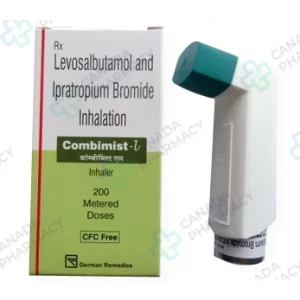
Combivent
Price range: $ 128,00 through $ 384,00
Active substance: albuterol, ipratropium
More Details
This product has multiple variants. The options may be chosen on the product page
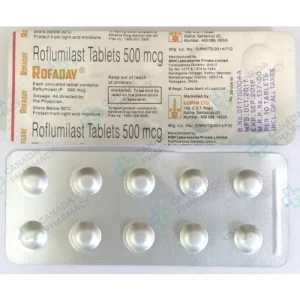
Daliresp
Price range: $ 68,00 through $ 220,00
Active substance: Roflumilast
More Details
This product has multiple variants. The options may be chosen on the product page
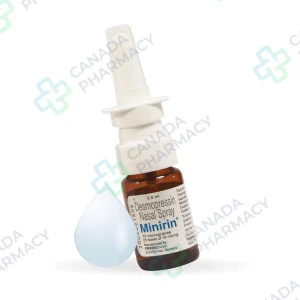
DDAVP spray
Price range: $ 64,00 through $ 412,00
Active substance: Desmopressin acetate
More Details
This product has multiple variants. The options may be chosen on the product page
Ethionamide
Price range: $ 49,00 through $ 172,00
Active substance: Ethionamide
More Details
This product has multiple variants. The options may be chosen on the product page
Folic Acid
Price range: $ 6,00 through $ 18,00
Active substance: Folic Acid
More Details
This product has multiple variants. The options may be chosen on the product page
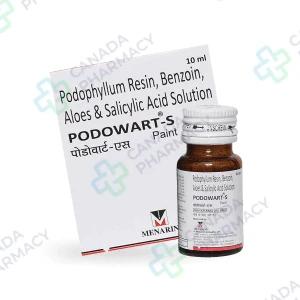
Imusporin
Price range: $ 117,00 through $ 535,00
Active substance: Cyclosporine
More Details
This product has multiple variants. The options may be chosen on the product page