

-24%
Eriacta
Price range: $ 62,00 through $ 427,00
Esbriet
Price range: $ 100,00 through $ 328,00
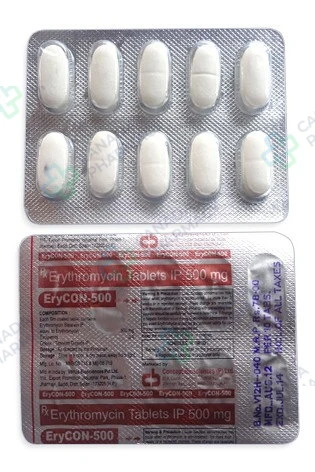
Erythromycin
Price range: $ 49,00 through $ 242,00
Erythromycin is a versatile macrolide antibiotic proven to treat a wide range of bacterial infections effectively. It is commonly used for respiratory conditions such as bronchitis and pneumonia, as well as various skin and soft tissue infections. The medication functions by inhibiting the synthesis of essential proteins, which stops the growth of harmful bacteria. It is also an established treatment for specific conditions like diphtheria, pertussis, and certain types of intestinal infections. This broad-spectrum antibiotic remains a reliable choice for managing multiple susceptible microbial strains.
Active substance: Erythromycin
Delivery: 5–21 days (depending on the shipping method)
Extra 10% discount with coupon: IT4K6SVM
Each dosage option has its own packaging choices.
Description
Erythromycin: Information for Patients and Caregivers
Erythromycin belongs to a group of medicines called macrolide antibiotics, which are used to treat a wide range of bacterial infections. It is a prescription medication regulated by the U.S. Food and Drug Administration (FDA) for specific bacterial conditions in pediatric and adult patients.
Understanding the pharmacological characteristics, appropriate dosage schedules, and potential drug interactions of erythromycin is essential for safe and effective therapy. Patients should use this drug strictly as prescribed by a licensed healthcare provider in accordance with applicable federal and state regulations.
| Parameter | Details |
|---|---|
| Active Ingredient | Erythromycin |
| Therapeutic Class | Macrolide Antibacterial |
| Prescription Status | Prescription (Rx) only |
| Route of Administration | Oral (tablets, capsules, suspension), Topical, Ophthalmic, Intravenous |
| Primary Purpose | Treatment of susceptible bacterial infections |
| Mechanism of Action | Inhibits bacterial protein synthesis by binding to the 50S ribosomal subunit |
How the drug works
The mechanism of action of erythromycin relies on its ability to inhibit protein synthesis in susceptible microorganisms. It binds reversibly to the 50S ribosomal subunit of the bacterial ribosome, blocking transpeptidation and translocation reactions necessary for peptide chain elongation. This action is primarily bacteriostatic, preventing bacterial replication and growth. At higher drug concentrations or against highly susceptible organisms, erythromycin may exert bactericidal activity. Its spectrum covers Gram-positive cocci such as Streptococcus pneumoniae and Streptococcus pyogenes, as well as atypical pathogens including Mycoplasma pneumoniae, Chlamydia trachomatis, and Bordetella pertussis.
What it’s used for
Erythromycin is indicated for the treatment of mild to moderately severe infections caused by susceptible strains of microorganisms. FDA-approved indications include upper and lower respiratory tract infections, such as streptococcal pharyngitis, acute otitis media, and community-acquired pneumonia due to Mycoplasma pneumoniae. It is also indicated for pertussis (whooping cough) prophylaxis and eradication, diphtheria, erythrasma caused by Corynebacterium minutissimum, pelvic inflammatory disease caused by Neisseria gonorrhoeae, and urogenital infections due to Chlamydia trachomatis. In patients allergic to penicillin, erythromycin serves as an alternative agent for syphilis and rheumatic fever prophylaxis. Clinicians may also prescribe erythromycin off-label as a prokinetic agent for diabetic gastroparesis due to its agonist activity on gastrointestinal motilin receptors.
Dosing schedule
The dosing schedule for erythromycin varies significantly depending on the clinical indication, severity of infection, patient age, and specific salt formulation prescribed (such as erythromycin base, stearate, or ethylsuccinate). In adult populations, standard oral dosages of erythromycin base range from 250 mg to 500 mg administered every 6 hours, or 500 mg every 12 hours. For ethylsuccinate formulations, adult dosing typically ranges from 400 mg every 6 hours up to 800 mg every 12 hours. Pediatric dosages are calculated on a body weight basis, generally ranging from 30 to 50 mg/kg/day divided into equal doses every 6 to 12 hours. Therapy should be continued for the full duration specified by the prescriber, even if symptoms subside early.
How it’s absorbed and eliminated
The pharmacokinetics of erythromycin are defined by gastrointestinal absorption, tissue distribution, hepatic metabolism, and biliary clearance. Free erythromycin base is unstable in gastric acid; therefore, oral preparations are manufactured with enteric coatings or formulated as acid-resistant salts and esters (e.g., ethylsuccinate, stearate) to protect the active drug until it reaches the small intestine. Once absorbed, erythromycin diffuses readily into most body tissues and fluids, though penetration into cerebrospinal fluid is minimal in the absence of meningeal inflammation. The drug is extensively metabolized in the liver via the cytochrome P450 system, specifically the CYP3A4 isoenzyme. Elimination occurs primarily through biliary excretion into feces, with less than 5% of an oral dose excreted unchanged in the urine. The elimination half-life in patients with normal renal and hepatic function is approximately 1.5 hours.
What to avoid while taking it
Food intake can influence the bio-availability of erythromycin depending on the formulation. Erythromycin base preparations should generally be ingested on an empty stomach, either 1 hour before or 2 hours after meals, with a full glass of water. However, enteric-coated or ethylsuccinate formulations may be taken with meals to minimize gastrointestinal discomfort. Patients should avoid alcohol consumption while taking erythromycin, as alcohol may potentiate stomach irritation and increase the metabolism burden on the liver. Additionally, grapefruit juice should be avoided because it can alter the activity of intestinal CYP3A4 enzymes, potentially leading to increased systemic drug exposure.
Compatibility with other medicines
Erythromycin is a potent inhibitor of the hepatic cytochrome P450 CYP3A4 enzyme and P-glycoprotein transporters. Co-administration of erythromycin with medications cleared by these metabolic pathways can significantly elevate plasma concentrations of co-administered drugs, increasing the risk of toxicity. Significant drug interactions include:
- HMG-CoA reductase inhibitors (Statins): Concomitant use with simvastatin or lovastatin increases the risk of severe myopathy and rhabdomyolysis.
- Oral Anticoagulants: Erythromycin may enhance the anticoagulant effect of warfarin, requiring close monitoring of the International Normalized Ratio (INR).
- Antiarrhythmics and QT-prolonging agents: Co-administration with pimozide, cisapride, amiodarone, or sotalol is contraindicated due to an elevated risk of life-threatening cardiac arrhythmias, including Torsades de Pointes.
- Theophylline, Carbamazepine, and Cyclosporine: Erythromycin inhibits the metabolism of these agents, raising serum concentrations and potential adverse effects.
Adverse reactions
Adverse reactions associated with erythromycin therapy primarily affect the gastrointestinal system. Gastrointestinal distress–including abdominal pain, nausea, vomiting, cramping, and diarrhea–is common due to the drug’s stimulatory action on gastrointestinal smooth muscle receptors. Hepatic side effects include cholestatic jaundice and elevated liver transaminases, particularly with prolonged administration or high doses. Systemic hypersensitivity reactions may manifest as skin rashes, urticaria, or anaphylaxis. Furthermore, erythromycin has been associated with electrophysiological changes, such as prolongation of the QT interval, which carries a risk of ventricular tachycardias. Antibiotic therapy can also alter colonic flora, resulting in Clostridioides difficile-associated diarrhea.
If you skip a dose
If a dose of erythromycin is missed, it should be taken as soon as remembered. However, if the time is close to the next scheduled dose, the missed dose should be skipped, and the standard dosing schedule resumed. Patients must not double the dose or take extra medicine to compensate for a skipped administration. Maintaining consistent drug concentrations in the blood by adhering to regular intervals is important for treating bacterial infections effectively.
Important precautions
Special caution is necessary when prescribing erythromycin to patients with pre-existing hepatic impairment, as the drug is concentrated and metabolized in the liver. Patients with baseline cardiac conduction abnormalities, hypokalemia, hypomagnesemia, or congenital long QT syndrome must be carefully evaluated before initiating treatment. In neonatal populations, exposure to erythromycin has been epidemiologically linked to infantile hypertrophic pyloric stenosis (IHPS). Regarding pregnancy and lactation, erythromycin crosses the placenta and is excreted in human breast milk; clinicians must weigh the potential benefits against potential risks for both mother and infant.
Red flags
Emergency medical attention should be sought immediately if any of the following severe adverse manifestations occur during treatment:
- Swelling of the face, lips, tongue, or throat, or severe difficulty breathing (anaphylactic reaction).
- Palpitations, lightheadedness, syncope, or irregular heart rhythms.
- Severe, persistent watery diarrhea accompanied by severe abdominal cramps and fever.
- Yellowing of the skin or eyes (jaundice), dark urine, or severe right upper quadrant abdominal pain.
- Severe cutaneous reactions, such as blistering, peeling rash, or mucosal ulcerations.
Storage and expiration
Solid oral dosage forms of erythromycin (tablets and capsules) should be stored at controlled room temperature, typically between 68°F and 77°F (20°C to 25°C), away from excessive heat, moisture, and direct light exposure. Reconstituted oral liquids and suspensions often require refrigeration between 36°F and 46°F (2°C to 8°C) to maintain stability, though specific requirements depend on the manufacturer’s formulation. Any reconstituted suspension should be discarded after 14 days or after the expiration date specified on the bottle label.
Common questions
What should be done if stomach upset occurs while taking erythromycin?
Gastrointestinal side effects such as nausea, abdominal cramping, and mild discomfort are common with erythromycin therapy. Depending on the specific salt formulation prescribed (such as ethylsuccinate or delayed-release base), taking the dose with food or milk may help alleviate gastric discomfort. Patients should check with their pharmacist or doctor to verify whether their specific formulation can be taken with food without reducing drug absorption.
How does erythromycin interact with heart rhythm medications?
Erythromycin can prolong the QT interval on an electrocardiogram. When combined with other medications known to prolong the QT interval–such as certain Class IA or Class III antiarrhythmics, antipsychotics, or specific fluoroquinolones–there is an increased risk of severe ventricular arrhythmias. Prescribers evaluate a patient’s full medication list prior to starting erythromycin to avoid dangerous drug combinations.
Is it safe to stop taking erythromycin early if symptoms resolve?
Antibiotic courses should be completed for the full duration prescribed by the healthcare provider. Discontinuing erythromycin prematurely, even if acute symptoms improve, may allow surviving bacteria to re-multiply, causing a relapse of the infection. Incomplete treatment also contributes to the selection of antibiotic-resistant bacterial strains.
Why is erythromycin sometimes prescribed off-label for stomach motility?
In addition to its antibacterial properties, erythromycin acts as a motilin receptor agonist in the gastrointestinal tract. This pharmacologic effect stimulates gastric antral contractions and accelerates gastric emptying. Consequently, healthcare providers occasionally prescribe low-dose oral or intravenous erythromycin off-label to manage conditions like gastroparesis, a state of delayed stomach emptying.
In accordance with FDA requirements.
This text is for informational purposes only and does not constitute individual medical advice.
Additional information
| Dosage |
250mg ,500mg |
|---|---|
| Package |
60 pills ,90 pills ,120 pills ,180 pills ,270 pills ,360 pills |
| Ενεργός Ουσία |
Related products
Augmentin
Price range: $ 56,00 through $ 678,00
Active substance: amoxicillin, clavulanate
More Details
This product has multiple variants. The options may be chosen on the product page

Azipro
Price range: $ 90,00 through $ 680,00
Active substance: Azithromycin
More Details
This product has multiple variants. The options may be chosen on the product page

Baycip
Price range: $ 42,00 through $ 113,00
Active substance: Ciprofloxacin
More Details
This product has multiple variants. The options may be chosen on the product page
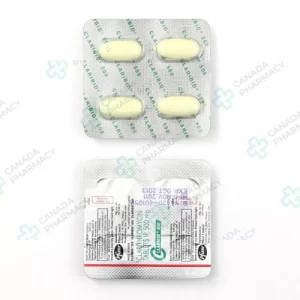
Biaxin
Price range: $ 107,00 through $ 427,00
Active substance: Clarithromycin
More Details
This product has multiple variants. The options may be chosen on the product page

Ceclor CD
Price range: $ 53,00 through $ 154,00
Active substance: Cefaclor
More Details
This product has multiple variants. The options may be chosen on the product page

Ceftin
Price range: $ 38,00 through $ 386,00
Active substance: Cefuroxime
More Details
This product has multiple variants. The options may be chosen on the product page

Cenmox
$ 51,00
Active substance: amoxicillin
More Details
This product has multiple variants. The options may be chosen on the product page

Cepmox
Price range: $ 41,00 through $ 115,00
Active substance: amoxicillin
More Details
This product has multiple variants. The options may be chosen on the product page