

-20%
Daxid
Price range: $ 42,00 through $ 229,00
Decadron
Price range: $ 12,00 through $ 182,00
DDAVP spray
Price range: $ 64,00 through $ 412,00
DDAVP Nasal Spray is a synthetic analog of the natural antidiuretic hormone used to help the body regulate water balance. It is highly effective for managing central diabetes insipidus by controlling symptoms like excessive thirst and frequent urination. The medication is also utilized to treat primary nocturnal enuresis by decreasing the volume of urine produced during the night. Furthermore, it helps maintain proper blood clotting in patients with mild to moderate Hemophilia A or Type I von Willebrand disease. The easy-to-use spray format ensures rapid absorption for reliable and consistent daily relief.
Active substance: Desmopressin acetate
Delivery: 5–21 days (depending on the shipping method)
Extra 10% discount with coupon: IT4K6SVM
Each dosage option has its own packaging choices.
Description
DDAVP spray belongs to a group of medicines called synthetic antidiuretic hormone analogs. It contains desmopressin acetate, a active substance formulated to regulate fluid retention and urine production in individuals with specific endocrine conditions. In the United States, this medication is available by prescription only (Rx) and is dispensed in accordance with federal and state regulations.
This nasal solution is primarily prescribed for the management of central diabetes insipidus and post-traumatic or post-surgical polyuria and polydipsia. Because desmopressin directly influences systemic water balance, administration requires tailored dosage titration and ongoing medical surveillance to maintain optimal safety.
Clinical Profile and Administration
| Parameter | Details |
|---|---|
| Drug name | DDAVP spray |
| Active ingredient | Desmopressin acetate |
| Therapeutic class | Synthetic Pituitary Hormone / Antidiuretic Agent |
| Dosage form | Nasal spray solution (10 mcg per actuation) |
| Route of administration | Nasal inhalation |
| Prescription status | Prescription (Rx) |
How the drug works: DDAVP spray exerts its physiological activity as a synthetic structural analog of human vasopressin (8-arginine vasopressin), the natural antidiuretic hormone produced by the hypothalamus. Desmopressin selectively binds to vasopressin V2 receptors located on the renal collecting ducts in the kidneys. This binding process stimulates cellular cAMP generation, promoting the insertion of aquaporin-2 water channels into the apical membrane of the renal tubules. Consequently, osmotic water reabsorption from the urine back into systemic circulation is markedly increased. Unlike naturally occurring vasopressin, desmopressin exhibits significantly diminished pressor activity on smooth vascular muscle (V1 receptors), allowing targeted antidiuretic performance without marked arterial vasoconstriction at standard therapeutic doses.
Main uses: The primary FDA-approved indication for DDAVP spray is the control and management of central (neurogenic) diabetes insipidus, a condition characterized by inadequate endogenous vasopressin secretion leading to severe polyuria (excessive urination) and polydipsia (excessive thirst). It is also indicated for treating temporary cranial polyuria and polydipsia resulting from head trauma or neurosurgical procedures involving the pituitary gland region. Note: The FDA previously issued significant safety restrictions removing pediatric primary nocturnal enuresis (bedwetting) from the approved indications for nasal spray formulations due to the heightened risk of severe hyponatremia and hyponatremic seizures. Any use outside of central diabetes insipidus or pituitary injury must be evaluated carefully by a physician as an off-label application under strict fluid restriction protocols.
How it’s absorbed and eliminated: Following intranasal administration, desmopressin is rapidly absorbed through the nasal mucosa into systemic circulation. The onset of antidiuretic action typically occurs within one hour post-dose, reaching peak therapeutic effect between 1 and 5 hours. The duration of antidiuretic response varies individually, generally ranging between 8 and 20 hours. Metabolism occurs primarily through peptidase cleavage in plasma and tissue pathways rather than hepatic cytochrome P450 enzymes. The terminal elimination half-life is approximately 1.5 to 3.5 hours in subjects with healthy renal function. Renal clearance is the main route of elimination; therefore, altered kidney function significantly impairs drug clearance and prolonged duration of action.
Dosing schedule: The dosage of DDAVP spray must be individualized according to the patient’s biological response, as measured by urine volume and serum osmolality. For adult patients with central diabetes insipidus, the typical daily dosage ranges from 10 mcg to 40 mcg, administered either as a single daily dose or divided into two to three intranasal sprays throughout the day. Pediatric dosages (for children aged 3 months and older) usually start lower, between 5 mcg and 10 mcg daily, as directed by a pediatric endocrinologist. Proper priming of the pump spray unit is mandatory prior to initial use. Dose adjustments should be guided by periodic plasma sodium monitoring and urine output assessments.
Administration Guidelines
Practical tips: To ensure accurate dosing, patients must follow proper intranasal administration technique. Prior to the first application, prime the nasal spray pump by depressing it several times into the air until a uniform fine mist is released. If the unit remains unused for more than one week, re-priming with a single spray is recommended. Blow the nasal passages gently to clear mucus before spraying. Tilt the head slightly backward, insert the nozzle tip into one nostril, close the opposite nostril with a finger, and depress the pump firmly while inhaling gently through the nose. Avoid tilting the head too far back to prevent solution drainage into the throat.
If you skip a dose: If a scheduled intranasal dose is missed, administer it as soon as remembered, provided it is not almost time for the subsequent scheduled dose. If the next dose time is near, skip the missed application and resume the regular dosing schedule. Never double the dose or administer extra sprays to compensate for a missed application. Excessive dosing combined with fluid consumption substantially elevates the risk of life-threatening water intoxication and low blood sodium levels.
Drug Interactions & Precautions
Compatibility with other medicines: Concurrent administration of DDAVP spray with other pharmacologic agents requires thorough clinical oversight. Concomitant use of drugs that stimulate vasopressin secretion or enhance antidiuretic effects–such as tricyclic antidepressants, selective serotonin reuptake inhibitors (SSRIs), chlorpropamide, carbamazepine, and nonsteroidal anti-inflammatory drugs (NSAIDs)–can potentiate water retention and increase the hazard of severe hyponatremia. Conversely, agents such as lithium, demeclocycline, norepinephrine, or heparin may attenuate the antidiuretic response of desmopressin. Nasal decongestants or barrier-forming nasal preparations may alter mucosal absorption, potentially compromising efficacy.
Adverse reactions: The administration of DDAVP spray may cause mild to moderate adverse reactions. Commonly observed side effects include local nasal discomfort, rhinitis, epistaxis (nosebleeds), nasal congestion, mild abdominal cramps, facial flushing, low-grade headache, and transient nausea. The most critical adverse reaction associated with desmopressin therapy is hyponatremia (pathologically low blood sodium concentration), resulting from fluid retention. Symptoms of fluid overload and hyponatremia include persistent headache, confusion, muscle weakness, unexplained weight gain, lethargy, and severe nausea. If unaddressed, severe hyponatremia can progress to seizures, coma, and respiratory arrest.
Safety Warnings & Warning Signs
Important precautions: DDAVP spray is contraindicated in patients with severe renal impairment (creatinine clearance below 50 mL/min), hyponatremia or a history of hyponatremia, polydipsia secondary to mental disorders, and unstable heart failure or conditions requiring chronic diuretic therapy. Serum sodium monitoring is mandatory upon initiation of treatment, during dose escalation, and during intercurrent illnesses. Pediatric and geriatric patients display increased susceptibility to water intoxication; consequently, fluid intake must be strictly controlled and monitored in these populations. Pregnant or lactating individuals should utilize desmopressin only under explicit prescription and monitoring by an obstetrician or endocrinologist.
Red flags: Patients and caregivers must remain vigilant for clinical indicators of hyponatremia and fluid overload. Immediate medical intervention is necessary if systemic warning signs develop.
| Clinical Warning Sign | Immediate Action Required |
|---|---|
| Severe or worsening headache accompanied by confusion | Seek immediate emergency medical evaluation. |
| Nausea, vomiting, severe lethargy, or loss of appetite | Withhold fluid intake and contact emergency medical services. |
| Seizures, convulsions, or loss of consciousness | Call 911 or visit the nearest emergency department immediately. |
| Sudden, rapid body weight gain with swelling (edema) | Stop taking DDAVP spray and contact your prescribing physician. |
| Difficulty breathing or severe chest tightness | Obtain urgent emergency medical support. |
Storage and Handling
Storage and expiration: Unopened bottles of DDAVP spray should be stored under refrigeration between 36°F and 46°F (2°C to 8°C) in an upright position. Once opened, the bottle may be stored at controlled room temperature between 68°F and 77°F (20°C to 25°C) for up to 3 weeks, protecting the bottle from direct light and freezing temperatures. Discard any remaining solution 50 days after opening or after reaching the expiration date printed on the product packaging. Keep the container out of reach of children and pets.
Frequently Asked Questions
What causes hyponatremia during DDAVP spray treatment, and how is it prevented?
Hyponatremia occurs when desmopressin causes the kidneys to retain excess water, diluting the concentration of sodium in the bloodstream. It is prevented by adhering strictly to prescribed dosages and maintaining an appropriate fluid intake balance, avoiding excessive liquid consumption when thirst is suppressed.
Is DDAVP nasal spray FDA-approved for children with nocturnal enuresis (bedwetting)?
No, the FDA updated safety labeling to remove primary nocturnal enuresis from the approved indications for desmopressin nasal spray formulations. This decision was based on post-marketing safety data linking the nasal spray formulation in bedwetting treatment to severe hyponatremic seizures and mortality. Alternative oral dosage forms are evaluated separately under physician guidance.
How does acute nasal congestion or a cold affect the absorption of DDAVP spray?
Severe nasal congestion, allergic rhinitis, or mucosal edema can impair the uniform absorption of desmopressin through the nasal lining, resulting in reduced antidiuretic efficacy. Patients experiencing severe nasal passage blockage should consult their healthcare provider, who may temporarily adjust administration or recommend alternative therapeutic measures.
Can fluid intake remain unrestricted while taking DDAVP spray?
Fluid intake must be restricted according to instructions provided by your prescribing healthcare provider. Drinking excessive amounts of liquids while the medication is active prevents normal water elimination, significantly raising the risk of fluid retention, cerebral edema, and dangerous drops in blood sodium levels.
How quickly does DDAVP nasal spray take effect after administration?
The antidiuretic effect of DDAVP spray typically begins within 1 hour following intranasal application, with maximal urinary concentration achieved between 1 and 5 hours. The overall response duration generally lasts between 8 and 20 hours depending on individual metabolic rates and dosage strength.
In accordance with FDA requirements.
This text is for informational purposes only and does not constitute individual medical advice.
Additional information
| Dosage |
10mcg 2.5ml |
|---|---|
| Package |
1 sprayer ,2 sprayer ,3 sprayer ,4 sprayer ,8 sprayer |
| Ενεργός Ουσία |
Related products
Actigall
Price range: $ 60,00 through $ 521,00
Active substance: Ursodiol
More Details
This product has multiple variants. The options may be chosen on the product page
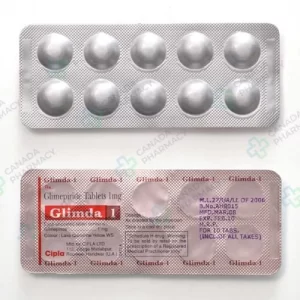
Amaryl
Price range: $ 39,00 through $ 424,00
Active substance: Glimepiride
More Details
This product has multiple variants. The options may be chosen on the product page
Arcalion
Price range: $ 25,00 through $ 50,00
Active substance: Sulbutiamine
More Details
This product has multiple variants. The options may be chosen on the product page
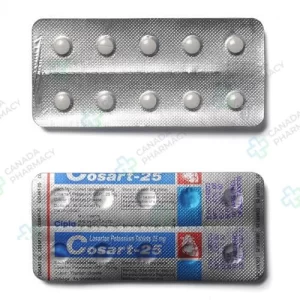
Cozaar
Price range: $ 41,00 through $ 281,00
Active substance: Losartan
More Details
This product has multiple variants. The options may be chosen on the product page
Empagliflozin
Price range: $ 153,00 through $ 727,00
Active substance: Empagliflozin
More Details
This product has multiple variants. The options may be chosen on the product page
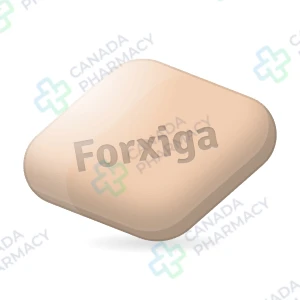
Forxiga
Price range: $ 52,00 through $ 340,00
Active substance: Dapagliflozin
More Details
This product has multiple variants. The options may be chosen on the product page
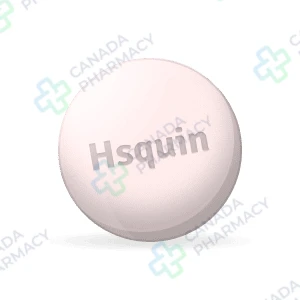
Hsquin
Price range: $ 43,00 through $ 75,00
Active substance: Hydroxychloroquine
More Details
This product has multiple variants. The options may be chosen on the product page
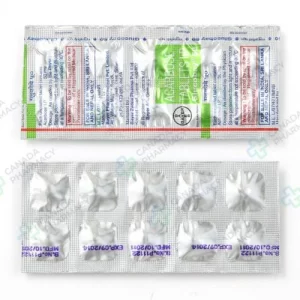
Precose
Price range: $ 46,00 through $ 294,00
Active substance: Acarbose
More Details
This product has multiple variants. The options may be chosen on the product page