

-15%
Foracort Inhaler
Price range: $ 47,00 through $ 345,00
Forzest
Price range: $ 167,00 through $ 296,00
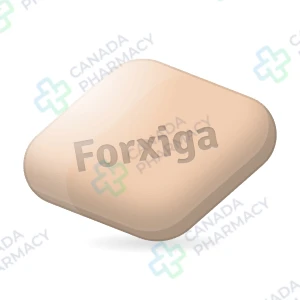
Forxiga
Price range: $ 52,00 through $ 340,00
Forxiga is an effective medication designed to help adults manage type 2 diabetes by improving blood sugar control. It belongs to the SGLT2 inhibitor class, which works by helping the kidneys remove excess glucose from the body through urine. Beyond glycemic management, this treatment is also indicated to reduce the risk of cardiovascular death and hospitalization in patients with heart failure. Clinical evidence supports its use in slowing the progression of chronic kidney disease and reducing the risk of kidney failure. By targeting multiple aspects of metabolic and cardiovascular health, Forxiga provides comprehensive support for long-term wellness.
Active substance: Dapagliflozin
Delivery: 5–21 days (depending on the shipping method)
Extra 10% discount with coupon: IT4K6SVM
Each dosage option has its own packaging choices.
Description
Forxiga belongs to a class of prescription medications known as sodium-glucose cotransporter 2 (SGLT2) inhibitors. Containing the active pharmaceutical ingredient dapagliflozin, this prescription medicine is designed to alter renal glucose reabsorption and support metabolic, renal, and cardiovascular function under licensed healthcare supervision.
In clinical practice across the United States, it is prescribed to improve glycemic control in adults with type 2 diabetes mellitus, as well as to reduce risks of cardiovascular death and heart failure hospitalization. Understanding the therapeutic properties, administrative protocols, and safety profile of this medication is essential for achieving optimal health outcomes.
| Active ingredient (INN) | Dapagliflozin |
| Therapeutic class | Sodium-glucose cotransporter 2 (SGLT2) inhibitor |
| Dosage form | Oral film-coated tablet |
| Route of administration | Oral |
| Primary purpose | Glycemic control, heart failure risk reduction, renal protection |
| Prescription status | Prescription only (Rx) |
Overview and Clinical Indications
What it’s used for
Forxiga is an FDA-approved prescription drug evaluated for several primary clinical indications. It is indicated as an adjunct to diet and exercise to improve glycemic control in adult patients with type 2 diabetes mellitus. Beyond glycemic management, the therapy is indicated to reduce the risk of cardiovascular death and hospitalization for heart failure in adults with heart failure across a spectrum of ejection fractions (including reduced and preserved ejection fraction). Furthermore, it is indicated to reduce the risk of sustained estimated glomerular filtration rate (eGFR) decline, end-stage kidney disease, cardiovascular death, and heart failure hospitalization in adults with chronic kidney disease who are at risk of disease progression. It is not approved for type 1 diabetes mellitus or for treating diabetic ketoacidosis.
How the drug works
The mechanism of action centers on selective, potent inhibition of sodium-glucose cotransporter 2 (SGLT2), located predominantly in the proximal renal tubules of the kidneys. SGLT2 is the primary transport protein responsible for reabsorbing the majority of filtered glucose from the tubular lumen back into the systemic circulation. By blocking SGLT2, dapagliflozin reduces renal reabsorption of filtered glucose and lowers the renal threshold for glucose, facilitating urinary excretion of excess glucose (glucosuria). Additionally, SGLT2 inhibition promotes urinary sodium excretion (natriuresis), which leads to intravascular volume contraction and reduction in renal intraglomerular pressure. These mechanisms collectively improve blood sugar levels while reducing cardiac workload and preserving long-term kidney function.
What happens in the body
Following oral administration, dapagliflozin is rapidly and well absorbed within the gastrointestinal tract, achieving peak plasma concentration (Cmax) within 2 hours under fasting conditions. The absolute oral bioavailability of a standard dose is high, and co-administration with food does not alter the overall extent of systemic absorption in a clinically meaningful way. The active ingredient binds extensively to human plasma proteins, at approximately 91%. Metabolism occurs primarily via hepatic and renal UGT1A9 enzymes, which convert the parent compound into an inactive 3-O-glucuronide metabolite. The mean terminal elimination half-life is approximately 12.9 hours in healthy subjects, supporting a once-daily dosing regimen. Excretion is primarily renal, with roughly 75% of a dose excreted in urine (mostly as inactive metabolites) and less than 2% as unchanged drug.
What to expect when starting treatment
When starting therapy, patients can anticipate an early onset of mild osmotic diuresis, resulting in slightly increased urinary frequency and urinary volume during the initial days of treatment. Blood glucose levels generally begin to decrease within the first week of daily administration, though full therapeutic effects on glycemic markers like hemoglobin A1c are assessed over two to three months. Some individuals may experience modest reductions in body weight and systolic blood pressure over the first few months. Cardiovascular and renal protective benefits develop gradually, requiring consistent daily adherence as recommended by the prescribing practitioner.
Administration, Safety, and Guidance
What side effects may occur
Therapy with SGLT2 inhibitors involves a distinct adverse event profile that balances clinical benefits against predictable risks. Common side effects include genital mycotic infections (such as vulvovaginal candidiasis or balanitis), urinary tract infections, nasopharyngitis, and increased urination. Because the drug induces glucosuria, bacterial and fungal organisms in the genitourinary tract can proliferate more easily. On the other hand, less common but serious adverse events include ketoacidosis–including euglycemic ketoacidosis where blood sugar levels remain unexpectedly below 250 mg/dL–acute kidney injury, severe volume depletion leading to orthostatic hypotension, and serious urosepsis. A rare but life-threatening bacterial infection called necrotizing fasciitis of the perineum (Fournier’s gangrene) has also been reported in both female and male patients.
Important precautions
Before initiating therapy, baseline assessment of volume status and kidney function is essential, particularly in elderly patients, individuals with baseline renal impairment, or those receiving antihypertensive regimens. Therapy should be temporarily discontinued at least 3 days prior to scheduled surgical procedures or major medical interventions associated with prolonged fasting to decrease the risk of diabetic ketoacidosis. Regarding special populations, safety and effectiveness in pediatric patients have not been established across all indications. In pregnant individuals, exposure during the second and third trimesters is avoided due to potential risks to fetal renal development; breastfeeding is likewise not recommended during treatment.
Dosing schedule
The prescribed dosage of dapagliflozin varies based on the patient’s underlying condition, renal function, and clinical response. For most indications–including type 2 diabetes, heart failure, and chronic kidney disease–the standard starting dose is either 5 mg or 10 mg taken orally once daily, in the morning, with or without food. Tablets must be swallowed whole with water and should not be crushed, split, or chewed. Prior to initiating therapy, healthcare providers evaluate kidney function via eGFR testing, as efficacy depends on renal function and dosing modifications or temporary withholding may be necessary if eGFR drops below specific regulatory thresholds.
What not to combine
Combining dapagliflozin with other therapeutic agents requires careful pharmacological consideration. Co-administration with insulin or insulin secretagogues, such as sulfonylureas, significantly increases the risk of hypoglycemia; prescribing clinicians frequently adjust the dosage of insulin or secretagogues to mitigate this risk. Concomitant administration with diuretics, particularly loop diuretics, can exacerbate osmotic diuresis, elevating the risk of volume depletion, dehydration, and symptomatic hypotension. Additionally, SGLT2 inhibitors may increase renal lithium excretion, potentially reducing serum lithium concentrations and requiring more frequent lithium monitoring.
If you skip a dose
If a dose is missed, it should be taken as soon as remembered on that day, provided there is a sufficient interval before the next planned dose. If it is close to the time of the next scheduled dose, skip the missed dose and resume the normal daily schedule. Patients should never take two doses at the same time or consume extra tablets to compensate for a missed dose. Maintaining consistent administration timing helps preserve steady-state plasma concentrations and stabilizes osmotic effects.
Food and alcohol interactions
This medication can be taken without regard to meals, as food co-ingestion does not significantly impair active ingredient absorption or overall therapeutic performance. However, alcohol consumption should be strictly limited or avoided. Alcohol can exacerbate blood glucose fluctuations, increase dehydration risks associated with diuresis, and substantially raise the likelihood of developing ketoacidosis. Patients treated in clinical settings in states like Texas or California are advised to discuss alcohol intake patterns openly with their prescribing clinician.
Storage and expiration
Store the tablets at room temperature between 68°F and 77°F (20°C to 25°C), with permitted excursions between 59°F and 86°F (15°C to 30°C) consistent with USP controlled room temperature guidelines. Store the medication in its original container to protect it from excessive moisture and light. Keep out of reach of children and domestic animals. Discard any expired or unused medication in compliance with local prescription drug disposal guidelines or community pharmacy disposal locations.
Common questions
Q: How quickly does this medication work to lower blood sugar?
Blood glucose lowering effects typically begin within the first few days of starting treatment as urinary glucose excretion increases. However, comprehensive improvements in glycemic control, measured via HbA1c tests, generally take 8 to 12 weeks of continuous daily administration.
Q: Is it necessary to stop taking this drug before having surgery?
Yes, healthcare providers typically instruct patients to temporarily pause treatment at least 3 days before elective surgery or procedures requiring extended fasting. This precautionary step minimizes the risk of developing procedure-related ketoacidosis.
Q: What are the symptoms of ketoacidosis associated with SGLT2 inhibitors?
Symptoms include severe nausea, vomiting, abdominal pain, generalized fatigue, difficulty breathing, and confusion, even if blood glucose levels are not markedly elevated. If these warning signs develop, patients must discontinue the drug immediately and seek urgent emergency medical evaluation.
Q: Can taking this medication cause low blood sugar on its own?
When taken as monotherapy, the risk of hypoglycemia is low because its mechanism depends on existing blood glucose filtering rather than stimulating insulin secretion. However, when combined with insulin or sulfonylureas, the risk of hypoglycemia increases significantly.
Q: How does this therapy assist in protecting kidney function?
By inhibiting SGLT2 in the proximal tubules, the drug reduces sodium and glucose reabsorption, which alters intraglomerular pressure and reduces hyperfiltration within the kidneys. Over time, this mechanism slows the rate of renal function decline in patients with chronic kidney disease.
Always consult your healthcare provider before starting or changing any treatment.
In accordance with FDA requirements.
Additional information
| Dosage |
5 mg ,10mg |
|---|---|
| Package |
14 pills ,28 pills ,42 pills ,56 pills ,70 pills ,84 pills ,98 pills |
| Ενεργός Ουσία |
Related products
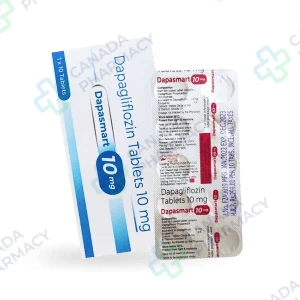
Dapasmart
Price range: $ 67,00 through $ 575,00
Active substance: Dapagliflozin
More Details
This product has multiple variants. The options may be chosen on the product page
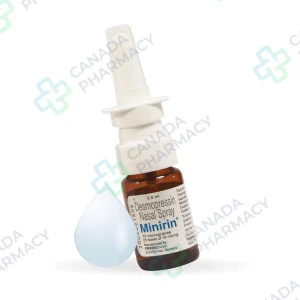
DDAVP spray
Price range: $ 64,00 through $ 412,00
Active substance: Desmopressin acetate
More Details
This product has multiple variants. The options may be chosen on the product page
Glucophage Trio
Price range: $ 96,00 through $ 187,00
More Details
This product has multiple variants. The options may be chosen on the product page
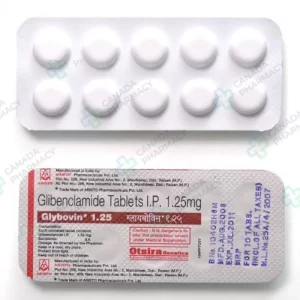
Micronase
Price range: $ 23,00 through $ 174,00
Active substance: Glyburide
More Details
This product has multiple variants. The options may be chosen on the product page
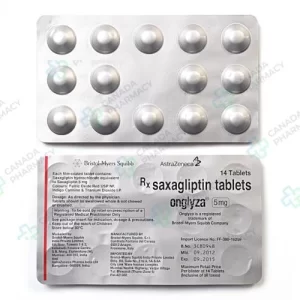
Onglyza
Price range: $ 63,00 through $ 504,00
Active substance: Saxagliptin
More Details
This product has multiple variants. The options may be chosen on the product page
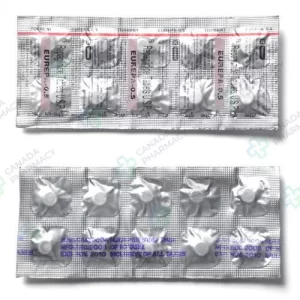
Prandin
Price range: $ 40,00 through $ 858,00
Active substance: Repaglinide
More Details
This product has multiple variants. The options may be chosen on the product page
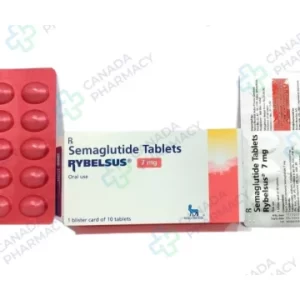
Rybelsus
Price range: $ 250,00 through $ 880,00
Active substance: Semaglutide
More Details
This product has multiple variants. The options may be chosen on the product page
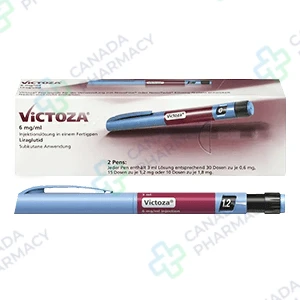
Victoza
Price range: $ 450,00 through $ 850,00
Active substance: Liraglutide
More Details
This product has multiple variants. The options may be chosen on the product page