

-20%
Onglyza
Price range: $ 63,00 through $ 504,00
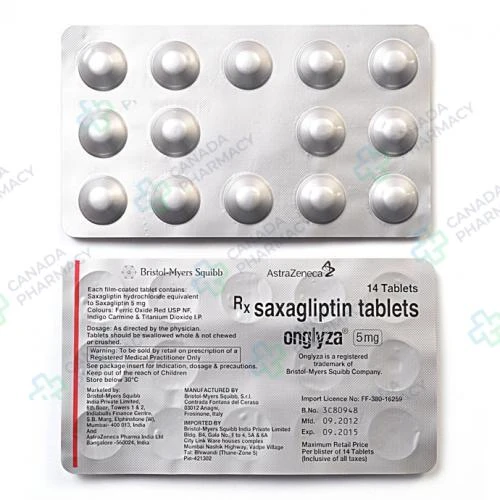
Onglyza is an effective oral medication designed to improve glycemic control in adults with type 2 diabetes. As a DPP-4 inhibitor, it works by increasing the levels of natural substances that help lower blood sugar when it is elevated. This treatment assists the pancreas in producing more insulin and reduces the amount of sugar released by the liver. When used in conjunction with a healthy diet and regular exercise, it supports the maintenance of stable blood glucose levels. This medication provides a dependable option for individuals looking to manage their metabolic health and achieve better daily glucose balance.
Active substance: Saxagliptin
Delivery: 5–21 days (depending on the shipping method)
Extra 10% discount with coupon: IT4K6SVM
Each dosage option has its own packaging choices.
Description
Onglyza belongs to a class of oral antihyperglycemic medications known as dipeptidyl peptidase-4 (DPP-4) inhibitors. It is prescribed alongside diet and exercise to improve glycemic control in adults diagnosed with type 2 diabetes mellitus.
In the United States, Onglyza is classified as a prescription medication (Rx) and must be dispensed under the supervision of a licensed healthcare professional. It is not indicated for patients with type 1 diabetes mellitus or for the treatment of diabetic ketoacidosis.
| Parameter | Details |
|---|---|
| Drug name | Onglyza |
| Active ingredient | Saxagliptin (as hydrochloride) |
| Therapeutic class | DPP-4 Inhibitor / Antidiabetic Agent |
| Dosage form | Oral Film-Coated Tablets (2.5 mg, 5 mg) |
| Route of administration | Oral |
| Prescription status | Prescription-Only (Rx) |
Detailed Product Overview
How the drug works: Saxagliptin, the active compound in Onglyza, functions as a competitive dipeptidyl peptidase-4 (DPP-4) inhibitor. Under normal physiological conditions, incretin hormones such as glucagon-like peptide-1 (GLP-1) and glucose-dependent insulinotropic polypeptide (GIP) are released by the intestine throughout the day, with elevated levels following meal ingestion. These incretins stimulate the pancreas to synthesize and release insulin in a glucose-dependent manner while simultaneously suppressing hepatic glucagon secretion. The DPP-4 enzyme rapidly degrades these endogenous incretin molecules. By selectively inhibiting DPP-4, saxagliptin prolongs the active lifespan of GLP-1 and GIP, leading to increased insulin secretion and reduced glucagon levels, ultimately lowering fasting and postprandial plasma glucose concentrations.
What it’s used for: Onglyza is FDA-approved as an adjunct to diet and exercise to enhance glycemic management in adult patients with type 2 diabetes mellitus. Clinical guidelines support its use either as monotherapy or in combination with other oral glucose-lowering agents, such as metformin, sulfonylureas, or thiazolidinediones, as well as with basal insulin. Onglyza should not be utilized in individuals with type 1 diabetes mellitus or for treating diabetic ketoacidosis, as it is ineffective in these clinical scenarios. Furthermore, Onglyza has not been evaluated in patients with a prior history of pancreatitis; therefore, caution is advised when considering treatment in individuals with such medical background. Any use outside of FDA-approved indications constitutes off-label use and requires clinical discretion.
Dosing schedule: The recommended standard dose of Onglyza is 2.5 mg or 5 mg administered orally once daily, without regard to meals. Tablets should be swallowed whole and must not be split, crushed, or chewed prior to ingestion. For patients with moderate to severe renal impairment or end-stage renal disease (ESRD) requiring hemodialysis, the recommended dosage is limited to 2.5 mg once daily, administered following hemodialysis sessions when applicable. In addition, when Onglyza is coadministered with potent cytochrome P450 3A4/5 (CYP3A4/5) inhibitors, the maximum recommended dosage is 2.5 mg daily. Specific dosing schedules are adjusted individually by the prescribing medical professional based on patient tolerability and glycemic targets.
How it’s absorbed and eliminated: Following oral administration, saxagliptin is rapidly absorbed, achieving peak plasma concentrations within approximately two hours. Administration alongside high-fat meals does not significantly alter the overall bioavailability or systemic exposure of the drug. Saxagliptin undergoes extensive hepatic metabolism, primarily mediated by CYP3A4/5 enzymes, forming a major active metabolite, 5-hydroxy saxagliptin, which exhibits approximately half the potency of the parent compound. Elimination occurs through both renal and biliary excretion pathways. A portion of the administered dose is cleared unchanged in the urine, while the remainder is excreted as metabolites. The terminal elimination half-life of saxagliptin and its primary active metabolite allows for effective once-daily dosing regimen support.
Compatibility with other medicines: Concomitant administration of Onglyza with strong CYP3A4/5 inhibitors–such as ketoconazole, clarithromycin, or ritonavir–significantly increases peak plasma concentrations and overall exposure to saxagliptin. Consequently, a dose reduction to 2.5 mg daily is required in such clinical situations. Conversely, coadministration with CYP3A4 inducers like rifampin may reduce systemic exposure to saxagliptin, potentially compromising its therapeutic efficacy. When Onglyza is added to an existing regimen containing an insulin secretagogue (such as a sulfonylurea) or exogenous insulin, the risk of hypoglycemia is heightened. Under these circumstances, a lower dose of the secretagogue or insulin may be recommended to minimize low blood sugar events.
Adverse reactions: Clinical evaluations indicate that common adverse events associated with Onglyza include upper respiratory tract infections, urinary tract infections, peripheral edema, and headache. Hypoglycemia may occur, particularly when Onglyza is prescribed in combination with sulfonylureas or insulin therapy. Postmarketing surveillance has identified rare but severe adverse events, including acute pancreatitis, severe hypersensitivity reactions (such as anaphylaxis, angioedema, and exfoliative skin conditions), severe and disabling joint pain, and bullous pemphigoid. Patients experiencing persistent upper abdominal pain radiating to the back, facial swelling, or severe skin blistering should discontinue treatment and obtain immediate medical intervention.
Important precautions: Clinical trials have demonstrated an increased risk of heart failure hospitalization in patients treated with saxagliptin, particularly among individuals with underlying cardiovascular disease or renal impairment. Healthcare providers evaluate the risks and benefits before initiating therapy in patients with heart failure history. Routine monitoring of renal function prior to initiation and periodically thereafter is recommended. Regarding special populations, safety and effectiveness in pediatric patients under 18 years of age have not been established. Data on pregnant women remain limited; Onglyza should be used during pregnancy only if clearly necessary. It is unknown whether saxagliptin is excreted in human milk, warranting caution when administered to nursing mothers.
Early days of treatment: When initiating treatment with Onglyza, therapeutic glycemic responses occur gradually over several weeks. Patients should continue monitoring blood glucose as directed by their provider. Early monitoring helps assess treatment efficacy and detect any initial mild side effects, such as gastrointestinal discomfort or mild headache, which often resolve as the body adapts to the medication.
If you skip a dose: If a dose of Onglyza is missed, it should be taken as soon as remembered on that same day. However, if it is almost time for the next scheduled dose, the missed dose should be skipped and the regular schedule resumed. Patients must never double the dose to compensate for a missed tablet.
Practical tips: Onglyza should be taken at approximately the same time each day to maintain stable drug levels. Because it can be taken with or without food, establishing a consistent daily routine–such as taking the tablet every morning with breakfast–helps maintain long-term compliance with the prescribed treatment schedule.
Storage and expiration: Store Onglyza at controlled room temperature between 20°C and 25°C (68°F to 77°F), with excursions permitted between 15°C and 30°C (59°F to 86°F). Keep the tablets in their original packaging, protected from excessive moisture and light. Keep out of reach of children and dispose of expired medication properly.
Common Questions
Can Onglyza cause low blood sugar levels?
When taken alone as monotherapy, Onglyza carries a low risk of causing hypoglycemia because its mechanism of action relies on elevated blood glucose levels to stimulate insulin secretion. However, when used in combination with other diabetes medications–specifically sulfonylureas or insulin–the risk of low blood sugar increases. Prescribers may adjust the doses of concomitant medications to reduce this risk.
What should be done if severe joint pain develops while taking Onglyza?
Some patients taking DPP-4 inhibitors, including Onglyza, have reported severe and disabling joint pain. This symptom can occur days or even years after starting the medication. Patients experiencing severe joint discomfort should contact their healthcare provider immediately. Symptoms typically resolve after stopping the drug under medical supervision.
Is it safe to consume alcohol during treatment with Onglyza?
Alcohol consumption can alter blood glucose control and increase the risk of both hypoglycemia and pancreatitis. Patients should consult their healthcare provider regarding safe alcohol limits while managing type 2 diabetes with Onglyza. Moderation and careful blood glucose monitoring are essential if alcohol is consumed.
How often should kidney function be monitored while taking this drug?
Kidney function should be evaluated prior to starting Onglyza and periodically during therapy. Because saxagliptin is partially cleared by the kidneys, dosage adjustments to 2.5 mg daily are necessary for individuals with moderate to severe renal impairment. Regular laboratory testing allows providers to ensure safe and appropriate dosing over time.
Source information: Regulatory guidance and prescribing information aligned with U.S. Food and Drug Administration (FDA) standards.
This text is for informational purposes only and does not constitute individual medical advice.
Additional information
| Dosage |
5mg |
|---|---|
| Package |
14 pills ,28 pills ,42 pills ,56 pills ,84 pills ,112 pills ,140 pills |
| Ενεργός Ουσία |
Related products
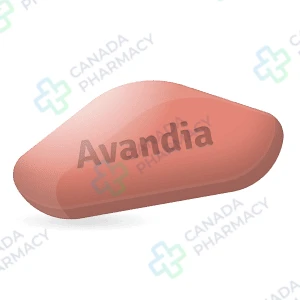
Avandia
Price range: $ 113,00 through $ 824,00
Active substance: Rosiglitazone
More Details
This product has multiple variants. The options may be chosen on the product page
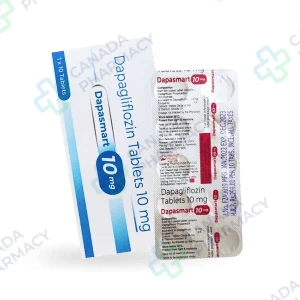
Dapasmart
Price range: $ 67,00 through $ 575,00
Active substance: Dapagliflozin
More Details
This product has multiple variants. The options may be chosen on the product page
Empagliflozin
Price range: $ 153,00 through $ 727,00
Active substance: Empagliflozin
More Details
This product has multiple variants. The options may be chosen on the product page
Hsquin
Price range: $ 43,00 through $ 75,00
Active substance: Hydroxychloroquine
More Details
This product has multiple variants. The options may be chosen on the product page
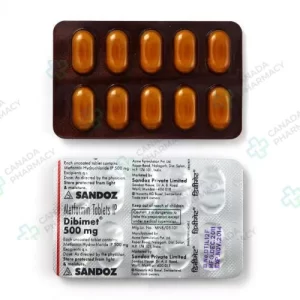
Metformin
Price range: $ 33,00 through $ 190,00
Active substance: metformin
More Details
This product has multiple variants. The options may be chosen on the product page
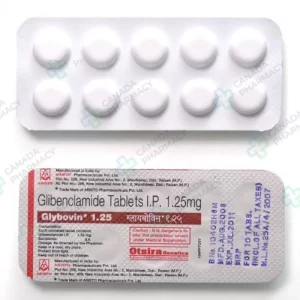
Micronase
Price range: $ 23,00 through $ 174,00
Active substance: Glyburide
More Details
This product has multiple variants. The options may be chosen on the product page
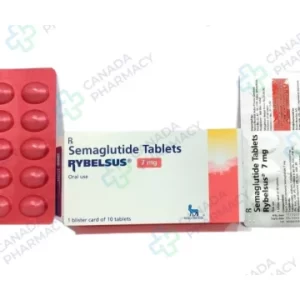
Rybelsus
Price range: $ 250,00 through $ 880,00
Active substance: Semaglutide
More Details
This product has multiple variants. The options may be chosen on the product page