

-37%
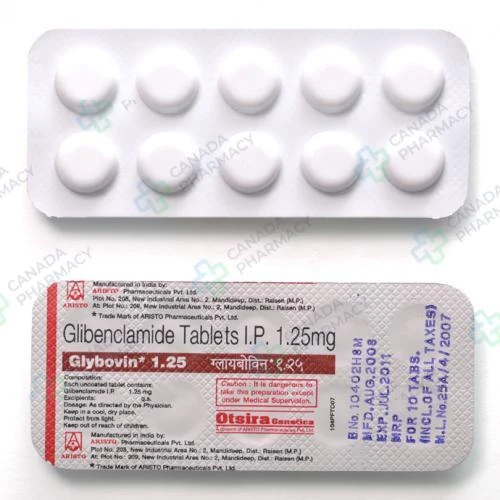
Micardis Plus
Price range: $ 26,00 through $ 57,00
Mikacin Injection
Price range: $ 25,00 through $ 73,00
Micronase
Price range: $ 23,00 through $ 174,00
Micronase is an effective oral medication specifically designed to help manage blood sugar levels in adults with type 2 diabetes. As a member of the sulfonylurea class, it works by stimulating the natural production of insulin in the pancreas to help the body process glucose more efficiently. When used in conjunction with a balanced diet and regular exercise, this treatment helps maintain stable glycemic control and supports overall metabolic health. It is a well-established therapeutic option for preventing the long-term complications associated with chronic hyperglycemia. This medication provides a reliable solution for individuals looking to achieve their target blood sugar levels and improve their daily well-being.
Active substance: Glyburide
Delivery: 5–21 days (depending on the shipping method)
Extra 10% discount with coupon: IT4K6SVM
Each dosage option has its own packaging choices.
Description
Micronase belongs to a class of oral blood glucose-lowering drugs known as sulfonylureas. It is prescribed as an adjunct to diet and exercise to improve glycemic control in adults with type 2 diabetes mellitus.
Proper management of blood sugar using this prescription medication helps reduce the risk of long-term diabetic complications. Treatment requires clinical monitoring and individualized dosing under the direction of a healthcare provider.
| Drug name | Micronase |
| Active ingredient (INN) | Glyburide |
| Therapeutic class | Sulfonylureas |
| Dosage form | Oral tablet |
| Route of administration | Oral |
| Primary purpose | Glycemic control in type 2 diabetes |
| Prescription status | Prescription (Rx) |
General Overview and Pharmacological Profile
How the drug works
Micronase acts primarily by stimulating the secretion of endogenous insulin from functioning beta cells located within the pancreas. Sulfonylureas bind to specific receptors on pancreatic beta-cell membranes, closing ATP-dependent potassium channels. This closure leads to cell membrane depolarization, opening voltage-gated calcium channels, and triggering exocytosis of insulin storage granules. Beyond its primary pancreatic mechanism, long-term administration of glyburide may enhance peripheral tissue sensitivity to insulin, although pancreatic stimulation remains its principal mode of action. Because its effectiveness depends on residual functioning pancreatic beta cells, this medication is ineffective in individuals whose insulin-producing capacity has been completely lost.
Main uses
Micronase is indicated as an adjunct to diet and exercise to lower blood glucose levels in patients with type 2 diabetes mellitus. It is designated for adults whose hyperglycemia cannot be adequately controlled by nutritional modifications and physical activity alone. Micronase is not indicated for the treatment of type 1 diabetes mellitus or diabetic ketoacidosis, as these conditions require exogenous insulin therapy. Any use outside of FDA-approved indications for type 2 diabetes management, such as gestational diabetes management in specific patient groups, represents off-label use and must be evaluated strictly by a licensed prescriber based on clinical guidance.
How it’s absorbed and eliminated
Following oral administration, Micronase is completely absorbed from the gastrointestinal tract. Peak plasma concentrations of glyburide are typically achieved within two to four hours after ingestion. The drug is extensively bound to serum proteins, primarily albumin, which influences its systemic distribution. Glyburide undergoes extensive hepatic metabolism by the liver, converting the parent compound into metabolites with minimal blood glucose-lowering activity. Elimination occurs through dual pathways, with metabolites excreted roughly equally in both the urine and feces. The elimination half-life can vary among individual patients, particularly in those with compromised kidney or liver function.
Signs of improvement
Evaluating the effectiveness of Micronase relies on regular self-monitoring of blood glucose levels and periodic hemoglobin A1c (HbA1c) testing. As glycemic control improves, patients may notice a reduction in classic symptoms of hyperglycemia, such as excessive thirst, frequent urination, and fatigue. Long-term treatment success is demonstrated when laboratory blood glucose measurements consistently fall within the target ranges established by the patient’s healthcare provider.
Safety, Dosing, and Daily Management
Dosing schedule
The dosage of Micronase must be individualized based on clinical effectiveness and patient tolerance. Therapy is generally initiated at a low daily dose, often administered with breakfast or the first main meal of the day to minimize the risk of hypoglycemia. Prescribers gradually titrate the dose based on regular blood glucose monitoring results until glycemic target goals are achieved or maximum recommended limits are reached. Taking this medication with food is essential to support proper absorption and prevent sudden drops in blood sugar. Patients must follow the exact dosing instructions provided by their healthcare provider and should never adjust doses independently.
Adverse reactions
Hypoglycemia is the most frequent and serious adverse reaction associated with Micronase therapy. Mild to moderate hypoglycemic episodes may present with symptoms such as sweating, shakiness, dizziness, hunger, confusion, and headache. Gastrointestinal reactions are also common during initial treatment and may include nausea, epigastric fullness, and heartburn. Dermatologic reactions, including cutaneous hypersensitivity reactions, rash, and pruritus, occur in some patients. Severe manifestations, such as cholestatic jaundice, hepatic dysfunction, or blood dyscrasias, are rare but require immediate clinical evaluation. Any persistent or severe side effects should be promptly reported to a medical professional.
Important precautions
Micronase carries a significant risk of severe hypoglycemia, which can cause loss of consciousness, coma, or seizures. Elderly, debilitated, or malnourished individuals, as well as those with adrenal, pituitary, or renal impairment, are particularly susceptible to severe hypoglycemic reactions. Caution is advised when prescribing this medication to patients with glucose-6-phosphate dehydrogenase (G6PD) deficiency, as sulfonylurea treatment can lead to hemolytic anemia. During periods of physical stress such as fever, trauma, infection, or surgery, blood glucose control may deteriorate, necessitating temporary transition to insulin therapy under clinical supervision.
Compatibility with other medicines
Micronase can interact with numerous concomitant medications, potentially altering blood sugar control or increasing adverse event risks. Concomitant administration with drugs such as nonsteroidal anti-inflammatory drugs (NSAIDs), certain antibiotics (like fluoroquinolones or sulfonamides), and beta-blockers may potentiate the hypoglycemic effect of glyburide. Conversely, thiazide diuretics, corticosteroids, thyroid hormones, and estrogens may elevate blood glucose levels and reduce the therapeutic response of Micronase. Beta-blockers may also mask warning signs of hypoglycemia, such as tachycardia. Patients should inform their doctor of all prescription drugs, over-the-counter items, and dietary supplements currently in use.
Food and alcohol interactions
Dietary habits directly impact the safety and efficacy of Micronase. Meals should be consumed on a consistent schedule, as skipping meals while taking a sulfonylurea substantially raises the risk of hypoglycemia. Alcohol intake requires extreme caution; ethanol can potentiate the blood glucose-lowering action of glyburide, leading to delayed and prolonged hypoglycemic episodes. Additionally, alcohol consumption in rare instances may precipitate a disulfiram-like reaction characterized by flushing, nausea, and rapid heartbeat.
If you skip a dose
If a dose of Micronase is missed, it should be taken as soon as remembered with a meal, provided it is not close to the time for the next scheduled dose. If it is almost time for the next dose, the missed dose should be skipped entirely, and the normal dosing schedule resumed. Patients must never double up on doses or take extra medication to compensate for a skipped tablet, as this dramatically increases the likelihood of experiencing severe hypoglycemia.
Storage and expiration
Micronase tablets should be stored at controlled room temperature, typically between 68°F and 77°F (20°C to 25°C), away from excessive heat, moisture, and direct light. The medication must be kept in its original container with the lid tightly closed to protect it from environmental degradation. Keep this and all medications out of the reach of children. Expired or unused medication should be disposed of properly according to local pharmacy take-back programs or community safety guidelines.
Common questions
Can Micronase cause weight gain?
Weight gain is a recognized potential side effect of sulfonylureas, including Micronase. As insulin secretion increases, glucose is more efficiently cleared from the bloodstream and stored in bodily tissues, which can lead to modest weight increases over time. Adhering to a balanced diet and regular physical activity plan prescribed by a healthcare provider helps manage body weight during treatment.
What should be done during a hypoglycemic episode?
If mild hypoglycemia occurs (symptoms like shakiness, sweating, or fast heartbeat), fast-acting carbohydrates should be consumed immediately, such as fruit juice, non-diet soda, or glucose tablets. Blood sugar should be rechecked after 15 minutes to ensure it has returned to a safe range. Severe hypoglycemia causing confusion or loss of consciousness requires emergency medical intervention and assistance from trained personnel.
Is Micronase safe during pregnancy?
Micronase is generally not recommended during pregnancy unless explicitly prescribed by a doctor after weighing risks and benefits. Maintaining optimal blood glucose control during pregnancy is critical, and insulin is often the preferred treatment option for managing gestational diabetes or pre-existing diabetes. Patients who are pregnant or planning to become pregnant should consult their physician regarding safer glycemic management strategies.
In accordance with FDA requirements.
This text is for informational purposes only and does not constitute individual medical advice.
Additional information
| Dosage |
2.5 mg ,5mg |
|---|---|
| Package |
30 pills ,60 pills ,90 pills ,120 pills ,180 pills ,360 pills |
| Ενεργός Ουσία |
Related products
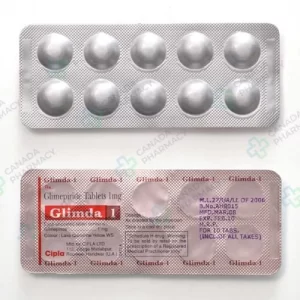
Amaryl
Price range: $ 39,00 through $ 424,00
Active substance: Glimepiride
More Details
This product has multiple variants. The options may be chosen on the product page
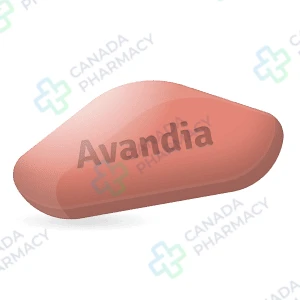
Avandia
Price range: $ 113,00 through $ 824,00
Active substance: Rosiglitazone
More Details
This product has multiple variants. The options may be chosen on the product page
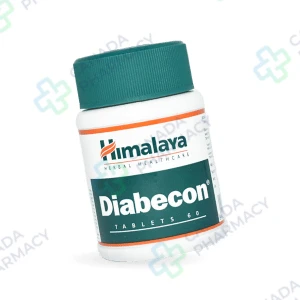
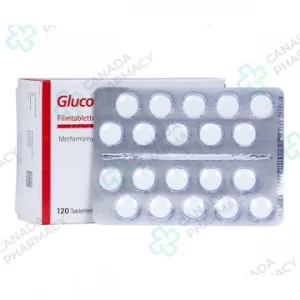
Glucophage
Price range: $ 28,00 through $ 97,00
Active substance: metformin
More Details
This product has multiple variants. The options may be chosen on the product page
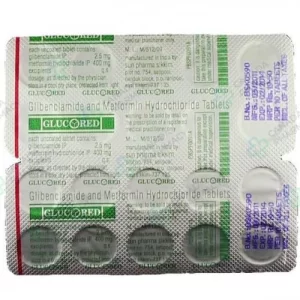
Glucovance
Price range: $ 48,00 through $ 342,00
Active substance: glibenclamide, metformin
More Details
This product has multiple variants. The options may be chosen on the product page
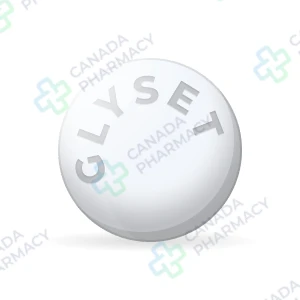
Glyset
Price range: $ 78,00 through $ 156,00
Active substance: Miglitol
More Details
This product has multiple variants. The options may be chosen on the product page
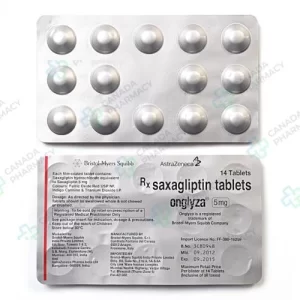
Onglyza
Price range: $ 63,00 through $ 504,00
Active substance: Saxagliptin
More Details
This product has multiple variants. The options may be chosen on the product page
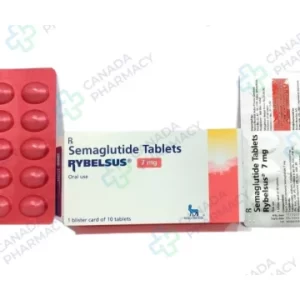
Rybelsus
Price range: $ 250,00 through $ 880,00
Active substance: Semaglutide
More Details
This product has multiple variants. The options may be chosen on the product page