

-33%
Glycomet SR
Price range: $ 54,00 through $ 75,00
Grifulvin V
Price range: $ 30,00 through $ 292,00
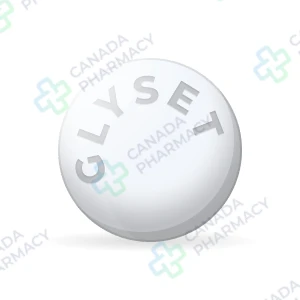
Glyset
Price range: $ 78,00 through $ 156,00
Glyset is an oral medication specifically designed to help adults manage blood sugar levels associated with type 2 diabetes. As an alpha-glucosidase inhibitor, it works by delaying the digestion of carbohydrates into glucose within the small intestine. This mechanism effectively reduces the sharp rise in blood sugar that typically occurs after consuming a meal. The medication is intended to be used alongside a balanced diet and regular physical activity to optimize glycemic control. By stabilizing post-meal glucose levels, Glyset plays a key role in a comprehensive management plan for metabolic health.
Active substance: Miglitol
Delivery: 5–21 days (depending on the shipping method)
Extra 10% discount with coupon: IT4K6SVM
Each dosage option has its own packaging choices.
Description
Glyset belongs to the class of oral antidiabetic agents known as alpha-glucosidase inhibitors. It is prescribed as an adjunct to diet and exercise to improve glycemic control in adults diagnosed with type 2 diabetes mellitus.
In the United States, Glyset is available exclusively as a prescription (Rx) medication. Pharmacotherapy with Glyset requires precise dosing aligned with meal administration and regular clinical monitoring under the supervision of a licensed healthcare provider.
| Property | Clinical Detail |
|---|---|
| Active Ingredient | Miglitol |
| Therapeutic Class | Alpha-glucosidase inhibitor |
| Dosage Form | Oral tablets (25 mg, 50 mg, 100 mg) |
| Route of Administration | Oral |
| Primary Purpose | Postprandial glycemic control in type 2 diabetes mellitus |
| Prescription Status | Prescription only (Rx) |
Clinical Overview and Pharmacological Profile
How the drug works
Miglitol, the active ingredient in Glyset, functions locally within the lumen of the small intestine through the competitive, reversible inhibition of membrane-bound alpha-glucosidase enzymes. These enzymes, located on the brush border of intestinal enterocytes, hydrolyze complex carbohydrates and disaccharides into absorbable monosaccharides such as glucose. By retarding carbohydrate digestion, Glyset delays systemic glucose absorption, thereby blunting postprandial blood glucose elevations. Unlike secretagogues, Glyset does not stimulate endogenous insulin secretion from pancreatic beta cells, nor does it increase insulin sensitivity. Consequently, when administered as monotherapy, it does not induce hypoglycemia or promote weight gain.
Main uses
Glyset is indicated as an adjunct to diet and exercise to lower blood glucose in adult patients with type 2 diabetes mellitus whose postprandial glycemic control remains inadequate. It may be prescribed as initial monotherapy or used in combination with sulfonylurea agents when diet, exercise, and single-agent therapy do not yield target blood glucose levels. Glyset is not indicated for the management of type 1 diabetes mellitus or for the treatment of diabetic ketoacidosis. Safety and efficacy in pediatric populations have not been evaluated in clinical studies.
Dosing schedule
Dosing of Glyset must be individualized based on clinical therapeutic response and gastrointestinal tolerability. The initial recommended dose is 25 mg taken orally three times daily at the start of each main meal–specifically, with the very first bite. To minimize local gastrointestinal adverse reactions, therapy typically begins at this lower dose before titration. After 4 to 8 weeks of initial therapy, the dosage may be increased to 50 mg three times daily. The maximum recommended maintenance dose is 100 mg three times daily. Tablets must be swallowed with fluid at the commencement of meals.
What happens in the body
The pharmacokinetics of Glyset are characterized by dose-dependent, saturable oral absorption. Following administration of a low single dose (25 mg), absorption from the gastrointestinal tract is almost complete (~100%). At higher doses, such as 100 mg, absorption becomes saturable and drops to approximately 50% to 70%. Systemically absorbed miglitol is not metabolized in the liver or other tissues; it circulates unmodified and is rapidly eliminated by the kidneys via glomerular filtration. Over 95% of an absorbed dose is excreted unchanged in urine within 24 hours. The plasma elimination half-life of miglitol is approximately 2 hours in patients with intact renal function.
Compatibility with other medicines
Concurrent administration of Glyset with digestive enzyme preparations containing carbohydrate-splitting enzymes (such as amylase, pancreatin, or lipase) or intestinal adsorbents (such as activated charcoal) should be avoided, as these substances can diminish the therapeutic activity of miglitol. Glyset may reduce the oral bioavailability of certain co-administered therapeutics, including propranolol and ranitidine. Furthermore, when Glyset is combined with sulfonylureas or insulin, the frequency of hypoglycemic events increases. Because miglitol inhibits the intestinal cleavage of sucrose, hypoglycemia occurring during combination therapy must be treated with oral dextrose (glucose) rather than household sugar (sucrose).
Adverse reactions
Adverse reactions associated with Glyset predominantly involve the gastrointestinal system, resulting directly from the presence of unabsorbed carbohydrates in the lower intestine. The most common side effects reported during clinical trials include flatulence, soft stools, diarrhea, and abdominal discomfort. These symptoms are typically mild to moderate, occur most frequently upon initiation of treatment, and tend to diminish in severity over time as treatment continues. Transient reductions in serum iron parameters have been observed in clinical studies, though these rarely translate into clinical anemia. Mild cutaneous reactions, such as transient skin rash, have also been reported.
Important precautions
Glyset is contraindicated in patients with known hypersensitivity to miglitol or any component of the formulation. It is contraindicated in patients with diabetic ketoacidosis, chronic intestinal diseases associated with marked digestion or absorption disorders, inflammatory bowel disease, colonic ulceration, or partial intestinal obstruction. Patients predisposed to intestinal obstruction should not receive this medication. Glyset is not recommended for patients with significant renal dysfunction, specifically those with a serum creatinine greater than 2.0 mg/dL or a creatinine clearance below 25 mL/min, as renal impairment leads to systemic drug accumulation.
If you skip a dose
If a dose of Glyset is missed at the start of a meal, the tablet may still be taken during the meal if eating is actively ongoing. However, if the meal has concluded, the missed dose should be omitted entirely, and the regular dosing schedule should resume with the next main meal. Patients should never double the dose or take extra tablets between meals to compensate for a skipped dose, as taking Glyset without food offers no therapeutic benefit and increases gastrointestinal distress.
Food and alcohol interactions
Glyset depends strictly on the presence of dietary carbohydrates to exert its pharmacological action. Ingesting the medication on an empty stomach renders it ineffective for glycemic management. Consumption of large amounts of complex sugars at initial stages of therapy may exacerbate gastrointestinal side effects such as gas and cramping. Concurrent consumption of alcohol can alter baseline glucose metabolism and mask signs of low blood sugar, requiring caution–particularly when Glyset is combined with insulin or sulfonylurea therapy.
Signs of improvement
Therapeutic efficacy of Glyset is routinely assessed by monitoring postprandial blood glucose levels and long-term glycated hemoglobin (HbA1c) values. Reductions in post-meal glucose spikes can often be detected shortly after initiating therapy as the rate of carbohydrate absorption stabilizes. Sustained control is demonstrated through periodic HbA1c testing performed by a healthcare professional, usually at 3-month intervals, alongside home blood glucose self-monitoring as recommended by a prescriber.
Red flags
Immediate medical intervention is required if a patient experiences severe or intractable abdominal pain, persistent diarrhea leading to signs of dehydration, or acute symptoms of a severe allergic reaction such as facial swelling or respiratory distress. If Glyset is co-prescribed with insulin or sulfonylureas and signs of hypoglycemia occur (e.g., tremor, diaphoresis, tachycardia, severe dizziness), oral dextrose (glucose) must be administered immediately.
Frequently Asked Questions
Why must low blood sugar be treated with dextrose instead of table sugar while taking Glyset?
Glyset directly inhibits the intestinal enzyme sucrase, which is responsible for breaking down sucrose (table sugar) into glucose and fructose. If table sugar is consumed to treat hypoglycemia during Glyset therapy, the breakdown into glucose is delayed, preventing rapid restoration of normal blood sugar levels. Pure dextrose (glucose) does not require enzymatic breakdown and is absorbed immediately into the bloodstream.
Does Glyset cause weight gain?
Unlike several other antidiabetic agents such as sulfonylureas or insulin, Glyset does not stimulate endogenous insulin secretion or promote fat storage. Clinical studies demonstrate that Glyset has a weight-neutral profile when used as monotherapy alongside proper diet and exercise.
What should be done if gastrointestinal side effects become troublesome?
Gastrointestinal side effects such as flatulence and diarrhea are expected mechanisms-related events caused by unabsorbed carbohydrates reaching the colon. These symptoms typically decrease over several weeks of continuous use. Dose titration beginning at 25 mg once or three times daily helps improve tolerability. Patients should consult their prescribing physician before altering doses or discontinuing therapy.
Is Glyset recommended during pregnancy or breastfeeding?
Glyset is classified for use during pregnancy only if clearly needed and prescribed by a healthcare provider. Studies regarding systemic exposure in human milk are limited. Decisions regarding administration in pregnant or nursing women must be made by a licensed prescriber following a thorough risk-benefit assessment.
Can Glyset be taken without food or between meals?
No. Glyset must be taken with the first bite of a main meal to inhibit carbohydrate digestion in the intestine as food enters the digestive tract. Taking Glyset on an empty stomach provides no clinical efficacy for managing blood sugar levels and increases the likelihood of stomach upset.
In accordance with FDA regulatory guidelines for prescription antidiabetic medications.
This text is for informational purposes only and does not constitute individual medical advice.
Additional information
| Dosage |
50mg |
|---|---|
| Package |
30 pills ,60 pills ,90 pills |
| Ενεργός Ουσία |
Related products
Avandia
Price range: $ 113,00 through $ 824,00
Active substance: Rosiglitazone
More Details
This product has multiple variants. The options may be chosen on the product page
Empagliflozin
Price range: $ 153,00 through $ 727,00
Active substance: Empagliflozin
More Details
This product has multiple variants. The options may be chosen on the product page
Glucophage Trio
Price range: $ 96,00 through $ 187,00
More Details
This product has multiple variants. The options may be chosen on the product page
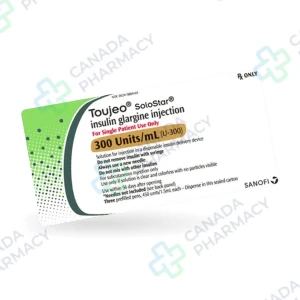
Insulin Glargine
Price range: $ 112,00 through $ 267,00
Active substance: Insulin Glargine
More Details
This product has multiple variants. The options may be chosen on the product page
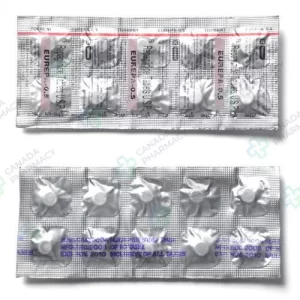
Prandin
Price range: $ 40,00 through $ 858,00
Active substance: Repaglinide
More Details
This product has multiple variants. The options may be chosen on the product page
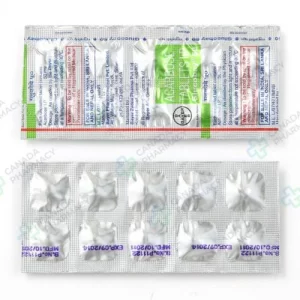
Precose
Price range: $ 46,00 through $ 294,00
Active substance: Acarbose
More Details
This product has multiple variants. The options may be chosen on the product page
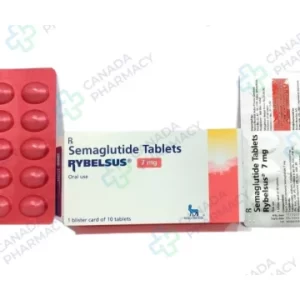
Rybelsus
Price range: $ 250,00 through $ 880,00
Active substance: Semaglutide
More Details
This product has multiple variants. The options may be chosen on the product page