

-21%
Innopran XL
Price range: $ 57,00 through $ 328,00
Intagra
Price range: $ 39,00 through $ 210,00
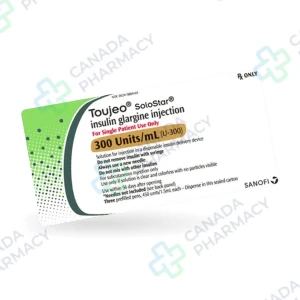
Insulin Glargine
Price range: $ 112,00 through $ 267,00
Insulin Glargine is a long-acting basal insulin analogue designed to improve glycemic control in patients with diabetes mellitus. This medication provides a steady level of insulin for up to 24 hours, helping to maintain stable blood sugar levels throughout the day and night. It is specifically indicated for the treatment of Type 1 diabetes in both adults and pediatric patients, as well as Type 2 diabetes in adults. The solution is formulated for once-daily subcutaneous administration to mimic the body’s natural baseline insulin secretion. By effectively managing glucose levels, Insulin Glargine helps support long-term health and reduces the risk of diabetes-related complications.
Active substance: Insulin Glargine
Delivery: 5–21 days (depending on the shipping method)
Extra 10% discount with coupon: IT4K6SVM
Each dosage option has its own packaging choices.
Description
Insulin Glargine belongs to a class of medications known as long-acting human insulin analogs. It is indicated to improve glycemic control in adult and pediatric patients with type 1 diabetes mellitus, as well as in adult patients with type 2 diabetes mellitus. As a prescription-only biological therapy, its administration schedule and dosage must be individually adjusted by a licensed healthcare provider based on systematic glycemic monitoring.
Treatment with insulin glargine provides a relatively constant, basal concentration of circulating insulin over a 24-hour period. Proper integration of this agent into a diabetes management plan requires routine blood glucose monitoring to minimize the risk of acute metabolic complications, such as hypoglycemia or severe hyperglycemia.
| Property | Specification |
|---|---|
| Active Ingredient | Insulin glargine |
| Therapeutic Class | Long-acting insulin analog (Antidiabetic agent) |
| Dosage Form | Injectable solution (vials, prefilled solo/cartridge pens) |
| Route of Administration | Subcutaneous injection only |
| Prescription Status | Prescription (Rx) only |
| Mechanism Brief | Regulates glucose metabolism via steady, prolonged absorption |
| Storage Conditions | Refrigerated 36°F to 46°F (2°C to 8°C) until first use |
Pharmacological Profile and Indications
How the drug works
The primary activity of insulin glargine is the regulation of glucose metabolism. Insulin and its analogs lower blood glucose levels by stimulating peripheral glucose uptake, particularly by skeletal muscle and adipose tissue, and by inhibiting hepatic glucose production. Additionally, insulin suppresses lipolysis in adipocytes and proteolysis while enhancing intracellular protein synthesis. Insulin glargine is engineered by substituting glycine for asparagine at position A21 and adding two arginine residues to the C-terminus of the B-chain. These structural modifications shift the isoelectric point toward neutrality, rendering the molecule soluble in an acidic solution (pH 4.0) but causing microcrystallization upon subcutaneous injection into physiological neutral pH environments. This process leads to slow, delayed absorption and a prolonged duration of action without pronounced concentration peaks.
What happens in the body
Following subcutaneous administration, insulin glargine forms a depot in the subcutaneous tissue from which small amounts of the drug are continuously released. Peak serum concentration profiles are minimal, demonstrating a stable concentration-time profile over approximately 24 hours. Once absorbed into the circulation, insulin glargine undergoes partial metabolism at the carboxyl terminus of the B-chain to form active circulating metabolites, primarily M1 (21A-Gly-human insulin) and M2 (21A-Gly-des-30B-Thr-human insulin). The systemic clearance of insulin glargine and its metabolites follows kinetic pathways comparable to endogenous human insulin. The median duration of action approaches 24 hours, though individual pharmacokinetic parameters vary depending on the injection site, local blood supply, ambient temperature, and patient physical activity.
What it’s used for
Insulin glargine is indicated to lower blood glucose levels in adults and pediatric patients (aged 2 years and older) diagnosed with type 1 diabetes mellitus, as well as in adult patients diagnosed with type 2 diabetes mellitus requiring basal insulin coverage. This long-acting formulation provides baseline glycemic stabilization across fasting periods and between meals. Insulin glargine is not recommended for the treatment of diabetic ketoacidosis; intravenous or short-acting, rapid-acting insulin protocols are required for the emergent management of hyperosmolar states and diabetic ketoacidosis.
Administration, Safety, and Guidelines
Dosing schedule
Insulin glargine is administered subcutaneously once daily, at any time of day, but must be given consistently at the same scheduled time every 24 hours. The dosage must be strictly individualized based on clinical goals, metabolic need, body weight, and blood glucose monitoring patterns. Injection sites–such as the abdomen, upper arm, or thigh–must be rotated with every administration within the same anatomical region to decrease the risk of lipodystrophy and localized cutaneous amyloidosis. Insulin glargine must never be administered intravenously or via an insulin infusion pump. In patients with type 1 diabetes mellitus, insulin glargine must be used in combination with short-acting or rapid-acting mealtime insulins to address postprandial glucose excursions.
Important precautions
Sharing prefilled pens, vials, or syringes between patients poses a critical risk of transmitting bloodborne pathogens, even if the needle is changed. Severe, life-threatening hypoglycemia is the primary acute risk associated with insulin administration; frequent blood glucose self-monitoring is essential for all patients. Adjustments in dose or timing should be made cautiously and under direct medical oversight. Insulin triggers an intracellular shift of potassium, which may induce hypokalemia; untreated severe hypokalemia can cause respiratory paralysis, ventricular arrhythmia, and cardiac arrest. Special caution is warranted in patients with renal or hepatic impairment, as decreased insulin clearance may prolong the glucose-lowering effect and increase susceptibility to low blood sugar. In pregnant women, intensive monitoring is required, as insulin requirements fluctuate significantly across trimesters.
Adverse reactions
The most common adverse reaction associated with insulin glargine therapy is hypoglycemia, which can range from mild episodes requiring oral carbohydrate consumption to severe events causing seizures, loss of consciousness, or permanent neurological impairment. Local injection site reactions may include localized discomfort, edema, erythema, inflammation, pruritus, and localized lipodystrophy (lipohypertrophy or lipoatrophy). Systemic hypersensitivity reactions are uncommon but potentially severe, manifesting as generalized skin eruptions, angioedema, bronchospasm, or systemic anaphylaxis. Weight gain and transient sodium retention resulting in peripheral edema can occur during initial stabilization of blood glucose control.
Compatibility with other medicines
A substantial number of pharmacological agents influence glucose metabolism and may require adjustments to the insulin glargine dose. Drugs that may enhance the glucose-lowering action and increase hypoglycemia risk include oral antidiabetic agents, ACE inhibitors, angiotensin II receptor blockers, disopyramide, fibrates, fluoxetine, monoamine oxidase inhibitors, and sulfonamide antibiotics. Conversely, drugs that may diminish the blood-glucose-lowering effect include corticosteroids, atypical antipsychotics, thiazide and loop diuretics, sympathomimetic agents (e.g., epinephrine, albuterol), thyroid hormones, and estrogen-containing oral contraceptives. Beta-blockers, clonidine, and reserpine may attenuate or mask the early adrenergic warning signs of hypoglycemia, such as tachycardia and palpitations.
What to avoid while taking it
Ethanol consumption significantly alters blood glucose regulation. Alcohol can unpredictably exacerbate or prolong the hypoglycemic effect of insulin glargine by inhibiting hepatic gluconeogenesis. Patients should exercise caution with alcohol intake and perform extra blood glucose checks. Additionally, skipping meals while maintaining a fixed basal dose of insulin glargine greatly increases the risk of precipitous blood sugar drops. Any alteration in physical activity, dietary patterns, or emotional stress levels requires heightened monitoring of blood glucose values.
If you skip a dose
If a dose of insulin glargine is missed, the patient should check their blood glucose level and contact their healthcare provider for specific guidance based on their prescribed regimen. If a dose cannot be taken at the usual time, it should be administered as soon as recognized, provided the timing aligns with professional instructions. Patients must never double the dose or administer two full doses within a short timeframe to compensate for a missed administration, as this dramatically increases the risk of severe, sustained hypoglycemia.
Practical tips
Prior to each administration, visually inspect the solution: insulin glargine must be clear, colorless, and free from particulate matter or cloudiness. Do not use the solution if it appears turbid, discolored, or contains visible particles. Ensure that a new sterile needle is attached securely before each injection, and immediately remove and safely discard the needle after administration to maintain sterility and prevent air entrainment. Used sharp instruments must be disposed of in an FDA-cleared sharps container or puncture-resistant plastic container according to state and local regulations.
Storage and expiration
Unopened insulin glargine vials or prefilled pens must be kept refrigerated at temperatures between 36°F and 46°F (2°C to 8°C) in their original carton to protect them from direct light. Do not freeze insulin glargine; throw away any product that has been exposed to freezing temperatures. Once opened or placed in use, vials and pen devices may be stored at controlled room temperature below 86°F (30°C) for up to 28 days (or up to 56 days depending on the specific product labeling). In-use prefilled pens must not be refrigerated. Expired or improperly stored insulin must be discarded immediately.
Common questions
Can insulin glargine be mixed in the same syringe with other insulins?
No. Insulin glargine must never be mixed in the same syringe or container with any other insulin, diluent, or solution. The acidic pH of the glargine solution is necessary to maintain its solubility; mixing alters the pH profile, causing premature precipitation and altering the pharmacokinetic and pharmacodynamic delivery of both insulins unpredictably.
What immediate steps should be taken if hypoglycemia occurs?
Mild to moderate hypoglycemia should be managed immediately by consuming 15 to 20 grams of fast-acting carbohydrates, such as glucose tablets, fruit juice, or non-diet soda. Recheck blood glucose after 15 minutes. If severe hypoglycemia causes loss of consciousness or inability to swallow, glucagon must be administered by a trained caregiver, and emergency medical services should be called immediately.
Is it safe to drive or operate machinery while using insulin glargine?
Concentration and reaction capacity may be impaired as a result of hypoglycemia or hyperglycemia. Patients should establish stable glucose control before operating motor vehicles or hazardous machinery. It is advisable to keep fast-acting carbohydrates in the vehicle and test blood glucose before driving on long journeys.
Why is routine injection site rotation necessary?
Repeatedly injecting insulin glargine into the same skin spot causes localized tissue changes, such as lipohypertrophy (fatty tissue accumulation) or localized amyloid deposition. Injecting into these altered tissue areas reduces or delays insulin absorption, leading to unpredictable fluctuations in blood glucose control.
How does hepatic or renal impairment alter insulin requirements?
Renal or hepatic impairment reduces the body’s capacity to metabolize and clear insulin, which prolongs the systemic elimination rate. Consequently, insulin requirements generally decrease in patients with declining kidney or liver function, requiring frequent blood glucose evaluations and careful downward dosage adjustments.
In accordance with FDA requirements.
Always consult your healthcare provider before starting or changing any treatment.
Additional information
| Dosage |
100 IU |
|---|---|
| Package |
3 injection ,6 injection ,9 injection |
| Ενεργός Ουσία |
Related products
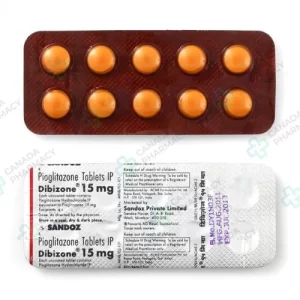
Actos
Price range: $ 52,00 through $ 239,00
Active substance: Pioglitazone
More Details
This product has multiple variants. The options may be chosen on the product page
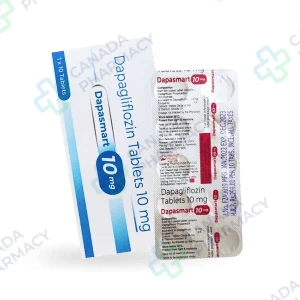
Dapasmart
Price range: $ 67,00 through $ 575,00
Active substance: Dapagliflozin
More Details
This product has multiple variants. The options may be chosen on the product page
Forxiga
Price range: $ 52,00 through $ 340,00
Active substance: Dapagliflozin
More Details
This product has multiple variants. The options may be chosen on the product page
Glucophage Trio
Price range: $ 96,00 through $ 187,00
More Details
This product has multiple variants. The options may be chosen on the product page
Glucotrol XL
Price range: $ 14,00 through $ 170,00
Active substance: Glipizide
More Details
This product has multiple variants. The options may be chosen on the product page
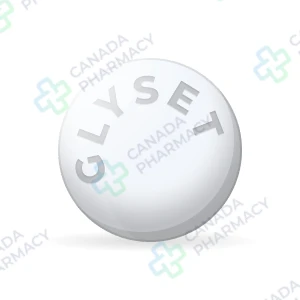
Glyset
Price range: $ 78,00 through $ 156,00
Active substance: Miglitol
More Details
This product has multiple variants. The options may be chosen on the product page
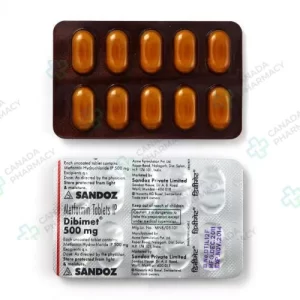
Metformin
Price range: $ 33,00 through $ 190,00
Active substance: metformin
More Details
This product has multiple variants. The options may be chosen on the product page
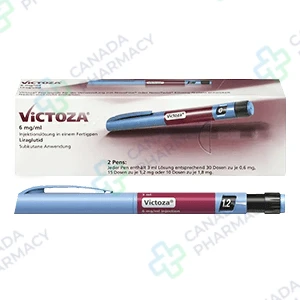
Victoza
Price range: $ 450,00 through $ 850,00
Active substance: Liraglutide
More Details
This product has multiple variants. The options may be chosen on the product page