

-42%
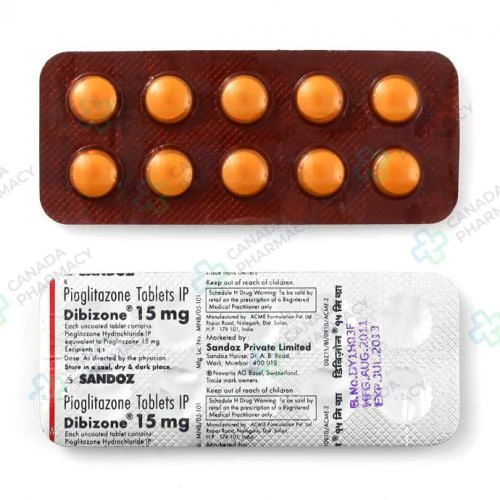
Actoplus Met
Price range: $ 43,00 through $ 343,00
Adaferin Gel
Price range: $ 10,00 through $ 46,00
Actos
Price range: $ 52,00 through $ 239,00
Actos is an effective oral medication specifically designed to help adults manage type 2 diabetes. It belongs to a class of drugs called thiazolidinediones, which work by increasing the body’s sensitivity to insulin. By improving insulin response, this treatment helps cells utilize glucose more efficiently and lowers overall blood sugar levels. This medication is often used as a daily treatment to maintain stable glycemic control throughout the day. Consistent use of Actos helps reduce the risk of serious complications associated with high blood sugar by supporting long-term metabolic health.
Active substance: Pioglitazone
Delivery: 5–21 days (depending on the shipping method)
Extra 10% discount with coupon: IT4K6SVM
Each dosage option has its own packaging choices.
Description
Actos belongs to a class of oral antihyperglycemic medications known as thiazolidinediones (TZDs). Available by prescription only (Rx) under United States federal law, it is approved by the US Food and Drug Administration (FDA) as an adjunct to diet and exercise to improve blood glucose control in adult patients with type 2 diabetes mellitus.
Pioglitazone hydrochloride, the active ingredient in Actos, acts primarily by increasing tissue sensitivity to insulin rather than stimulating direct insulin secretion from pancreatic beta cells. Because therapeutic outcomes depend on personal physiological factors and renal or hepatic function, administration requires careful clinical evaluation and ongoing oversight by a qualified healthcare professional.
| Attribute | Details |
|---|---|
| Active Ingredient (INN) | Pioglitazone hydrochloride |
| Therapeutic Class | Thiazolidinedione (Antihyperglycemic agent) |
| Dosage Form | Oral tablet (15 mg, 30 mg, 45 mg) |
| Route of Administration | Oral |
| Prescription Status | Prescription only (Rx) |
| Primary FDA Purpose | Glycemic control in adults with type 2 diabetes mellitus |
Clinical Profile and Pharmacological Properties
How the drug works
Pioglitazone is a potent and highly selective agonist for peroxisome proliferator-activated receptor-gamma (PPAR-γ). Activation of nuclear PPAR-γ receptors modulates the transcription of multiple insulin-responsive genes involved in control of glucose production, transport, and utilization, as well as lipid metabolism. By acting primarily on adipose tissue, skeletal muscle, and liver tissue, Actos decreases hepatic glucose output and increases peripheral glucose disposal.
Unlike sulfonylureas, meglitinides, or exogenous insulin, pioglitazone does not stimulate pancreatic beta-cell insulin secretion. Consequently, monotherapy with Actos carries a low baseline incidence of hypoglycemia. Any clinical use outside FDA-approved labeling–such as off-label administration for nonalcoholic steatohepatitis (NASH/MASH)–is not an established FDA indication and must be evaluated strictly within controlled clinical settings.
Main uses
Actos is explicitly indicated as an adjunct to diet and exercise to improve glycemic control in adults diagnosed with type 2 diabetes mellitus. It may be prescribed as monotherapy when metformin is considered inappropriate or poorly tolerated, or used in dual or triple combination regimens alongside metformin, a sulfonylurea, or exogenous insulin.
Actos is not indicated for the treatment of type 1 diabetes mellitus or for the management of diabetic ketoacidosis, as the drug requires endogenous insulin to exert its therapeutic mechanism.
Dosing schedule: The starting dose of Actos is 15 mg or 30 mg once daily. If glycemic control remains inadequate, the dosage may be titrated by a healthcare provider up to a maximum recommended limit of 45 mg once daily. Dosage adjustments should be guided by periodic monitoring of blood glucose levels and glycosylated hemoglobin (HbA1c).
What happens in the body (Pharmacokinetics): Following oral administration, pioglitazone is rapidly absorbed, reaching peak plasma concentration (Cmax) within approximately 2 hours. Concurrent food intake slightly delays peak concentration but does not alter total systemic absorption (AUC). Pioglitazone is extensively bound to serum proteins (>99%), primarily albumin.
Metabolism occurs mainly in the liver via cytochrome P450 pathways, predominantly CYP2C8 and to a lesser degree CYP3A4, yielding active metabolites (M-III and M-IV). The elimination half-life of unchanged pioglitazone is approximately 3 to 7 hours, whereas the total combined half-life of pioglitazone and its active metabolites ranges from 16 to 24 hours. Excretion occurs primarily through the biliary system into feces, with 15% to 30% excreted via urine.
What not to combine (Drug interactions): Concomitant administration of strong CYP2C8 inhibitors (such as gemfibrozil) significantly increases pioglitazone plasma exposure; when co-administered, the maximum recommended daily dose of Actos is 15 mg. Conversely, CYP2C8 inducers (such as rifampin) can lower pioglitazone plasma concentration, requiring close clinical evaluation of glycemic control. Combined use with insulin increases the incidence of severe edema and fluid retention.
Safety Precautions and Frequently Asked Questions
Adverse reactions and red flags
Common side effects: Clinical trials highlight upper respiratory tract infection, headache, sinusitis, myalgia, and peripheral edema as the most common adverse events reported with Actos. Fluid retention can lead to dose-dependent weight gain and mild reductions in hemoglobin and hematocrit due to hemodilution.
Bone fracture risk: Long-term clinical data demonstrate an increased incidence of bone fractures in female patients taking pioglitazone, predominantly affecting distal upper (forearm, hand, wrist) and lower (foot, ankle, fibula, tibia) extremities.
Red flags (When to seek immediate medical attention):
- Congestive Heart Failure: Rapid, unexplained weight gain, severe swelling of feet or lower legs, trouble breathing, or fatigue when lying flat.
- Hepatic Toxicity: Persistent nausea, vomiting, upper abdominal pain, unusual fatigue, dark urine, or yellowing of the skin or eyes (jaundice).
- Bladder Cancer Risks: Hematuria (blood in urine), painful or urgent urination, or new-onset urinary pain.
- Severe Hypoglycemia: Confusion, dizziness, rapid heartbeat, or sweating (especially when combined with insulin or sulfonylureas).
- Hypersensitivity Reactions: Facial, lip, or tongue swelling, severe skin rash, hives, or difficulty swallowing.
Important precautions: Actos carries an FDA Boxed Warning regarding the risk of causing or worsening congestive heart failure. It is strictly contraindicated in patients with established New York Heart Association (NYHA) Class III or IV heart failure. Cardiac status should be evaluated prior to initiating therapy and monitored regularly thereafter. Actos is not recommended for patients with active bladder cancer or a prior history of bladder malignancy.
Special populations: Data regarding pioglitazone during human pregnancy are limited; insulin is generally preferred for blood glucose management during pregnancy. It is unknown if pioglitazone transfers into human breast milk. Safety and effectiveness in pediatric patients under 18 years of age have not been established. In elderly patients, initiation should proceed cautiously due to higher rates of renal or hepatic impairment.
What to avoid while taking it: Actos can be administered with or without meals. Patients should avoid excessive alcohol consumption, as alcohol can unpredictably alter blood glucose homeostasis and elevate the risk of metabolic imbalances.
First days of treatment: Reductions in fasting plasma glucose usually manifest within 1 to 2 weeks after initiation. However, the full therapeutic impact on HbA1c levels generally requires 8 to 12 weeks of continuous daily administration.
Common questions
What should I do if I miss a dose of Actos?
If a dose is missed, it should be taken as soon as remembered on that day. However, if it is near the time for the next scheduled dose, skip the missed tablet and resume your regular daily dosing schedule. Do not take two doses at once to make up for a missed tablet.
Does Actos cause immediate low blood sugar (hypoglycemia)?
When taken as monotherapy, Actos carries a low risk of hypoglycemia because it improves insulin sensitivity rather than driving pancreatic insulin secretion. The risk increases significantly if Actos is combined with insulin secretagogues (like sulfonylureas) or exogenous insulin.
Why is weight monitoring important during treatment with Actos?
Weight gain can occur due to a combination of fluid retention and tissue changes. Sudden or excessive weight gain over a short duration can be an early indicator of fluid accumulation and potential heart failure, requiring prompt evaluation by a healthcare provider.
Can Actos be taken at any time of the day?
Yes, Actos is taken once daily, with or without food, at any time of day. Maintaining a consistent daily schedule–taking the tablet at the same hour each day–helps maintain steady plasma levels and supports daily routine compliance.
How long does it take for Actos to show its full clinical effect?
While initial plasma glucose reductions may appear within 1 to 2 weeks of starting therapy, reaching maximum therapeutic stabilization and peak reduction in HbA1c levels typically requires 8 to 12 weeks of consistent daily usage.
In accordance with FDA requirements: This content is informational and does not replace a consultation with your doctor or pharmacist.
Additional information
| Dosage |
15mg ,30mg ,45 mg |
|---|---|
| Package |
30 tabs ,60 tabs ,60 pills ,90 pills ,90 tabs ,120 pills ,120 tabs ,180 pills ,180 tabs ,240 pills ,270 pills ,360 pills |
| Ενεργός Ουσία |
Related products
Actoplus Met
Price range: $ 43,00 through $ 343,00
Active substance: metformin, Pioglitazone
More Details
This product has multiple variants. The options may be chosen on the product page
Amaryl
Price range: $ 39,00 through $ 424,00
Active substance: Glimepiride
More Details
This product has multiple variants. The options may be chosen on the product page
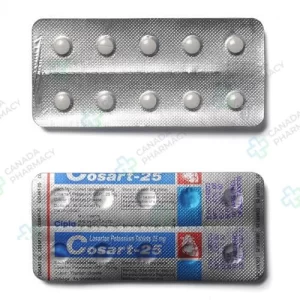
Cozaar
Price range: $ 41,00 through $ 281,00
Active substance: Losartan
More Details
This product has multiple variants. The options may be chosen on the product page
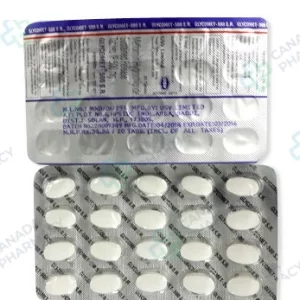
Glycomet
Price range: $ 4,00 through $ 71,00
Active substance: metformin
More Details
This product has multiple variants. The options may be chosen on the product page
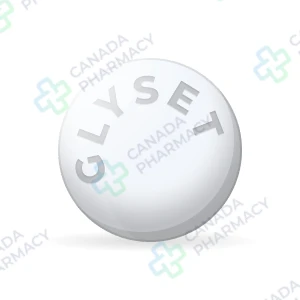
Glyset
Price range: $ 78,00 through $ 156,00
Active substance: Miglitol
More Details
This product has multiple variants. The options may be chosen on the product page
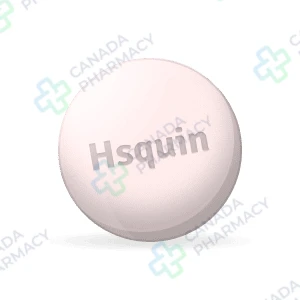
Hsquin
Price range: $ 43,00 through $ 75,00
Active substance: Hydroxychloroquine
More Details
This product has multiple variants. The options may be chosen on the product page
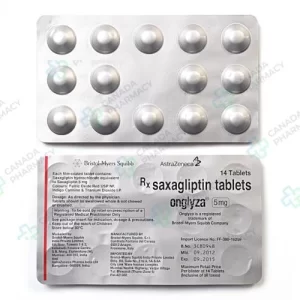
Onglyza
Price range: $ 63,00 through $ 504,00
Active substance: Saxagliptin
More Details
This product has multiple variants. The options may be chosen on the product page